
What AI-assisted filmmaking meant on this shoot
In May 2026, Mumbai content agency The Creative Tribe shipped a Mother's Day film for Indian retailer Reliance Digital using AI-assisted filmmaking — a hybrid method where real actors, costumes, hair and makeup stayed on set while AI generated the environments, extended the production design, and handled lighting setups. The film, titled 'If Love Had One Name, It Would Be Mom,' reached 53 million views across Instagram and YouTube within weeks of launch.
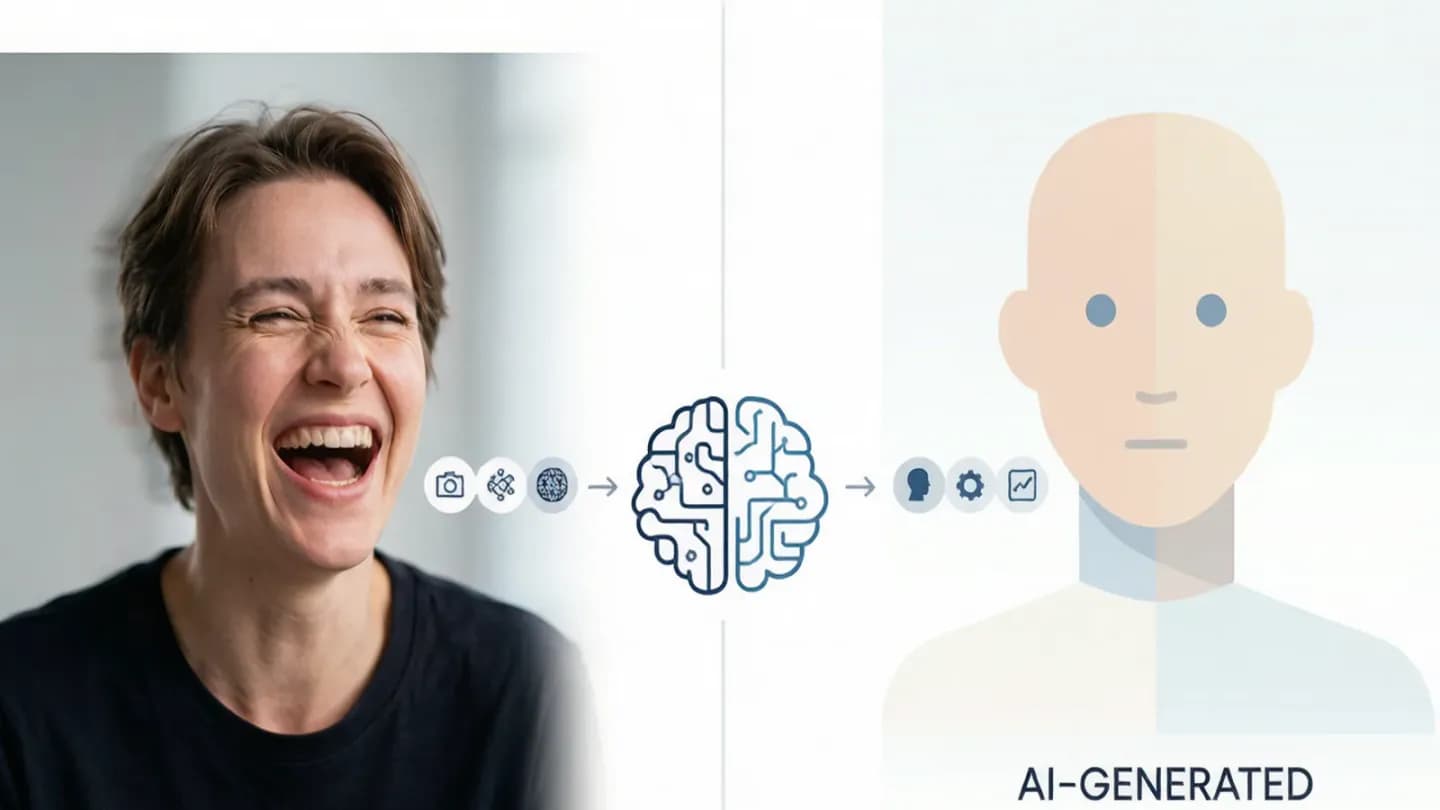
The useful distinction is the one most of the industry keeps fumbling. 'AI-generated filmmaking' implies a prompt in, a finished film out. 'AI-assisted cinematic storytelling,' the phrase The Creative Tribe's founders use, means the model never touched the performance — AI built the world around the actors, and humans owned the emotion. For commercial work, that boundary is exactly where brand safety lives.
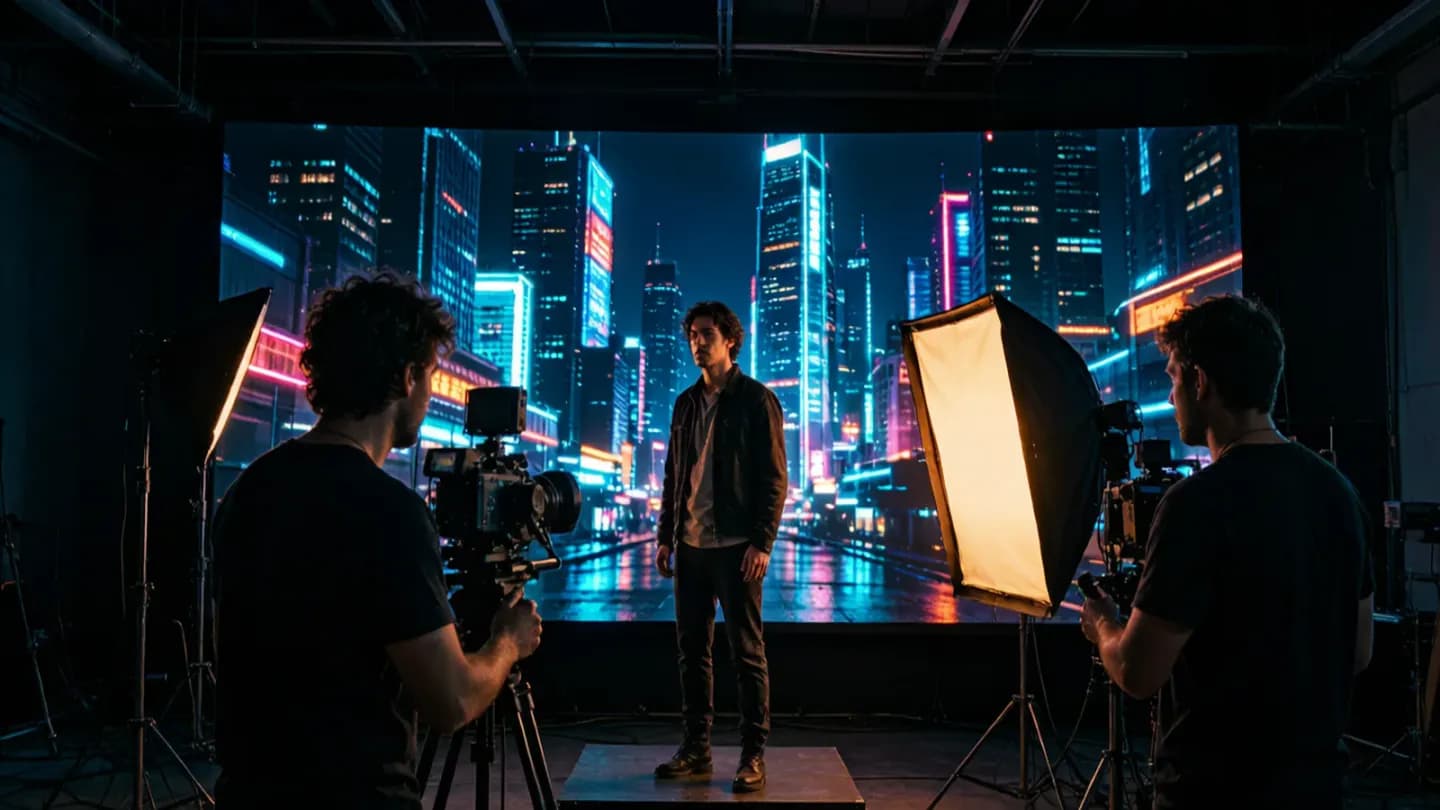
On this shoot the division of labor was explicit. Real actors performed every line and gesture; costumes, props, hair and makeup were physical. AI took the background plates, the extended art direction, and the lighting environments that would traditionally have required location builds or large set construction. The result reads as a single cinematic world, but only the human half was ever in front of the camera.
The numbers: cost, reach, and turnaround
The campaign was produced at less than half the cost of a conventional film at comparable scale, with a shorter turnaround. For a brand film that size, halving the production budget normally means cutting scope or quality. Here the savings came from replacing location builds, set construction, and large portions of art direction with generated environments that could be iterated in hours rather than days.
The cost math tracks what we found when we modeled {{link}} against traditional bids — the environment work, not the shoot, is where hybrid pipelines pull the biggest leverage. Reach followed: 35 million views on Instagram and over 18 million on YouTube, a combined 53 million, with the engagement concentrated in the first 48 hours after launch.
The lever is iteration speed. A conventional environment change — a new location, a different time of day, an extended set — can mean another shoot day or a weeks-long post cycle. Generated environments let the team test three or four versions of the same frame in an afternoon and pick the one that serves the story. That compression is what turns 'half the cost' from a one-off lucky break into a repeatable line item.
The cost math tracks what we found when we modeled AI video production cost in 2026 against traditional bids — the environment work, not the shoot, is where hybrid pipelines pull the biggest leverage.
Why hybrid beats fully automated for brand work
Audiences can sense emotional dishonesty instantly, as The Creative Tribe co-founder Masumeh Makhija put it, and that is the constraint fully automated pipelines keep hitting. A model can render a convincing world, but it cannot manufacture a performance an audience trusts. The studios shipping AI video at scale have reached the same conclusion from the other direction: the {{link}} holds up because the human stays in the loop on craft, not because the generator got better.
Hybrid also maps cleanly onto pipelines teams already run. Teams already running a {{link}} can drop generated environments into the layers they trust least — background, set extension, lighting — without re-architecting the shoot. That is the practical on-ramp most brand teams actually take, and it is far less disruptive than standing up a fully generative workflow.
The risk on the fully automated side is the uncanny gap. When a synthetic face or a flat performance carries the brand, viewers disengage before they can name why — and the damage is to trust, not just to a single spot. Hybrid contains that risk by keeping the emotional payload human. The AI expands the world; it does not audition for the role.
The studios shipping AI video at scale have reached the same conclusion from the other direction: the human-core, AI-scaled creative model holds up because the human stays in the loop on craft, not because the generator got better.
Teams already running a hybrid AI control-net workflow can drop generated environments into the layers they trust least — background, set extension, lighting — without re-architecting the shoot.
The production workflow that made it repeatable
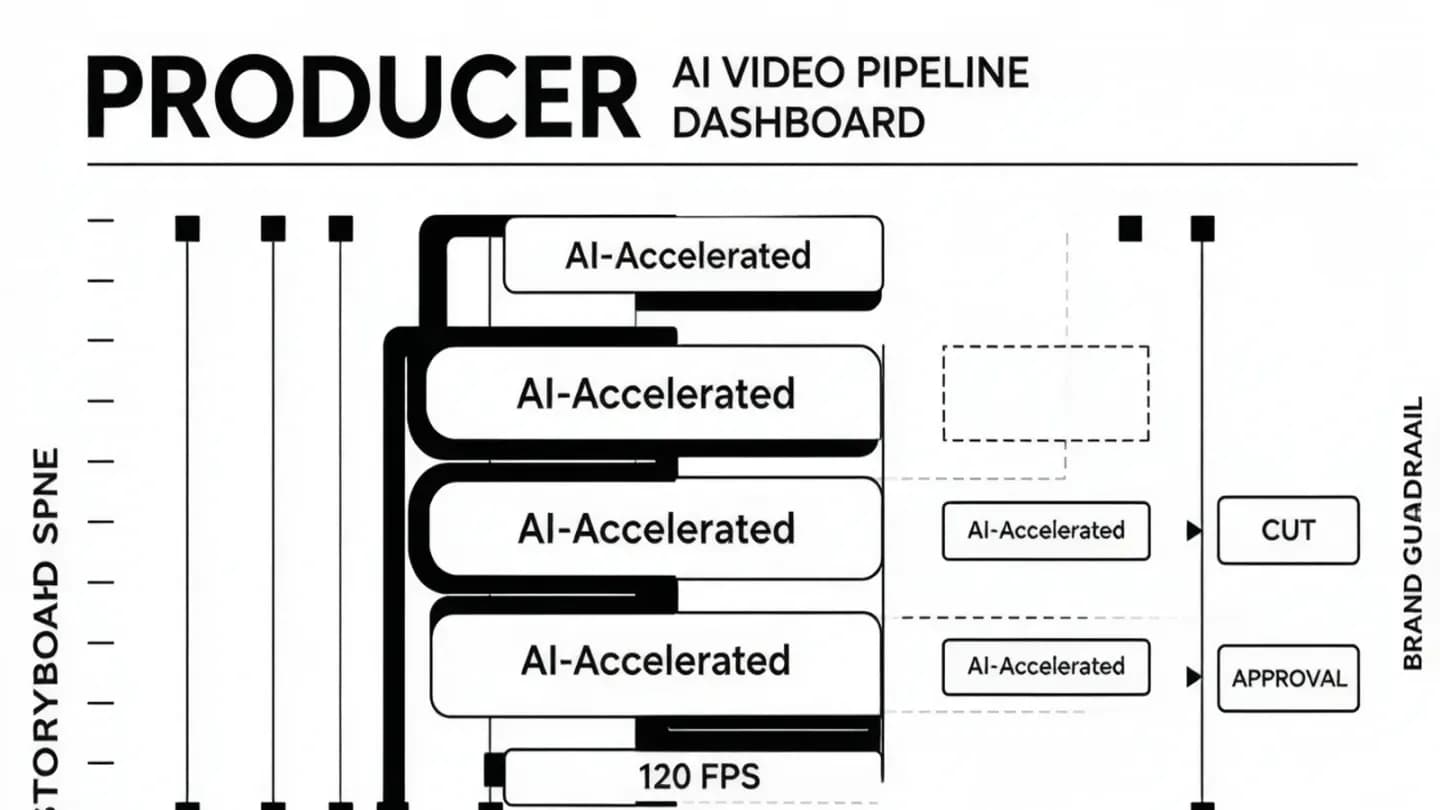
One film is an anecdote; a repeatable workflow is a standard. The Creative Tribe is now extending the same hybrid approach to performance marketing assets and high-volume social cuts, which means the producer — not the prompt — owns the spine of the work. That mirrors the {{link}} we documented for agencies shipping AI video at scale, where a human producer holds brand and governance guardrails end to end while AI accelerates each stage.
Wistia's 2026 State of Video report reinforces the direction: blended in-house teams are becoming the norm, AI is used most in pre-production, and over half of teams are putting more money into AI this year. LinkedIn is now the number-one video channel for B2B teams, cited by eight in ten. The studios winning here treat AI as a force multiplier on a governed pipeline, not a replacement for one.
For a brand team copying the model, the sequence matters. Load the brand pack and governance locks first, generate the environment and set-extension options in pre-production, shoot the performance conventionally, then composite. The earlier AI enters as a planning and environment tool and the later it touches the final emotional cut, the safer the output. That ordering is the difference between a governed pipeline and a gamble.
That mirrors the producer-led AI video workflow we documented for agencies shipping AI video at scale, where a human producer holds brand and governance guardrails end to end while AI accelerates each stage.
What this signals for commercial video teams in 2026
For commercial teams, the takeaway is operational, not philosophical. Pick the layers where generated output is indistinguishable from shot reality — environments, set extensions, lighting, background plates — and keep humans on performance, voice, and the calls that affect how the brand is read. Where a real person fronts the work, the disclosure and consent rules still apply, which is why a {{link}} stays part of the brief even when the backgrounds are synthetic.
The Reliance Digital film is one data point, not a movement yet. But it is a clean proof that the hybrid model can hit brand-scale reach at roughly half the cost without surrendering the emotional truth audiences punish synthetic work for missing. The teams that build the workflow now will be the ones shipping at velocity when the next cultural moment lands.
The first step is small and low-risk. Take one upcoming brand film, carve out the background and set-extension work as a generated layer, and keep the performance fully shot. Measure the cost and turnaround delta against a comparable conventional bid, and only then expand the AI surface area. The studios that scaled did not automate the soul of the work — they automated the parts the audience never looks at twice.
Where a real person fronts the work, the disclosure and consent rules still apply, which is why a rights-safe AI video checklist stays part of the brief even when the backgrounds are synthetic.
Put the framework into production
These related pages connect the article’s planning advice to a specific commercial scope.
References
- The Creative Tribe uses AI-assisted workflows to produce Reliance Digital Mother's Day film at half the costComplete AI Training
Mumbai studio The Creative Tribe produced Reliance Digital's 2026 Mother's Day film with live actors plus AI-generated environments at less than half the cost of a conventional film, reaching 53 million views (35M Instagram, 18M YouTube).
- State of Video Report: Video Marketing Statistics for 2026Wistia
Wistia's 2026 State of Video Report (900+ professionals, 13M videos, 79M viewing hours) finds blended in-house teams are the norm, AI is used most in pre-production, and LinkedIn is the #1 B2B video channel for 8 in 10 teams.
- 115 Video Marketing Statistics For Creators (2026)Kapwing
Kapwing's 2026 compilation reports global digital video ad spend reached $72.4B in 2025 and is projected at $223.5B in 2026, with 85% of marketers calling short-form the most effective social format and 51% having used AI for video creation or editing.