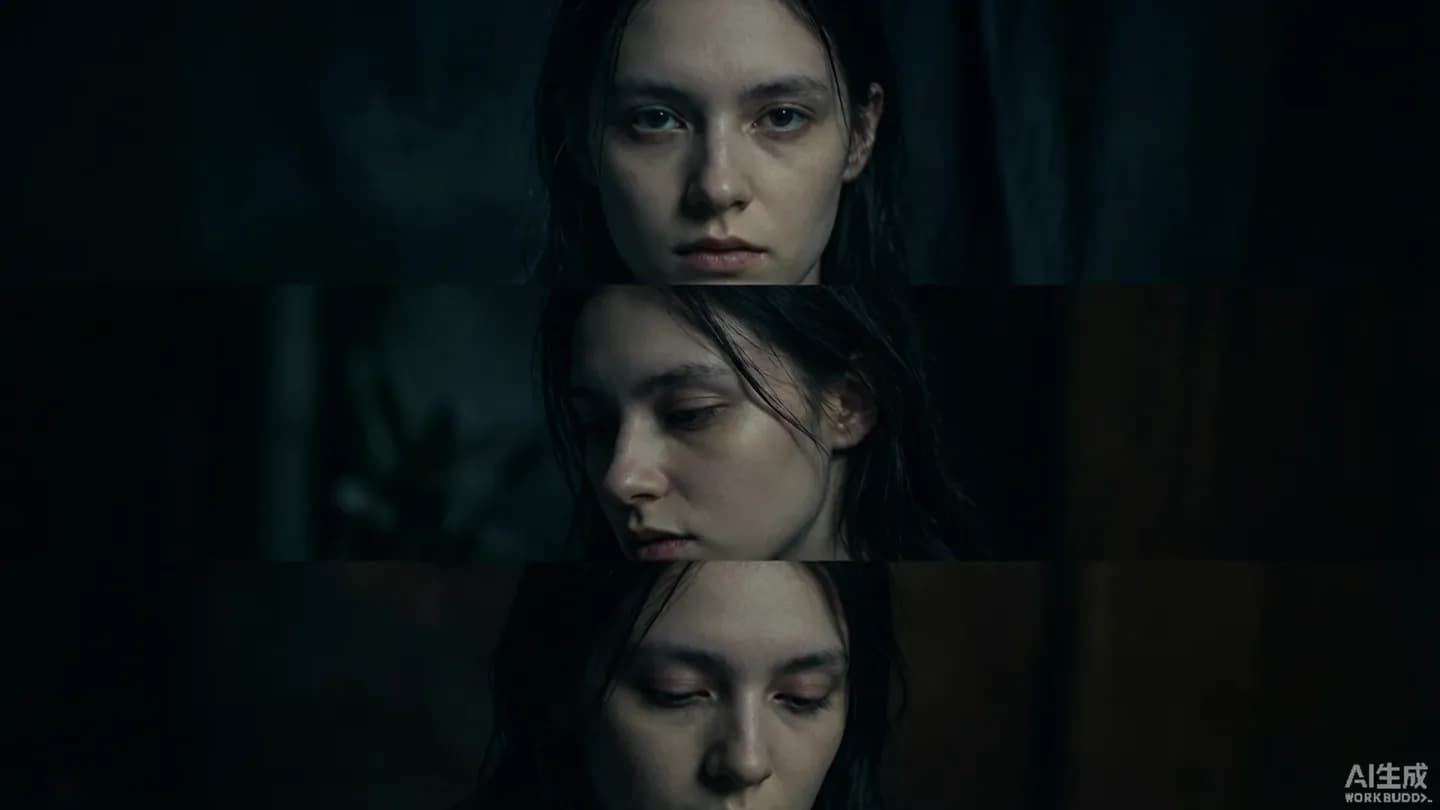
Why AI video character consistency breaks between shots
AI video character consistency is the single biggest craft problem in generative filmmaking, and it fails for a deceptively simple reason: most models do not remember who your character is. Every clip is reconstructed from the prompt, any reference image, and the surrounding scene context, so a face that looked correct in shot one can quietly morph by shot four. Hair shifts an inch, eye spacing drifts, an outfit changes color, and the audience stops following the story and starts noticing the tool.
The realistic goal is not pixel-perfect identity - traditional animation pipelines enforce that, generative models do not - but perceptual continuity, where viewers recognize the same person the moment they reappear even if the lighting or expression has changed. That distinction matters because it reframes the work: consistency is a system you build before generation, not a defect you chase after the fact. You design constraints that push the model back toward your true character every time it tries to wander, using reference images, fixed prompt language, and disciplined review. Get those constraints in place and drift becomes the exception rather than the rule, which is why brands paying for a recurring face or mascot cannot treat consistency as an afterthought.
Build a character sheet before you generate
A character sheet is the visual contract every downstream shot signs up to, and it is the natural output of how to write a creative brief for AI video that already defines objective, audience, and references. Spend real time on four to eight hero stills: front, three-quarter, and side angles, plus one or two on-brand expressions, all exported at high resolution and kept in a clearly labeled folder. These become the anchor images you upload to image-to-video tools and the reference slot in text-to-video models.
Pair the stills with a single identity block - age range, hair color and style, body type, signature clothing, and any distinguishing marks such as glasses or accessories - and a fixed style sentence covering lens, lighting, and color grade. The point is repetition: you will paste that block, word for word, into every prompt for the project. Many teams keep these blocks in a shared text file and copy them rather than retyping, because even a small paraphrase invites the model to redraw the character. The more you decide up front, the less the model has to invent, and the less room there is for drift.

Anchor identity with reference images
Text prompts alone rarely guarantee identity, so the most reliable workflow combines a prompt with a reference image the model can actually look at while generating. Upload a clean hero still and the model treats it as a visual anchor for face, hair, outfit, and proportions instead of guessing from words. The specific feature you get depends on the engine you picked, and the 2026 AI video model selection map is the place to confirm which tool supports character references before you commit a series to it.
Capability differences are real: Kling 3.0 ships an Elements system that maintains visual identity across multiple shots from a single character reference, while Google's Veo preserves a subject's appearance when you supply up to three reference images of a person, character, or product. Open-weight models such as LTX-2 let teams fine-tune on their own character art for recurring roles, which is the gold standard for a long-running series. The practical rule is to match the tool to the job, then feed it the same anchor image every single time. Swap the reference and you reset the character; keep it fixed and identity propagates down the line. Where the tool exposes a seed value, save the seed from your best hero still and reuse it across related shots to steady facial structure further.

Lock the identity block and chain frames
Consistency lives or dies on repetition, so keep one fixed identity block - the exact same words describing face, hair, clothing, and style - at the front of every prompt, and change only the action, camera, and environment. Never paraphrase it; the model reads subtle wording changes as permission to redraw the character, and drift usually starts with an innocent synonym. For sequences longer than a few shots, add frame chaining on top of the reference image.
The method is straightforward: generate the first clip from your reference, export a clean frame where the face is clearly visible, and use that exported frame as the reference for the next shot, then repeat for each subsequent scene. Repeating this propagates the character's identity down the line and significantly reduces drift between scenes because every new shot is anchored to the last real frame rather than to memory. It is a low-effort habit that beats regenerating an entire scene because one detail wandered, and it works across any model that supports image-to-video. Keep camera moves gradual and clips short, because extreme motion and long durations are where even a well-anchored model reinterprets the face.

Generate variants and pick the winner
Even with a strong anchor, no single technique is bulletproof, which is why most working creators generate three to five versions of every shot and pick the cleanest match against the reference. This reshoot-and-pick loop is the unglamorous core of consistent output: you compare each candidate to the hero still, keep the best, and discard the rest without sentiment. Reference images, seed locking where the tool allows it, and prompt anchoring together push your hit rate from occasional to reliable, but human selection is what closes the final gap.
Reserve light post-production for the almost-right frame rather than regenerating the whole shot - inpainting a missing accessory or correcting a small color shift is faster and cheaper than a full regeneration. For a true series with a recurring character, training a small LoRA adapter on fifteen to thirty images of the character is the gold standard and lets you invoke the identity by name. The mistake teams make is treating generation volume as waste; in practice, generating five options and keeping one is cheaper than generating one option five times and still shipping a drifted frame. Budget the volume into the plan up front so the loop is routine, not a panic.
Catch drift at the QC gate before shipping
Generation is cheap and review is the bottleneck, so treat identity drift as a shippable-or-not decision rather than a polish step. The five-gate AI video QC checklist already turns the last mile into concrete pass-or-fail checks, and character identity belongs at the very top of that list. Pull the hero still next to every delivered frame and look for the classic tells: shifting eye spacing, a changed jawline, swapped clothing, or a lighting temperature that quietly reinvents the face.
Motion can also break identity, so watch for fast camera moves or sudden lighting changes that make the model reinterpret the character mid-shot. If any frame drifts, regenerate that shot or inpaint the detail before the cut ships - do not ship a good enough frame and hope the viewer does not notice, because they will, and the illusion collapses. A consistent character is what separates a produced piece from a pile of prompts, and the QC gate is where that line gets enforced. Document which hooks and characters survived longest so the next brief starts from proven assets instead of a blank page.
Character consistency is one layer of brand consistency
Character identity is not a standalone battle; it is one layer of a wider brand consistency problem that spans logo, typography, color, and product shape. The brand consistency control map shows which pieces a generative model can never be trusted with and the pipeline stage where each one gets solved, and your character sheet is simply the human-shaped entry in that same system. Solve identity at the reference and prompt layer, solve the remaining brand elements at their own stages, and the finished piece reads as one brand rather than a collage of happy accidents.
The discipline compounds: a character sheet built for one campaign becomes a reusable asset for the next, and a locked identity block becomes a template other creators on the team can copy. For mascot-driven advertising this is especially true, because the mascot carries brand equity across every cut and a single drifted frame erodes recognition. Consistency is ultimately a production discipline, not a model feature - you build the system once, encode it in references and prompts, and every future series inherits it instead of relearning the same hard lessons.
Put the framework into production
These related pages connect the article’s planning advice to a specific commercial scope.
References
- Guide video generation using asset and style images (Veo)Google Cloud
Veo preserves a subject's appearance when you supply up to three reference images of a person, character, or product.
- Every Major AI Video Model of Q1 2026VEED
Kling 3.0's Elements system maintains visual identity across multiple shots from a single character reference; LTX-2 ships fully open weights for local fine-tuning.
- How to Keep Characters Consistent in AI Video (2026)Magic Hour
Frame chaining - exporting a clean frame and using it as the reference for the next shot - significantly reduces identity drift across scenes.