Why general-purpose models drift on brand video
The decision to fine-tune AI video model weights on your own archive has moved from the research lab into production planning. Digital video ad spend is projected to surpass $80 billion in 2026, growing 11 percent year over year and nearly 20 percent faster than the total ad market, with two-thirds of buyers already live, testing, or planning agentic AI for video campaigns. When a channel this large runs on generated creative, owning your model stack stops being a luxury and starts being a control decision.
The hardest line item in any AI video budget is consistency. Keeping a product, logo, or recurring character identical across dozens of shots is what actually drives cost, not runtime. A reference-first workflow can hold a single asset together, but it reloads the same brand rules on every prompt, every cut, and every campaign.
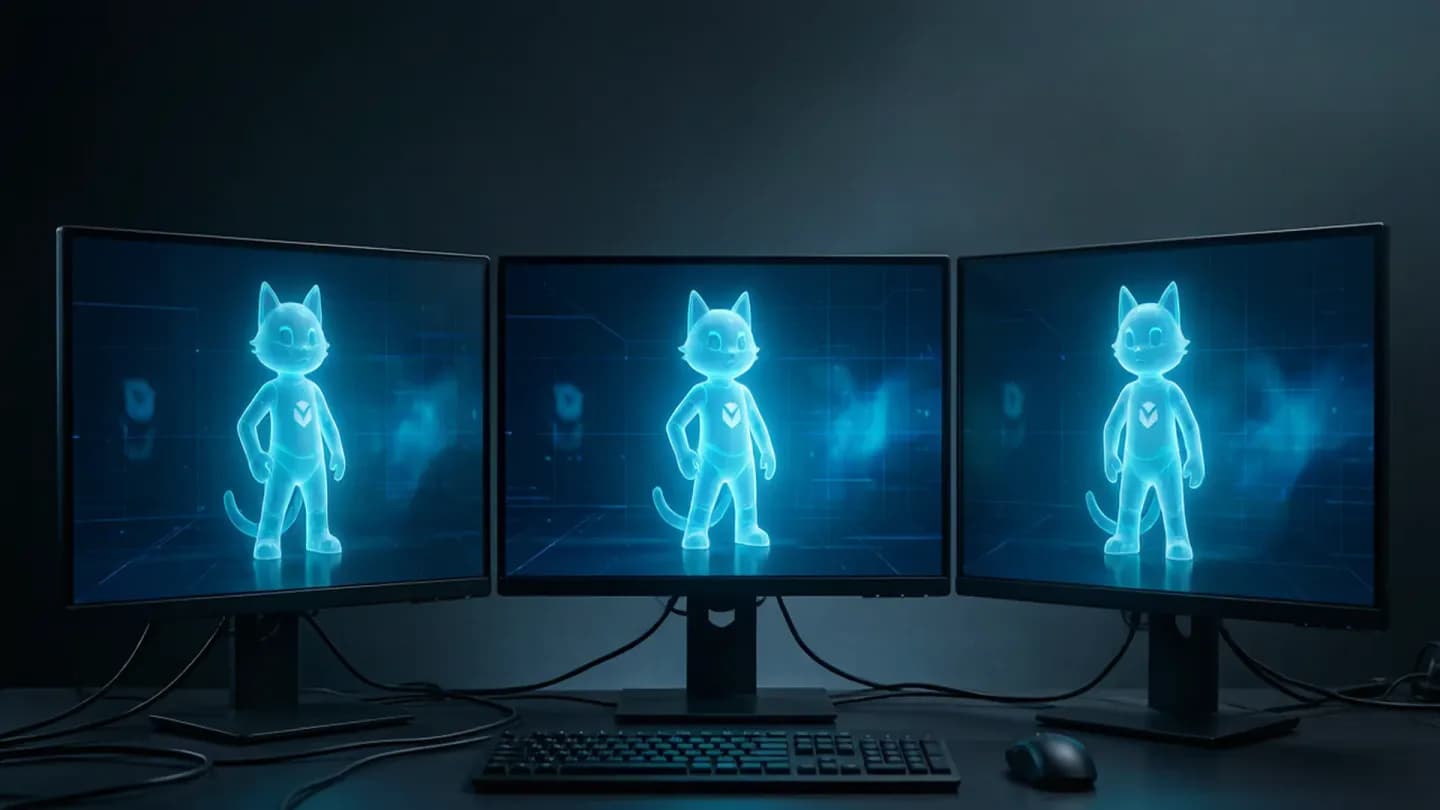
General-purpose models are trained on the open web, not your brand. They optimize for plausible output, not for your typography, your palette, or the specific way a spokesperson moves. The result is a slow drift: each generation looks close, none quite matches, and someone on the team spends hours nudging it back toward the brief.
Fine-tuning for video is not the same as fine-tuning a language model. Video fine-tunes a diffusion or transformer backbone on your motion, your lighting, and your character sheet, so the model learns your look as a distribution rather than a single reference image. That is what lets it generalize the brand across novel scenes instead of copying one approved frame.
A reference-first production approach {{link}} holds a single asset on-brand at the shot level, but it resets with every new project. For a one-off campaign that is acceptable. For a brand shipping hundreds of variants a month, re-establishing brand rules per prompt becomes its own recurring tax that scales with volume.
A reference-first production approach brand video consistency workflow holds a single asset on-brand at the shot level, but it resets with every new project.
What fine-tuning actually buys you
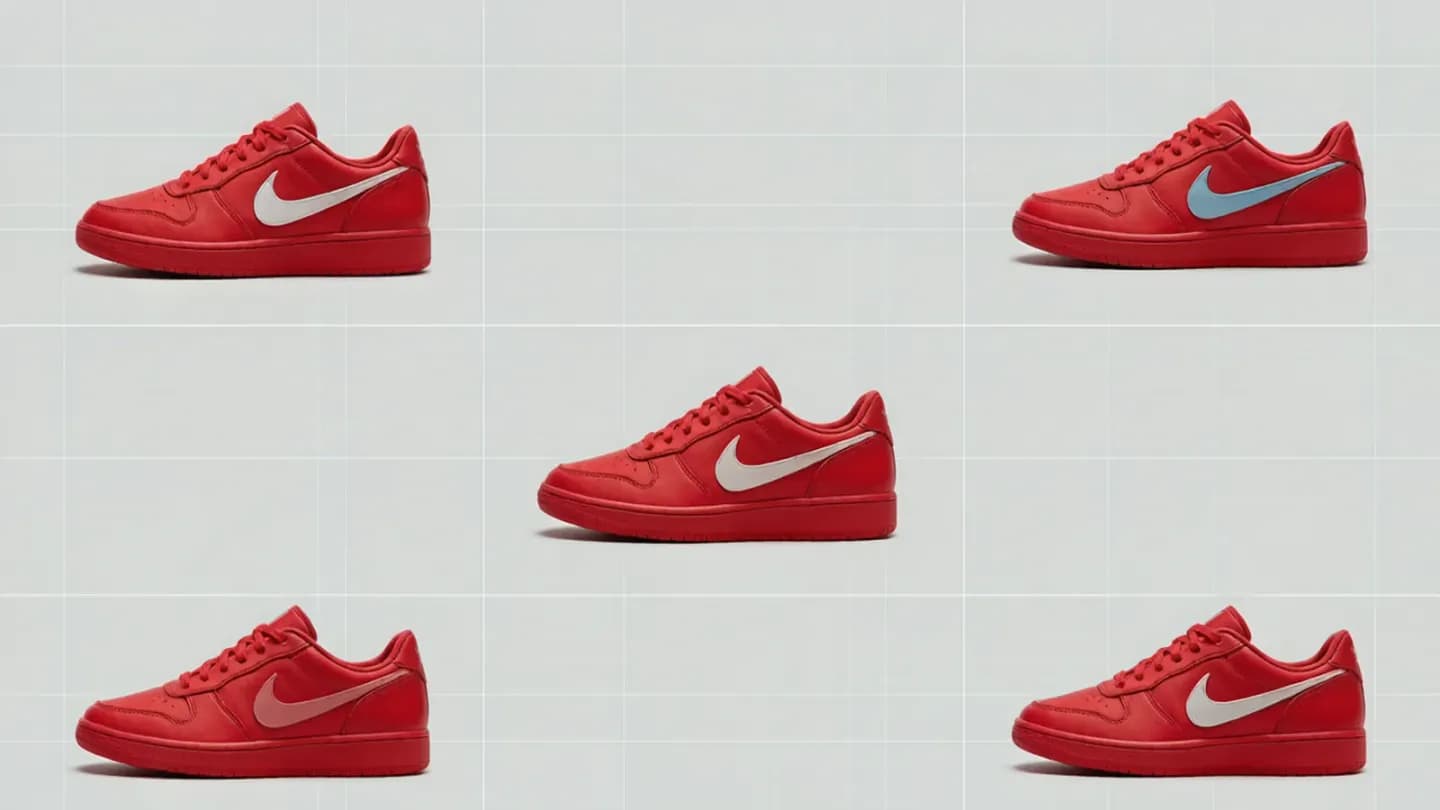
Fine-tuning moves the brand rules from the prompt into the weights. Instead of re-explaining your look on every call, you train a model on your own approved creative archive so the default output already lands in your lane. The payoff is measurable: L'Oreal's AI team shared internal data at Cannes Lions 2026 showing brand consistency scores 44 percent higher for fine-tuned model output versus general-purpose output. L'Oreal, Nike, and Unilever are all investing in proprietary models trained exclusively on their own archives.
This is not about generating the raw creative signal, which still needs human direction. It is about removing the per-shot consistency tax so your team spends its judgment on the idea, not on re-anchoring the logo. The Dentsu Signal Architecture framework, launched in April 2026, makes the same bet from the other side: AI analytics identify which emotional and visual signals perform, then route those findings to human creative teams who execute the actual assets. Early results showed a 28 percent lift in brand recall and a 19 percent cut in production cycle time.
Fine-tuning and human direction are complements, not substitutes. The model absorbs consistency; people own meaning. The mistake is to read a 44 percent consistency gain as permission to let the model run unsupervised.
When to fine-tune AI video model weights: a build-vs-prompt framework
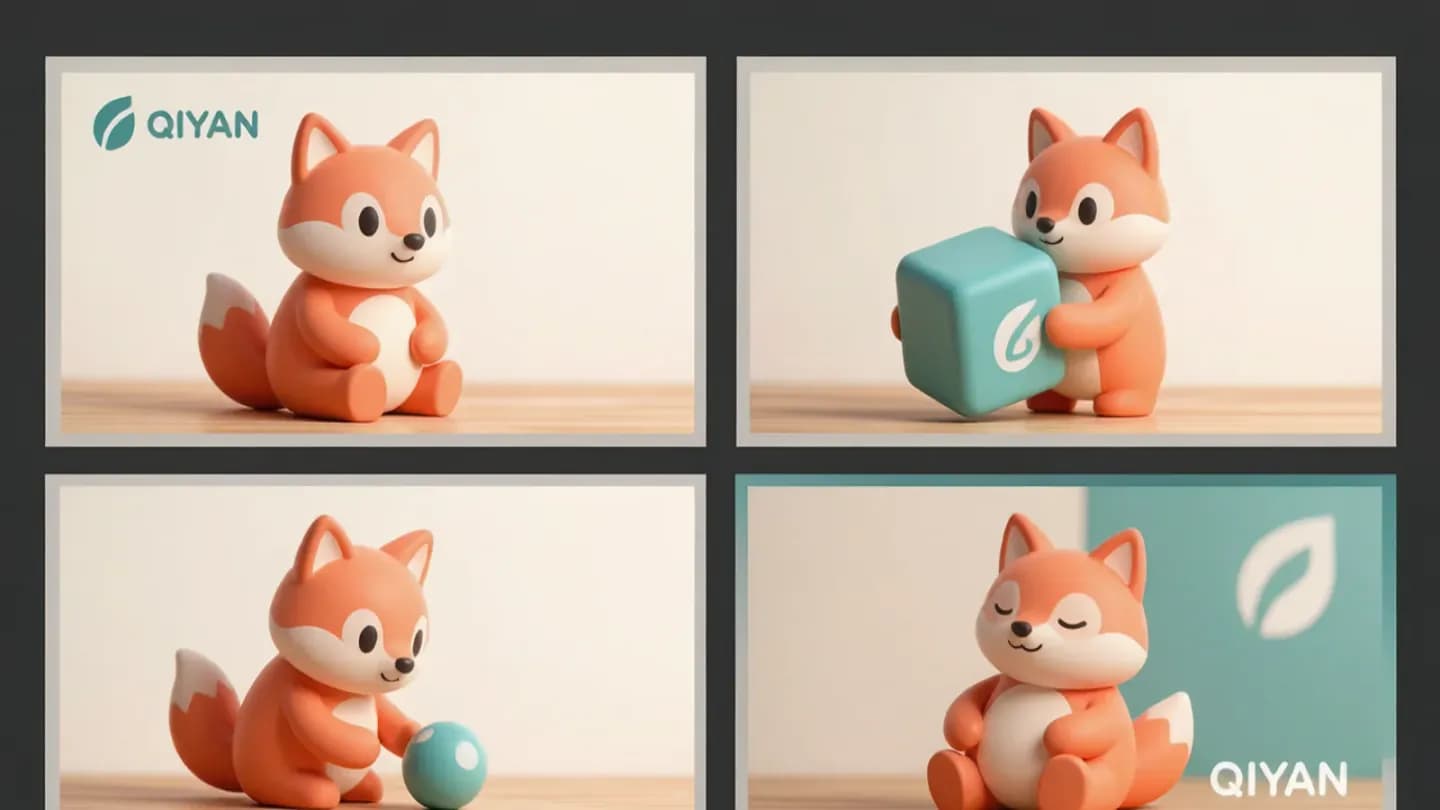
Use a simple three-condition test. Fine-tune when high monthly volume, strict brand guidelines, and many distinct assets such as SKUs, spokespeople, or markets all hold at once. If you ship a handful of hero films a quarter with loose brand rules, a well-prompted hosted API is cheaper and faster. Before committing to proprietary training, a clear {{link}} still decides which base model you fine-tune on.
Volume is the first trigger. The economics only work when you amortize the training and hosting cost across enough generations. A fine-tuned model that serves ten assets a month is an expensive hobby; one that serves ten thousand is a structural advantage. Treat the decision as a capacity question first and a quality question second.
Strictness is the second trigger. If your brand is defined by precise typography, a recognizable spokesperson, or a signature motion language, prompt engineering fights that fight forever. Encoding it in weights ends the fight. Loose, fast-moving brands get more leverage from prompt libraries and templated workflows than from a bespoke model.
Between a hosted API and a full proprietary model sits a middle option: adapters or low-rank fine-tunes that attach a small brand-specific layer to a base model without retraining it. These are cheaper to build and easier to swap, and for many mid-volume brands they capture most of the consistency gain at a fraction of the cost. Treat the full fine-tune as the destination only after an adapter proves the value.
Before committing to proprietary training, a clear model selection discipline still decides which base model you fine-tune on.
The licensing and data-rights reality
Fine-tuning usually implies running your own instance, which reopens the {{link}} question for every team. Open-weight releases let you self-host and avoid sending briefs to a vendor, but they carry their own license terms. MiniMax's H3 Community License, for example, permits commercial use only for organizations under $20 million in annual revenue; larger teams must negotiate a separate commercial agreement. Read the license before you build a pipeline on a model you cannot legally ship.
Data rights run in the opposite direction. A fine-tuned model learns from your archive, so the archive had better be yours to use and cleared for training. Mixing in licensed third-party footage without rights is how a proprietary advantage becomes a liability. Keep a manifest of what went into the training set and who approved it, because that record is exactly what a buyer or regulator will ask for.
Consistency is also the single biggest cost lever in AI video. An AI video studio notes that keeping a product, logo, or character identical across shots is what moves price most, not runtime. Fine-tuning attacks that lever directly, which is why it can be cheaper than per-shot reference engineering at scale even before you count the hours saved on re-anchoring.
Fine-tuning usually implies running your own instance, which reopens the open-weight versus hosted API question for every team.
Govern fine-tuned output before it ships
A model trained on your brand will confidently produce on-brand wrong answers. Pair any proprietary model with a {{link}} that sets where generated video is allowed to ship without review. The gate is not optional: a fine-tuned model multiplies your output, and it multiplies your mistakes just as fast.
Provenance is the second control. C2PA's Content Credentials act like a nutrition label for digital content, recording who and what produced an asset and how it was edited. For commercial video, that record is becoming a baseline expectation from platforms and buyers rather than a nice-to-have. Stamp every fine-tuned frame with its origin before it leaves the building.
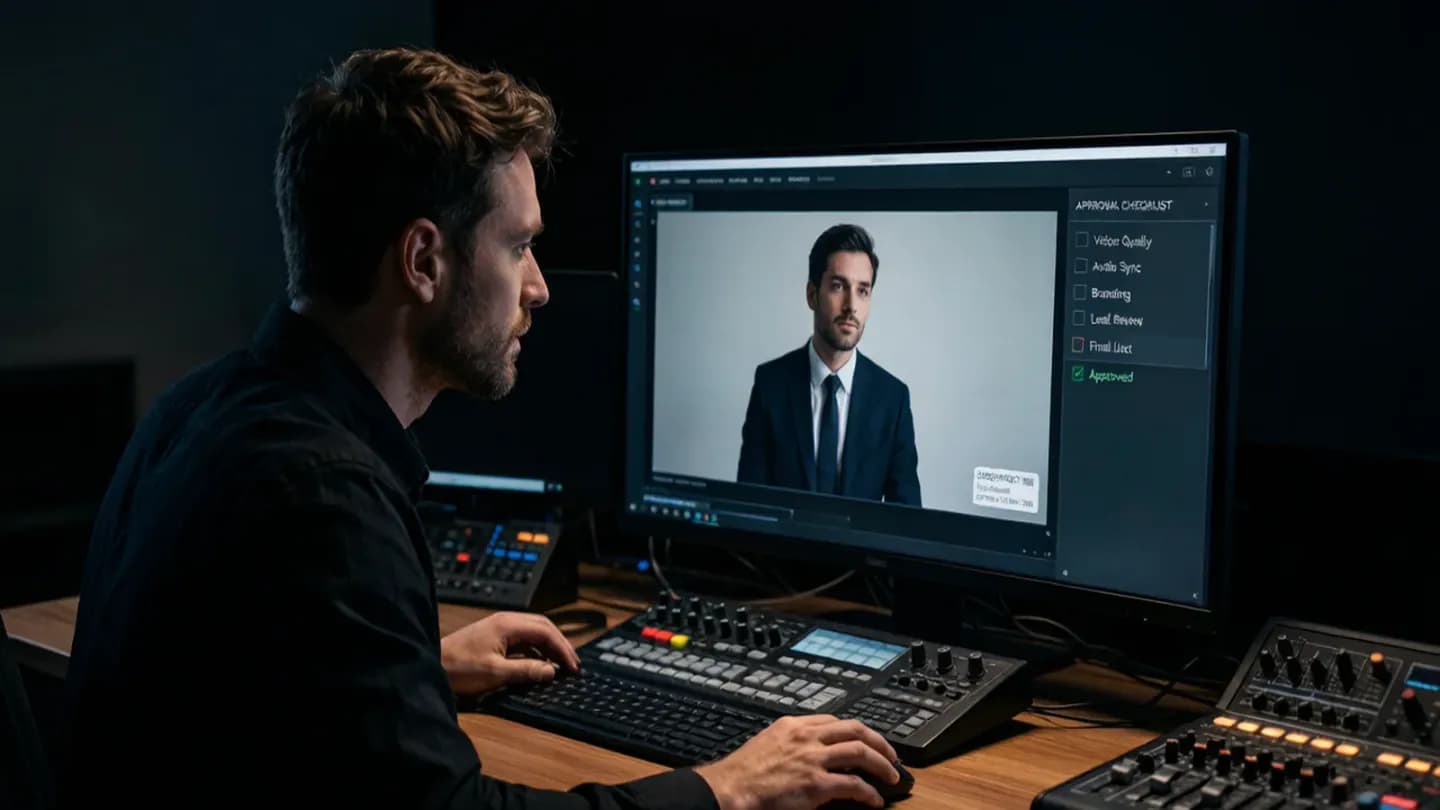
Human review stays the final step. The Dentsu result came from routing AI signals to human creative teams, not from letting the model publish. Treat fine-tuned output as a fast first draft that earns its place in a campaign only after a person signs off on the brief and the execution.
Pair any proprietary model with a AI video governance playbook that sets where generated video is allowed to ship without review.
Where fine-tuning fails
The obvious risk is sameness. A model trained on your past work will happily reproduce your past work, including the parts that were already tired. AI slop is now the number-one operational concern for 61 percent of CMOs in ACAM's 2026 benchmark, and a fine-tuned model is a precision instrument for manufacturing more of it. Feed it fresh human insight or it entrenches your weakest habits.
The second failure is treating fine-tuning as a substitute for strategy. It optimizes consistency, not relevance. A perfectly on-brand video that says nothing is still a waste of spend. Keep the model scoped to execution and let people own the brief, the angle, and the call to action.
Start small. Fine-tune on a narrow, high-volume asset class such as product loops or lower-third motion, prove the consistency gain on real campaigns, then expand. You do not need to train the whole brand on day one to learn whether proprietary weights are worth it for your team.
The teams that get the most from a fine-tuned model are the ones with a strong opinion about their brand in the first place. A model can only amplify a clear point of view; it cannot invent one. If your brand guidelines are vague, fix that before you spend a training run, because fine-tuning will faithfully reproduce the vagueness at scale.
Put the framework into production
These related pages connect the article’s planning advice to a specific commercial scope.
References
- U.S. Digital Video Ad Spend to Surpass $80B in 2026IAB
U.S. digital video ad spending is projected to surpass $80B in 2026, growing 11% year-over-year and nearly 20% faster than the total ad market; two-thirds of buyers are live, testing, or planning agentic AI for digital video campaigns.
- The Synthetic Creative Ceiling: Why AI Ad Generation Is Hitting a Quality WallAD-Times
L'Oreal, Nike, and Unilever are investing in fine-tuned proprietary AI models trained on their own archives; L'Oreal internal data shared at Cannes Lions 2026 showed brand consistency scores 44% higher for fine-tuned versus general-purpose output. Dentsu's Signal Architecture (April 2026) delivered 28% higher brand recall and 19% shorter production cycle time.
- C2PA - Verifying Media Content SourcesC2PA
C2PA's Content Credentials provide an open standard that records the origin and edits of digital content like a nutrition label, establishing provenance for AI-generated or AI-modified media.