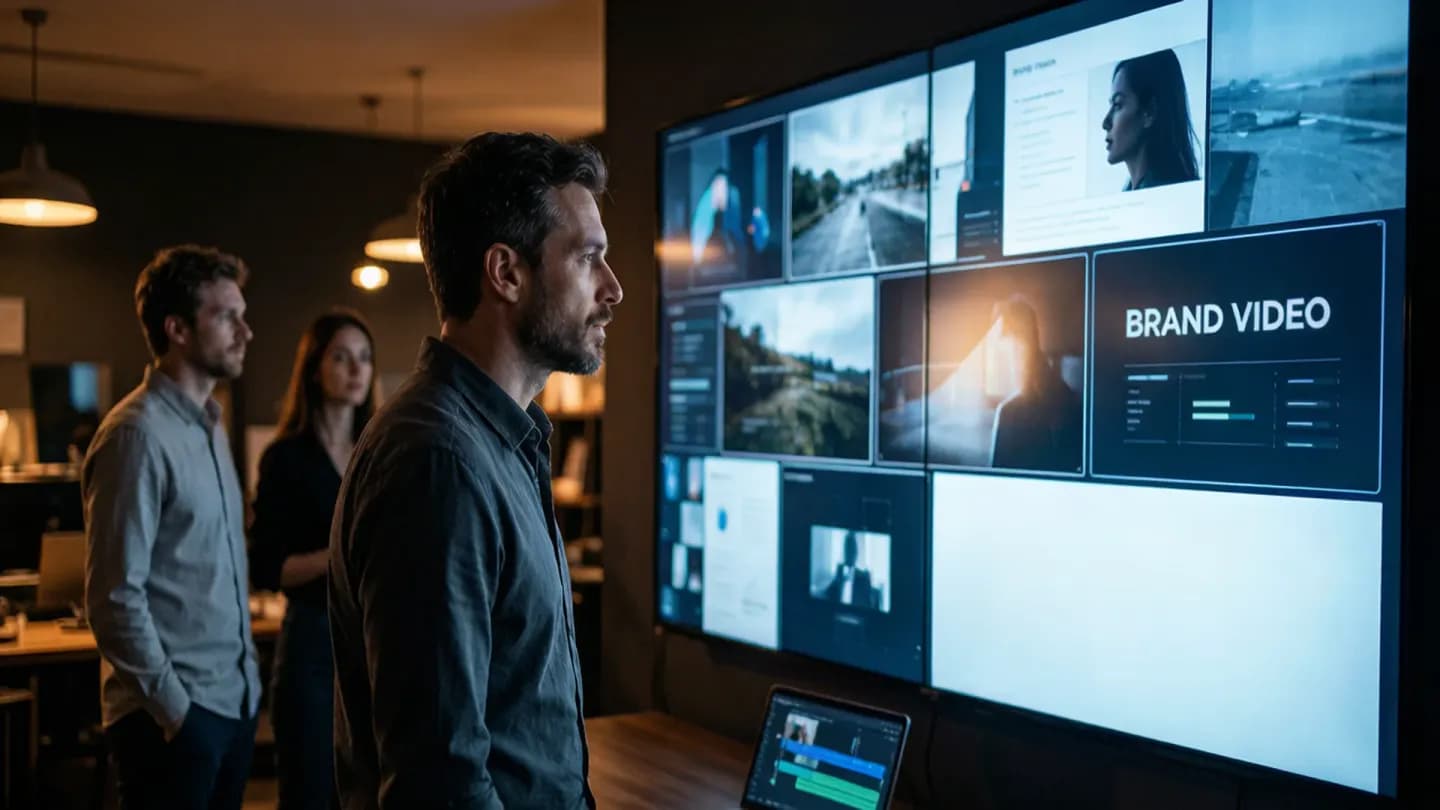
The question nobody asked loudly enough
{{link}} is stark: 91% of teams now use AI, yet only 41% can prove its return. Adoption sailed past the trial phase, but the boardroom question shifted from 'should we?' to 'did our AI-generated brand campaigns actually work?'
For brand campaigns that question is harder than for performance ads, because the payoff shows up in salience and recall, not a click. Yet those are the metrics that separate a brand people remember from one people scroll past. Most coverage of AI video stops at throughput: a studio generates two hundred clips to ship three, and that is treated as the win.
A faster pipeline that produces forgettable creative is just a more efficient way to waste budget. The campaigns worth studying are the ones that moved a brand metric, not just a production metric. This article looks at the 2025-2026 case data where AI-generated creative was pointed at brand outcomes, and asks what actually changed. The short version is that the wins were real, but they shared a structure that most teams skip.
2026 AI marketing maturity gap is stark: 91% of teams now use AI, yet only 41% can prove its return.
Groupon: an AI-generated brand campaign that moved brand KPIs
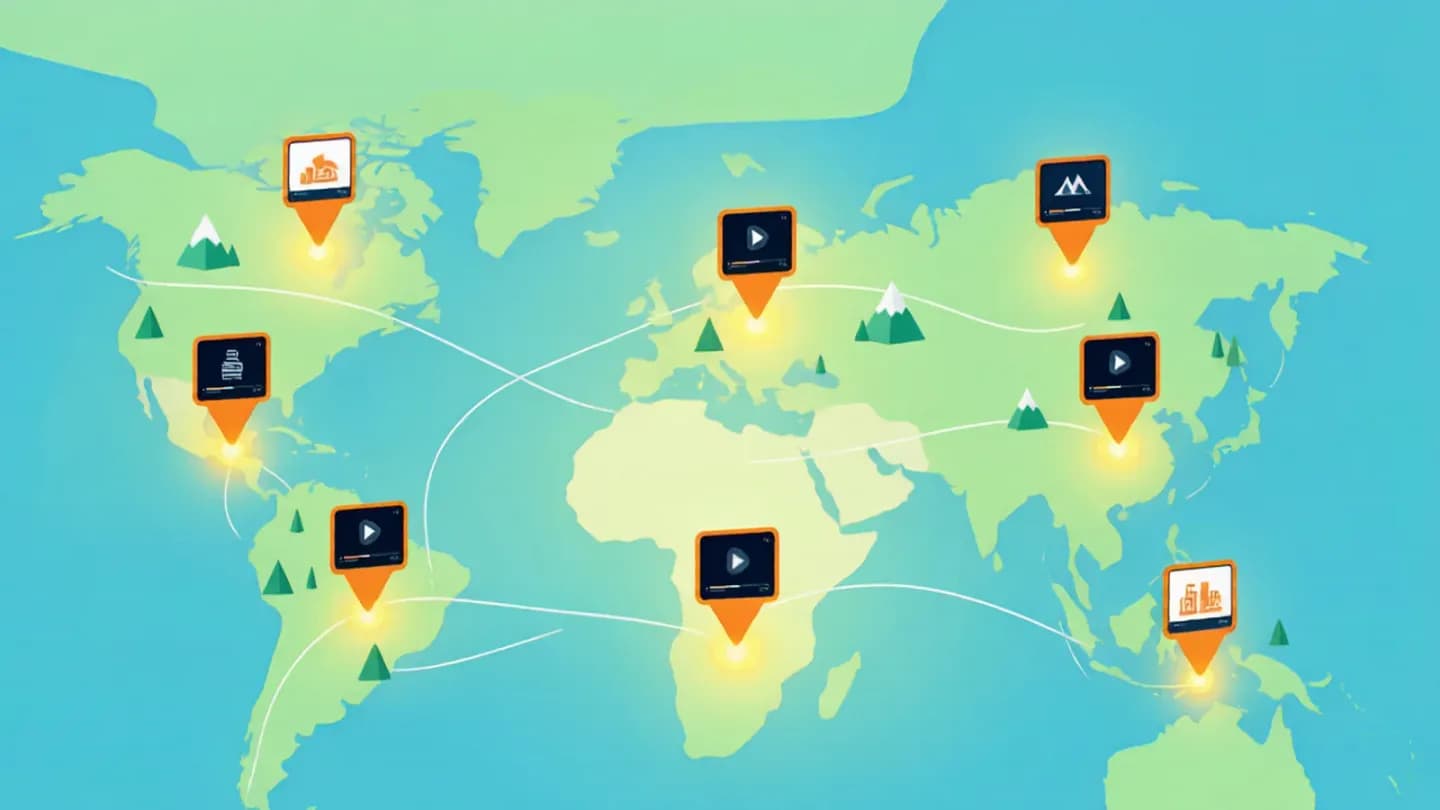
Groupon's 'Turn Life On' campaign is the cleanest example of AI creative aimed at brand health rather than raw volume. The work was developed inside a human-directed, AI-enabled production workflow: storyboards and footage were AI-generated under human oversight, then localized into nine markets including New York, Madrid, Dublin, and Manchester.
The results were measured, not assumed. The campaign drove a +11% search lift, a +22% increase in brand salience, and a +31% lift in unaided ad recall. Those are brand-equity numbers, the kind that usually move only after months of sustained spend, delivered here alongside creative variants produced weekly instead of monthly.
The detail that matters for other teams is that the AI did not replace the creative director. It compressed the iteration loop. Localized storytelling kept unmistakable local cues like a NYC skyline and yellow cabs, because a human decided those signals were non-negotiable. Voiceovers were re-recorded per market in English, Spanish, and beyond, so the work felt native rather than translated.
Groupon also built holiday and gifting themes and vertical-specific assets for beauty, entertainment, and dining. None of that is possible if a model is left to generate a finished ad from a single prompt. It is possible when a human owns the brief and the generator expands it.
Amazon Fresh: a custom model that scaled AI-generated brand campaigns
Amazon Fresh faced a different problem. Content demand across global markets and formats, from app banners to social to in-store displays, was outrunning the traditional production team. An Adobe survey of 2,841 marketers found nearly two-thirds expect content demand to surge fivefold by 2026, and for a grocery brand that future is already present.
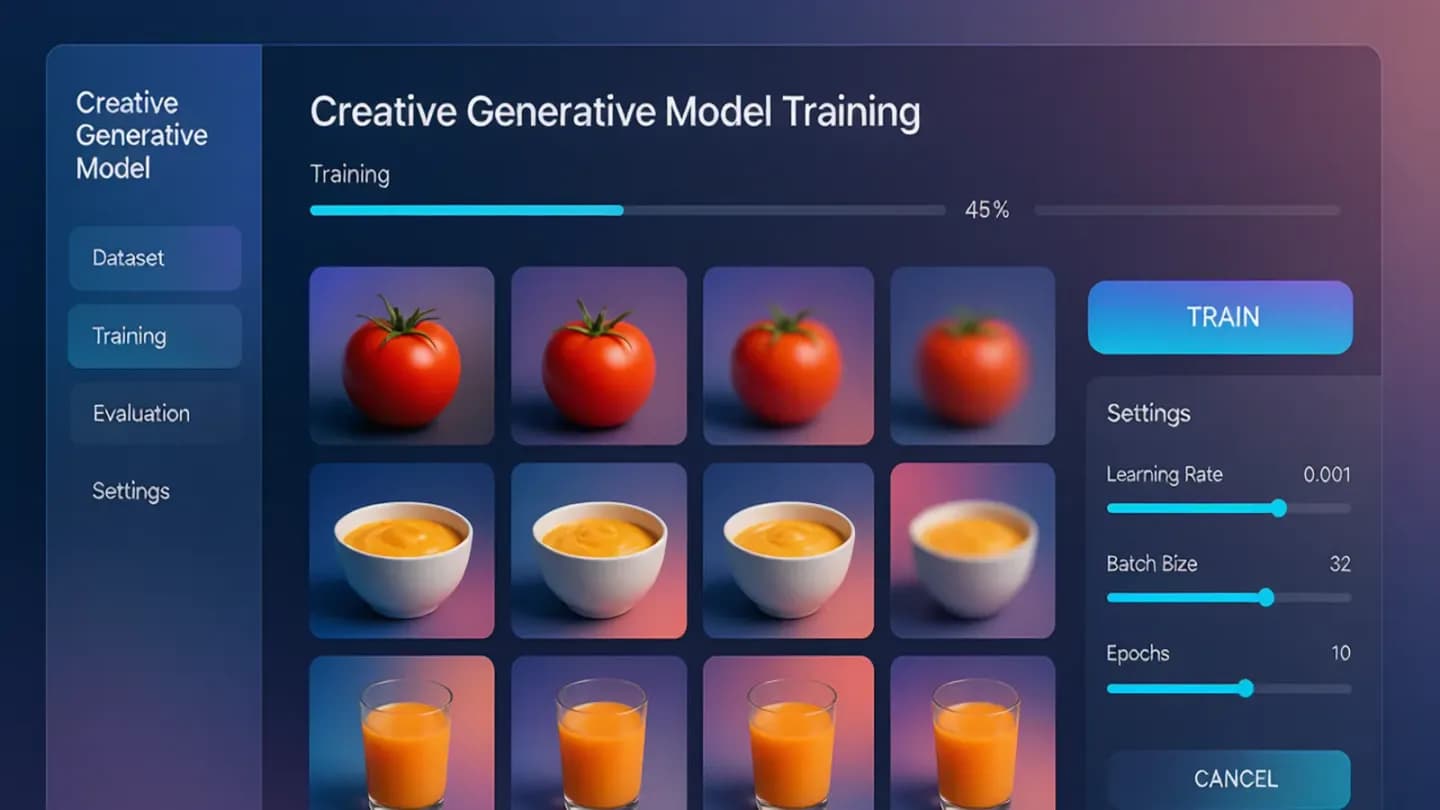
Working with KINESSO, the team trained an Adobe Firefly Custom Model on approved brand assets so the generative system produced on-brand visuals by default. Amazon Fresh treated brand consistency as a trainable system, the same principle a strong {{link}} applies to generated video. The model turned lead times from weeks into days.
The headline number is that production time dropped by 93%, and a single Christmas campaign yielded 262 unique, brand-aligned images. A composition reference feature let designers protect space for copy, CTAs, and logos while the model handled variation. That is not a one-off hero asset; it is a throughput change that let the team adapt campaigns mid-flight without breaking the visual system.
The strategic point is that the custom model encoded brand rules once, then reused them across every asset. Instead of reviewing each image from scratch, reviewers checked exceptions. Senior creatives spent their time directing, not producing, which is exactly where their judgment compounds.
Amazon Fresh treated brand consistency as a trainable system, the same principle a strong AI video brand consistency playbook applies to generated video.
The pattern across winners: augmentation, not replacement
Lay the Groupon and Amazon Fresh cases side by side and one pattern dominates. Every winning case followed a {{link}}: people set the brief and the judgment, the model expanded the output. Neither brand treated the generator as a closed box that swallowed a prompt and returned a finished ad.
The throughput gains only compound once the work runs on a real {{link}} instead of one-off prompts. Groupon's weekly variant cadence and Amazon Fresh's custom model are both systems, not incidents. That is why their gains survived contact with real markets instead of evaporating after a single launch.
The contrast is the all-AI pipeline that promised cheap video and delivered fatigue instead. Teams that generated at volume, shipped without human creative direction, and wondered why brand metrics stayed flat learned the hard way that augmentation is a discipline, not a toggle. The model is a multiplier, and it multiplies whatever judgment you feed it, good or bad.
This also explains why maturity, not adoption, is the real differentiator. Two teams can both 'use AI' and land in completely different places. The one with a directed workflow and a control layer pulls ahead; the one chasing volume without oversight stalls.
Every winning case followed a human-core, AI-scaled creative model: people set the brief and the judgment, the model expanded the output.
The throughput gains only compound once the work runs on a real AI-native creative pipeline instead of one-off prompts.
Why most AI creative still fails to register
The same 2025-2026 window that produced these wins also widened a gap. Jasper's survey of 1,400 marketers found governance friction from legal, compliance, and brand review processes rose 3.4x year over year as AI scaled. Creative can be generated in minutes; the review and brand-control layer often cannot keep pace, so volume arrives before quality does.
Quality drift is the quieter killer. A model that renders a plausible but slightly wrong logo, package, or claim injects risk into every frame, and that risk scales with output. Brand teams now report that governance, not tool access, is the constraint on scaling AI creative. The blocker moved from 'can we generate it?' to 'can we trust and clear it at volume?'
There is also a confidence divide inside organizations. The same Jasper data shows 61% of CMOs say they can prove AI ROI, against just 12% of individual contributors. Frontline teams feel the pressure to show impact without the workflow, training, or ownership needed to do it, which is exactly where AI creative gets shipped half-baked.
The uncomfortable takeaway for teams chasing efficiency is that shipping more AI creative without a control layer mostly ships more forgettable creative. The campaigns that registered invested as much in oversight as in generation, and the measurement reflects it.
The measurement bar for your next AI campaign
If you are going to point AI creative at brand outcomes, measure like the winners did. Before you call an AI cut a win, anchor it to the {{link}} rather than view counts alone. A cut that earns saves and shares and lifts branded search is doing brand work; one that racks up impressions without recall is not.
Set a brand-lift read as a precondition, not an afterthought. Groupon's +11, +22, and +31 numbers came from a designed measurement plan, a Meta brand-lift study with 99% lift probability and attributed YouTube search lift, not from reading the creative team's mood. Build the read before the launch so the data exists to be read.
Track throughput as a creative-operations metric, not a creative-quality metric. Amazon Fresh's 93% and 262-image gains matter because they freed senior creatives to direct rather than produce. The goal was never 'more images.' It was 'more time for the judgment that makes images matter.'
Finally, pair brand-lift measurement with a creative refresh cadence so winning cuts get retired before they fatigue. The teams that sustain results treat measurement, generation, and retirement as one loop, not three separate projects. That loop is what turns a single good AI campaign into a repeatable advantage.
Before you call an AI cut a win, anchor it to the video metrics that predict revenue rather than view counts alone.
Put the framework into production
These related pages connect the article’s planning advice to a specific commercial scope.
References
- Developing Human-Directed, AI-Powered Brand Creative with GrouponM+C Saatchi Performance
Groupon's human-directed, AI-enabled 'Turn Life On' campaign delivered +11% search lift, +22% brand salience, and +31% unaided ad recall across nine localized markets.
- New Research: The State of AI in Marketing 2026Jasper
Jasper's 2026 survey of 1,400 marketers found 91% of teams use AI (up from 63%) but only 41% can prove ROI; governance blockers from legal, compliance, and brand review rose 3.4x year over year.