Generation got cheap. Shipping didn't.
AI video generation is now a commodity, and the creative yield gap is the number most teams still fail to measure. The 2026 IAB Digital Video Ad Spend & Strategy report finds nearly two-thirds of video buyers now use GenAI for digital video creative, up from half in 2025, with one-third of ad assets leveraging GenAI this year and that share projected to reach 43 percent by 2027. The marginal cost of producing another clip has collapsed toward zero, and most teams now treat generation as effectively free.
But throughput and yield are not the same thing. The ability to spin up dozens of variations in an afternoon has not translated into dozens of shippable ads. The bottleneck quietly moved from the render farm to the review queue, where a human still has to decide what is actually good enough to put in front of a buyer. Generation speed made the front of the pipeline faster; it did nothing to the back.
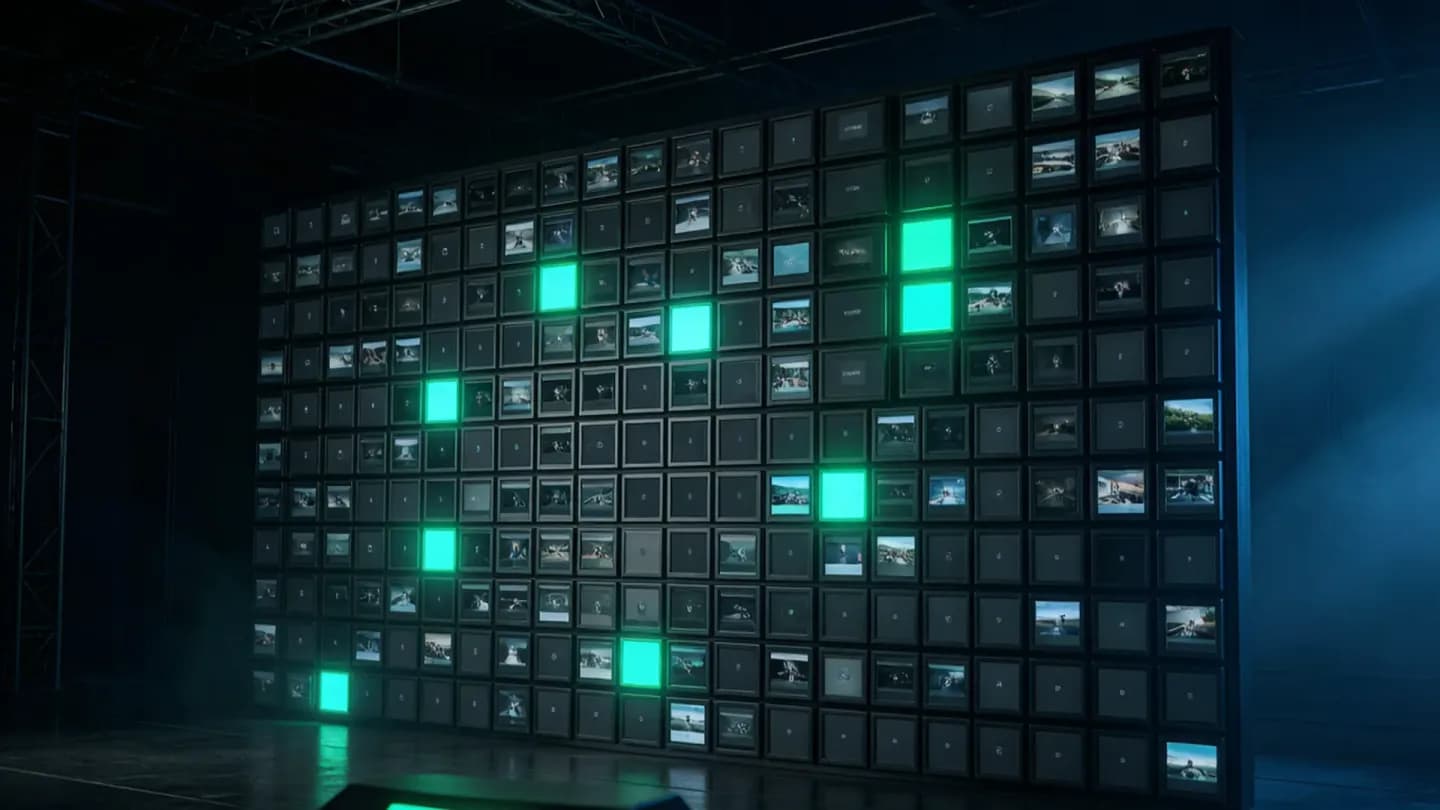
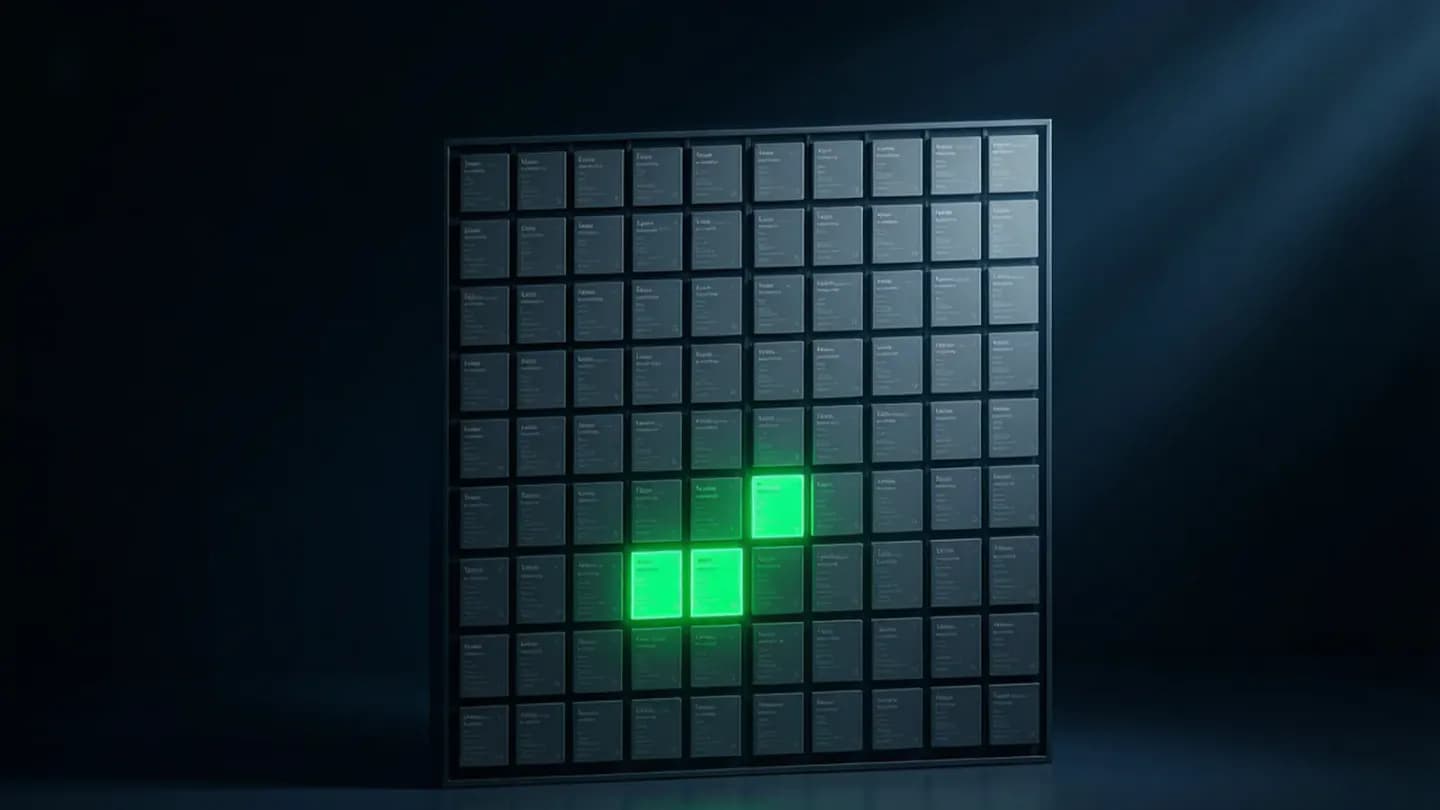
This is the creative yield gap: the ratio of generated output to output that actually ships. It is the single most under-measured metric in AI video production, and in practice it is usually far lower than teams expect when they first wire a generator into the pipeline. A team that generates forty clips for a launch and ships six is living a 15 percent yield, and most would not know that number without being forced to count.
What the creative yield gap actually costs
Low yield hides behind cheap generation. If you generate ten clips and ship three, the other seven were not free — they consumed prompts, compute, review hours, and stakeholder attention. The 2026 industry surveys that track AI marketing report that of roughly ten AI-generated materials only about three are directly usable, with quality instability and compliance risk each flagged by around 60 percent of practitioners. Those numbers are not an edge case; they describe the median team.
The deeper risk is brand erosion: the {{link}} shows why flooding feeds with cheap synthetic ads backfires. A low-yield pipeline does not just waste compute; it raises the odds that a sub-par clip is the one that ships because the team simply ran out of review bandwidth before the good ones were finished. When volume outruns judgment, the average shipped asset gets worse, not better.
Treat shippable fraction as a cost line, not a happy accident. A pipeline that lifts yield from 30 percent to 60 percent halves the generation you need to hit the same campaign volume — and halves the review load that actually burns budget. Yield is a lever, not a law of physics, and like any lever it rewards teams that measure it before they try to pull it.
The deeper risk is brand erosion: the AI creative quality ceiling shows why flooding feeds with cheap synthetic ads backfires.

Three reasons most AI clips never ship
The first reason is quality. Raw generations fail more often than teams like to admit: flicker, face morphing, temporal drift, and broken hands or text show up routinely in first-pass output. {{link}} is where they get cleaned before a cut is allowed to ship, and skipping that step is how rough clips leak into review. The 2026 brand studies around AI creative back this up — teams that tried fully automated content reported quality issues more than 70 percent of the time.
The second reason is compliance. Platforms now treat undisclosed synthetic content as a removal trigger. YouTube requires disclosure of photorealistic or meaningfully altered AI content and penalizes consistent non-disclosure with manual labels, content removal, or Partner Program suspension. An asset that looks great but misses its disclosure gate never ships, and the miss is usually caught after the render, not before it.
The third reason is drift — characters, products, and brand elements that the model rebuilds differently on every shot. When the engine re-derives the face each frame, the result is technically 'generated' but commercially unusable, because no two shots agree on what the hero looks like. These three failure modes account for most of the drop from generated to shippable, and none of them is fixed by generating yet another variant.
fixing AI video artifacts in post is where they get cleaned before a cut is allowed to ship, and skipping that step is how rough clips leak into review.
The levers that recover yield
Yield is recoverable, and it is recovered in post rather than in the prompt. A pre-delivery pass through a defined {{link}} is what separates a clip that ships from one that gets silently dropped. The gate is cheap to run and catches the failures that would otherwise eat the whole review budget, which is why high-volume teams treat it as the first line of defense rather than a final polish.
Most of the recovery happens in post: {{link}} is how loose, unrelated generated clips become a commercial that holds together. Assembly — continuity, sound, color, delivery — is where a pile of clips becomes one shippable cut instead of ten almost-clips. The generator produces raw material; the edit is what turns it into something a media buyer would actually run.
The third lever is provenance. C2PA Content Credentials attach a tamper-evident record of an asset's origin and edits, so buyers and platforms can verify what is real. A clip that carries its own provenance ships with less friction than one that has to be trusted on faith, which is exactly why provenance is becoming table stakes for AI-generated media and why buyers increasingly ask for it by name.
A pre-delivery pass through a defined AI video QC checklist is what separates a clip that ships from one that gets silently dropped.
Most of the recovery happens in post: editing AI-generated video is how loose, unrelated generated clips become a commercial that holds together.

Measure yield like a production metric
The teams that close the gap instrument it. Track the generate-to-ship ratio per campaign, the rework rate per clip, and a kill threshold below which a variant is retired instead of polished forever. IAB's 2026 data shows buyers want humans in the loop (40 percent) and an AI agent audit trail for explainability (36 percent) — both are yield controls, not adoption theater, and both only matter once you can see the gap you are trying to close.
None of this requires less AI. It requires treating generation as the cheap first step and review, editing, and provenance as the steps that actually decide whether anything ships. Close the creative yield gap and the same compute produces roughly twice the campaign — without a bigger budget or a longer timeline. The generator was never the constraint; the pipeline around it was.
Put the framework into production
These related pages connect the article’s planning advice to a specific commercial scope.
References
- 2026 IAB Digital Video Ad Spend & Strategy Full ReportIAB
Nearly two-thirds of video buyers now use GenAI for digital video creative (up from half in 2025); one-third of ad assets leverage GenAI this year, projected to reach 43 percent by 2027. 43 percent of buyers express low confidence in inventory quality, 40 percent want humans in the loop, and 36 percent want an AI agent audit trail for explainability.
- C2PA — Content CredentialsC2PA
Content Credentials are an open technical standard that attaches a tamper-evident provenance record — the origin and edit history of a digital asset — functioning like a 'nutrition label' for media authenticity and transparency.
- Disclosing use of GenAI contentYouTube Help
YouTube requires creators to disclose photorealistic or meaningfully AI-altered content; creators who consistently fail to disclose face manual labeling, content removal, or suspension from the Partner Program.