What Creative Intelligence Actually Does
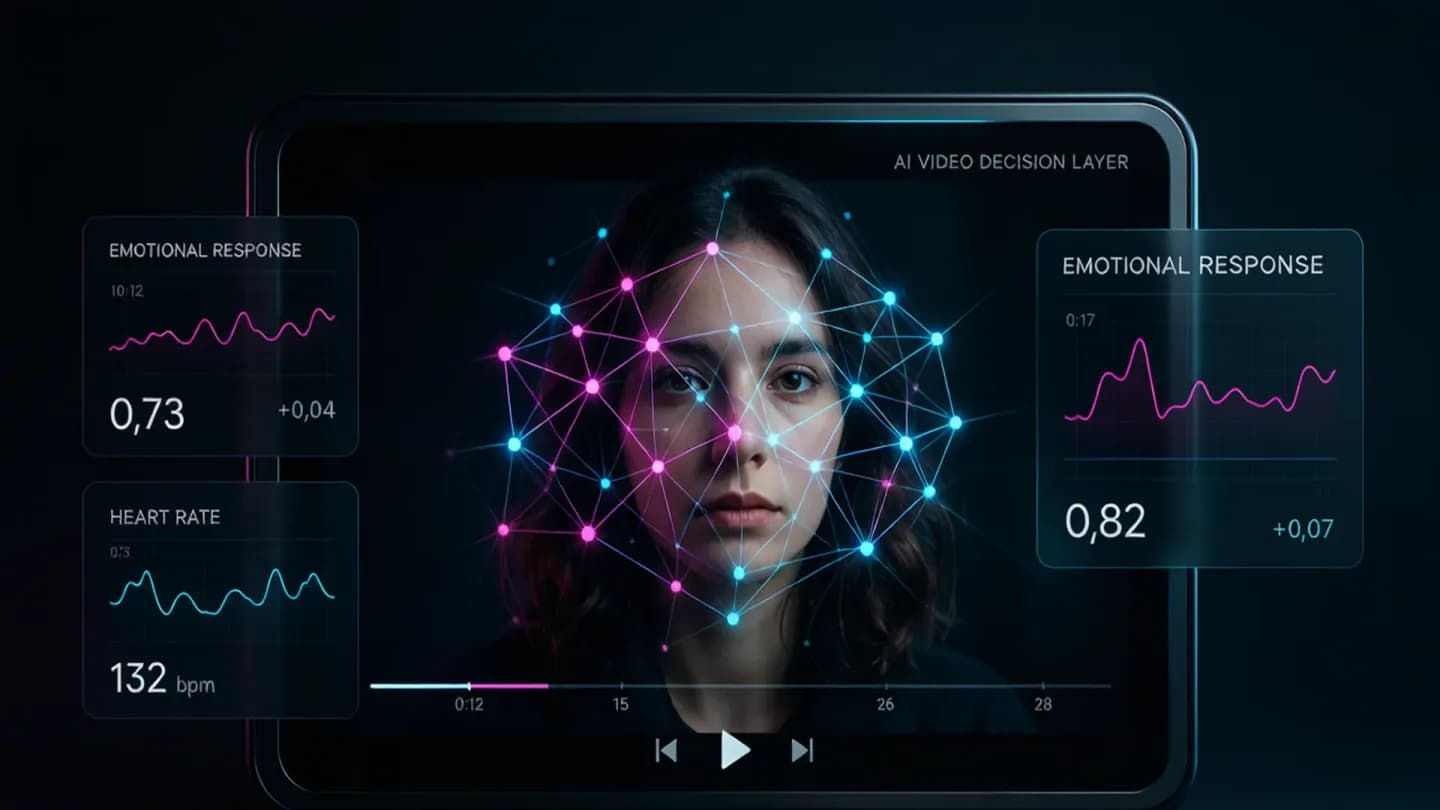
On August 13, 2026, Luma and Dumbstruck announced Creative Intelligence, a partnership that reframes AI video from a generator into a judgment system. Luma builds multimodal AI and the Luma Agents that edit video; Dumbstruck measures how audiences respond to advertising through AI-powered facial coding. Together they are selling something narrower and more useful than another model: a way to know which cut will land before a brand pays to put it in front of anyone.
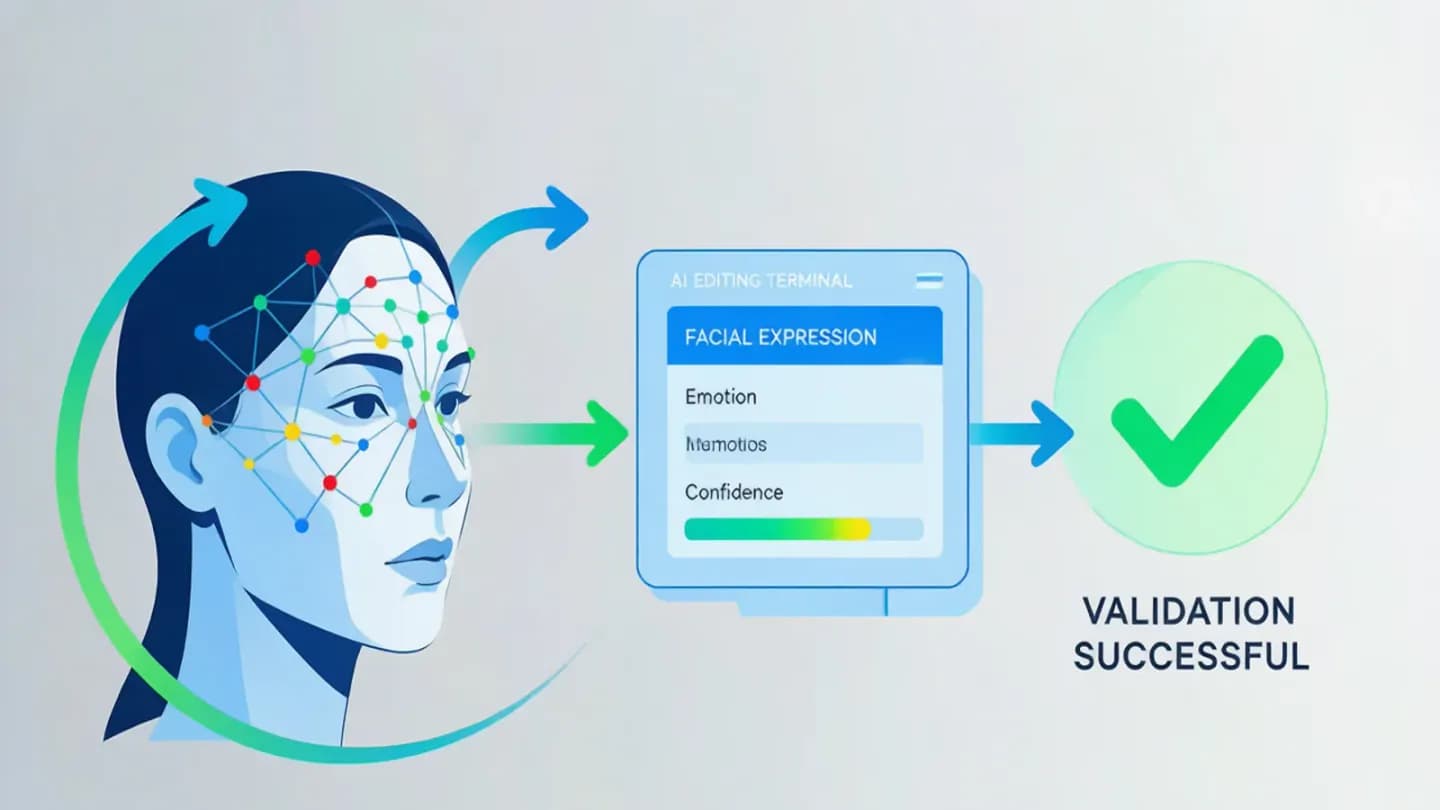
The mechanism is a closed loop. Dumbstruck first scores a video on emotional, behavioral, and cognitive response, flagging the moments that work and the ones that need help. Luma Agents then make precise, frame-by-frame edits to the existing asset, the kind of granular change that used to require a reshoot. Dumbstruck validates the revised version, and only then does the brand commit media dollars. The loop can repeat, turning creative development from a one-time deliverable into a continuously improving system.
Wayfair is named as an early explorer, using the combined stack to refine storytelling and localize creative for specific markets. The signal worth noting is not the demo but the direction: the companies argue the constraint in modern advertising is no longer how much a brand can produce, but what it should let reach the market. That is a different problem than the one text-to-video startups spent two years solving.
Why the Bottleneck Moved From Production to Judgment
For most of advertising's history the hard limit was capacity. Production was slow and expensive, so the question was how much a brand could afford to make. Generative video removed that ceiling: a team can now spin up dozens or hundreds of variants in an afternoon, and the marginal cost of one more cut is close to zero. Abundance solved the old problem and created a new one.
The industry already knew volume was not the answer: {{link}} showed that only 4 to 8 percent of ads win and the top teams test dozens of variants a week. More assets in the auction does not automatically mean better performance; it means more decisions to make under the same deadline. When anything is possible, the scarce resource becomes judgment about which possibility deserves a budget.
Creative Intelligence is an explicit bet on that scarcity. Instead of helping brands make more, it tries to tell them which make is worth making, and to validate the choice with real human response data rather than a stakeholder's gut feel. The pitch is less about speed than about removing uncertainty before spend, which is where most wasted media actually lives.
The industry already knew volume was not the answer: AI video creative testing benchmarks showed that only 4 to 8 percent of ads win and the top teams test dozens of variants a week.
Emotion Analytics Is the Measurement Half of the Loop
The measurement side rests on emotion analytics, and that is where Dumbstruck's contribution matters. Rather than asking viewers to self-report on a survey, the system reads emotional, behavioral, and cognitive signals from how people actually respond to a frame. That shifts creative testing from opinion to evidence: a cut is not good because the room liked it, it is good because response data says the audience leaned in at the right beat.
For commercial teams, the win is earlier and cheaper feedback. Traditional pre-testing means focus groups, panels, or small live splits that take weeks and burn budget before a conclusion. Embedding measurement into the production loop compresses that to something a team can run between drafts. The result is still a human judgment call, but it arrives with a rationale attached instead of a hunch.
The limitation to keep honest is that emotion analytics measures reaction, not truth. A frame can score well on engagement and engagement can still make a claim the brand cannot substantiate, or still need disclosure under 2026 labeling rules. Measurement improves the odds of resonance; it does not remove the separate obligation to make sure the message is accurate and compliant.
Where This Fits the AI Video Workflow Teams Already Run
The editing half is where Luma Agents earn their place. Creative Intelligence does not regenerate a video from scratch; it takes an existing asset and makes targeted changes, tightening a hook, adjusting a sequence, or re-cutting for a local market. That is a meaningfully different job than generation, and it is the part of the pipeline where most teams already spend their revision budget.
For teams already wrestling with {{link}}, the appeal is obvious: frame-by-frame changes that once needed a reshoot now happen in a single sitting. The closed loop pairs that editing precision with the measurement layer, so a change is not just fast but validated against response data before it ships. Localization benefits most, because the same loop can adapt one master to many markets without re-shooting each version.
Practically, this slots next to the tools teams use today rather than replacing them. A brand can keep its existing generation model and its existing edit suite, and add Creative Intelligence as the decision and validation step on top. The integration story, agents that route tasks across models and make production-grade edits, is what makes the loop feel like infrastructure instead of a one-off demo.
For teams already wrestling with editing AI-generated video, the appeal is obvious: frame-by-frame changes that once needed a reshoot now happen in a single sitting.
Provenance and Governance Still Travel With the Asset
Adding a measurement layer does not reduce the governance load on AI-edited creative. The output is still a generated or AI-altered video, which means provenance, disclosure, and rights obligations travel with the asset wherever it goes. A validated cut is not an exempt cut.
Content provenance standards let a brand record that a frame was generated or edited by AI and attach that record to the file itself. None of this removes the trust tax on generated ads; {{link}} still accumulates when synthetic creative feels inauthentic to viewers. Provenance earns its keep precisely when creative is edited automatically at scale, because a reviewer can confirm at a glance what was generated, what was changed, and who approved it.
Human oversight stays mandatory. The loop can recommend and execute, but the brand still owns the decision to ship, and the accountability for any claim the video makes. Automating the edit does not automate the responsibility; if anything, editing faster raises the stakes on getting sign-off right before media spend.
None of this removes the trust tax on generated ads; AI video brand trust still accumulates when synthetic creative feels inauthentic to viewers.

What Commercial Teams Should Pilot First
The sensible entry point is not a flagship campaign but a library of existing variants. Take cuts you already produced, run them through the measurement layer, and see whether the response scores line up with the performance you actually saw in market. That gives you a calibration baseline before you trust the system on net-new creative.
Set one decision metric up front, completion, hook retention, or claimed-message recall, and resist the urge to optimize for the score itself. The point of Creative Intelligence is to reduce uncertainty about which creative deserves budget, not to gamify a number. Keep a named owner who signs off on every cut, because an automated loop with no accountable human is just a faster way to ship a bad decision.
That discipline is exactly what the {{link}} measures: most teams use AI but few can prove it moved a real number. Creative Intelligence is most valuable to the teams that already treat creative as a measurable system rather than a series of one-off bets. For everyone else, it is a forceful reminder that in the age of unlimited generation, the winning edge is judgment, and judgment is the one thing abundance cannot manufacture.
That discipline is exactly what the AI marketing maturity gap measures: most teams use AI but few can prove it moved a real number.
Put the framework into production
These related pages connect the article’s planning advice to a specific commercial scope.
References
- Luma + Dumbstruck 'Creative Intelligence': AI Video That Knows What WorksAI Video Advisor
Luma and Dumbstruck launched Creative Intelligence in August 2026, a closed-loop system where Dumbstruck measures audiences' emotional, behavioral, and cognitive responses to a video, Luma Agents execute frame-by-frame edits, and Dumbstruck validates the result before media spend.
- CMO Barometer 2026Serviceplan Group
68% of the 805 marketing leaders surveyed say AI will be the defining topic of 2026, underscoring how mainstream AI decision tooling has become for brand teams.
- C2PA — Content CredentialsCoalition for Content Provenance and Authenticity
Content Credentials record a file's origin and edits, letting brands attach verifiable provenance to AI-generated and AI-edited media wherever it travels.