What the 2026 data actually shows
Social video watch-time retention—not view counts—is now the metric that decides whether a video compounds. Metricool's 2026 study of 799,718 videos found views climbing while engagement, monetization and per-viewer attention all fell. The takeaway for commercial teams is blunt: a view is a click, but watch-time is the relationship.
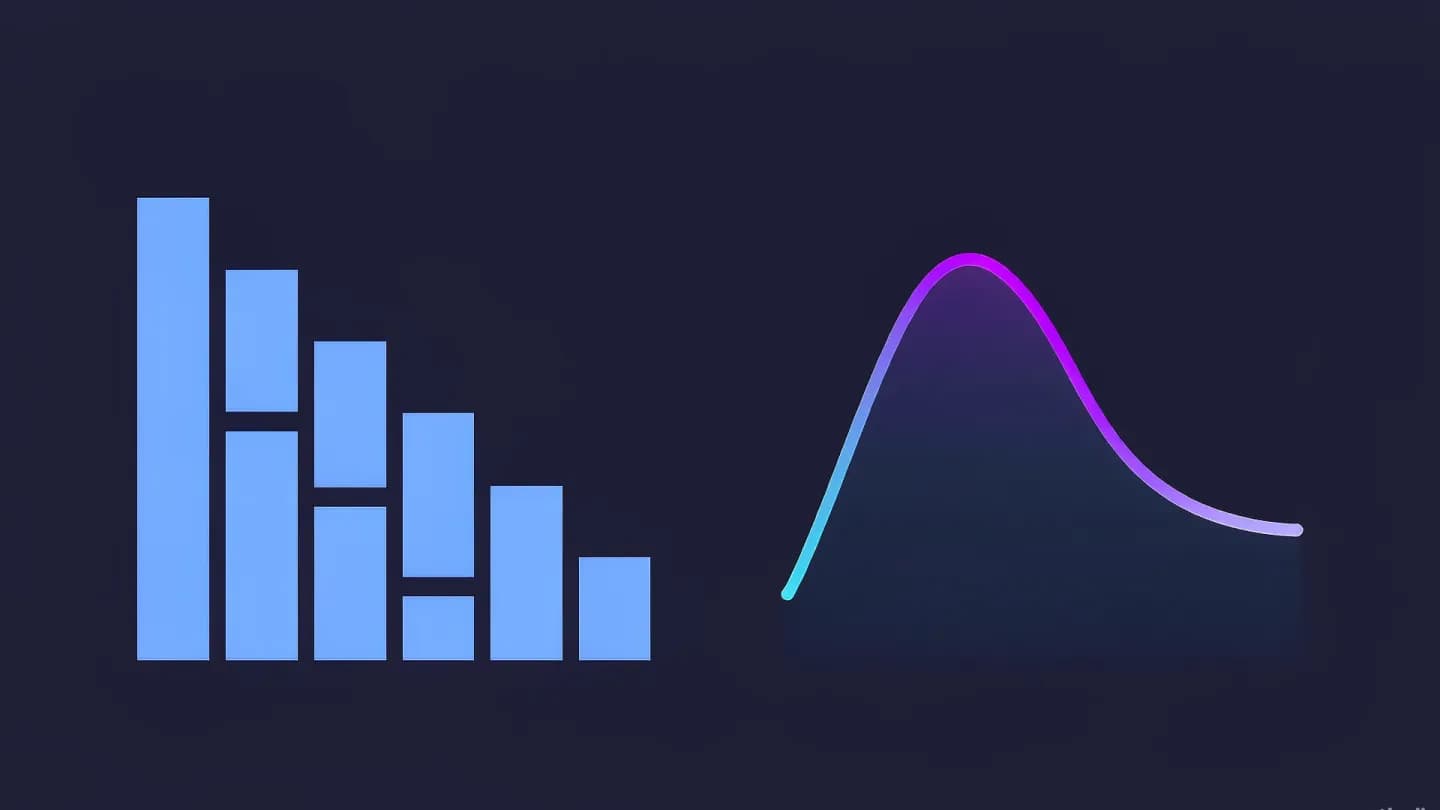
Metricool analyzed 799,718 videos from 71,177 accounts, comparing February 2025 with February 2026. Long-form views rose 76% year over year, yet engagement fell 45%. Shorts views jumped 127%, but viewers spent three times less time on each Short. The Shorts feed now drives 61% of all YouTube views—more discovery than ever, yet less depth per view.
The 45% engagement drop set against a 76% rise in long-form views is the kind of divergence that {{link}} are built to expose. When reach is up and interaction is down, a blended view average hides the real story. Monetization tells it plainly: ad impressions, monetized playbacks and estimated ad revenue each fell more than 50% even as visibility grew.
Researchers labeled the pattern a slow-burn effect. A video can open weak, accrue watch-time for weeks, and out-earn a spike that evaporated in days. The finding reframes the job entirely: stop optimizing for the first-scroll impression and start engineering for the second, third and tenth minute, because that is where the compounding actually happens.
For production teams this is a scheduling problem as much as a creative one. A cut built to win the first three seconds but lose the next thirty is optimized for a metric that no longer pays. The slow-burn lens asks a different question: what would make a stranger stay for the whole thing?
The strategic implication is that slow-burn assets deserve a different budget model. Because their value accrues over weeks, judging them on day-one views systematically undervalues the format that actually builds the audience, and it pushes teams back toward spikes that never compound.
The 45% engagement drop set against a 76% rise in long-form views is the kind of divergence that engagement benchmarks are built to expose.
Why watch-time retention beats attention
A view that earns a glance but no second watch is the exact {{link}} commercial teams keep mistaking for demand. Discovery metrics reward the hook; they say nothing about whether the brain bothered to encode what it saw. That gap is precisely where most social video ROI leaks away.
A 2026 study in Communications Psychology makes the mechanism concrete. Researchers showed 180, then 185, students identical factual content—once as a continuous video, once chopped into fragmented short clips. The short-video group scored lower on immediate recall and forgot significantly more by the next day. fMRI scans showed fragmented clips destroyed the higher-level brain synchrony needed for deep encoding, leaving viewers alert but not absorbing.
Short-form discovery buys reach, but it does not buy the sustained focus that {{link}} measures. Rapid context switching traps attention in bottom-up sensory processing: viewers are awake to the next cut but blind to the message. For commercial teams, the danger is that a high view count on a fragmented asset can coincide with zero message retention—the worst combination for brand memory.
This is why watch-time retention outperforms raw views as a signal. A viewer who stays is a viewer who is encoding; a viewer who bounces after the hook may have been counted, but they were never convinced. The metric that survives the slow-burn is the one that measures staying, not merely arriving.
Practically, this means the open should earn a promise, not just a reflex. A hook that makes the viewer lean in for an answer they can only collect by staying converts attention into retention—the exact swap commercial teams keep missing when they optimize for the first frame alone.
A view that earns a glance but no second watch is the exact attention-without-conversion trap commercial teams keep mistaking for demand.
Short-form discovery buys reach, but it does not buy the sustained focus that attention split measures.
Watch-time is what platforms silently reward
The reason retention compounds is structural, not aesthetic. Recommender systems are explicitly optimized around watch-time because it proxies satisfaction far better than a single play event. When a video holds viewers, the algorithm ships it to the next cohort, and the next—compounding reach without a single extra dollar of paid media behind it.
This is not speculation. The SWaT framework (arXiv:2408.07759, KDD '25) states that estimating video watch time 'has been highlighted by the rising importance of (short) video recommendation, which has become a core product of mainstream social media platforms.' Its online A/B test ran on a platform with hundreds of millions of daily-active users and confirmed watch-time is the signal distribution is tuned to reward.
So the slow-burn effect is really a feedback loop. Retention earns distribution; distribution earns more retained viewers; the curve bends upward over weeks instead of spiking and dying in a day. Commercial teams that treat watch-time as a creative brief input—not a post-hoc report—are the ones whose videos keep showing up in feeds they never paid to enter.
The operating lesson is to brief creators on a hook-plus-payoff structure rather than a hook-only one. Platforms reward the held viewer, so the second minute is not a fallback; it is the unit of distribution that decides whether the first minute was worth buying.
Teams that internalize this stop celebrating viral spikes and start instrumenting for durability. The compounder is rarely the loudest launch; it is the cut the algorithm keeps handing to strangers because those strangers kept watching past the part that was designed to stop their scroll.
Watch-time retention: the metrics that survive the slow-burn
If views lie and watch-time tells the truth, the practical question is which dashboard to trust. Start with audience-retention curves: where does the line bend, and does it hold past the hook? A curve that stays flat through minute three is worth more than one that spikes and craters in ten seconds.
Most teams still read a blended view average and conclude the channel works, which is why {{link}} matters more than ever. A blended number mixes your slow-burn winners with your one-day wonders and reports a comfortable lie. Segment by format, by length and by cohort, and the real retention leaders surface where they always were—buried under the average.
Pair retention with a completion-rate floor and a return-viewer count. Return viewers are the purest signal that watch-time became loyalty—the exact outcome the slow-burn effect describes. When those three move together, reach is finally measuring impact instead of noise, and budget stops chasing the wrong spike.
Review cadence matters too. Because the slow-burn curve reveals itself over weeks, check retention at day seven and day thirty, not only at launch hour, or the compounding that decided the result will be invisible to the team already optimizing the next cut.
Most teams still read a blended view average and conclude the channel works, which is why benchmark literacy matters more than ever.
A retention-first production checklist
Turning this into process is straightforward. Lead with a promise the viewer can only collect by staying—not a gag they get in two seconds. Front-load the value, then defend it with structure that rewards continued attention rather than a single scroll-stopping frame at the open.
For AI-generated cuts, resist the urge to maximize novelty density. The neuroscience is clear: constant scene changes fracture encoding and trap the brain in sensory tracking. Build a coherent narrative arc even in short formats, and let the model extend a scene instead of cutting to a new one on every beat, so the viewer has somewhere to land.
Measure before you scale. Read the retention curve on the first cut, find the bend, and re-edit the weak segment before putting budget behind distribution. A video that retains is a video the platform will keep handing to new audiences—the slow burn that turns one asset into a month of organic reach instead of a single paid spike.
Finally, close the loop with the team. Share the retention curve the way you would share a performance dashboard, and let the bend—not the view total—set the next creative decision. That single habit is what separates teams that chase reach from teams that compound it.
Treat the retention curve as a creative spec, not a post-mortem. When the brief names the minute where the bend should hold, the editor has a target and the platform has something worth distributing for longer than a day, which is the entire point of building for the slow burn.
Put the framework into production
These related pages connect the article’s planning advice to a specific commercial scope.
References
- Metricool's 2026 YouTube Study: A Slow Burn EffectMetricool
Metricool's 2026 YouTube Study analyzed 799,718 videos from 71,177 accounts (February 2025 vs February 2026) and found long-form views rose 76% year over year while engagement fell 45%; Shorts views rose 127% but viewers spent three times less time per Short; the Shorts feed drove 61% of all YouTube views while ad impressions, monetized playbacks and estimated ad revenue each fell more than 50%. Researchers labeled the pattern a 'slow-burn effect' where reach no longer equals impact.
- Learning via short videos impairs memory accuracy and reduces brain synchronyPsyPost (reporting Communications Psychology, DOI 10.1038/s44271-026-00476-x)
A 2026 study in Communications Psychology (Wei, Dong et al., Yunnan Normal University) had 180 then 185 students watch identical factual content as either a continuous video or fragmented short clips. The short-video group scored lower on immediate recall and forgot significantly more by the next day; fMRI scans showed fragmented clips destroyed higher-level brain synchrony, trapping attention in bottom-up sensory processing. The authors conclude rapid context switching impairs the deep encoding required for long-term memory.
- SWaT: Statistical Modeling of Video Watch Time through User Behavior AnalysisarXiv (KDD '25)
SWaT (arXiv:2408.07759, KDD '25) states that estimating video watch time 'has been highlighted by the rising importance of (short) video recommendation, which has become a core product of mainstream social media platforms,' and that watch-time models must account for varying user behavior modes and non-stationary watching probability across the progress bar. An online A/B test on a platform with hundreds of millions of daily-active users confirmed the framework, showing watch-time is the signal platforms optimize distribution around.