Why UGC ads usage rights need three authorizations before paid media
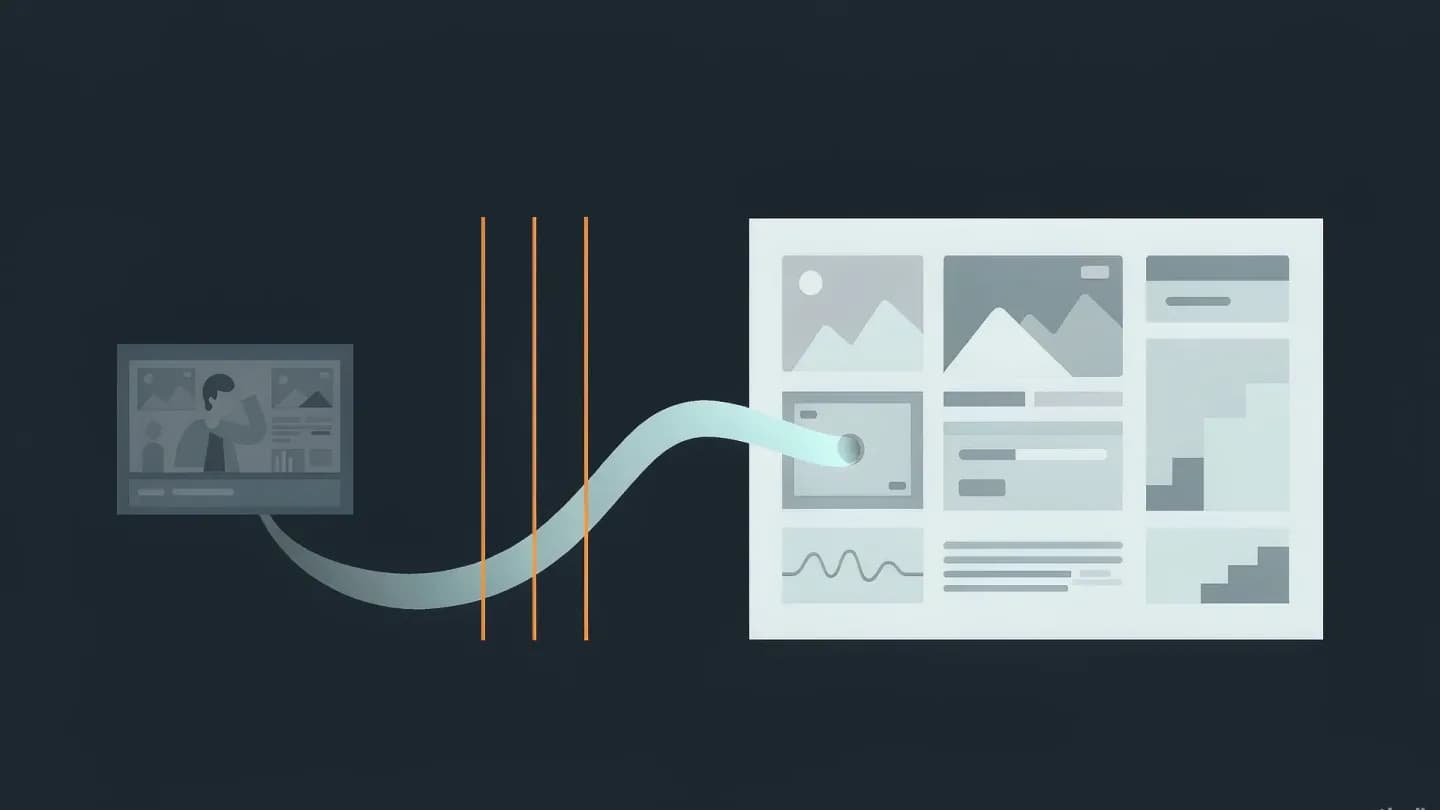
UGC ads usage rights decide whether a creator clip can legally run as paid media. Before that clip becomes an ad it needs three separate authorizations: a usage-rights grant in the contract, a platform whitelisting authorization, and a disclosure that survives every placement. Most brands negotiate the first and improvise the other two.
An organic creator post and the same clip running as paid media are two different legal objects. The first is the creator's speech under a commercial relationship; the second is your advertisement, built from their asset, aimed at an audience you bought. Everything downstream follows from that distinction: disclosure, monitoring, take-down, expiry. It is also the distinction most creator briefs leave out.
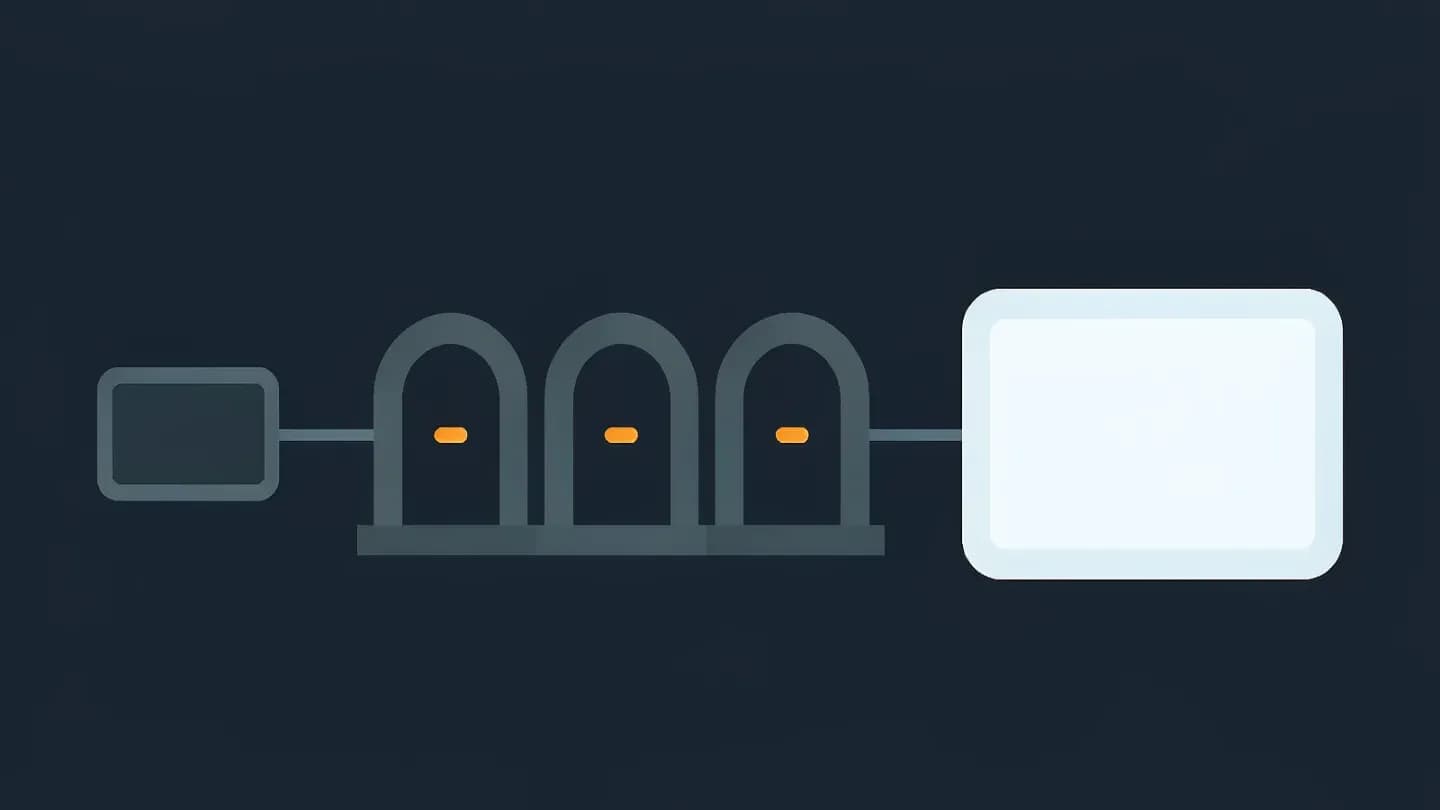
The usage-rights grant says what you may do with the file: run it as an ad, for how long, in which markets, with what exclusivity. The whitelisting authorization is a platform mechanism, not a contract clause. The disclosure layer is regulatory: the FTC holds advertisers responsible for the endorsements they disseminate, and UK rules require marketing communications to be obviously identifiable as such.
Teams that already license {{link}} tend to assume creator content works the same way. It does not. A stock license is a property transaction, while a creator clip carries the creator's own claims and persona into your media plan. The contract has to cover both the file and the speech.
Teams that already license stock B-roll tend to assume creator content works the same way.
What the FTC actually holds you responsible for
The FTC's Endorsement Guides FAQ is blunt about where enforcement lands: if law enforcement becomes necessary, the focus usually will be on advertisers or their ad agencies and public relations firms. A rogue creator is not your defense. The FTC expects advertisers to run reasonable programs to train and monitor network members, telling them what they can and cannot say, instructing them how to disclose the connection, periodically searching for what they post, and acting when something looks wrong.
Two operational lines from the same guidance matter most for UGC pipelines. First, pre-approval beats monitoring: it is much easier to review posts before they are posted than to search for them afterwards. Second, outsourcing does not transfer liability, because delegating part of a promotional program to an outside company does not relieve the advertiser of responsibility under the FTC Act. That is the same liability surface we mapped in {{link}}, now applied to ordinary creator content.
Disclosure is per-placement, not per-relationship. The FTC says to use disclosures in each ad, to judge each ad as if viewed in isolation, and to disclose the connection in whatever language the endorsement is made. Monitoring runs for the length of the contract plus a reasonable time, such as a few months, after it expires. That tail obligation is the piece most media plans quietly drop once the creator invoice is paid.
That is the same liability surface we mapped in the fake-testimonial enforcement wave, now applied to ordinary creator content.
Whitelisting is a platform grant, not a contract clause
On TikTok, whitelisting runs through the brand partner tag. Per TikTok's own help documentation, by tagging a brand partner a creator can proactively provide ads and anchors for Spark Ads usage by default for 60 days, without waiting on authorizations or applying to participate in a campaign. The creator grants the ad authorization and the anchor authorization, the right for your brand to append campaign links to their video, in one action. The tagged post then surfaces in Content Suite for the brand to activate.
Two properties of that grant get missed. It is time-boxed: the default is 60 days, after which the authorization lapses and the clip is no longer runnable as an ad without a fresh grant. And the disclosure label is sticky. Once a post is published as a paid partnership it cannot be changed, so a mislabeled creator post has to be removed and reposted rather than edited.
YouTube's mechanism is a declaration rather than a grant. The creator checks the paid promotion box in YouTube Studio, and YouTube automatically shows a disclosure message at the start of the video for ten seconds, with static intro captions limited to five seconds and end cards confined to the final thirty. The platform states that creators and the brands they work with must understand and comply with local legal obligations to disclose paid promotions, and that in the UK and EU sponsorship may be prohibited in videos classified as made for kids under the AVMSD.
Write the usage-rights checklist into the deal before the first post
The contract layer is where usage rights either exist or do not. A usable UGC license names the scope, organic only or paid media, the territory, the term, exclusivity, and whether the brand may edit, crop, or re-cut the creator's footage for other aspect ratios. Teams that treat this as paperwork tend to discover the gap at the whitelisting step. The same {{link}} that governs archival and licensed footage applies to creator assets.
Tie the authorization window to the media plan, not the invoice. If the campaign runs for eight weeks, a 60-day default grant expires mid-flight; either the creator re-authorizes or the media plan shrinks to the authorization window. Brands buying creator clips for always-on libraries need a term measured in years with a renewal mechanism, not a per-campaign window.
Add the clauses that only matter later: a take-down obligation if the creator deletes or restricts the original post, a re-authorization trigger when the window lapses, and a monitoring tail that survives the campaign. The FTC's expectation of post-contract monitoring is the compliance reason for the tail; the brand-safety reason is that your paid media can keep running footage the creator has since walked back.
The same chain-of-title discipline that governs archival and licensed footage applies to creator assets.
Where UGC licensing breaks: expiry, drift, and the stale endorsement trap
The FTC also polices staleness: an endorsement may be used only as long as you have good reason to believe the endorser still uses the product, and if the product has changed it is best to get new endorsements. A two-year-old creator clip sitting in an always-on ad set is not a reusable asset; it is an unverified claim with a familiar face. Refresh windows belong in the media plan, not in an archive.
Separately, authorization is not acceptance. The FTC's guidance on featuring customer comments notes that if people had reason to expect a benefit, even the chance of being featured in an ad, that fact should be disclosed in the advertising. Consent to be filmed and consent to be advertised to are different consents, the {{link}} point applied to UGC, and audiences can tell the difference.
The UK's CAP Code closes the loop on presentation: marketing communications must be obviously identifiable as such, and marketers must not falsely claim or imply that they are acting as a consumer. A creator clip running as paid media with no label fails both tests at once, because it reads as organic speech while functioning as an ad.
Consent to be filmed and consent to be advertised to are different consents, the consent-versus-reception point applied to UGC, and audiences can tell the difference.
The pre-launch checklist: seven lines before any creator clip runs as an ad
Before any creator clip becomes paid media, seven lines need a yes. The contract grants paid-media usage with named scope, territory, term, and exclusivity. The creator has completed the platform's whitelisting authorization and you know its default window. The authorization outlives the flight, or a re-authorization is scheduled. The disclosure is written per placement, in the right language, and judged in isolation. The creator's claims were pre-approved and match the current product. Take-down and post-term monitoring clauses exist. And the ad is labeled so a viewer can tell it is an ad.
None of this is exotic. It is the licensing discipline the industry already applies to footage it pays to rent, applied to footage it persuaded someone to make. The brands that get UGC right treat the creator clip as paid media from the first brief, because the moment it runs as an ad, that is exactly what it is.

Put the framework into production
These related pages connect the article’s planning advice to a specific commercial scope.
References
- The FTC's Endorsement Guides: What People Are AskingFederal Trade Commission
FTC Endorsement Guides FAQ: if law enforcement becomes necessary the focus usually will be on advertisers or their ad agencies and public relations firms; advertisers need reasonable programs to train and monitor network members, including telling them what they can and cannot say and how to disclose the connection; pre-approving influencer posts is easier than searching for them afterwards; delegating part of a promotional program to an outside company does not relieve the advertiser of responsibility under the FTC Act; endorsers should be monitored during the contract and for a reasonable time such as a few months after it expires; an endorsement may be used only as long as there is good reason to believe the endorser still uses the product.
- Paid promotion disclosures on YouTubeYouTube Help
YouTube paid promotion policy: creators must check the contains-paid-promotion box in YouTube Studio when a video includes a paid promotion, after which YouTube automatically shows a disclosure message at the start of the video for 10 seconds; static intro captions must not exceed 5 seconds and end cards must sit within the final 30 seconds; the page states that creators and the brands they work with must understand and comply with local legal obligations to disclose paid promotions, and that in the UK and EU sponsorship may be prohibited in videos classified as made for kids under the AVMSD.
- About the Brand Partner tag in content disclosure settingsTikTok for Business Help
TikTok help documentation: by tagging a brand partner a creator can proactively provide ads and anchors for Spark Ads usage by default for 60 days without waiting on authorizations or applying to participate in a campaign; all brand-partner-tagged content shows up in Content Suite for brands to easily find and activate as Spark Ads in their ads campaigns, and TikTok provides brands with post analytics for whichever ad they choose to run.
- CAP Code: Section 02 - Recognition of marketing communicationsAdvertising Standards Authority (UK)
UK CAP Code section 02, Recognition of marketing communications: rule 2.1 states that marketing communications must be obviously identifiable as such; rule 2.3 requires that marketing communications must not falsely claim or imply that the marketer is acting as a consumer or for purposes outside its trade, business, craft or profession, and must make clear their commercial intent if that is not apparent from the context.