What AI creative agents for video actually are
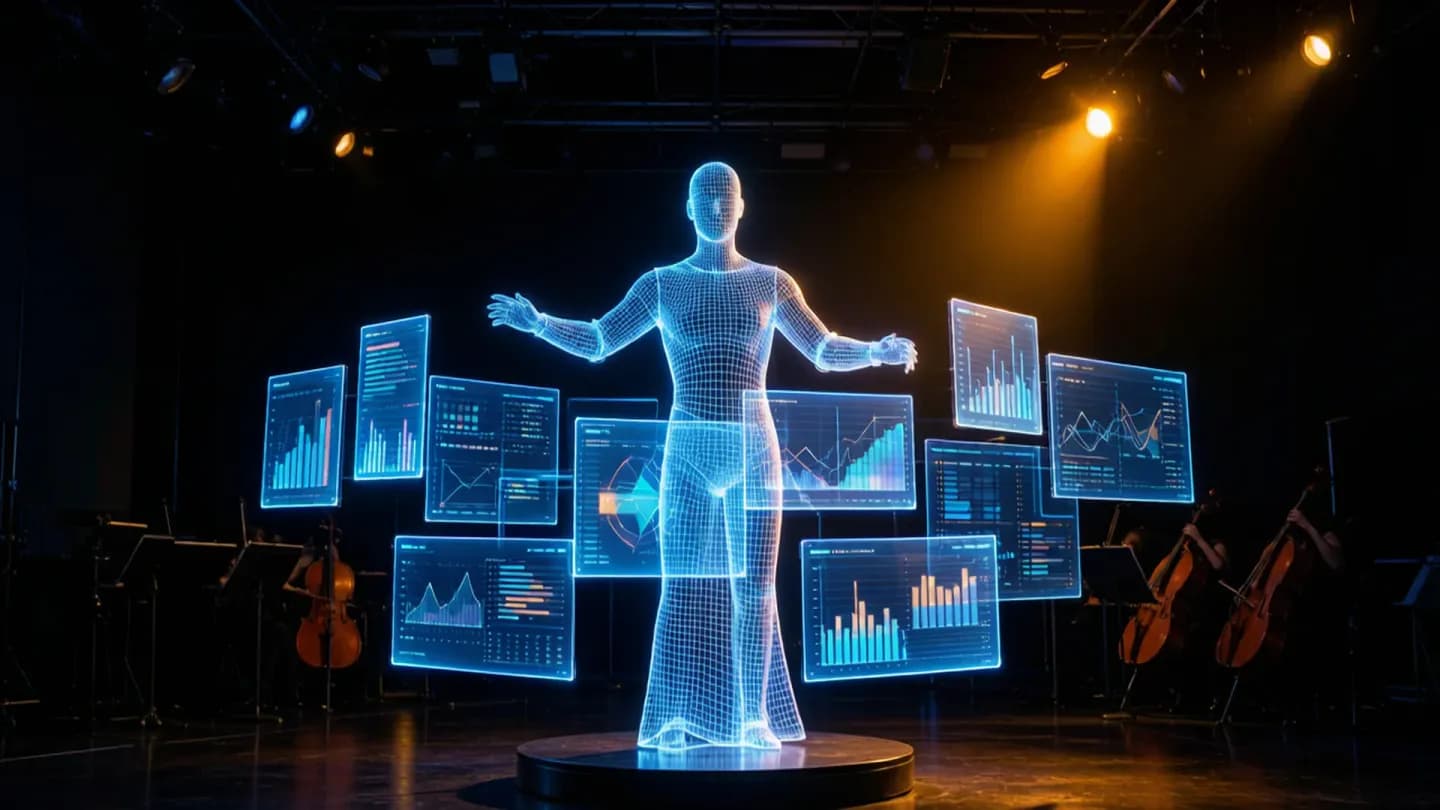
AI creative agents for video are systems that take a brief and drive a piece of work to delivery on their own — planning shots, calling generation models, checking their own output, and iterating until the result is good enough to ship. They are not a single text-to-video model, and they are not a prompt box. They are coordinators that reason about the whole job and route each step to the best tool for that step. Luma Agents, launched in March 2026, is the clearest commercial example: it plans and generates across text, image, video, and audio, and it coordinates other models such as Veo 3, Nano Banana Pro, Seedream, and ElevenLabs inside one persistent project. The defining trait is context — the agent remembers the brief, the brand rules, and every earlier iteration, so a late change updates consistency across every deliverable instead of forcing a restart.
Most teams still run a fragmented stack: one model for concept art, another for video, a third for voice, stitched together by people moving files between tabs. Every handoff loses context and reintroduces the brief. An agent collapses that stack into one loop where reasoning and rendering happen together, which is why its builders describe it as 'intelligence in pixels' rather than a generator you have to prompt by hand. The agent proposes, evaluates its own work, and refines — the same check-your-own-output loop that made coding agents useful, now pointed at the creative pipeline.
Why orchestration beats a pile of disconnected tools
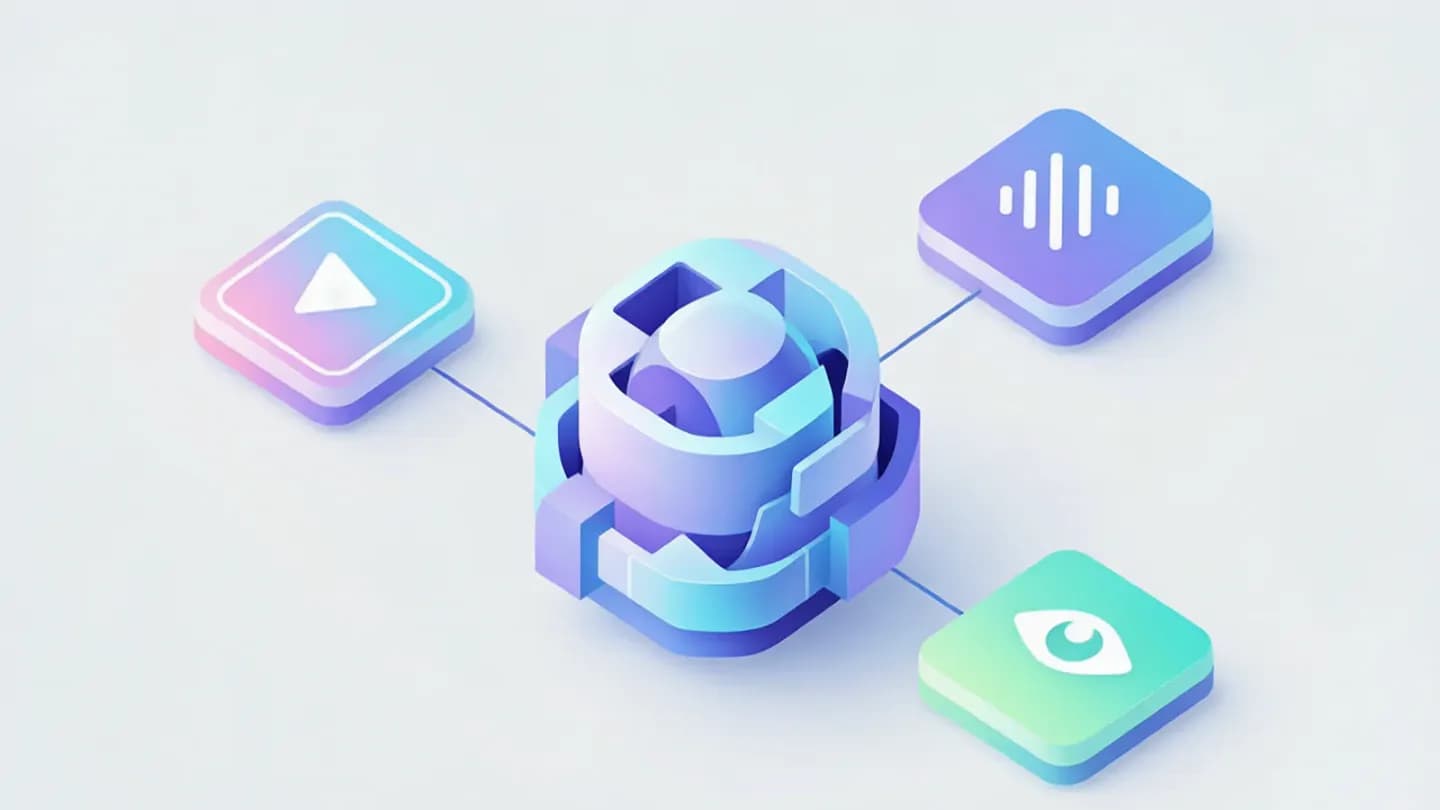
The pitch for creative agents is not that they render better pixels than any single model. It is that they remove the orchestration tax — the human hours spent coordinating tools, re-explaining the brief, and rebuilding context at every step. An orchestration agent is the next step after teams stand up an {{link}}. Once a pipeline exists, the natural move is to let software run it: pick the model, watch the output, and refine without a person babysitting each generation. The work that used to require a producer to wrangle five separate tools now runs as one conversational steering loop, where the human sets direction and the agent handles the plumbing.
There is a structural advantage too. Because the agent routes each task to a specialist model, it improves as the model field improves. A better image model ships and the agent simply routes there for stills; a faster motion model appears and the agent uses it for cuts. The brand is not locked to one lab's roadmap, and the team is not stranded when a model is withdrawn. That routing logic is exactly what a human producer does today, which is why agents extend producers instead of replacing them.
An orchestration agent is the next step after teams stand up an AI-native creative pipeline.
The provenance problem agents have to solve
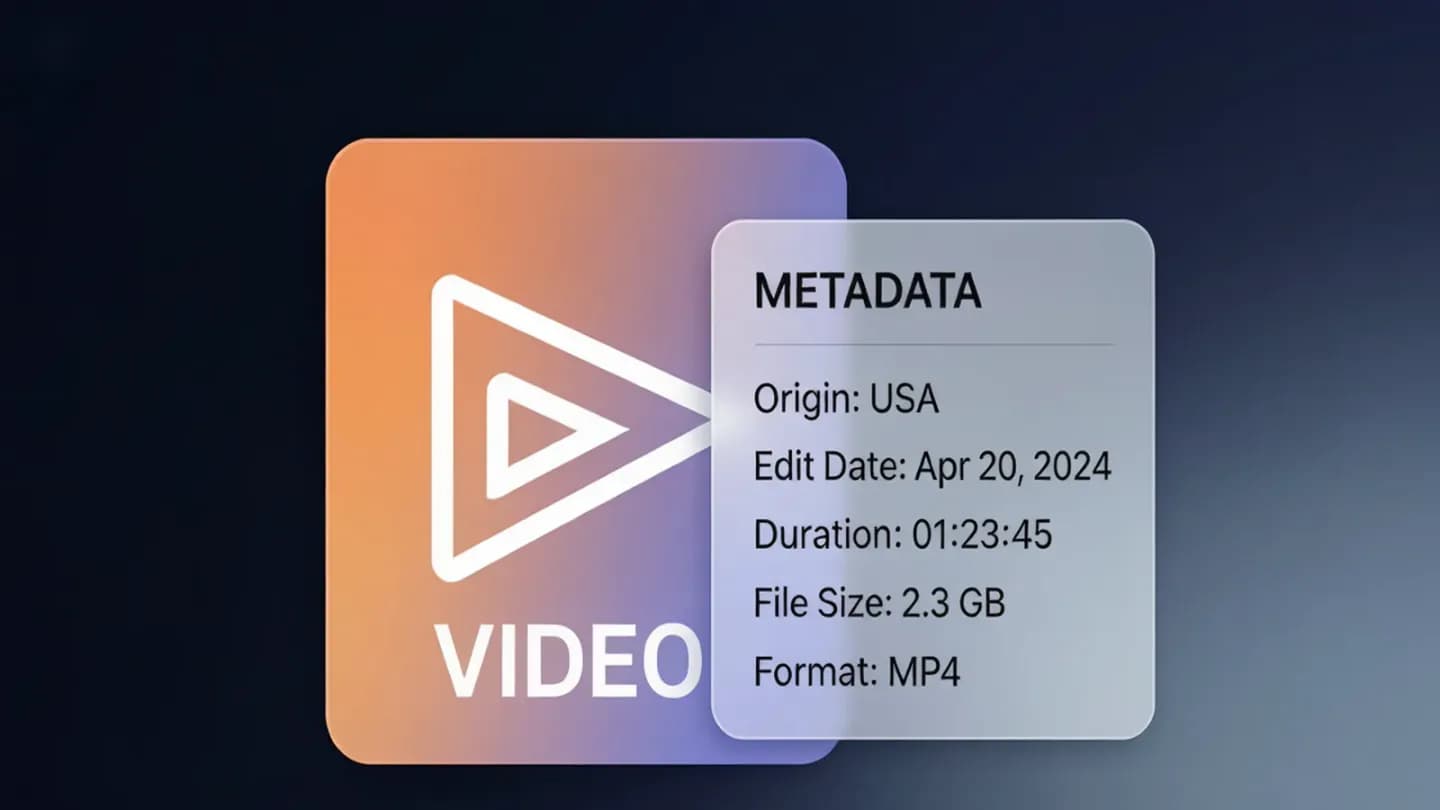
Agents generate fast and at volume, which makes provenance the first thing a commercial team has to get right. When a system produces dozens of variants a day, you cannot manually stamp each one with its origin and edit history. Every asset an agent ships should carry the {{link}} buyers now require. Content Credentials, the open C2PA standard, function like a nutrition label for a file: they record where the asset came from, what models touched it, and what a human reviewed. An agent is actually better placed than a person to attach that metadata automatically, because it already knows every step it took to make the asset.
Skip this and the risk is not only brand embarrassment. Regulators and platforms now expect disclosure on AI-generated ads, and buyers are starting to demand a provenance record before they will run a spot. An agent that files its own audit trail turns compliance from a manual afterthought into a by-product of production. That is the difference between a demo and a deliverable a media agency will actually accept.
Every asset an agent ships should carry the AI video creative audit trail buyers now require.
What the buy side already proved about agentic AI
Creative teams do not have to take the agentic bet on faith. The same agentic shift that is {{link}} is now reaching into production. The 2026 IAB Digital Video Ad Spend report found that two in three video buyers are already live, testing, or planning agentic AI for their campaigns, and the trade group described agentic AI as moving 'from experimental to operational.' If the buying side of the industry trusts agents to place and optimize spend, the creation side is only a step behind.
The lesson from buying carries over directly. Agentic systems win on volume and consistency, not on a single heroic output. The buy side learned to test many variants and let the system surface winners; creative agents apply the same logic to making those variants in the first place. The two halves of the workflow are converging on the same architecture, and the teams that already run agentic buying have a head start on agentic making.
The same agentic shift that is rewriting the media-buying brief is now reaching into production.
How to pilot creative agents without losing the brief
Start small and keep a human in the loop on taste. Agents extend a {{link}} rather than replacing the producer. The pilot that works is a narrow one: hand the agent a finished brief, a locked brand reference, and one repeatable job such as localizing a master into market cuts or generating a test array of hooks. Let it propose and the producer approve. Keep the brief as the contract, and treat the agent's output as drafts the producer can steer rather than final cuts.
Set guardrails before you scale. Define which decisions the agent may make alone, which need human sign-off, and what 'good enough to ship' means in writing. Require a provenance record on every asset and a human review step before anything goes public. Teams that skip the guardrails trade brand consistency for speed and find out only when a wrong shade of blue ships across fifty market variants at once.
Agents extend a producer-led AI video production workflow rather than replacing the producer.
Where this lands for commercial video teams
The practical takeaway is that creative agents are a new layer in the stack, not a replacement for the pipeline you already run. They sit on top of your models and your brand rules and absorb the coordination work that slows teams down. Used well, they compress the distance between a brief and a shippable cut from weeks to days, and they make high-variant testing cheap enough to actually do instead of talking about.
The teams that will pull ahead treat agents as collaborators with guardrails: persistent context, automatic provenance, human approval on taste, and routing to the best model for each step. That is a different operating model from 'here are a hundred models, learn to prompt them.' It is closer to hiring a junior orchestrator who never loses the thread and who files its own audit trail — which is exactly what a scaled commercial video team needs in 2026.
Put the framework into production
These related pages connect the article’s planning advice to a specific commercial scope.
References
- U.S. Digital Video Ad Spend to Surpass $80B in 2026IAB
Two in three video buyers are already live, testing, or planning agentic AI for 2026 campaigns; IAB describes agentic AI as moving 'from experimental to operational.'
- C2PA — Verifying Media Content SourcesC2PA
Content Credentials are an open standard that records the origin and edit history of digital content, functioning like a nutrition label for provenance.
- Cannes Lions 2026 Changes — AI Craft subcategoryCannes Lions
Cannes Lions introduced an AI Craft subcategory in 2026 for work that could not exist without AI, judging the craft where human creativity meets artificial intelligence.
- Luma launches creative AI agents powered by Unified IntelligenceTechCrunch
Luma Agents (March 2026) run end-to-end creative work across text, image, video, and audio, coordinating Veo 3, Nano Banana Pro, Seedream, and ElevenLabs; a $15M campaign was localized into market ads in 40 hours for under $20,000.