
An AI-generated commercial built in two days
In the spring of 2026, a prediction-markets platform aired an AI-generated commercial during a high-profile NBA Finals broadcast slot. The 30-second spot featured surreal, rapid-cut scenes built to echo the unpredictability of live events, and it reached millions of viewers in one of the most expensive advertising environments in American television. Production took roughly two days and cost about $2,000, a fraction of the seven-figure price tag attached to a traditional national spot.
The team worked with an AI filmmaker who used large language models to write the script and build a shot list, then fed those prompts into a video generation model to produce hundreds of short clips. The strongest takes were stitched into a finished cut without a crew, a location, or a post house. This was not a concept reel shown at a conference; it ran as paid media during a live sporting event.
What makes the case worth studying is not the novelty of AI video itself but the arithmetic it exposes. When a national broadcast commercial can be produced in days for the cost of a single social post, the constraint that has shaped video advertising for decades, production capacity, stops being the bottleneck. The rest of this article breaks down what that shift means for the teams who brief, produce, and approve commercial video.

The production bottleneck is gone
The Kalshi spot was a custom build by a specialist, but the capability it demonstrates is now being absorbed into the ad platforms themselves. Google integrated a video generation model directly into Google Ads, letting advertisers generate video from a text prompt or animate a product image already in their account. TikTok brought a flagship video model into its Symphony creative suite, and Meta shipped AI video tools inside Ads Manager that can apply generated voiceovers and build catalog-scale Reels.
What made a national spot buildable in two days is the same class of {{link}} now wired directly into the ad platforms. When the generation step lives inside the media-buying tool rather than in a separate production vendor, the handoff between idea and shippable asset collapses from weeks to minutes. That is a structural change, not a productivity tip.
For brand and agency teams, the practical consequence is that creative volume is no longer gated by how many shoots you can staff. The limiting factor moves from production throughput to the quality of the brief, the discipline of the review process, and the speed of the learning loop. The platforms are explicitly racing toward fully automated end-to-end ad creation, which makes those human controls more valuable, not less.
What made a national spot buildable in two days is the same class of platform-native AI video tools now wired directly into the ad platforms.
What the cost collapse actually changes
To put the $2,000 figure in context, a traditional national TV commercial typically runs into six or seven figures once you account for crew, talent, locations, post-production, and media. Even a modest brand film can consume a meaningful slice of a marketing budget before a single viewer sees it. The AI-generated alternative compresses that entire chain into prompt engineering, selection, and assembly.
The fall from a seven-figure traditional spot to a four-figure AI-generated one mirrors the per-clip economics our {{link}} lays out for 2026. When the marginal cost of an additional cut approaches zero, creative stops being a scarce asset that must be rationed across the calendar and becomes a renewable input you can deploy against any moment. That changes how teams should think about test-and-learn budgets.
The catch is that cheaper production does not automatically mean better performance. A $2,000 spot that fails to land still carries the media spend behind it, and the opportunity cost of a weak hero film is unchanged. The win from collapsing production cost is the ability to run more experiments, not an excuse to skip the strategy that makes them coherent.
The fall from a seven-figure traditional spot to a four-figure AI-generated one mirrors the per-clip economics our AI video production cost breakdown lays out for 2026.
Volume, not hero films, is the new unit of work
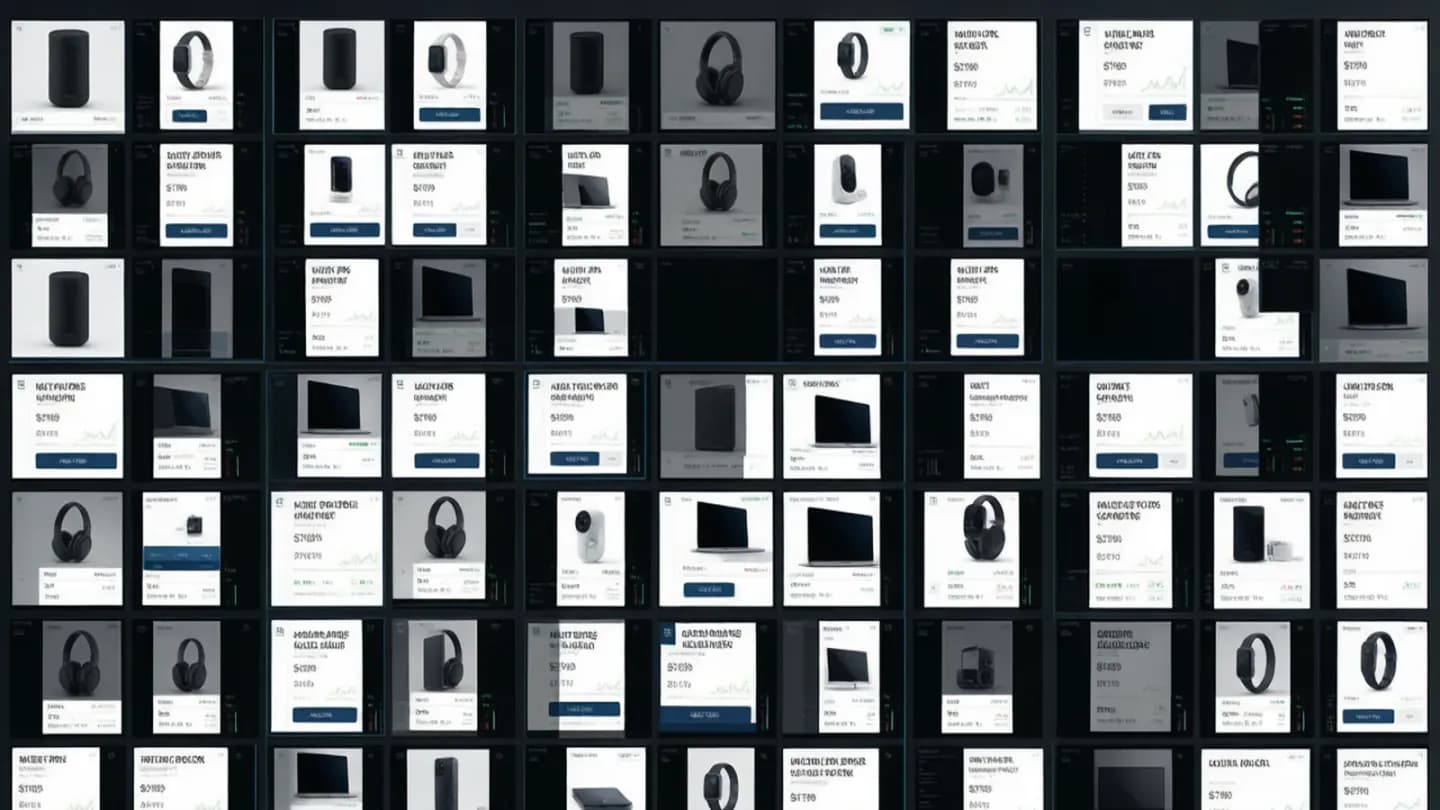
The same platform wave that enabled a two-day national spot also pushes toward a different unit of work: many variations rather than one polished film. One platform has described generating and testing thousands of ad variants before a human reviews a single one, letting algorithms surface the cuts that earn attention. For paid social, where auction systems reward fresh creative, variant volume is becoming a competitive input.
Meta's reported ability to generate and test thousands of ad variants before a human reviews one is the operational extreme of {{link}} for paid social. The brands that win the auction are often the ones submitting the deepest libraries, not the single cleverest spot. This mirrors what creator networks have found: reach is decided more by how many vetted clips you ship than by how perfect any one clip is.
For production teams, this reframes the job. Instead of perfecting one hero film, the work becomes designing a generation system, a brief, a reference library, and quality gates, that can reliably produce dozens of on-brand variations. The craft moves upstream into system design and downstream into the review gate.
Meta's reported ability to generate and test thousands of ad variants before a human reviews one is the operational extreme of AI-generated UGC at volume for paid social.
Cheap does not mean brand-safe
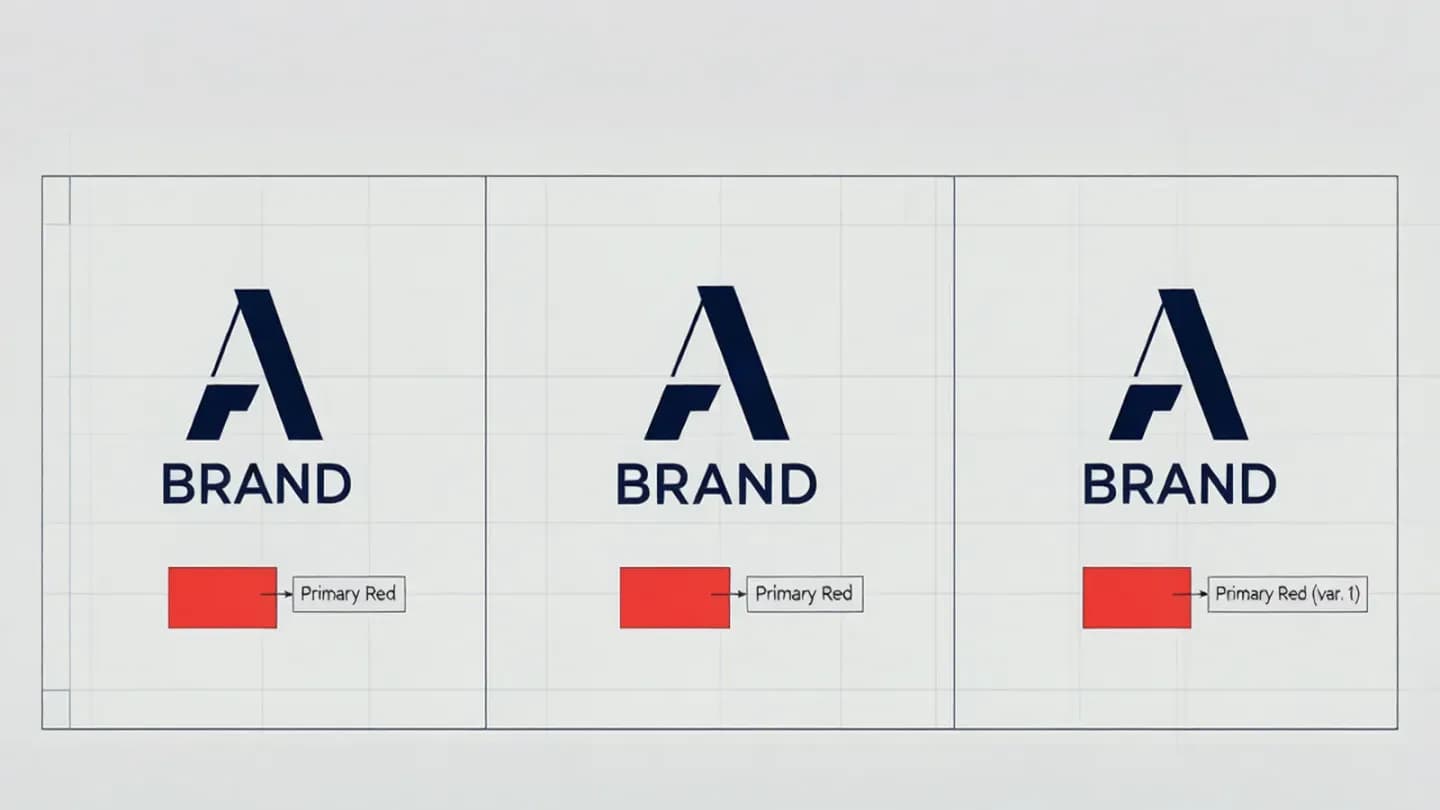
Lower production cost removes the budget excuse for slow output, but it does nothing to remove brand risk, and in some ways it raises it. Generative models still distort logos, misrender text, and drift faces across frames, and at higher volume those small errors multiply across more assets. The emerging operating model separates machine drafting from human brand-finishing: let the model produce the bulk, then reserve skilled review for the details that protect identity.
Keeping logos, color, and on-screen text stable across machine-made frames still depends on the {{link}} production teams already use for generative work. Reference images, locked style sheets, and frame-by-frame checks are not optional polish; they are the difference between a library of on-brand assets and a library of near-misses that quietly erode recognition.
Disclosure is the other non-negotiable. Platforms now require creators to flag AI-generated or meaningfully altered photorealistic content, and provenance standards are maturing to make that flagging automatic. A national ad built by machines should carry the same honesty as any other paid message, both to satisfy platform rules and to protect the trust a brand is spending to build.
Keeping logos, color, and on-screen text stable across machine-made frames still depends on the brand consistency controls production teams already use for generative work.
What brand and agency teams should do next
The $2,000 national spot is a signal, not a template. Most brands should not aim to replace their flagship films with fully generated cuts overnight; they should treat generative video as a new layer that absorbs the high-volume, lower-stakes work that used to be too expensive to attempt. Start by moving test variants, seasonal refreshes, and market-specific cuts onto an AI-assisted pipeline.
Build the controls before you build the volume. Define a brief standard, a brand-reference library, and a review gate that catches logo, text, and disclosure failures before anything ships. Pair that with provenance tooling so every asset carries its origin. The teams that thrive in this environment will be the ones who made judgment, not generation, the scarce asset.
Measure the new pipeline the way you would measure any production system: throughput, quality pass rate, and the performance of the assets it ships. When production is nearly free, the discipline that surrounds it becomes the entire game. The bottleneck has moved, and so should the part of your process you invest in.
Put the framework into production
These related pages connect the article’s planning advice to a specific commercial scope.
References
- U.S. Digital Video Ad Spend to Surpass $80B in 2026IAB
US digital video ad spend is projected to surpass $80B in 2026 (+11% YoY, about 20% faster than the total ad market); social video outpaces CTV for the first time; and two in three buyers are live, testing, or planning agentic AI for digital video campaigns in 2026.
- Disclosing use of GenAI contentYouTube Help
YouTube requires creators to disclose AI-generated or meaningfully AI-altered photorealistic content (a real person shown saying or doing something they did not, an altered real event or place, or a generated realistic scene that did not occur), and automatically detects C2PA metadata.
- C2PA | Verifying Media Content SourcesC2PA
C2PA's Content Credentials are an open technical standard that attaches origin and edit history to digital media, functioning like a nutrition label for content provenance.