
AI Slop in Video Advertising Passed 1.3% of Programmatic Spend in 2026
AI slop in video advertising is low-value, mass-produced generated content built for monetization, and in 2026 it is beating clean inventory at its own metrics. The first rigorous industry sizing found it takes 1.3% to 2.4% of open-web programmatic spend, posts a lower invalid-traffic rate and higher viewability than legitimate supply, and still grades as premium. For video buyers the lesson is blunt: the quality signals you rely on cannot see it.
The numbers come from the Q1 2026 ANA Programmatic Transparency Benchmark, run by the Trustworthy Accountability Group with the Association of National Advertisers and technology partner Fiducia. Two independent methods were used to keep the estimate honest: domain-level classification across $33.97 million in matched open-web spend, and rendered page-level evaluation across 233 million URLs, 4.45 billion impressions and $14.84 million in measured spend, with more than 30,000 page evaluations verified by humans. The two methods bracketed the answer rather than agreeing on a single point, which is why the finding is a range and not a headline number.
The definition matters more than the number. The analysis settled on AI slop as low-value, mass-produced content generated primarily by AI for monetization, with little or no human input, originality or audience value. Vendors described it as zero originality, semantic shallowness, and content that cannot demonstrate what the human author contributed. Critically, the defining characteristic was content quality, not the use of AI: AI-generated data summaries, AI-assisted editorial with human edits, high-quality AI-native products, transparent aggregators and AI design tools were all explicitly excluded.
That distinction is the whole problem for video. A clip can be fully synthetic and perfectly acceptable, or fully synthetic and worthless, and the provenance label tells you nothing about which one you are buying.
The Metrics Video Buyers Trust Are Blind to AI Slop
The uncomfortable finding is that AI slop outperformed clean inventory on conventional quality metrics. Its invalid traffic rate was 0.05% against 0.32% for clean supply. Its viewability was 77.2% against 74.9%. After measurability was factored in, it graded as premium more than 70% of the time.
It also cost more. AI slop carried a TrueCPM of $7.08 against $6.15 for clean inventory, which means buyers paid a premium for the worst content in the supply chain while their dashboards reported it as high quality.
The structural tell is templating. AI slop showed a 30.0% templated-site rate, roughly 25 times the 1.2% rate of clean inventory. High viewability and low invalid traffic on template-driven domains is a red flag rather than a green one, because a page built from a template can be perfectly viewable, perfectly bot-free, and completely worthless as context for the brand next to it.
The overlap with existing frameworks is high but not total. About 88% of AI slop inventory also identified as made-for-advertising. The remaining 12% falls outside existing frameworks, escapes current tools, and costs more per verified impression than clean supply.
The verification stack was not built to answer that question, which is why {{link}} keeps returning a clean bill of health.
The verification stack was not built to answer that question, which is why AI video measurement verification keeps returning a clean bill of health.
Where AI Slop Concentrates: Social Video, Long Tail and Native Exchanges
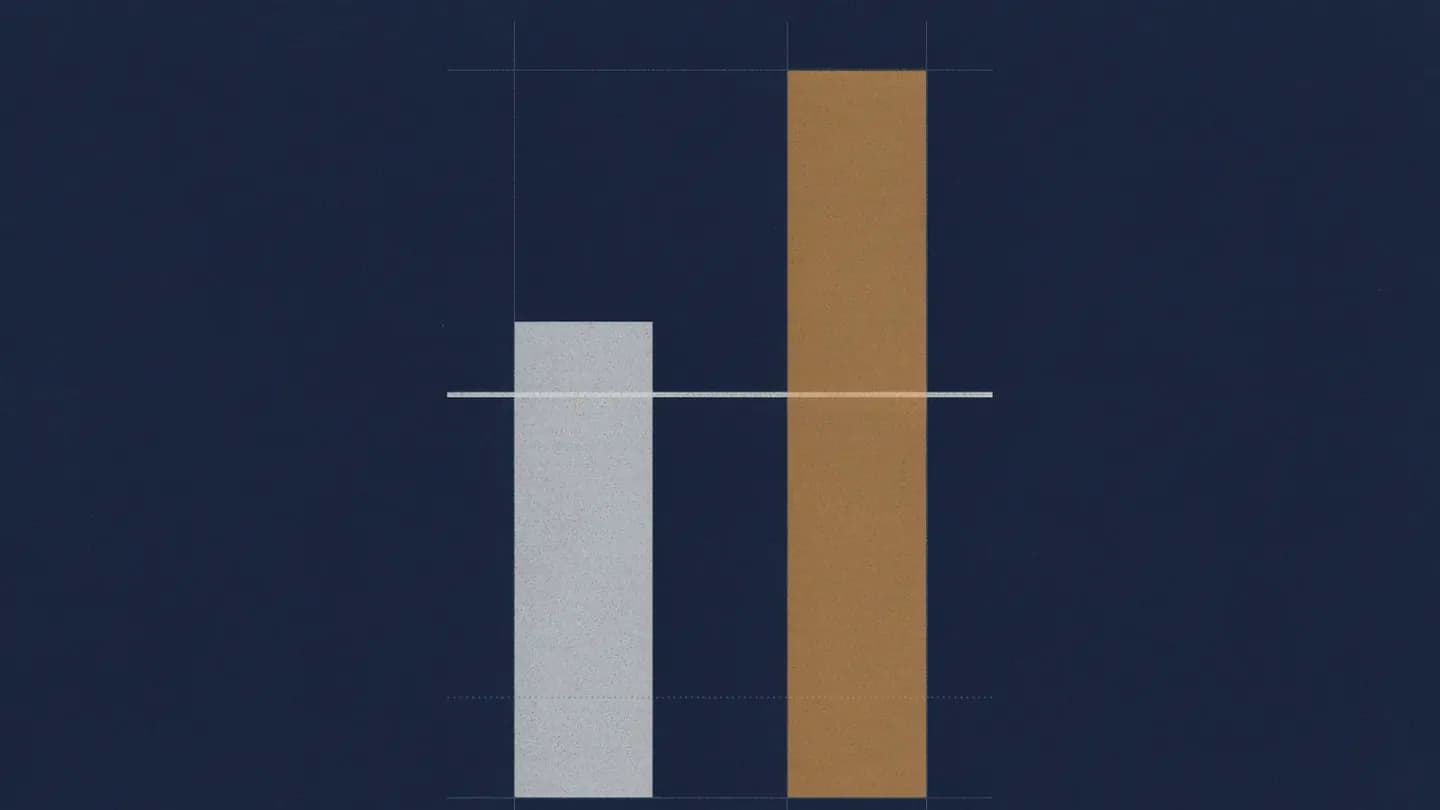
Exposure is not uniform. Across advertisers in the same dataset, AI slop ranged from 0.11% to 13.84% of spend, with concentrations in long-tail inventory and specific exchange environments. A mid-size advertiser can therefore be exposed at more than ten times the rate of a peer running a comparable brief.
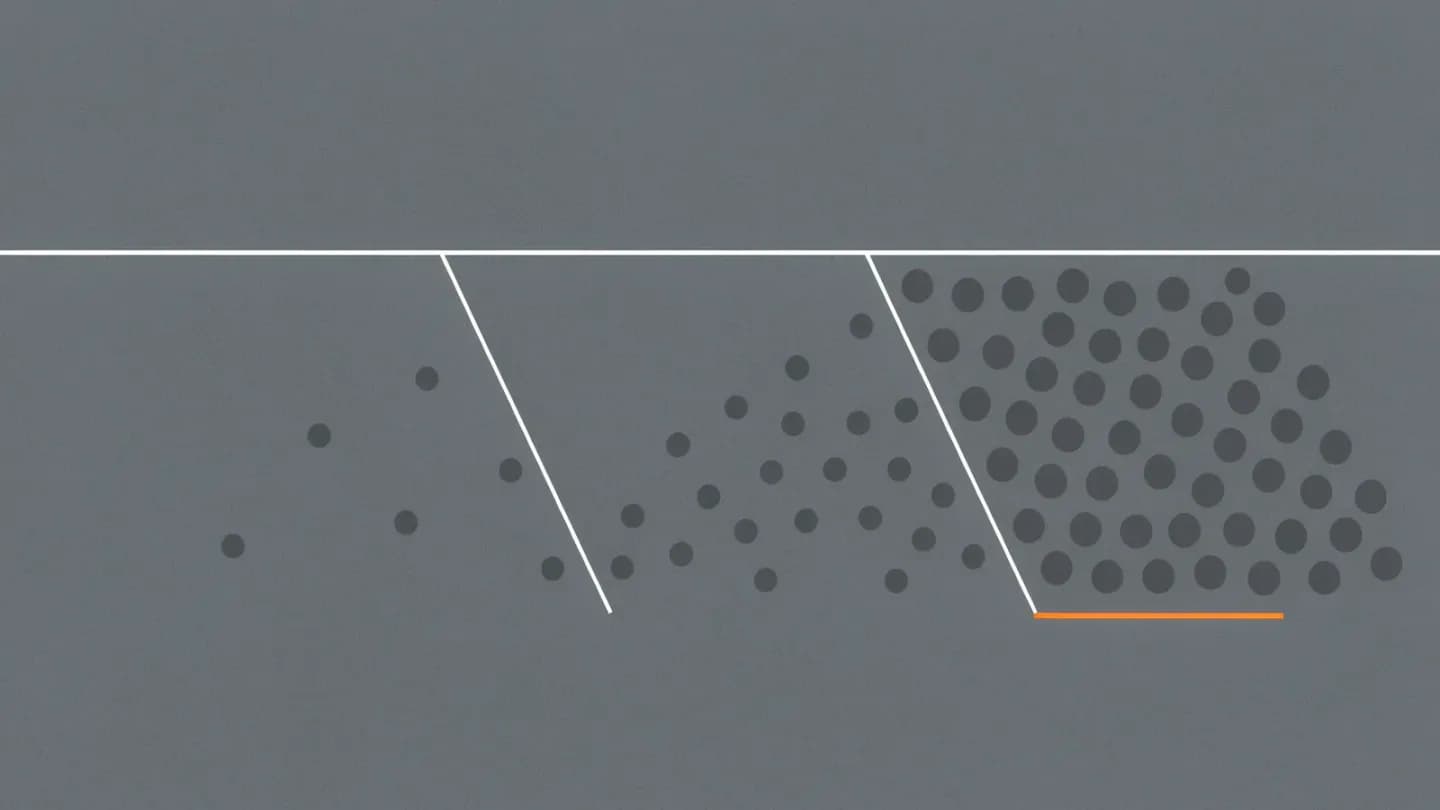
The long-tail effect is sharp. Roughly 1 in 27 impressions, or 3.7%, on unknown domains was classified as slop. Large established exchanges ran single-digit rates, while smaller and native-format exchanges reached 4% to 8%.
Social is the front line. The analysis flagged social platforms as the primary and most rapidly growing AI slop environment, and one vendor estimated that 25% to 40% of social video inventory is misaligned, with AI slop a large and growing share of it. That is the single most consequential line in the report for anyone buying short-form video at volume.
The domains follow content-farm patterns. Across 11,552 AI slop domains, topics clustered predictably: parenting, travel, recipes, hairstyles, personal finance and how-to content. The formats were fabricated viral stories, revenge fables and engagement bait built on generated imagery, mass produced across near-identical templates and clone networks.
Fraud controls catch bots, not boredom, which is the gap that {{link}} sits in. Bot detection is largely solved at the impression level; the question this data raises is whether the page was worth appearing on at all.
Fraud controls catch bots, not boredom, which is the gap that AI video ad fraud defense sits in.
Buyers Already Rank AI Adjacency as a Top 2026 Problem
This is not a theoretical risk. In the 2026 Industry Pulse Report, Integral Ad Science and YouGov surveyed nearly 300 US media experts across brands, agencies, publishers and ad tech. 61% said they were excited about generative AI in digital media, and 53% said adjacency to AI-generated content would be a top challenge in the coming year. Optimism and alarm are rising together.
The UK edition is blunter. 56% called adjacency to AI-generated content a major 2026 challenge. 73% said rising levels of AI-generated content on social platforms will need monitoring. 77% said advertisers will need the ability to identify, classify, target and avoid potentially unsuitable AI-generated material across digital video as it becomes more prevalent. 81% want third-party verification to classify AI content inside social feeds, and 78% expect external verification to play a central role in steering clear of deceptive AI formats such as deepfakes.
Asked what they would avoid outright, experts named inaccurate information and hallucinations first, at 59%, followed by spam-like or cluttered user experiences at 56%, and content from unknown domains with no verifiable editorial team at 52%. Note what is missing from that list: nothing about whether AI was used.
The demand is for classification, not prohibition. Buyers are not asking platforms to remove generated content; they are asking for a reliable way to tell the generated clip worth paying for apart from the generated clip that exists only to harvest impressions.
What Separates High-Quality AI Content From AI Slop
Consumer data lands in the same place. DoubleVerify's global study surveyed 22,000 consumers across 22 markets and 2,020 marketers across 21 markets, and found 63% saying AI-powered tools improve their online experience, though only 50% in North America, the most cautious region measured.
Quality, not provenance, drove the reaction. 56% of consumers said they cannot consistently identify AI-generated content, 42% said a brand's use of low-quality or uncanny AI-created advertising would negatively affect their opinion of that brand, and 40% said they view polished, professional AI ads positively.
Consumers are therefore not rejecting AI. They are rejecting the same thing buyers are: output that fails to demonstrate that anyone cared. A generated product shot with a displaced label and a generated product shot that is clean, on-brand and correctly framed read identically in a provenance ledger and completely differently in a feed.
That is the practical translation of the 1.3% to 2.4% figure. The number is small enough to dismiss and large enough to matter, because it clusters in exactly the placements where cheap reach gets bought. The same quality-over-provenance logic explains why {{link}} has been hard to close with better prompts alone.
The same quality-over-provenance logic explains why the AI creative quality gap has been hard to close with better prompts alone.
A 2026 Suitability Checklist for Video Inventory
Start with the verification partner. Ask directly whether its invalid traffic and viewability reporting distinguishes AI-generated content from AI slop, or whether it treats both the same. The TAG analysis recommends exactly this review, because a metric that scores slop as premium cannot protect you from it.
Treat the template signal as a warning. High viewability combined with a low invalid traffic rate on template-driven domains should trigger a manual look, not a sigh of relief. Known publishers showed effectively zero AI slop; unknown domains carried it.
Re-price your long tail. Small and native-format exchanges ran 4% to 8% AI slop against single-digit rates at large established exchanges. If a meaningful share of your video budget runs there, review suppression lists and inclusion lists on a schedule rather than once a year.
Use the pre-screen controls that now exist. DoubleVerify extended its AI SlopStopper to social in April 2026, with pre-screen avoidance available on YouTube, and Integral Ad Science's context control avoidance targets MFA and AI slop environments at scale. Platform-side controls are the only pre-screen lever most buyers have, and {{link}} describes how far that lever now reaches.
Finally, ask for independent certification rather than self-attestation. The TAG analysis recommends publishers validate their AI practices through independent certification. For a video team heading into Q4 2026, the working rule is simple: if a placement cannot demonstrate what the human contributed, do not buy the impression.
Platform-side controls are the only pre-screen lever most buyers have, and platform enforcement of AI video ads describes how far that lever now reaches.

Put the framework into production
These related pages connect the article’s planning advice to a specific commercial scope.
References
- TAG/ANA/Fiducia Analysis Quantifies Level of 'AI Slop' in Digital Advertising Supply Chain for First TimeTrustworthy Accountability Group / ANA
AI slop accounts for 1.3%-2.4% of open-web programmatic spend versus MFA's 1.1%; it posted a 0.05% invalid traffic rate against 0.32% for clean supply, 77.2% viewability against 74.9%, graded as premium more than 70% of the time, and carried a TrueCPM of $7.08 against $6.15.
- The 2026 Industry Pulse Report (US Edition)Integral Ad Science with YouGov
In a survey of nearly 300 US media experts, 53% said adjacency to AI-generated content will be a top challenge in 2026 while 61% were excited about generative AI; the UK edition found 56% calling AI adjacency a major 2026 challenge and 77% wanting the ability to identify, classify, target and avoid unsuitable AI-generated video material.
- Global Insights: Media Quality in the Age of AIDoubleVerify
A survey of 22,000 consumers across 22 markets and 2,020 marketers across 21 markets found 63% saying AI-powered tools improve their online experience, 56% unable to consistently identify AI-generated content, and 42% saying a brand's use of low-quality or uncanny AI-created advertising would negatively affect their opinion of that brand.
- U.S. Digital Video Ad Spend to Surpass $80B in 2026IAB
US digital video ad spend is projected to surpass $80 billion in 2026, growing 11% year over year, with social video outpacing CTV for the first time; the report cites overall signal loss and the rapid rise of non-human traffic as urgent buyer concerns.