The AI video carbon footprint is now measurable, and it is bigger than it looks
The AI video carbon footprint of a single 5.4-second 720p clip is roughly 50 to 100 gCO2e on the US grid once training, embodied hardware and inference are counted - about the same as one coffee pod, according to Carbon Trust research commissioned by DIMPACT. That figure looks trivial until you multiply it by the 2,000-plus generations a real streaming scene required. The honest answer to how much carbon is inside your AI video ad is that almost nobody on the team currently knows.
Until 2026 that ignorance was defensible. Generative video was a novelty line item, the only people counting flows were data centre operators, and no client had asked. Two reports changed the picture within months of each other: the Carbon Trust study written for DIMPACT, the media coalition facilitated by SLR Consulting with the BBC, Netflix and Spotify, and the environmental cost assessment from the United Nations University Institute for Water, Environment and Health. Together they hand brand and production teams their first usable numbers, and their first usable warning.
The warning is structural rather than moral. Compute is the shared denominator: the same electricity that shows up in {{link}} shows up as carbon. Every re-generation a team burns to repair a hand, a logo or a drifting face is a second charge for the same clip, one paid in platform credits and the other paid in emissions that no invoice currently captures.
That asymmetry is why this is a production problem before it is a sustainability problem. Sustainability teams can only report what production records, and production currently records successes. A pipeline that logs delivered assets but not attempt counts has already discarded the variable that determines most of its energy use.
Compute is the shared denominator: the same electricity that shows up in your cost per usable clip shows up as carbon.

Video is the heaviest task in the generative stack
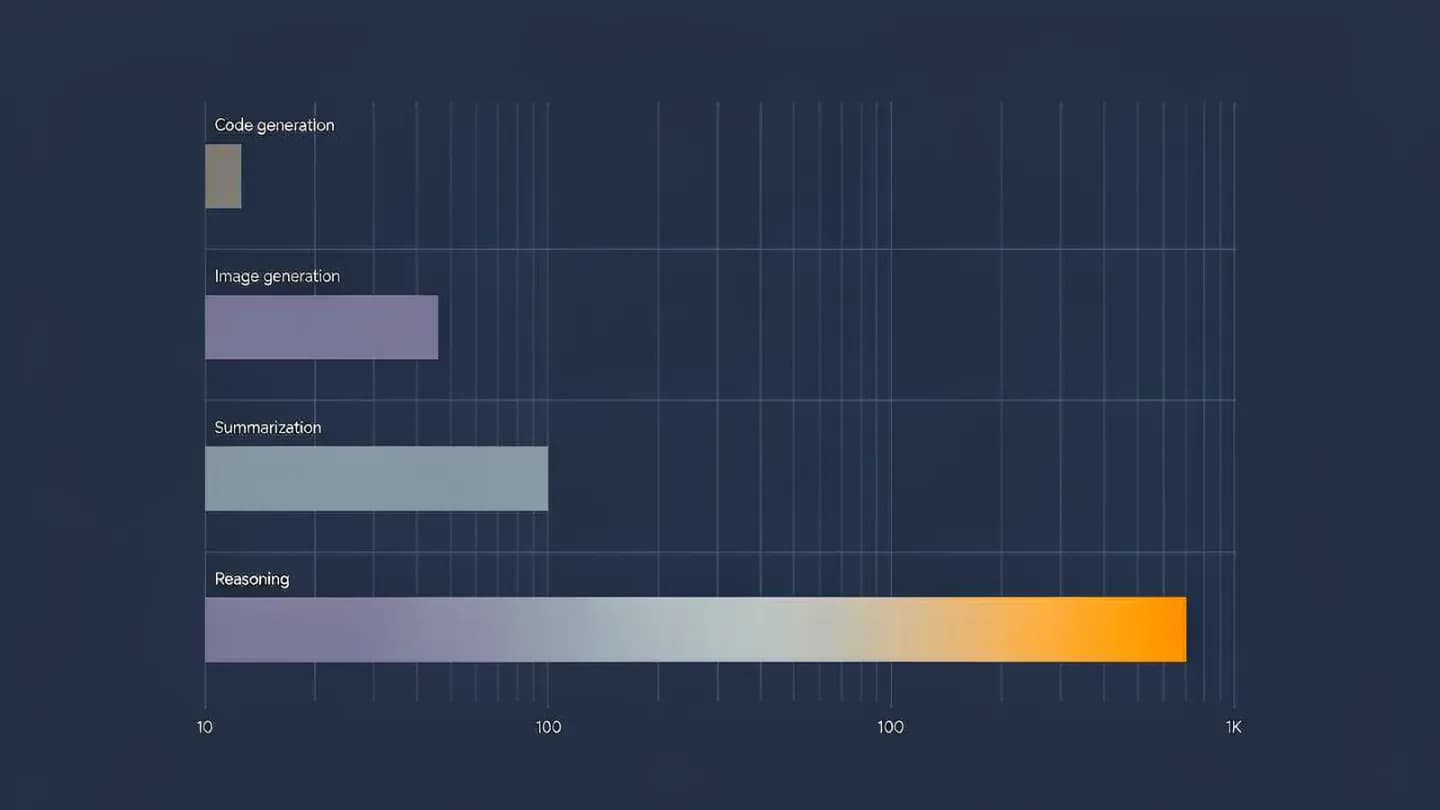
Task-level energy differs by orders of magnitude, and video sits at the top of the ladder. UNU-INWEH's June 2026 report found that a typical conversational query uses around 200 times the energy of basic text classification, that a single AI image uses roughly 1,450 times that baseline, and that one short AI-generated video can consume as much electricity as 200,000 spam classifications. In everyday terms, generating an image draws enough power to run a 10-watt LED bulb for 17 minutes, while a high-complexity AI video runs the same bulb for about 42 hours.
The Carbon Trust states the gap more bluntly: AI video generation requires at least two orders of magnitude more energy than responding to a simple text query. That is not a rounding difference between competing tools. It is the difference between a workflow you can run all afternoon without a second thought and one where every iteration carries a physical cost whether or not it ships.
Water tracks the same curve, which matters for teams that treat energy as someone else's problem. UNU-INWEH estimates an electricity-associated water footprint of about 29 millilitres for a single image and 4.1 litres for a complex video - close to two days of drinking water for one person. For a brand shipping hundreds of ad variants a month, that converts a creative preference into a procurement question with a measurable denominator.
Nor is this concentrated in a distant abstraction called the cloud. The same report notes that only 32 countries host AI-specialised data centres and more than 90 per cent of capacity sits in two of them, so the grid mix behind a render is a fact about geography, not about model quality.
The footprint scales with retries, not with the finished cut
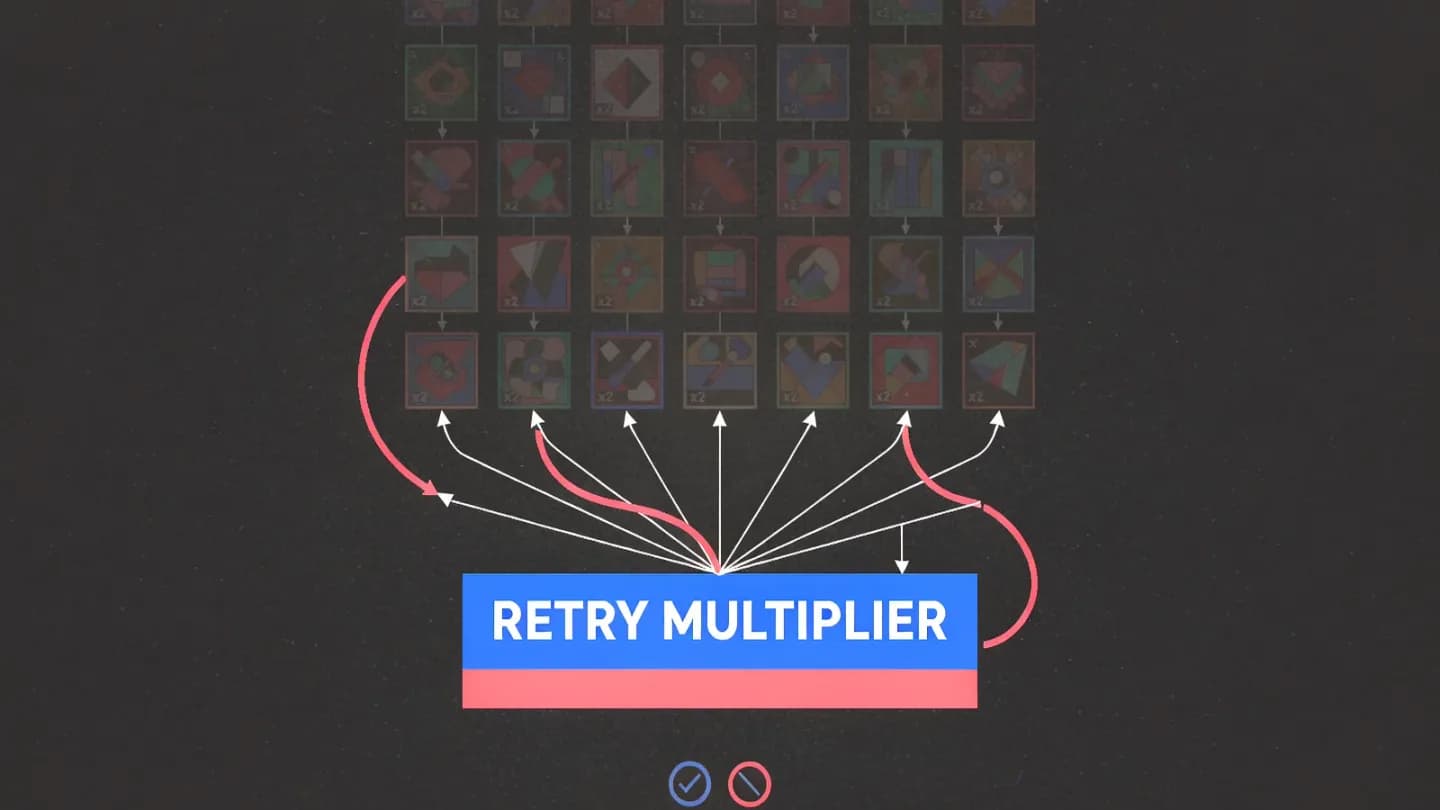
The finished 5.4-second clip is the least informative number in the calculation. In the Carbon Trust case study, one real-world application of AI video generation needed more than 2,000 generated videos to produce a single short scene for a streaming series. What shipped is a rounding error against what had to be generated to find it.
That is the same mechanic that made generative production attractive in the first place. The {{link}} was always about volume, and volume is exactly what energy scales with. A team that generates 400 candidates for a six-second cut has not bought 400 cheap assets; it has bought 400 inference passes, each carrying its own training, hardware and grid cost.
Production fixes aimed at throughput do not change that arithmetic. Warm GPUs and parallel renders solve the {{link}} - they do not reduce the total compute behind it. Speed and carbon are different metrics measured by different functions, and only one of them currently appears in a weekly performance review.
The practical consequence is that attempt count is a lever with two outputs. Cutting a wasteful generation loop reduces spend and emissions in the same move, which is why carbon discipline tends to look like good production discipline once teams stop treating the two as separate agendas.
The near-zero marginal cost of AI variants was always about volume, and volume is exactly what energy scales with.
Warm GPUs and parallel renders solve the render queue bottleneck - they do not reduce the total compute behind it.
The disclosure gap: almost no AI usage carries environmental data
Even a motivated team cannot yet build an accurate inventory. The Carbon Trust reports that 84 per cent of AI usage today comes from models with no environmental disclosure, while only 2 per cent comes from models with direct disclosure. Without a per-inference figure from a model provider, no team can report its own number honestly; it can only estimate and label the estimate as such.
UNU-INWEH sharpens the operational point: model choice, prompt length, output format and resolution all materially shape the footprint, yet most of those decisions are taken invisibly by product defaults the user never sees. Resolution is the clearest example. A 720p reference pass and a hero render at maximum settings are the same creative decision to a producer and entirely different entries in a carbon ledger.
Advertising has solved a version of this problem before. The industry already has a {{link}} on the media side; carbon is the next line item that will demand the same treatment. The difference is that media measurement had independent verification vendors in place before buyers insisted on proof, and generative production has no equivalent layer yet.
That gap is also an opening for suppliers who move first. A studio that can quote an energy estimate per usable clip, name the model and resolution behind it, and explain the method will win comparisons it cannot currently enter, because most competitors will have to answer with silence.
The industry already has a measurement verification crisis on the media side; carbon is the next line item that will demand the same treatment.
What procurement and sustainability reporting will start asking for
The demand side is already organised. Ad Net Zero operates the Global Media Sustainability Framework, a voluntary standard that lets advertisers calculate and reduce greenhouse gas emissions across digital, TV, out-of-home, print, audio and cinema, with one of its five actions dedicated specifically to cutting emissions from advertising production. More than 280 supporters fund that work, which means a growing share of clients already has a reporting structure a generative pipeline must eventually plug into.
Scale is what turns this from theoretical to urgent. IAB's 2026 digital video ad spend report puts US digital video spend above $80 billion this year, with generative AI adoption for video creative accelerating even as buyers ask for harder proof of performance. A technique becoming standard across an $80 billion marketplace cannot sit outside an emissions inventory indefinitely without someone raising a question about it.
Expect three requests in the next planning cycle: an energy or carbon estimate per asset, the model and resolution used to produce it, and evidence that the figure was not self-reported without method. None of those can be answered with a subscription invoice or a platform's generic efficiency claim.
The awkward part is timing. Reporting frameworks are expanding their scope faster than generative measurement matures, so teams will likely be asked for numbers before the numbers are reliable - which is precisely when method and transparency matter more than precision.
A production playbook that cuts carbon and cost together
Most practical levers reduce emissions and generation cost at the same time, so this does not have to be framed as a sacrifice. The first is fit-for-purpose model selection: use the lightest model that satisfies the brief and reserve the heaviest render for the shots that will actually ship.
The second is attempt discipline. Cap retries per shot, separate exploratory generation from production generation so the two have different budgets, and lock a strong first frame with image-to-video instead of re-rolling motion from nothing. The third is resolution staging: draft at 720p and promote only approved shots. The fourth is record-keeping - model version, resolution, grid region and attempt count belong in the asset record beside the clip, because that metadata is the only thing that makes a carbon figure defensible six months later.
None of this is a complete answer, and it is worth saying so plainly rather than selling a checklist as a solution. The Carbon Trust's own recommendation is that the industry needs consistent lifecycle assessment methods and product category rules for generative AI before tool-to-tool comparison becomes meaningful at all.
Until those standards exist, the useful position is narrower and more honest: measure what you control, state the method, and stop treating an unlimited variant library as though it were free. The energy bill for generative video is already being paid. The only open question is whether any team can show it.
Put the framework into production
These related pages connect the article’s planning advice to a specific commercial scope.
References
- New report explores path to better understand and manage AI video emissionsThe Carbon Trust
Research commissioned by DIMPACT finds AI video generation needs at least two orders of magnitude more energy than a simple text query; a 5.4-second 720p AI video carries a lifecycle impact of around 50-100 gCO2e on the US grid, comparable to a coffee pod; a real-world case study needed over 2,000 generated videos for one short streaming scene; 84% of AI usage comes from models with no environmental disclosure versus 2% with direct disclosure.
- Rising Emissions, Depleting Water and Vanishing Land - UN Scientists: AI Is Threatening Natural Resources for BillionsUnited Nations University Institute for Water, Environment and Health
A typical AI chat query uses about 200 times the energy of basic text classification, an AI image about 1,450 times, and a single short AI video as much electricity as 200,000 spam classifications; an AI image runs a 10-watt LED bulb for 17 minutes versus 42 hours for a complex video; electricity-associated water is 29 mL per image versus 4.1 litres per complex video; inference accounts for 80-90% of AI energy use.
- Ad Net Zero - Global Media Sustainability FrameworkAd Net Zero
The Global Media Sustainability Framework is a voluntary standard developed by Ad Net Zero to help the advertising industry calculate and reduce greenhouse gas emissions from media campaigns across digital, TV, out-of-home, print, audio and cinema, with one of its five action points dedicated to reducing emissions from advertising production; over 280 supporters fund the programme.
- 2026 IAB Digital Video Ad Spend & Strategy ReportInteractive Advertising Bureau (IAB)
Digital video ad spend will surpass $80 billion in 2026 and continues to outpace the broader ad market, while GenAI adoption for video creative accelerates even though many advertisers want more proof of performance.