What AI video lip sync accuracy actually measures
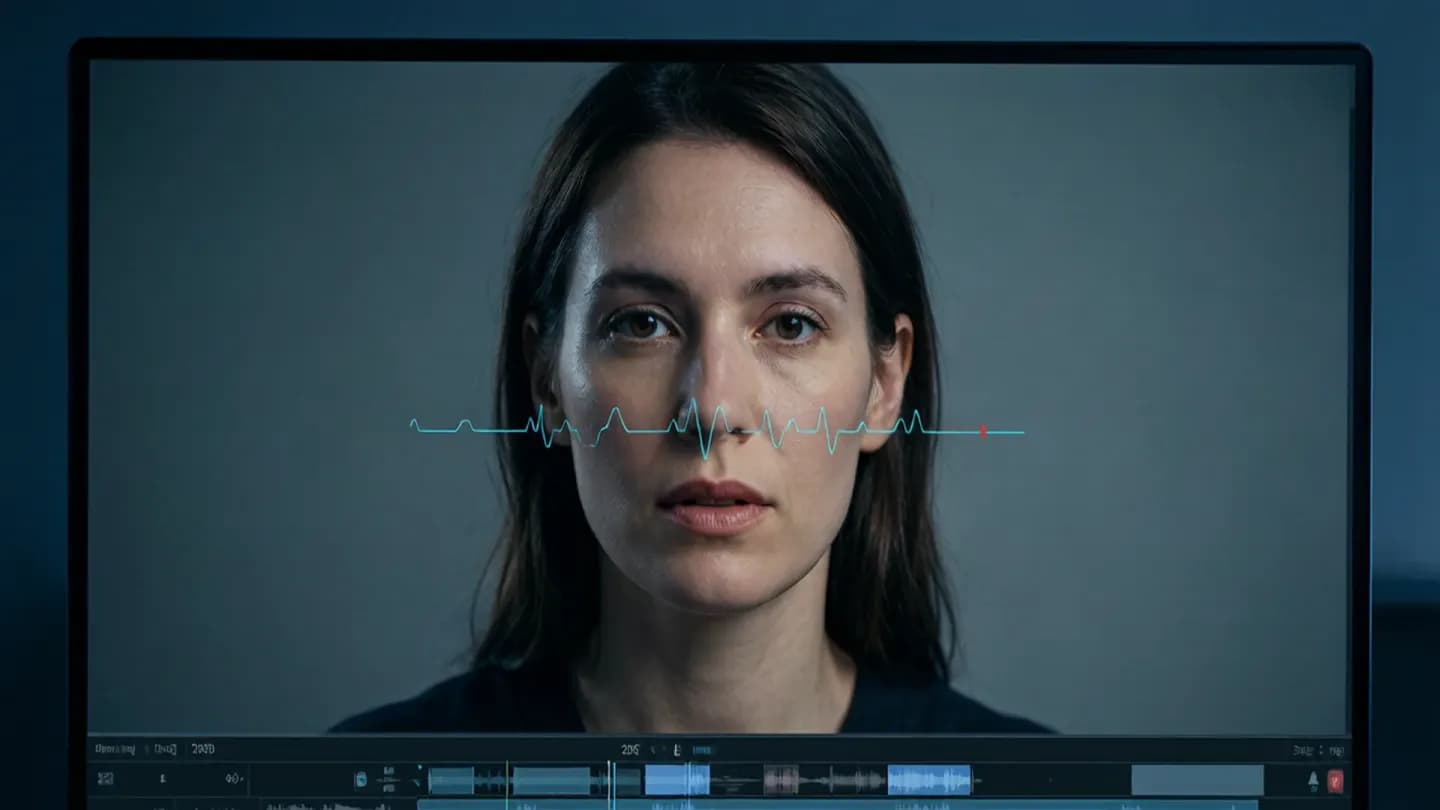
AI video lip sync is the measure of whether a generated clip's mouth movements match its spoken audio, and in 2026 the gap is still visible: mainstream models ship lip-sync error rates between 8% and 15%, leaving roughly one in ten dialogue clips noticeably out of sync. The fix is a production gate, not a better prompt.
Researchers score sync with frame-level metrics such as lip-sync error distance and timing offset, the millisecond delay between a consonant's sound and the lips closing on it. A foundational survey of talking-head generation introduced the lipreading similarity distance metric and showed that even strong models still fail to animate accurate mouth shapes for words like 'JOB', 'IMAGINE', and 'HAPPENS'. Sync accuracy is therefore a measured, unsolved problem, not a cosmetic afterthought.
For commercial work the bar is stricter than for a viral clip. A 40-millisecond timing offset is the line most premium dubbing pipelines now reject at, because that is roughly where a viewer's ear starts to feel the disconnect. Below it, the brain fuses sound and picture; above it, the spokesperson reads as synthetic even when the face is perfect.
Why generative video still drifts out of sync
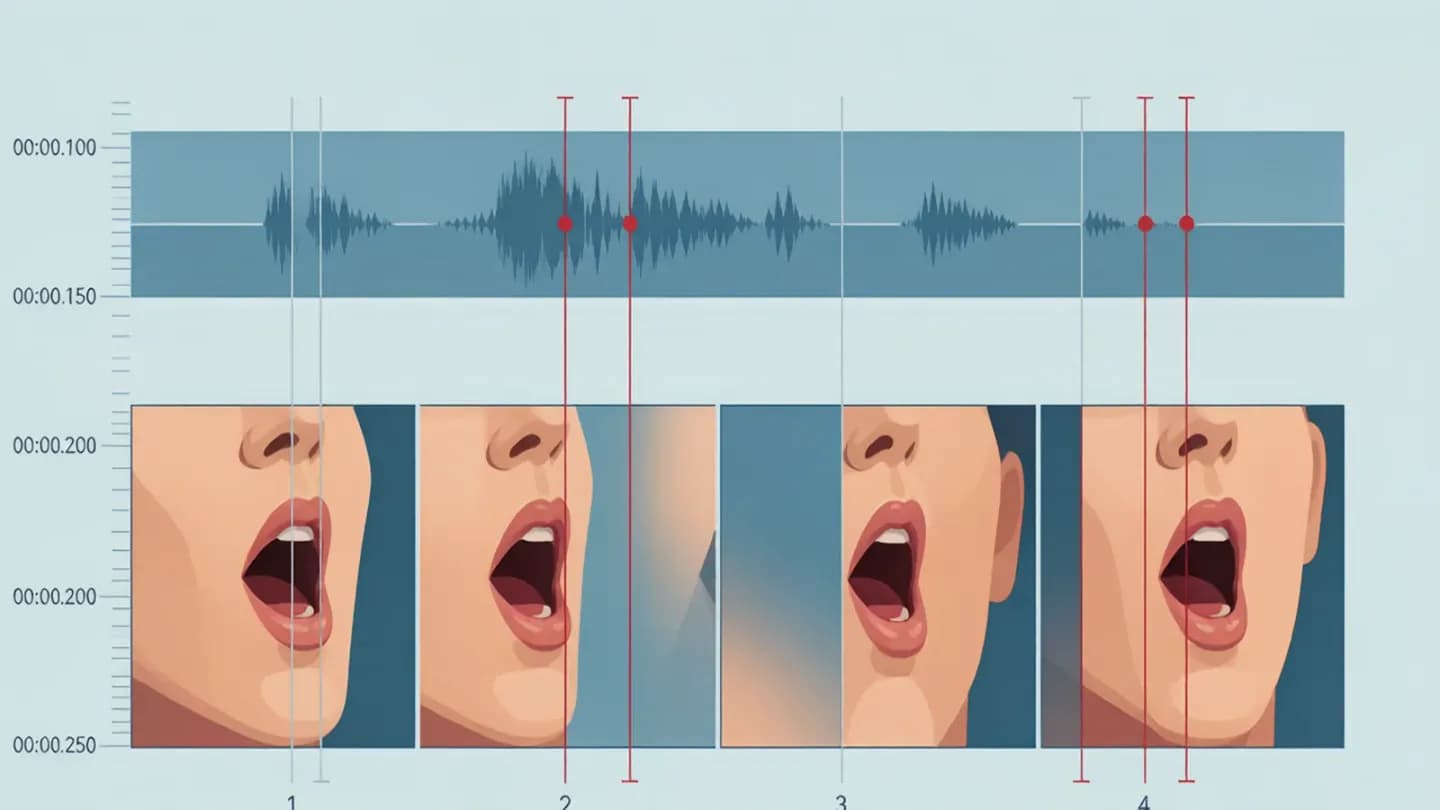
The core cause is structural: in most pipelines the text-to-speech voice and the video frames are produced by two separate modules that never truly share a timeline. When timestamp alignment is loose, the lip movement lags the audio by three to five frames, about 100 to 167 milliseconds, so the mouth finishes a word the voice already finished.
A published technical white paper puts the average lip-sync error of mainstream AI video models at 8% to 15%, and frames it as an industry-wide trait rather than a single tool's bug. The figure matters because it sets the baseline: a team generating dialogue-heavy avatars should assume a non-trivial fraction of cuts will need a sync pass before they are shippable.
Phoneme-to-viseme mapping is the second failure point. Models learn lip shapes unevenly, so plosive consonants such as B, P, and T, plus retroflex and nasal sounds, get muddied, and 'zh' and 'i' can collapse to nearly the same mouth shape. Multilingual switching makes it worse: when a script jumps from English back to Chinese, the jaw motion can jump unnaturally between two lip-shape rule sets, leaving a visible transition glitch.
For commerce teams the cost is direct: dialogue-heavy spokesperson ads lose viewers fastest exactly where sync breaks, during the spoken pitch. A clip that looks generated at the moment of the claim is the clip a buyer scrolls past, so sync is not polish, it is the difference between a pitch that lands and one that gets skipped.
2026 platforms are closing the gap
The platforms are responding directly. YouTube is testing a Lip Sync pilot that subtly matches a speaker's lip movements to the translated audio so a dubbed video feels as seamless as the original, and its auto-dubbing now reaches 27 languages for all non-music channels. For commerce teams localizing spokespeople, that means the dub and the mouth can finally move together instead of fighting each other.
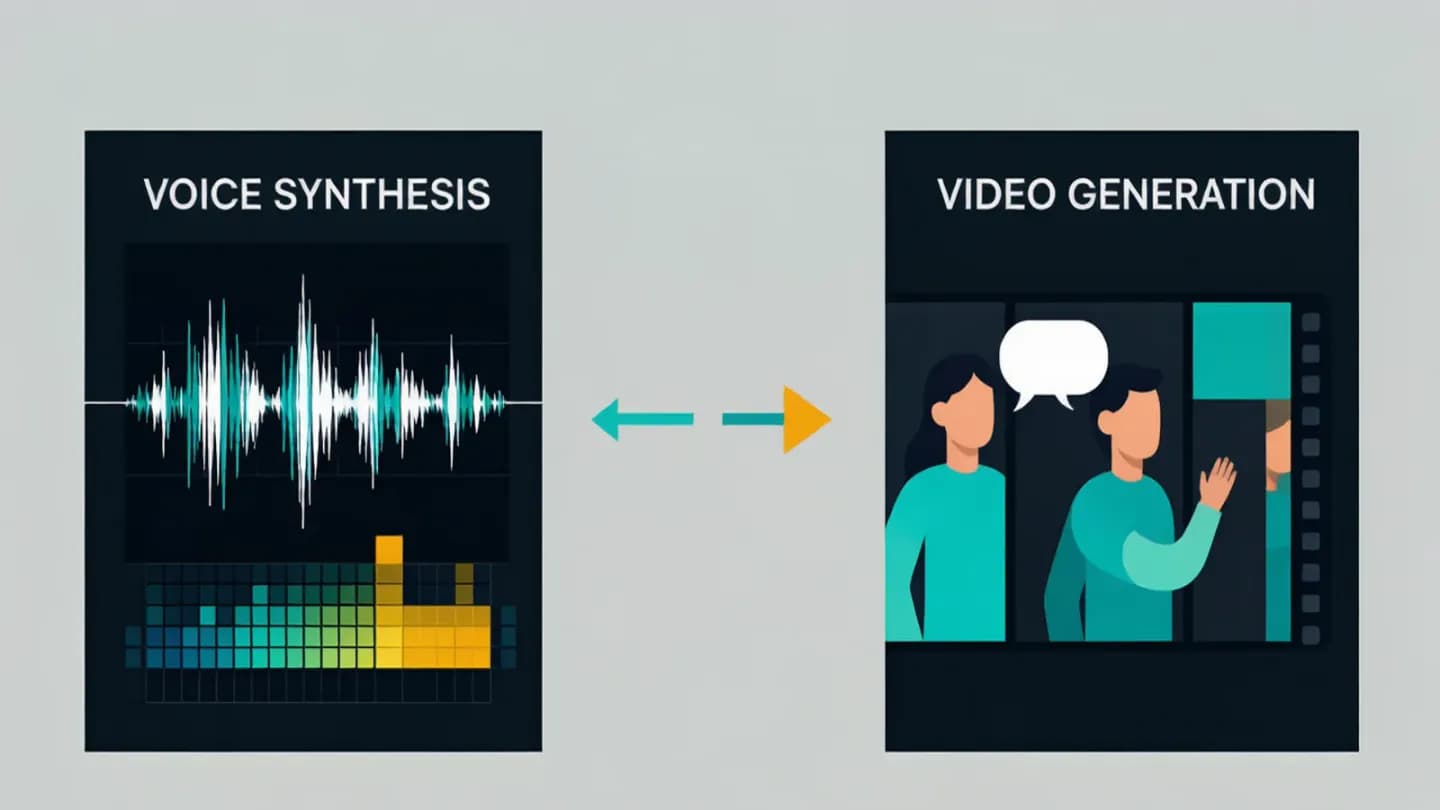
On the generation side, native-audio and audio-to-video modes collapse the two-module gap by generating sound inside the clip, or by animating to an existing voice track rather than inventing both at once. Most teams already run a native-audio production step that cuts drift at the source. {{link}} Benchmarks now put top engines at 92% to 99% sync accuracy on English, with the remaining errors concentrated in fast speech and edge-case consonants.
Newer engines expose a dedicated lip-sync mode: feed the voice file in first, then generate the matching frames, and the error stays inside three frames. The practical brief is therefore order-dependent: audio before video, reference clip before generation, and a safe speaking rate between 120 and 160 words per minute, where models process cleanly. Outside that window the same model that nails a calm voice-over can drift on rapid dialogue.
Most teams already run a native-audio production step that cuts drift at the source. native audio in AI video
AI avatars live or die on sync
Synthetic brand presenters are the harshest sync test, because the viewer stares at the face and expects it to talk. A three-frame slip that vanishes in a wide landscape shot still reads as uncanny on a talking-head avatar, and it is the first thing a reviewer flags in a brand-safe review. When the same synthetic face fronts a product, a sync failure becomes a trust and liability problem. {{link}}
Because an avatar is synthetic media, the sync question arrives bundled with a provenance question. C2PA Content Credentials attach tamper-evident records of how a clip was made, and buyers increasingly require generated avatars to carry that tag. The EU AI Act extends transparency duties to systems that generate synthetic video, so a lip-synced virtual spokesperson is both a sync problem and a disclosure problem on the same asset.
When the same synthetic face fronts a product, a sync failure becomes a trust and liability problem. AI virtual influencer endorsement risk
Fixing sync in post without regenerating
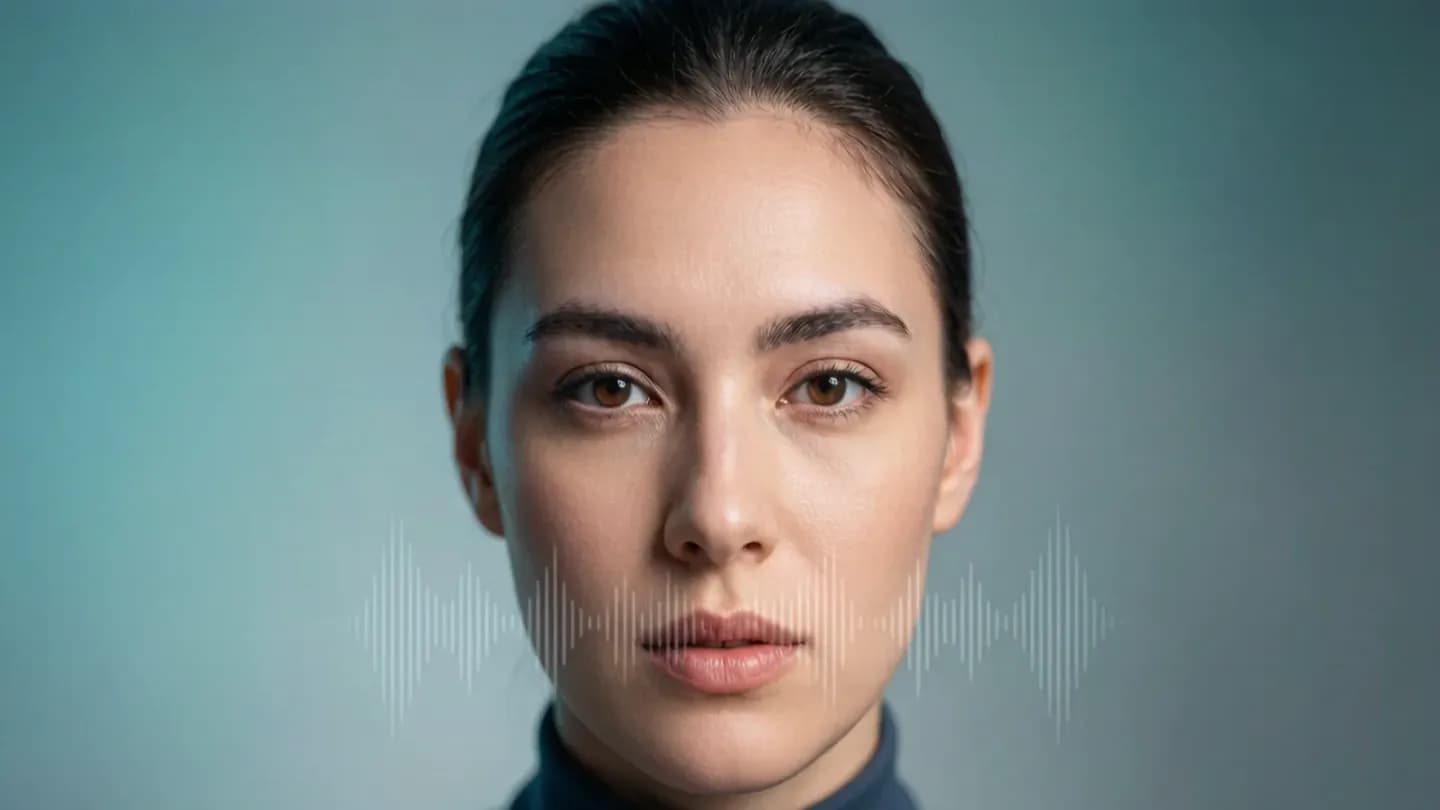
When a cut drifts, regeneration is rarely the first move. Post-correction aligns any audio to a face video and rewrites just the mouth region, which is far cheaper than re-rolling the whole shot, and it preserves the performance, lighting, and background the team already approved. For short social cuts, frame-level manual calibration in an editor still beats automation when the lips must land on specific words.
Open pipelines now ship real-time lip-drive models that infer at usable frame rates and link eyebrows and eyes to speech, not just the mouth, which removes the dead-eyed look that pure lip fixes leave behind. The trade-off is resolution: heavy blends above 1080p need manual cleanup. The practical rule is to fix the timing in post and re-render only when the mouth shape itself is wrong, not merely late. The broader post-production playbook covers the rest of what generation gets wrong. {{link}}
For high-volume avatar farms, the sync pass is worth automating per clip with a queue, then sampling the output rather than reviewing every frame. The failure modes to watch are blends above 1080p, where edge artifacts appear, and clips where the mouth shape is wrong rather than merely late, which a timing shift cannot fix and must be re-rendered. Knowing which bucket a clip falls into decides whether the fix costs seconds or a full regeneration.
The broader post-production playbook covers the rest of what generation gets wrong. AI video artifact fixes
A sync gate for the QA checklist
Sync should be an explicit gate, not a vibe. Set the pass line at a lip-sync error distance of 1.5 frames or less and a timing offset at or below 40 milliseconds, and run it on every dialogue or dubbed cut before it leaves the edit bay. Those two numbers catch the drift that a tired reviewer's eye will miss at the end of a long session.
Build the gate into the existing five-check routine so sync sits next to continuity, identity, audio, and delivery rather than after them. The existing routine already defines the gates a cut must clear, and a measured sync threshold turns 'looks fine' into a pass or fail call. {{link}} Pair it with provenance by default and an on-screen synthetic label, and the avatar that once read as fake now reads as intentional, tagged, and shippable.
The gate must run on the final export, not the master, because compression and platform transcoding can nudge timing. For localized versions, re-measure each language track, because a translated voiceover changes syllable timing and can push a cut that passed in English back over the 40-millisecond line in another tongue. Treat sync as a per-language property, not a one-time master check.
The existing routine already defines the gates a cut must clear, and a measured sync threshold turns 'looks fine' into a pass or fail call. pre-ship QC checklist for AI video
Put the framework into production
These related pages connect the article’s planning advice to a specific commercial scope.
References
- Use automatic dubbing - Lip sync pilotYouTube Help
YouTube is testing a Lip Sync pilot that subtly matches the speaker's lip movements to the translated audio so a dubbed video feels as seamless as the original, and auto-dubbing now supports 27 languages for all non-music channels.
- C2PA Content CredentialsCoalition for Content Provenance and Authenticity
C2PA Content Credentials attach tamper-evident provenance to a generated asset, recording how a synthetic video was made, which buyers increasingly require for AI-generated avatars and dubbing.
- Article 50 - Transparency Obligations for Providers and Deployers of Certain AI SystemsEU AI Act
EU AI Act Article 50 requires providers of systems generating or manipulating image, audio, or video content to mark outputs in a machine-readable format detectable as artificially generated, extending transparency duties to synthetic performers used in advertising.
- What comprises a good talking-head video generation? A Survey and BenchmarkarXiv
This survey introduces the lipreading similarity distance metric and shows that current deep generative models still fail to synthesize accurate lip movements for words such as 'JOB', 'IMAGINE', and 'HAPPENS', establishing sync accuracy as a measurable, unsolved problem.