
Why CPG and retail lead AI video advertising spend
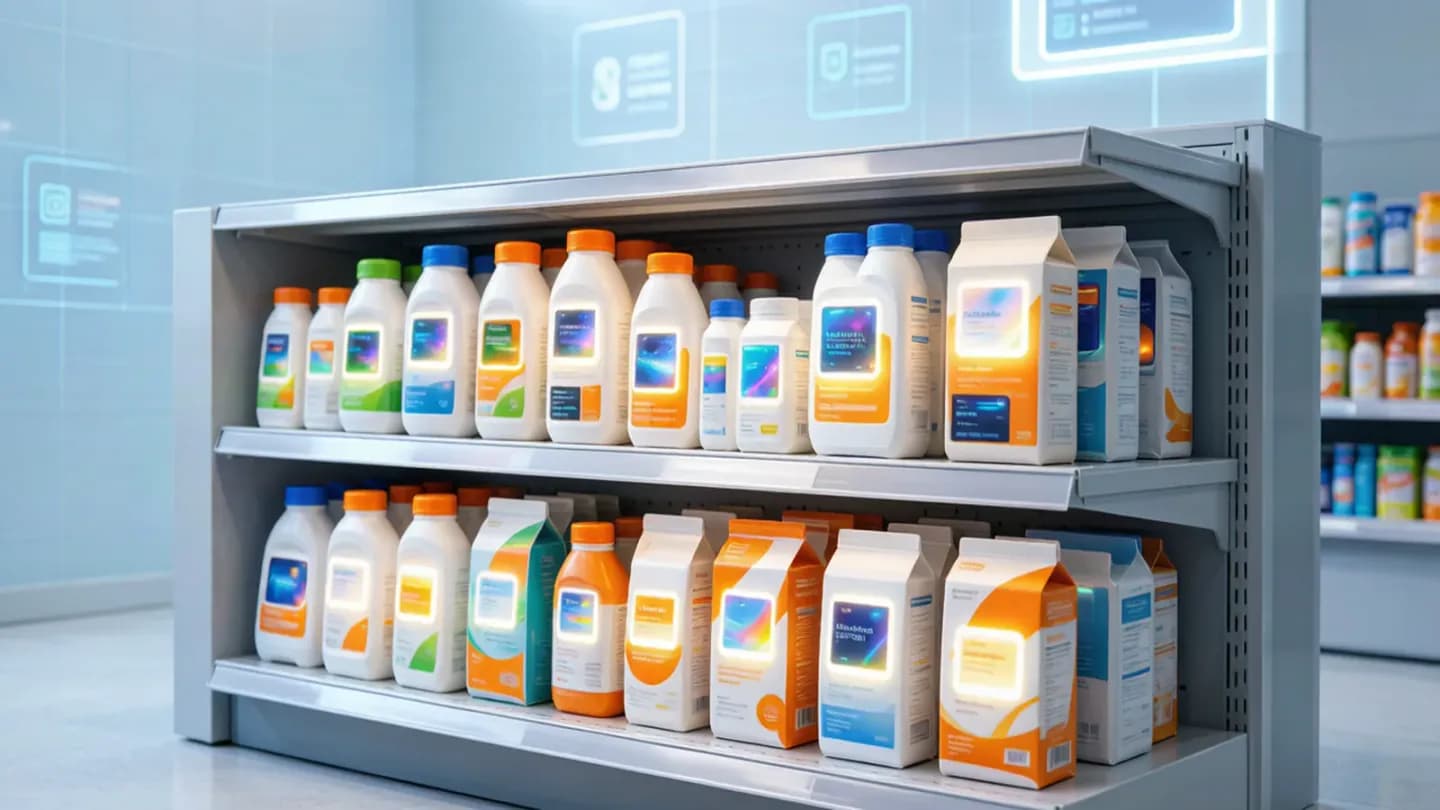
Consumer packaged goods and retail brands are leading the 2026 AI video advertising shift for a simple reason: they already run the highest-volume, most repeatable creative programs in the industry. When digital video ad spend is projected to surpass 80 billion dollars in 2026 and grow 11 percent year over year, the brands that benefit most are the ones with hundreds of SKUs, constant promotions, and seasonal campaigns that all need fresh video. Generative tools turn that demand from a production bottleneck into a manageable pipeline.
This is not a fringe experiment. The categories spending the most on digital video advertising in 2026 are CPG at 16.9 billion dollars and retail at 9.4 billion dollars, according to the IAB, ahead of tech, pharma, and entertainment. Those budgets are exactly where AI video removes the most friction, because the creative asks are repetitive and the payoff from volume is direct. A supermarket chain promoting weekly deals or a beauty brand rotating shades does not need a new film crew for every cut; it needs a system that produces on demand.
The 2026 numbers behind the shift
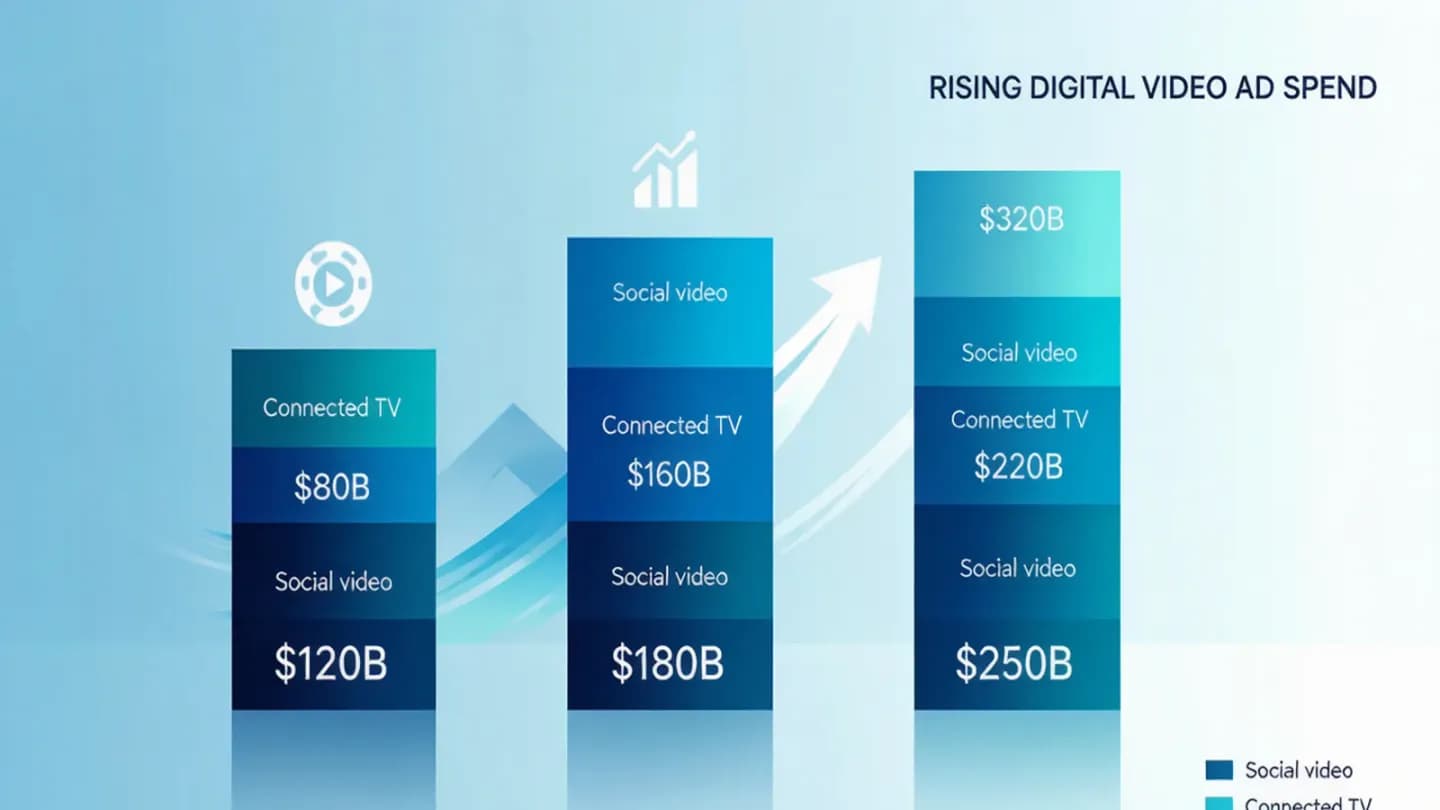
The IAB 2026 Digital Video Ad Spend and Strategy Report puts U.S. digital video ad spend at 81.9 billion dollars, an 11 percent increase that outpaces the total ad market by nearly 20 percent. For the first time, more than 60 percent of TV and video ad dollars are flowing to digital formats. Social video, at 31.9 billion dollars, has overtaken connected TV at 29.3 billion dollars as the single largest format, driven by AI-powered personalization and creator-led content.
The growth is broad-based but uneven. For CPG and retail, the story is steady double-digit gains: CPG up 13 percent and retail up 14 percent year over year, and both categories sit ahead of tech, pharma, and entertainment in total digital video spend. The practical reading is that brand teams in these sectors are scaling video faster than they can staff traditional production, which is the gap generative video is filling.
What CMOs are actually doing with generative video
Marketing leaders are moving from pilots to operations. The 2026 CMO Survey finds that generative AI is now used in 22.4 percent of marketing activities, up from 15.1 percent in 2025, and content creation is the leading use case, expected to reach nearly 74 percent of marketers within three years. The macro trend behind the {{link}} is clear: AI video is no longer a side project but a core production method.
Independent CMO research reinforces the point. Campaign's 2026 Global CMO Survey names AI the top opportunity for brands over the next three to five years, while Serviceplan's CMO Barometer finds 68 percent of marketing leaders call AI the defining topic of 2026. At the same time, Adobe and Oxford Economics report that 78 percent of CMOs cite data silos as the biggest barrier to scaling AI, a reminder that tooling alone does not fix fragmented workflows. The brands pulling ahead are the ones pairing generative video with cleaner internal data and a clear creative operating model.
The macro trend behind the 2026 video ad spend shift is clear: AI video is no longer a side project but a core production method.
Brand campaigns already running on AI video
The shift is visible in live campaigns. Luma AI has built an advertising practice around its generative models, with early customers including Adidas, Mazda, and Publicis Groupe; one reported case converted a 15 million dollar annual campaign into localized ads for multiple markets in 40 hours for under 20,000 dollars. The Luma Dream Brief even offered a 1 million dollar prize for a Gold Lion at Cannes Lions 2026 created with its tools, a signal that agencies now treat generative video as a core craft rather than a novelty.
Outside the agency world, purpose-built tools are targeting commerce directly. Hilight AI, launched in January 2026, is an e-commerce multi-agent system that generates product and model video while holding cross-frame consistency, a long-standing weakness in AI video. Meanwhile PixVerse V6, released in March 2026, emphasizes physical realism and continuous multi-shot narrative, and Chinese platforms such as iQiyi's NaDou Pro and ByteDance's Dramart are shipping one-stop AI video studios aimed at short-drama and brand content. The common thread is less about novelty and more about throughput: producing believable brand video at a pace traditional pipelines cannot match.

Keeping brand consistency at high volume
Volume creates a new problem: when you ship dozens of variants a week, small inconsistencies in logo, palette, or spokesperson compound into brand erosion. A disciplined {{link}} approach treats consistency as a system, not a per-asset fix, using reference images, locked style guides, and prompt templates that hold across every generation.
The teams that scale successfully rarely generate from scratch each time. Instead they build an {{link}} where brand assets, approved references, and a style bible feed every new variant, so the AI reuses the brand rather than relearning it. This is what turns a one-off AI clip into a repeatable production line. It also protects the investment: a single well-built reference library pays for itself across hundreds of localized or seasonal cuts instead of being rebuilt for each brief.
A disciplined brand consistency in AI video approach treats consistency as a system, not a per-asset fix, using reference images, locked style guides, and prompt templates that hold across every generation.
Instead they build an AI-native creative pipeline where brand assets, approved references, and a style bible feed every new variant, so the AI reuses the brand rather than relearning it.
Cost, governance, and what to do next
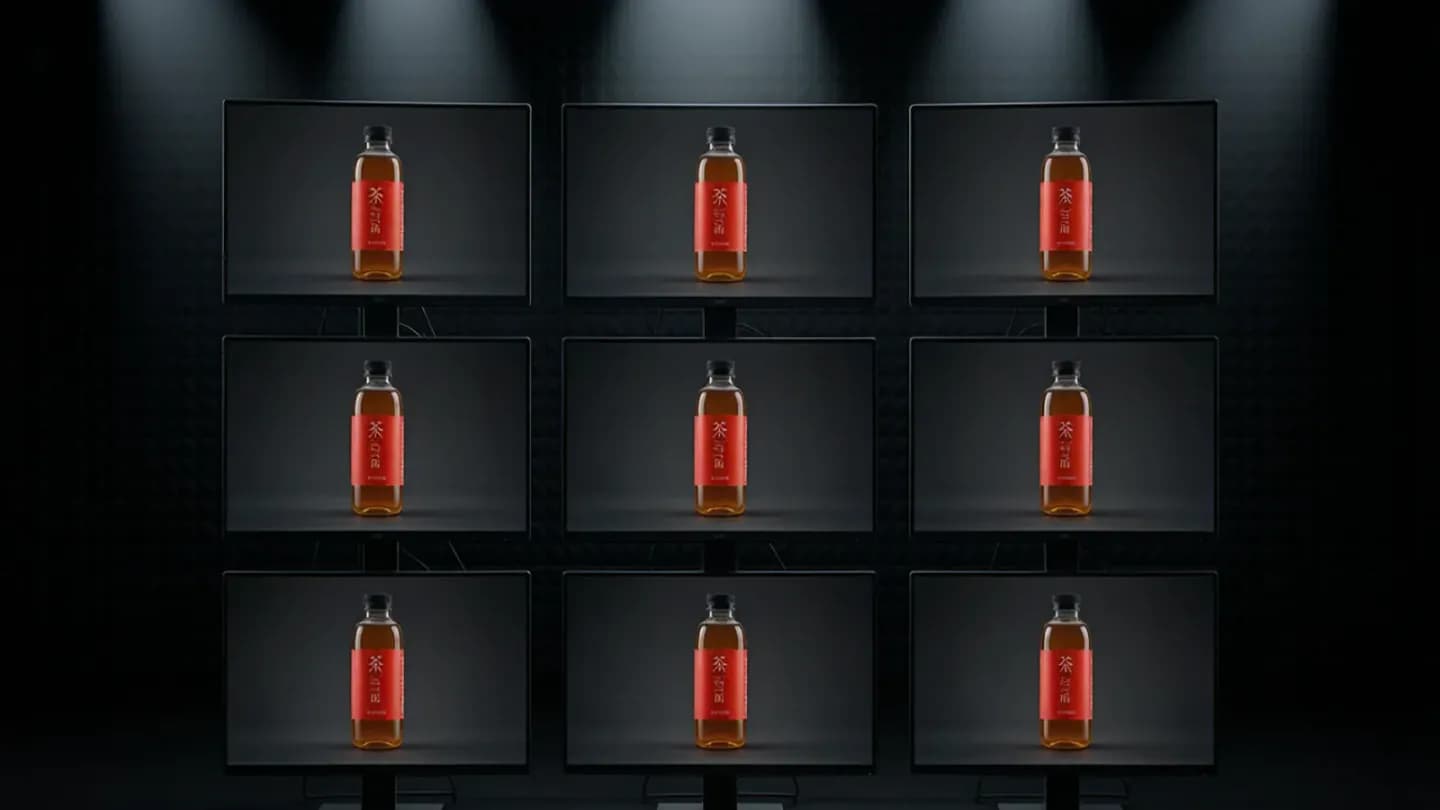
Cost is the lever that makes the volume math work. A clear-eyed {{link}} shows that the expense in AI video is consistency and iteration, not raw runtime, so the brands winning here invest in reusable references and batch production rather than paying per hero film. The CPG and retail leaders are treating creative output as a manufactured good with a known unit cost, which is what lets them sustain the refresh cadence modern channels demand.
Scale also raises the stakes on risk. Synthetic performers, deepfakes, and undisclosed AI faces are now regulated in several markets, including New York's synthetic-performer labeling law and the EU AI Act's transparency obligations. A practical {{link}} covers disclosure, consent, and watermarking before a campaign ships, so speed does not become a compliance liability. Brands that bake these checks into the pipeline treat governance as a feature of velocity, not a brake on it.
The 2026 AI video advertising shift is no longer theoretical for CPG and retail brands. The spend data, the CMO adoption curves, and the live campaigns all point the same way: generative video is becoming the default production layer for high-volume brand creative. The winners will be the teams that pair that throughput with disciplined consistency and governance, not the ones that simply generate the most clips.
A clear-eyed AI video production cost shows that the expense in AI video is consistency and iteration, not raw runtime, so the brands winning here invest in reusable references and batch production rather than paying per hero film.
A practical AI video governance playbook covers disclosure, consent, and watermarking before a campaign ships, so speed does not become a compliance liability.
Put the framework into production
These related pages connect the article’s planning advice to a specific commercial scope.
References
- 2026 IAB Digital Video Ad Spend & Strategy ReportIAB
U.S. digital video ad spend projected at $81.9 billion in 2026, +11% YoY; CPG ($16.9B) and retail ($9.4B) are the top two spending categories.
- The CMO Survey - Highlights and Insights Report 2026The CMO Survey
Generative AI used in 22.4% of marketing activities in 2026, up from 15.1% in 2025; content creation is the leading use case.
- Serviceplan Group CMO Barometer 2026Serviceplan Group
68% of marketing leaders say AI will be the defining topic of 2026, influencing every aspect of strategy.