AI commercials get their first quality bar
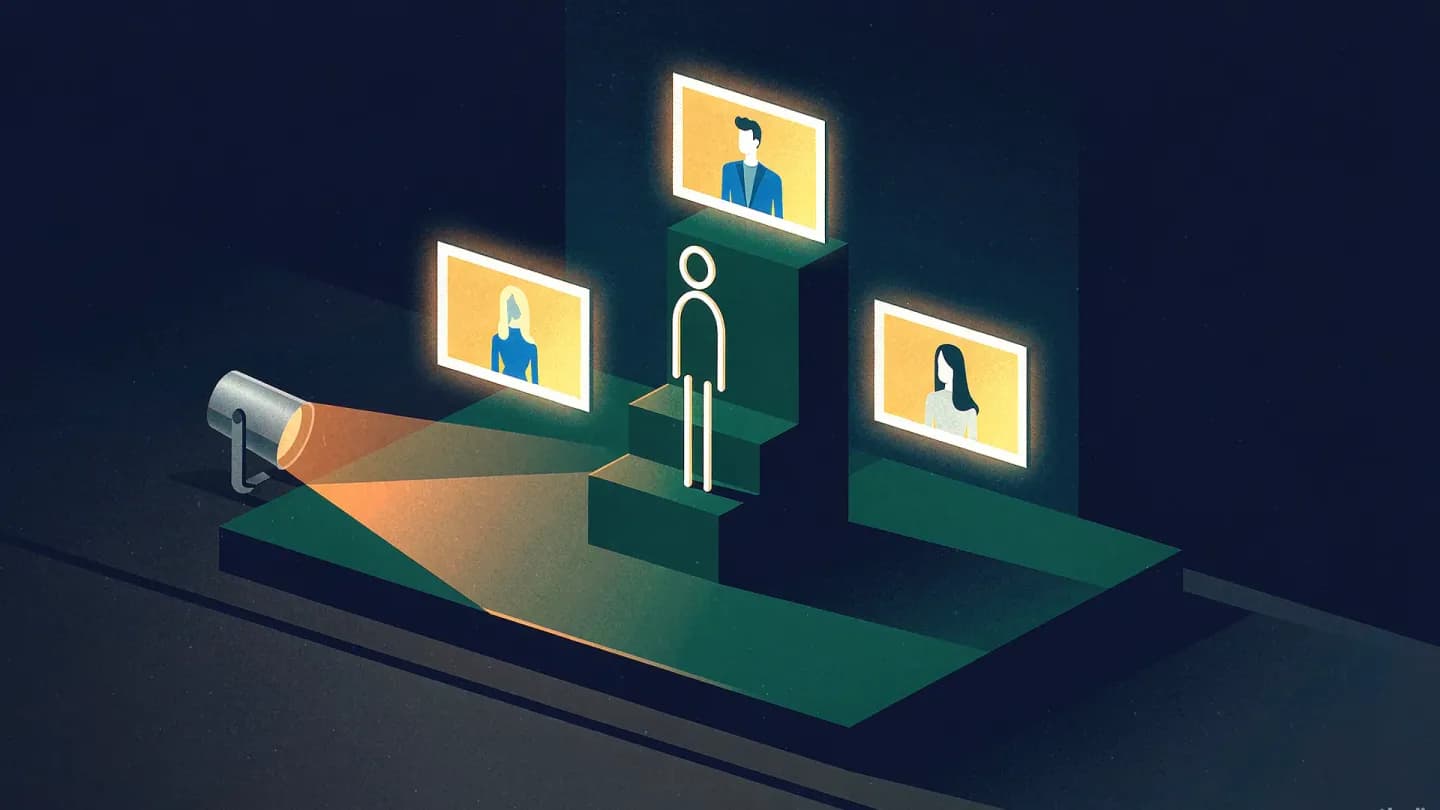
The advertising industry now has an awards show for AI commercials. On May 27, 2026, at Lavan Chelsea in New York, the first Generated Awards crowned eight winners chosen by six human jurors from roughly 1,700 submitted works. For commercial video teams, the result matters less as a trophy cabinet than as the medium's first public quality bar - and a map of where human craft still decides the outcome.
The Generated Awards was the first awards show dedicated entirely to AI-generated commercial advertising video, according to the organizers. Eight winners were selected from roughly 1,700 reviewed videos, and the event's own site is explicit about the method: the work was judged by people, not platforms. Six jurors personally reviewed every submission - on merit, not by algorithmic score, platform vote, or product promotion. The event's headline states the doctrine in six words: AI made the work, people chose the winners.
The jury roster reads like a deliberate bridge between advertising craft and the platforms building the tools: a VP of advertising and revenue operations at Bleav, a producer who has judged Emmy and Webby entries, a co-founder of the production company Fieldwork, a staff product designer at Meta, a product designer at Google, and the founder of a creator-network company. The organizers describe human review as what keeps the awards independent.
This publication has previously mapped the {{link}} that decides whether a generated cut is allowed to ship.
This publication has previously mapped the commercial quality threshold that decides whether a generated cut is allowed to ship.
The winners all credit a person, not a platform
Every award went to a name. The grand prize for Commercial of the Year went to 'The Watch', credited to Runway and director J. Felipe Orozco. PJ Accetturo won both Creator of the Year and Fictional Ad of the Year for 'Puppramin', a spot for a pharmaceutical brand that does not exist. Blackbrightstudio took Best Audio Experience for 'Instant Grind', made for Nescafe. Phil Lee won Best Visual Effects for 'Pacman'.
The craft categories followed the same doctrine. Best Storytelling went to Michal Kuzminski for 'The Perfection by Mistake', a spec ad for Lindor. Best Direction went to Gorilla Glue for 'Meet the New Chief Tough Officer'. Spec Ad of the Year went to 'Vans' by Caglasin Yilmaz and Bilgehan Yoldas - unsolicited work made to show off a creator's skills rather than to serve a brief.
The brand list behind the entries - Gucci, Lindor, Nescafe, Gorilla Glue, Spotify and Optimum among them, according to trade coverage of the ceremony - suggests the format has moved past novelty. These were not skunkworks experiments; they were commercial work entered into a commercial competition.
The direction prize is a reminder that {{link}} remains an authored discipline rather than a model default.
The direction prize is a reminder that shot direction remains an authored discipline rather than a model default.

The winning AI commercials share one pattern
Read the winner's circle as a set and a pattern emerges. Trade coverage of the ceremony described 'The Watch' as a spot in which the AI attributes were obvious while still conveying a sense of humanity, and summarized the field the same way: the best entries wore AI on their sleeves, often with tongue firmly planted in cheek.
That is a narrower claim than 'AI won'. The grand prize did not go to the most technically immaculate generation; it went to the piece where the machine's fingerprints were visible and the humanity still landed. Gorilla Glue's Chief Tough Officer proved a brand can be in on the joke and still sell the product. Even the Spec Ad of the Year - a Vans spot that never aired - won on idea, not budget.
The organizer's framing is the cleanest summary. 'We're not celebrating AI,' said Tanya Porquez, CEO of Generated Group. 'We're celebrating the humans who use it.' For a medium usually discussed in terms of model releases, the first jury chose to discuss authorship instead.
That instinct matches what this publication has documented about {{link}} in AI video advertising.
That instinct matches what this publication has documented about parody ads and the speed standard in AI video advertising.
What the categories say about where the work still needs people
The category list is itself an argument. Across direction, audio, storytelling, visual effects and platform, the jury built no trophy for speed, cost per spot or volume - the three numbers the AI video pitch usually leads with. There is no 'fastest turnaround' award. There is no 'cheapest production' award. If speed and cost were the metrics that mattered, the ceremony would have needed a leaderboard rather than a jury.
A dedicated audio prize confirms what this publication has argued about {{link}} as a production layer.
The choice of categories tells commercial teams where the residual human work sits. Direction is a decision about what the camera does and why. Storytelling is a decision about what the spot means. Audio is a decision about what the spot feels like. Visual effects reward the ability to make the impossible readable. None of those are outputs a text prompt reliably specifies, and none of them got cheaper just because generation did.
There is a quieter signal in the spec categories. Two of the eight winners were unsolicited work - a fictional ad and a spec ad - made by creators who were not on a client's payroll. The industry's first jury for AI commercials treated self-initiated work as a legitimate, even exemplary, part of the medium.
A dedicated audio prize confirms what this publication has argued about AI video sound design as a production layer.
The audience runs on a separate track
The industry's verdict and the audience's verdict are not the same verdict. Meltwater's real-time social listening at Super Bowl LX found that nearly 50% of conversations about AI ads skewed negative, with audiences calling many spots 'uninspired' or 'low-quality'. AI ads accounted for a small share of overall ad chatter, but the tone of that chatter was distinctly worse than the game's average.
The Meltwater team's own summary of the gap is the line worth pinning above a creative brief: 'Audiences will tolerate [AI] as a tool, but they won't embrace it as a shortcut for creativity,' said Alexandra Bjertnaes, the company's chief strategy officer. Trade coverage of the same data noted that roughly a third of respondents said they would trust a brand less if they knew a commercial was AI-generated. A separate YouGov survey of Australian consumers reached a similar conclusion, with nearly half saying the same.
Put the two datasets side by side and the rule writes itself. A human jury rewarded work where the method was visible and the authorship was human. A mass audience punished work where the method was a shortcut and the authorship was nobody. Both groups were responding to the same variable: whether a person made decisions the audience could feel.
The operating rules commercial teams can take from season one
Crediting named creators is not sentiment; it is how the {{link}} prices the people behind the work.
The first season of the Generated Awards is useful to commercial video teams as a diagnostic, not a trophy list. Two operating rules fall out of it immediately. First, credit humans in the asset itself: a named director, a named editor and a named studio are now quality signals, not vanity credits. Second, judge work on craft categories before the economics; speed and cost are table stakes, not differentiators.
Third, treat the submission process as a benchmark. Roughly 1,700 works were reviewed for season one, and nominations for the next edition are open on a rolling basis. A team that has never had its AI video work judged outside the client approval loop is flying blind on where the medium's bar actually sits.
Fourth, protect the spec budget. The Spec Ad of the Year and the Fictional Ad of the Year were both unsolicited. If the first jury for AI commercials is any indication, the work that moves the medium forward will increasingly come from creators who were never briefed - and the teams that notice early will be the ones hiring them. None of these four rules requires a better model; they require a better brief and a budget line for work nobody asked for.
Crediting named creators is not sentiment; it is how the talent market premium prices the people behind the work.
Put the framework into production
These related pages connect the article’s planning advice to a specific commercial scope.
References
- The Generated Awards - Best AI Ads of the YearGenerated Awards
The first Generated Awards ceremony was held on May 27, 2026 at Lavan Chelsea in New York; eight winners were selected from roughly 1,700 reviewed videos by six human jurors who reviewed every submission on merit, with the grand prize for Commercial of the Year going to 'The Watch' by Runway and J. Felipe Orozco.
- Meltwater Shows AI Ads Face Skepticism at Super Bowl 2026Meltwater
Meltwater's real-time social listening at Super Bowl LX found that nearly 50% of conversations about AI ads skewed negative, with audiences calling many spots 'uninspired' or 'low-quality'; chief strategy officer Alexandra Bjertnaes said audiences will tolerate AI as a tool but will not embrace it as a shortcut for creativity.
- A Fledgling Awards Show Embraces AI-Generated Commercials, Viewers Are At Arm's LengthTechstrong.ai
Trade coverage of the first Generated Awards reports that major brands including Gucci, Lindor, Nescafe, Gorilla Glue, Spotify and Optimum used AI-generated commercials, that 'The Watch' showed obvious AI attributes while still conveying humanity, and that the best entries 'wore AI on their sleeves, often with tongue firmly planted in cheek.'