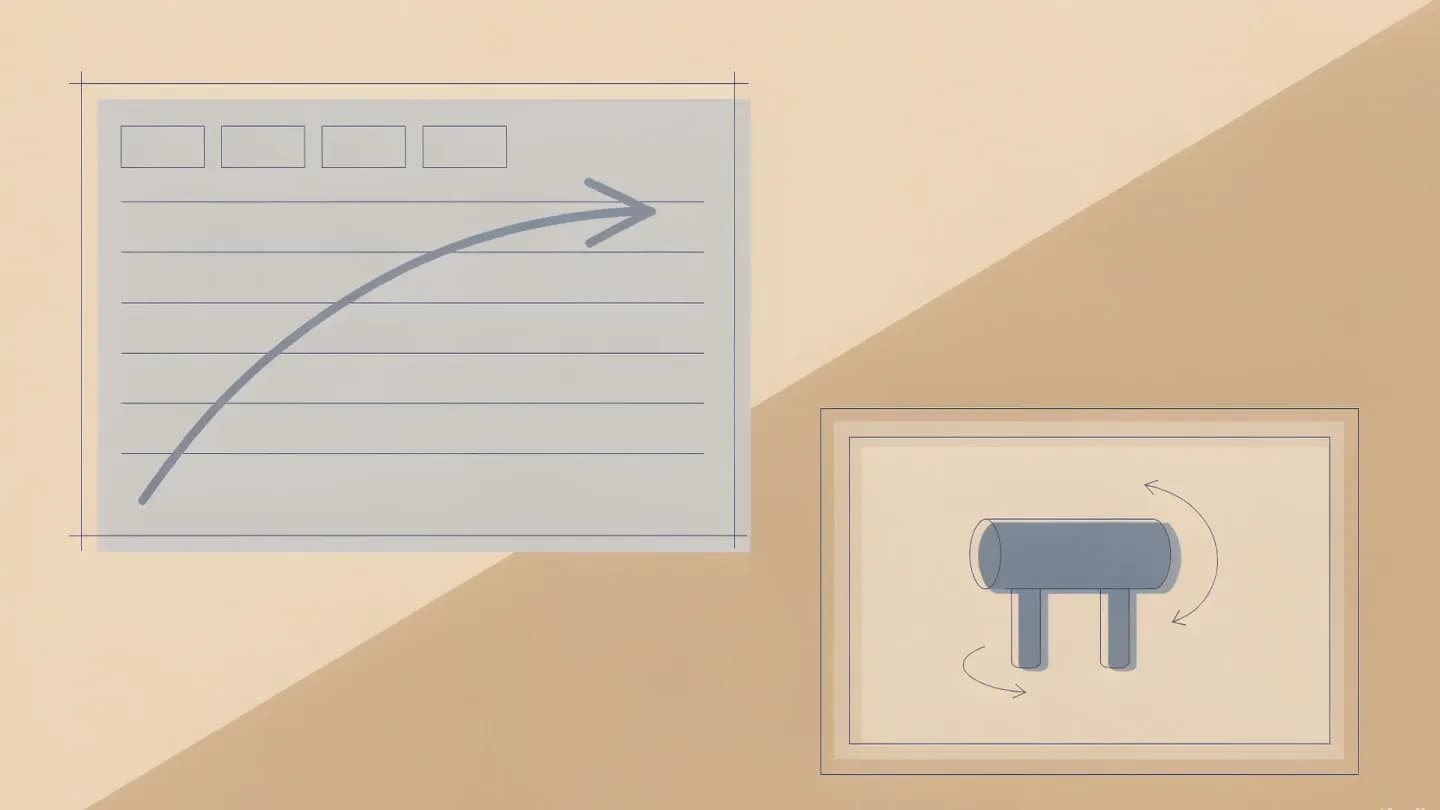
Why AI video camera control replaced prompt prose
AI video camera control is the skill that now separates a finished campaign from a pile of clips. Through September 2026 the leading models exposed shot-level cinematic controls — camera paths, signed axis values, keyframes, per-shot duration — and quietly demoted the long descriptive prompt to a supporting role. The commercial consequence is blunt: teams that plan shots beat teams that write better adjectives.
The prompts did not get worse. The interfaces got more specific. Google's video generation prompt guide now documents twelve named camera moves — static, pan, tilt, dolly, track, boom, zoom, crane, aerial, handheld, whip pan and arc — alongside thirteen named angles from eye-level and low-angle to Dutch tilt, over-the-shoulder and POV. The same guide carries an honest caveat: some advanced camera angles are not officially supported, and reliability varies with the prompt. That is a specification problem wearing a creativity costume.
Adjective stacking is the habit this replaces. Writing stunning, cinematic and ultra-detailed narrows a model's options without telling it where the camera is or what happens next. Naming a lens, a distance and one movement gives the model a decision instead of a mood, and decisions are what a shot is made of.
The money behind that problem keeps growing. IAB projects U.S. digital video ad spend above $80 billion in 2026, growing 11% and crossing 60% of total TV and video spend for the first time, with social video up 13% finally outpacing CTV at 11%. More inventory and more placements, but the same finite number of shots a team can genuinely direct.
The constraint-led approach still applies, just one level up. The {{link}} argument was that governed, brand-compliant generation beats raw volume; applied to camera work, it means a locked shot plan beats an open-ended prompt, because only the plan can be reviewed, priced and repeated.
The constraint-led approach to AI video production argument was that governed, brand-compliant generation beats raw volume; applied to camera work, it means a locked shot plan beats an open-ended prompt, because only the plan can be reviewed, priced and repeated.
The controls that replaced the adjective
Runway's camera controls are the clearest demonstration of what changed. Motion Brush lets a creator paint the area or subject to animate and then choose a direction and a corresponding value; Director Mode was updated so camera moves can be adjusted with more precision using fractional numbers. Runway explicitly recommends combining the two. Six axes with a signed intensity is a different kind of instruction from the word cinematic.
Frame-level control has moved in the same direction. Luma describes its Ray 3.2 model as offering multi-keyframe sequencing, cinematic camera control and motion transfer, with frame-by-frame control over generated footage. Keyframes are the engineer's version of blocking: you state where the camera and the subject are at defined moments and let the model interpolate the path between them.
Duration is part of the control surface too. If a platform accepts a clip length, choosing it deliberately changes the shot: four seconds forces economy while eight seconds allows a reveal, and writing a ten-second arc into a five-second render guarantees a truncated action. Stated ceilings now shape the shot plan directly rather than being discovered in the edit.
Anyone who has fought a widescreen master into a vertical placement already knows why this matters. The {{link}} exists because framing decisions made at generation time are far cheaper than framing decisions made after. Camera control is the upstream half of the same problem.
The AI video reframing control checklist exists because framing decisions made at generation time are far cheaper than framing decisions made after.
Camera and subject have to decouple
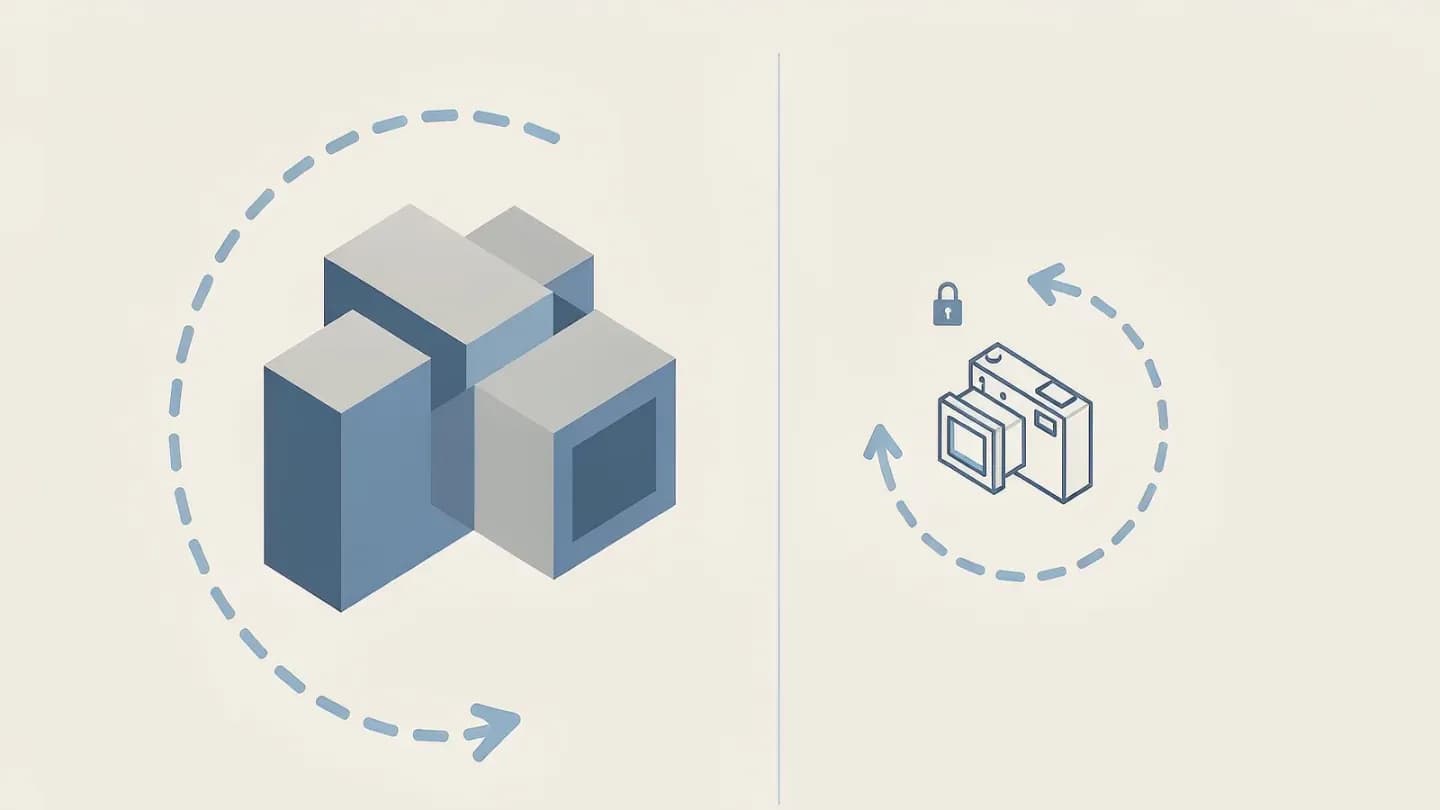
The practical test of shot-level direction is whether the camera can move while the subject holds its own action. Panning past a static figure is not cinematography; a camera that arcs while a product rotates on its own axis is. These are two independent motion problems, and most weak AI shots fail because they collapse into one.
Luma's own diagnosis of why sequences fall apart reframes the entire failure mode: these are not generation quality problems but context preservation problems, and the solution is not a better model but a better process. Nothing in that sentence is about resolution or model choice.
Misreading this costs real money. A team that blames the model for a drifting face will regenerate the same prompt a dozen times; a team that treats it as a context problem fixes the reference set once and moves on. The second team ships.
The same logic explains why multi-shot generation was worth building at all. The {{link}} mattered less for the extra seconds than for what it did to the unit of work: one generation could carry several deliberate shots instead of one hopeful clip that editors had to salvage afterwards.
The two-minute multi-shot generation milestone mattered less for the extra seconds than for what it did to the unit of work: one generation could carry several deliberate shots instead of one hopeful clip that editors had to salvage afterwards.
Continuity is a process problem, not a model problem
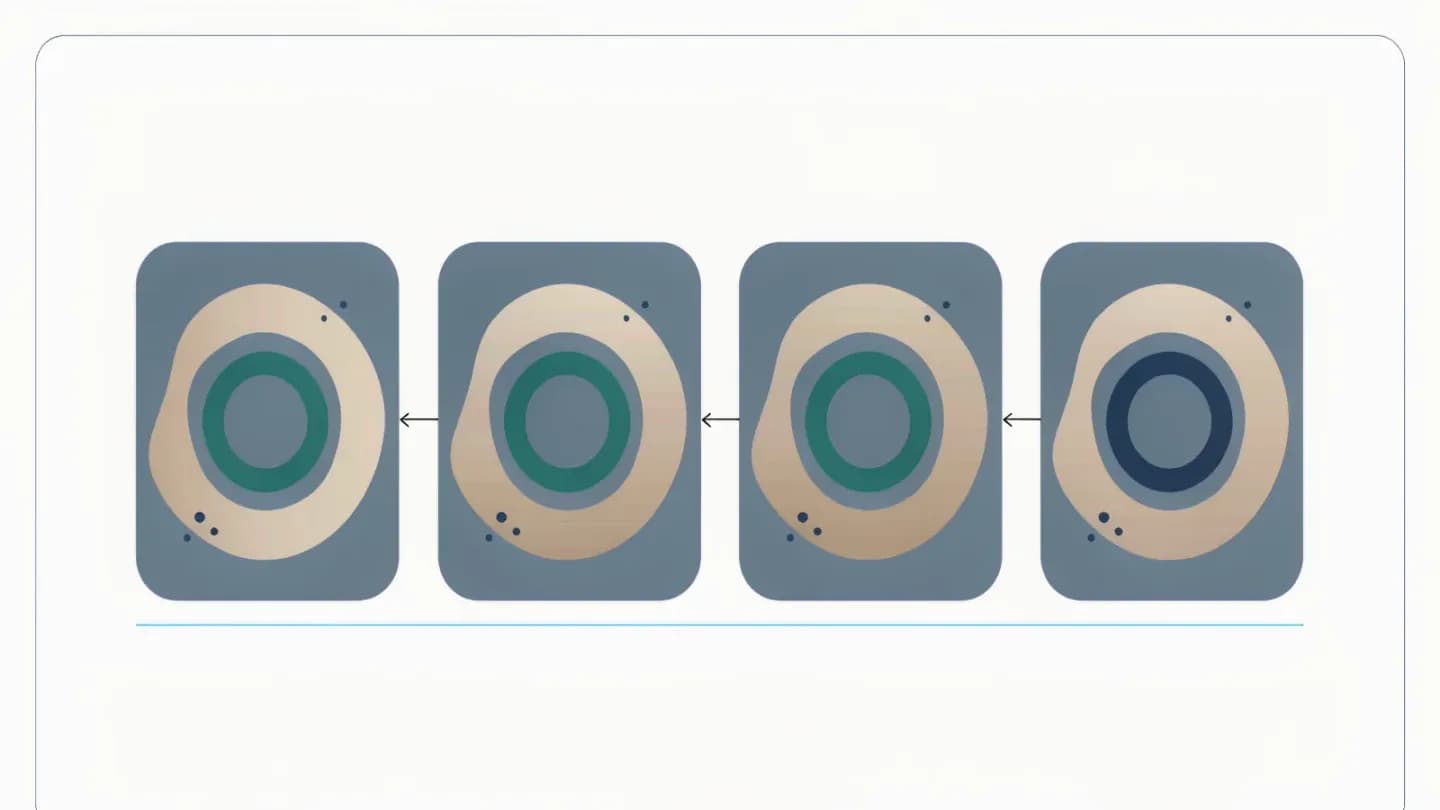
Continuity has a known, boring, effective fix. Luma calls last-frame continuity the most reliable technique for maintaining visual flow: you take the final frame of one scene and use it as the starting image for the next, which forces the model to carry lighting, colour and environment across the cut. Character consistency rides on the same discipline — one reference set, locked for the whole project, never swapped mid-way for something merely similar.
Grade is the third leg. Even a sequence with consistent content can look stitched together when the look drifts between shots, which is why the {{link}} discussion and this one are the same conversation: a single grading pass over the whole timeline is what makes separate generations read as one film.
None of this is prompt craft, and that is the point. Continuity is enforced by the order of operations — storyboard stills first, approve the look, lock references, then generate. Catching character drift in a still image takes minutes; catching it in rendered video takes hours.
Even a sequence with consistent content can look stitched together when the look drifts between shots, which is why the AI video HDR delivery shift discussion and this one are the same conversation: a single grading pass over the whole timeline is what makes separate generations read as one film.
The shot card: turning a shot list into prompts
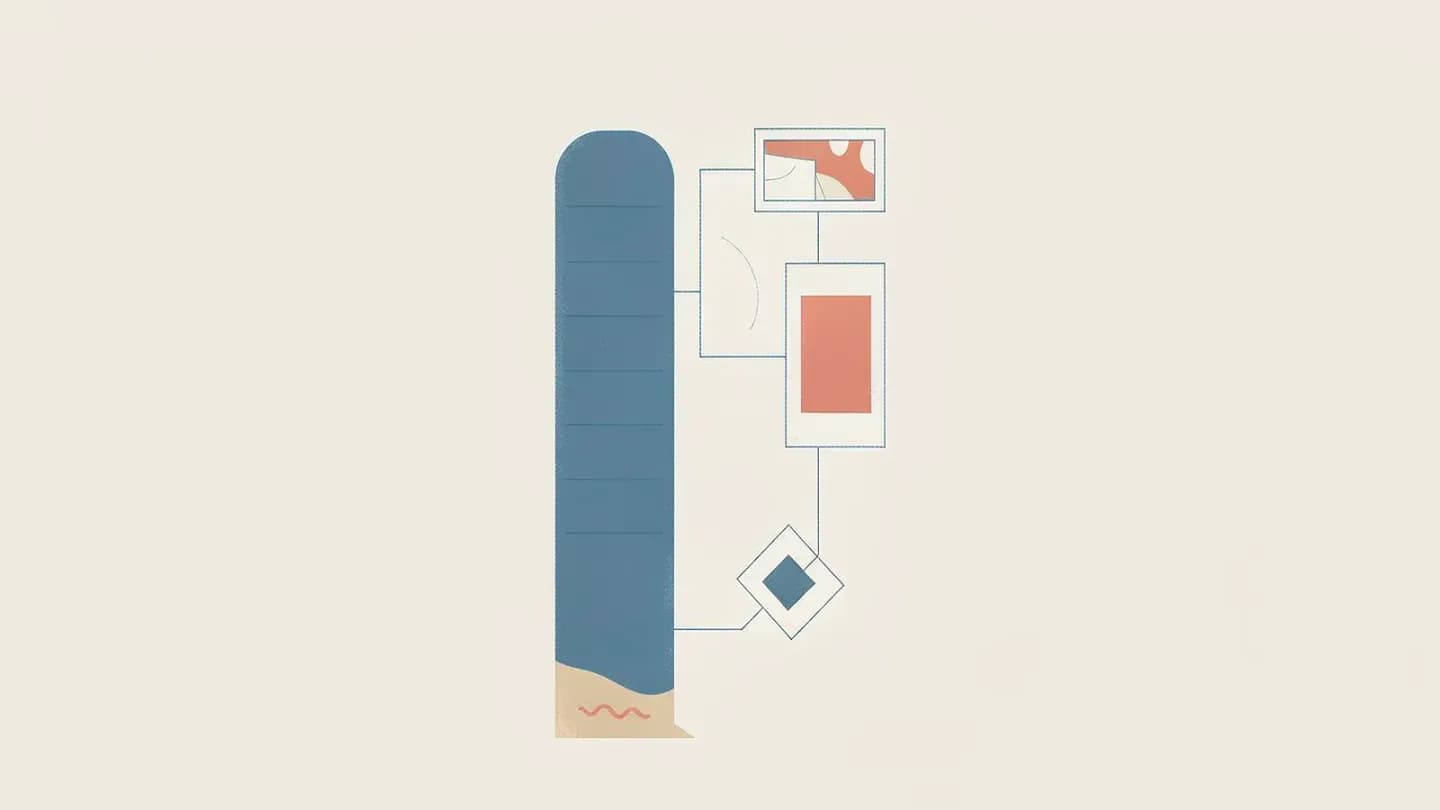
The working artefact of this discipline is small. A shot card is six lines: framing, subject and a single action, camera behaviour, duration, lighting, and what the cut resolves on. Fill one in per shot and the prompt becomes almost mechanical, which is exactly the goal, because mechanical prompts are reproducible and reproducible shots are reviewable.
Luma's recommended prompt template formalises the same idea in three parts: an opening of style and mood descriptors that never change, a middle that carries scene-specific action and composition, and a closing of technical specifications. Reuse the identical opening and closing everywhere and change only the middle. Luma's own phrasing is worth borrowing for internal documents — treat prompts as production documents, not casual requests.
Two rules keep cards honest. Give each shot one dominant movement: if the camera pushes in, the subject stays near-static, and if the subject moves, lock the camera. Express speed quantitatively, because a slow push over four seconds is executable while dramatic movement is not. Anything that needs three simultaneous motions is probably three shots.
What shot-level direction costs, and who owns the call
None of this is free. Motion control, extra keyframes and multi-shot sequences are priced per second of output, so camera ambition converts directly into a line item and every rejected take is billed. The {{link}} problem reappears at the shot level: the constraint is no longer model quality but how fast approved shots can be rendered and returned.
That has an organisational consequence. If the decisive input is now a shot list rather than a paragraph, the person who owns the shot list owns the output. Teams that gained leverage purely from writing better prompts are being separated from teams that can storyboard, price and approve a sequence, and only the second group converts generation speed into delivered work.
There is a governance angle that gets missed. If a shot list is a production document, it is also a review artefact: brand, legal and accessibility checks can be attached to specific shots and specific durations rather than argued about at the end of a render. That is the difference between a generative workflow an organisation can defend and one it can only hope worked.
The uncomfortable part is that the tools made this easier, not harder. Every control added in 2026 lowered the cost of precision, which raised the cost of not having a plan. Teams that treat the shot as the unit of work will look deliberate; teams that keep prompting will keep accumulating clips.
The render queue bottleneck problem reappears at the shot level: the constraint is no longer model quality but how fast approved shots can be rendered and returned.
Put the framework into production
These related pages connect the article’s planning advice to a specific commercial scope.
References
- Video generation prompt guideGoogle Cloud
Documents twelve named camera moves (static, pan, tilt, dolly, track, boom, zoom, crane, aerial, handheld, whip pan, arc) and thirteen named camera angles for video generation, and warns that some advanced camera angles are not officially supported, so results and reliability may vary.
- Multi-Scene AI Video: How to Build a Sequence That Holds TogetherLuma AI
Describes visual drift across scenes as a context preservation problem rather than a generation quality problem, and documents last-frame continuity, reference locking, and a prompt template whose opening and closing stay identical while only the middle changes.
- More control, fidelity and expressibilityRunway
Introduces Motion Brush, which lets a creator paint the area or subject to add motion to and then choose a direction and corresponding value, and updates Director Mode's advanced camera controls so moves can be adjusted with fractional precision and combined with Motion Brush.
- 2026 Digital Video Ad Spend & Strategy ReportIAB
Projects U.S. digital video ad spend to surpass $80 billion in 2026, growing 11% year over year and expected to exceed 60% of total TV/video ad spend for the first time, with social video (13%) outpacing CTV (11%).