What the AI video talent market actually prices in 2026
The AI video talent market in 2026 pays for finished, on-brand, shippable video, not for access to a generator. Upwork's own earnings data shows demand for AI video generation and editing up 329 percent year over year, yet the rate bands inside that demand split roughly threefold: generic AI video work sits near 15 to 50 dollars an hour while specialist workflow control reaches 30 to 150. Tool access has become the cheap part of the job.
Two years ago the credential that got a freelance video producer hired was access: a subscription, a fast machine, a seat in a waitlisted beta. That credential has fully depreciated. A general AI-generated-video listing now sits somewhere around 15 to 50 dollars an hour, a band wide enough to include anyone with a login and low enough that it sits inside what traditional video editors already charged. The scarcity moved to the part that still requires a person deciding: keeping a product and a character identical across five cuts, choosing which take is on brand, and knowing what a placement specification will actually accept.
The same reallocation shows up in {{link}}, because the paid hours did not disappear - they moved into review, cleanup and finish. That is why buying teams now see rates rising and falling at once inside a single job title. The variable is not seniority or software; it is whether the freelancer is selling raw output or selling a workflow that terminates in an approved asset.
The same reallocation shows up in the finishing trades where ad production work now concentrates, because the paid hours did not disappear - they moved into review, cleanup and finish.
The 329 percent surge is a demand signal, not a rate promise
Upwork's In-Demand Skills 2026 report measures contracted freelancer earnings between January and December 2025 across six broad categories of work, with demand originating in the United States. In that dataset, AI video generation and editing grew 329 percent year over year, the fastest-growing skill in its Design and Creative category. Skills that explicitly reference AI grew 109 percent, against 23 percent for the other fast-growing skills the report tracked. AI integration rose 178 percent and AI data annotation and labelling 154 percent.
Read those numbers with the methodology attached. Only contracted jobs were analysed, and every skill needed at least 100,000 dollars of aggregate freelancer earnings to qualify, so the 329 percent describes a shift in awarded, paid work rather than search interest or course enrolments. The window also closes in December 2025, which means the published rate cards buyers consult today reflect the wave rather than its beginning.
This is the practical version of {{link}}: what a team can ship, not what it can generate, sets its ceiling. It is also why demand growth and price should be read separately. Full-stack development remains one of the most-hired technical skills on the same platform and still lists at roughly 16 to 35 dollars an hour, because a deep global supply keeps a band compressed no matter how much work exists. AI video is moving into that structural position fast, so the useful question is not whether demand is growing but which slice of it will hold its price.
This is the practical version of why approved deliverables, not renders, became the unit of capacity: what a team can ship, not what it can generate, sets its ceiling.
Where the hourly money actually divides
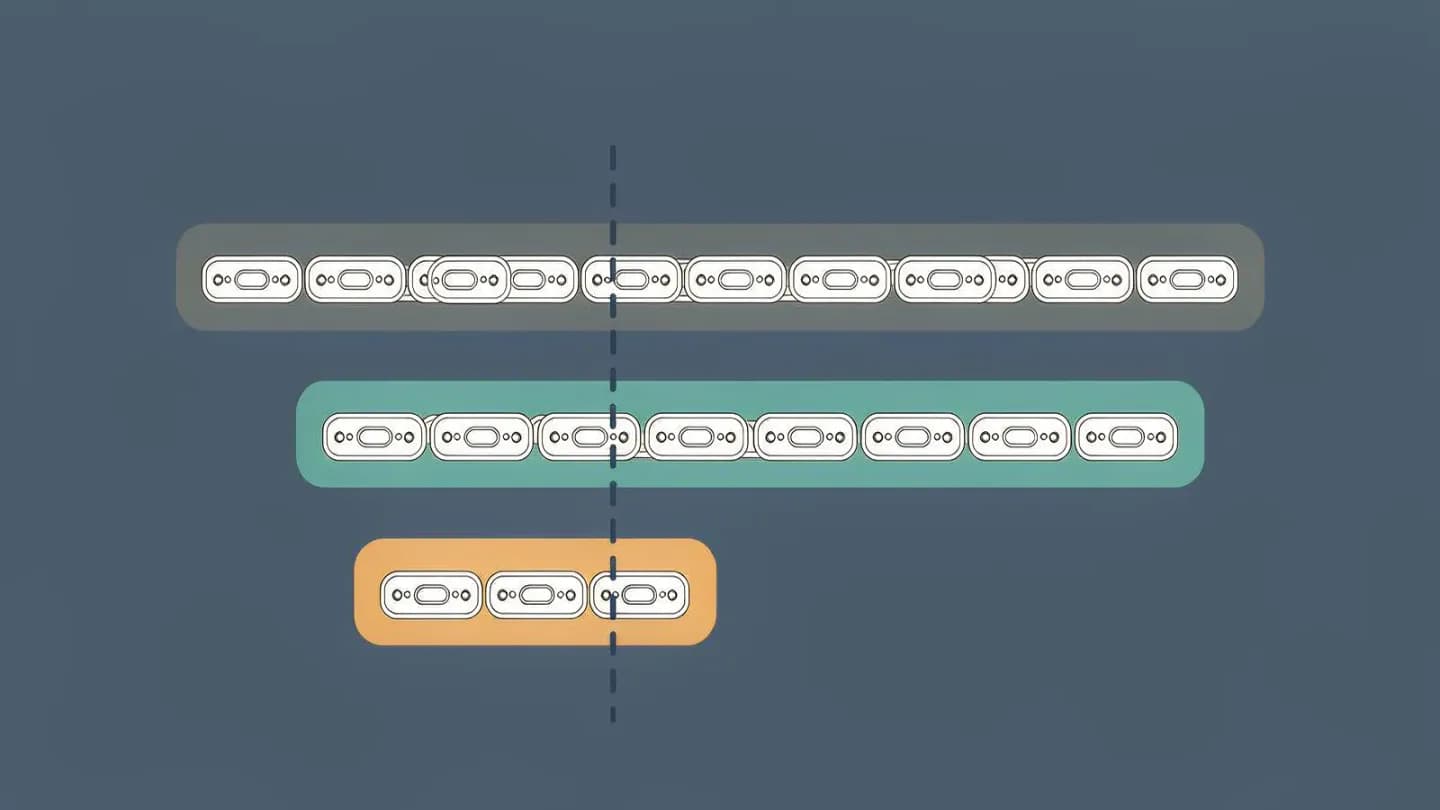
Three bands now describe one category. General AI-generated-video specialists list around 15 to 50 dollars an hour. Specialised model-specific talent, with Kling work the clearest published example, lists at roughly 30 to 150 dollars. Traditional video editors sit at about 10 to 60 dollars. The specialist AI band therefore clears the ceiling of the traditional editor band, while the generic AI band sits beneath its floor.
The earnings data behind that split is blunt. Upwork's Future Workforce Index puts the per-hour premium for freelancers doing AI work at 34 percent over comparable non-AI work, and the same research is explicit that the premium does not attach to raw AI output. Bulk generated video, prompt packs and anything a client can reproduce with one subscription and ten minutes is described as racing toward zero, while the premium lands on production that wraps real editing craft, brand voice, quality control and strategy around the model.
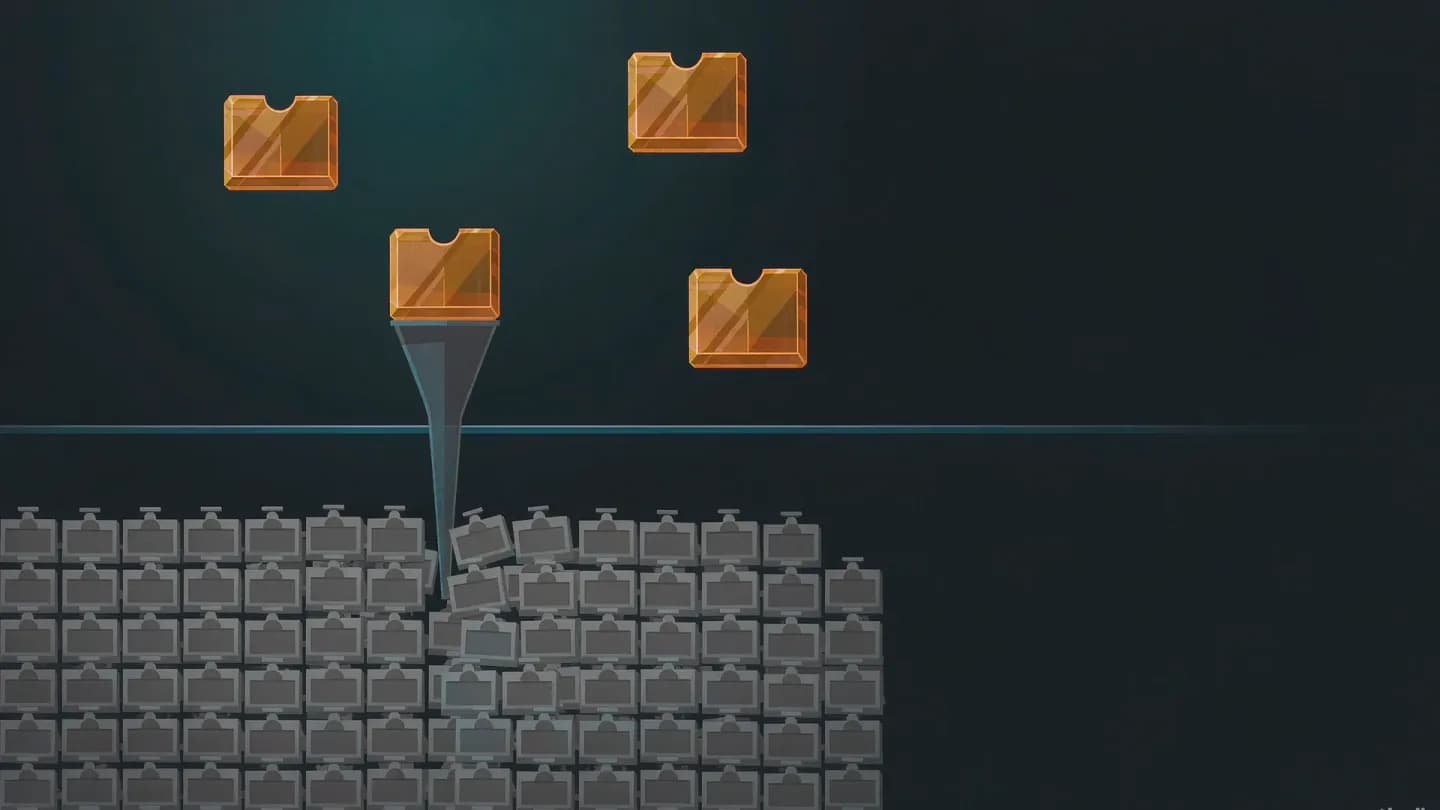
Generation volume stopped being the constraint once {{link}} arrived, which pushed the ceiling downstream into human judgment. A brand that has already driven the marginal cost of a clip toward zero does not need more clips. It needs someone who can decide which thirty of three hundred are worth running and then finish them to a standard the platform and the legal reviewer will both accept.
Generation volume stopped being the constraint once near-zero marginal cost per additional variant arrived, which pushed the ceiling downstream into human judgment.
What clients are actually buying has changed
The search terms moved first. Recent fast-growing queries on the marketplace include AI UGC, AI video creator, AI video ads and AI video generation, and the pattern inside them is that buyers want ad creative, creator-style clips and marketing assets they can run rather than demonstrations of what a model can do. Upwork's monthly marketplace analysis also placed AI Video Generation first among skills growing on both a year-over-year and a month-over-month basis, with hiring for AI video production growing faster than hiring across video production overall.
The sharpest evidence is a number about repair. Upwork studied job posts where clients wanted a human to fix, refine or finish AI-generated work and found those posts up 70 percent year over year on a trailing twelve-month basis. In Design and Creative specifically, the count had grown almost eightfold since 2023. That is a demand curve for people who can take a generated first draft and make it usable, which is a different job from generating more drafts.
Hiring intent points the same way. Upwork's survey work reports that 77 percent of business leaders believe AI is increasing their need for fractional, task-sized help rather than full-time roles. Fractional, premium and specialist are three words for the same purchase: a slice of expertise small enough to buy for ten hours and specific enough to unblock a launch. That is also why the useful hiring instruction is to screen for the bottleneck rather than the buzzword.

How a brand team should split the work
Treat the chain as four separable purchases and price each on its own evidence. Concept and hook is a judgment call, so brief it rather than outsourcing it. Generation has become a commodity input, so buy it by the second and expect to discard most of it. Selection and finish is where the specialist band sits and is the line item that decides whether the asset ships at all. Compliance and placement specification is cheap to define up front and expensive to discover late.
Then test the person rather than the tool list. A paid test edit on one real video reveals more than a portfolio of spec work. Ask for a cut built from your own product footage with your logo and your on-screen text, because generators still mishandle real brand marks, and watch whether the first pass arrives close to final or needs two rounds of notes before it becomes coherent. Character consistency, pacing, sound and placement-safe dimensions are the screen. Software names are not.
Hiring around {{link}} matters more than hiring around a tool, because the load lands on one or two people either way. Write the quote properly as well: a per-video price with a stated number of revision rounds and the cost of extra rounds, project files and captions and platform versions named as deliverables, and a paid test before any retainer. The mechanical half of the work is genuinely cheap now, which is exactly why the rest of the invoice should be justified by judgment rather than by hours logged.
Hiring around the batch-and-route system that keeps small teams from burning out matters more than hiring around a tool, because the load lands on one or two people either way.

What this means for the next brief you write
The market has already repriced the tool and has not yet repriced the judgment, and that gap is where a buying team has leverage. Ask a vendor or freelancer what share of the delivered asset they personally selected, decided or finished, and ask what they would have rejected in the raw batch and why. The answer separates a workflow operator from a person running a generator.
Keep the two signals apart when you plan. Demand growth tells you what everyone is buying. The hourly bands tell you what still holds its price. A hiring plan built on the first number is a bet on a commodity; one built on the second is a bet on the last scarce input in the chain, which in 2026 is the person who can turn a generated frame into a claim you are willing to run under your brand.
Put the framework into production
These related pages connect the article’s planning advice to a specific commercial scope.
References
- Upwork Says AI Is Increasing Demand for Fractional TalentThe Useful Daily
Upwork's 2026 In-Demand Skills report says demand for AI video generation and editing rose 329 percent year over year and demand for AI annotation and data labeling rose 154 percent, while demand for skills explicitly mentioning AI grew 109 percent year over year versus 23 percent for the rest of the skills in that high-growth group. The report also says 77 percent of business leaders believe AI is increasing their need for fractional, task-sized specialist help rather than full-time roles, and that the work clients buy is getting more specific, which is why the advice is to hire for bottlenecks rather than buzzwords.
- Which Upwork skills pay the most now?Steal What Works
Live Upwork pricing pages checked on 17 September 2026 show general AI-generated-video specialists around 15 to 50 dollars an hour, specialised Kling AI talent at roughly 30 to 150 dollars an hour, and traditional video editors at about 10 to 60 dollars an hour. AI Video Generation ranked first among skills growing on both a year-over-year and month-over-month basis in Upwork's latest monthly marketplace analysis, and hiring for AI video production grew faster than hiring across video production overall. Job posts where clients wanted a human to fix, refine or finish AI-generated work were up 70 percent year over year on a trailing twelve-month basis, and in Design and Creative the count had grown almost eightfold since 2023. Fast-growing client searches included AI UGC, AI video creator, AI video ads and AI video generation. Full-stack development remains among the most-hired skills but lists at only about 16 to 35 dollars an hour.
- Freelancers Doing AI Work Earn 34% More Per Hour: Upwork's New Data ExplainedAI TrendWave
Upwork's Future Workforce Index 2026, published July 2026, found freelancers doing AI work on the platform earn 34 percent more per hour than those who do not incorporate AI, while demand for skills explicitly referencing AI grew 109 percent year over year and AI video generation and editing grew 329 percent. The report states the premium goes to freelancers whose AI use supports expertise rather than to those selling raw AI output, with bulk generated articles, images or videos and prompt packs described as collapsing in price while production with genuine editing craft climbs.
- How Much Does It Cost to Hire a Video Editor in 2026? (US Rates vs AI Editing)Vidpal
US hire rates in 2026 run roughly 25 to 75 dollars an hour for a capable freelance editor, 50 to 150 dollars an hour for a senior editor with commercial experience, and 30 to 150 dollars per short-form clip under 90 seconds. An AI editing subscription runs about 19 to 49 dollars a month and handles the mechanical portions of short-form work, which is why the common arrangement is now AI for the first pass and a human for finishing. On getting a fair quote: ask for a per-video price with two revision rounds included and the cost of extra rounds, agree on file delivery and ownership of project files, and request a paid test edit on one real video before committing to a retainer.