Why the 2026 text-to-video model landscape changed
Choosing a text-to-video model in 2026 is no longer a novelty decision — it is a production decision. The category crossed from research demo to commercial infrastructure in roughly eighteen months, and the vendors now ship on a cadence that forces marketing and creative teams to re-evaluate their stack every quarter.
The money follows the capability. Independent market research puts the text-to-video model market at USD 420 million in 2025, climbing to USD 3.43 billion by 2032 at a 35.06% compound annual growth rate, with media and entertainment already the largest end-user segment at 45.5%. On the demand side, IAB's 2026 Digital Video Ad Spend Report projects U.S. digital video ad spending to surpass USD 81.9 billion in 2026, growing 11% year over year and accounting for more than 60% of total TV and video ad spend for the first time — and consumer packaged goods is the single largest category at USD 16.9 billion.
That convergence — cheaper generation plus rising brand budgets — is why model selection is now a line item, not a lab experiment. The rest of this guide compares the six engines that matter for commercial video in 2026 and shows how to pick one without rebuilding your pipeline every time a vendor ships.
The six models worth comparing in 2026
Six models define the commercial conversation: OpenAI's Sora 2, Google's Veo 3.1, Kuaishou's Kling 3.0, ByteDance's Seedance 2.5, Alibaba's Wan 2.7, and Runway's Gen-4.5. They are not interchangeable. Each optimizes for a different part of the production chain, from raw fidelity to editability to whether you can run it inside your own firewall.
| Model | Maker | Max single clip | Peak resolution | Native audio | Standout strength | |-------|-------|-----------------|----------------|--------------|-------------------| | Sora 2 | OpenAI | ~20s (pro ~60s) | 1080p | Yes | Reusable character references, Azure + API | | Veo 3.1 | Google | 1min+ via Extend | 4K (Gemini API) | Yes | Ingredients-to-Video consistency, Flow | | Kling 3.0 | Kuaishou | 15s | 4K | Yes, multilingual | AI Director multi-shot (up to 6 cuts) | | Seedance 2.5 | ByteDance | 30s (+ multi-round extend) | 1080p-class | Yes | Longest single clip, 50 multimodal references | | Wan 2.7 | Alibaba | 2–15s | 1080p | Yes | Open weights (Apache 2.0), instruction editing | | Gen-4.5 | Runway | ~10s clips | 4K upscale | Lip-sync tool | Pro workflow: Motion Brush, Act-Two |
Read the table as a map of trade-offs, not a leaderboard. A model that wins on fidelity may lose on editability, and the one with the longest clip may be the weakest on brand-locked consistency. The sections below unpack the four dimensions that actually move commercial outcomes.

Duration, resolution, and what production-ready means
Headline resolution numbers mislead. Most commercial social cuts are 9:16 and 1080p, so a model capped at 1080p is not disqualified — but a model that only reaches 720p will struggle on connected TV or hero placements. Veo 3.1 and Kling 3.0 both reach 4K through their enterprise APIs, while Sora 2's pro tier tops out at 1080p and Wan 2.7 sits at 1080p with a 4K upscale path.
Duration matters more than resolution for narrative work. Seedance 2.5 generates a single 30-second clip and supports multi-round extension, which is the longest off-the-shelf output in this group. Sora 2 generates up to about 20 seconds per call (longer on pro), Veo 3.1's Extend pushes a shot past a minute, and Kling 3.0 lands at 15 seconds. For a 30-second ad you will still stitch clips regardless of vendor — the difference is how much coherent material you get before the seam.
Production-ready, in practice, means three things the spec sheet hides: stable motion without the 'floaty' drift, readable on-screen text and logos, and a predictable way to chain clips. Seedance 2.5 and Kling 3.0 both emphasize branded-text preservation and timestamp-accurate local editing, which is why they show up most often in e-commerce and ad pipelines.
Character and brand consistency across shots
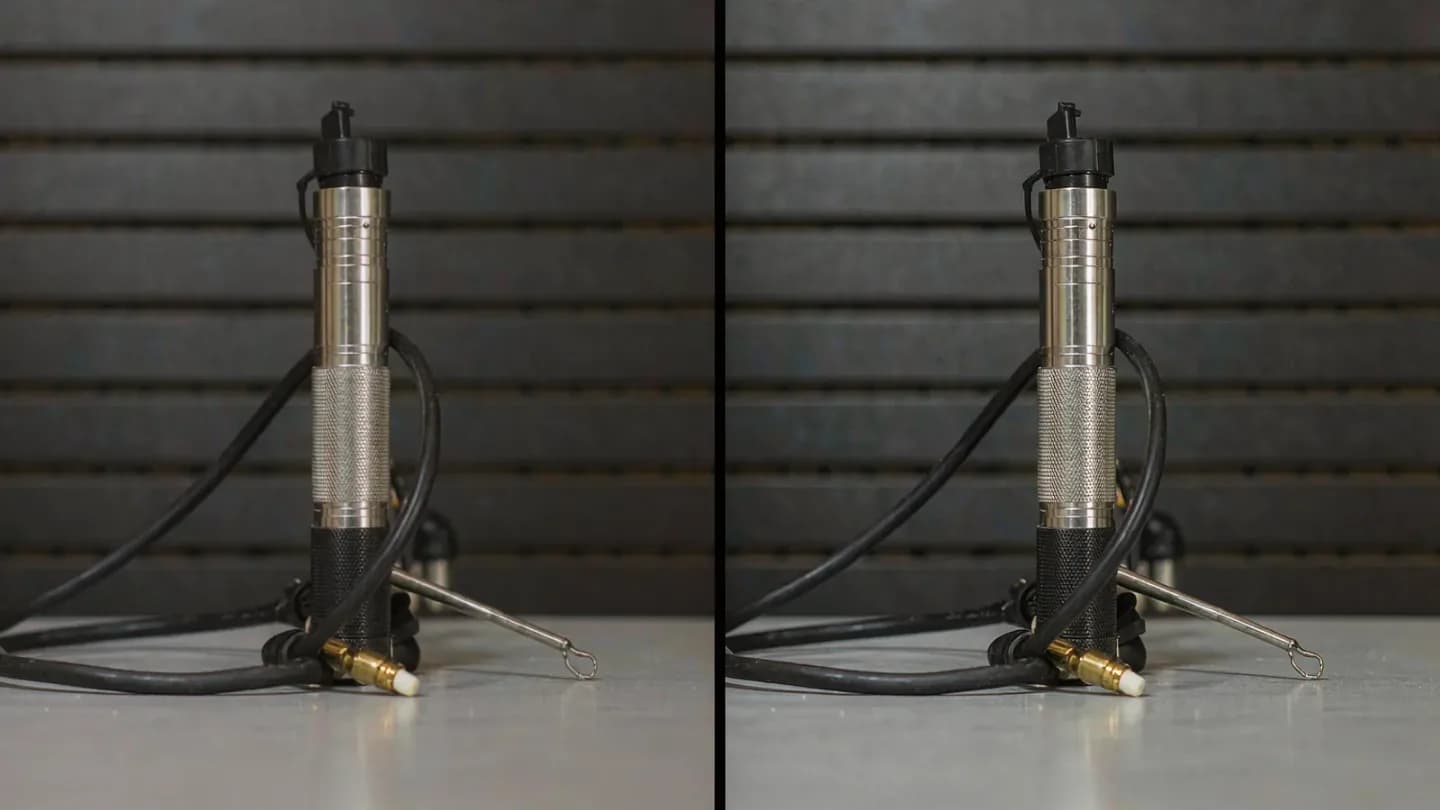
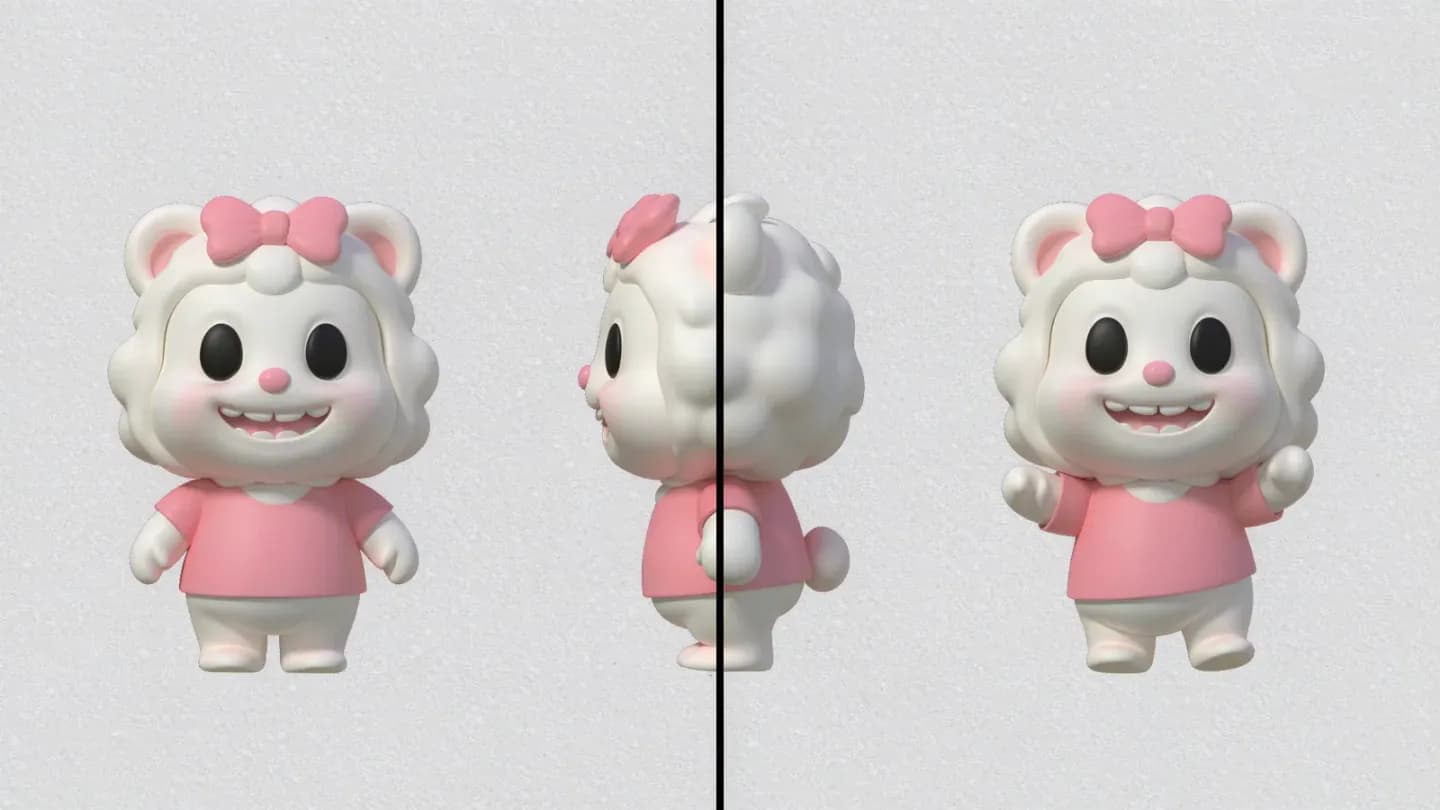
For brand work the decisive question is whether a model keeps a face, product, or logo unchanged from shot to shot ({{link}}). This is the single biggest reason a technically impressive demo still fails a client review, because a mascot that morphs between cuts reads as low budget no matter how crisp the frames are.
The approaches differ by design. Sora 2 lets you upload a character reference once and reuse it across generations. Veo 3.1's Ingredients-to-Video blends multiple reference images to hold characters, objects, and style. Kling 3.0's Elements system locks up to several reference images for identity continuity, and Seedance 2.5 ingests up to 50 multimodal references — images, video, and audio — to keep faces, outfits, and brand colors stable across a multi-shot scene. The mechanism varies; the goal is identical.
Consistency is also where human review stays non-negotiable. Even the best reference system drifts on hair, hands, and fine logo detail, so build a fixed reference sheet and a QC gate rather than trusting the model to hold a brand indefinitely.
For brand work the decisive question is whether a model keeps a face, product, or logo unchanged from shot to shot (AI video character consistency).
Native audio and the workflow shift
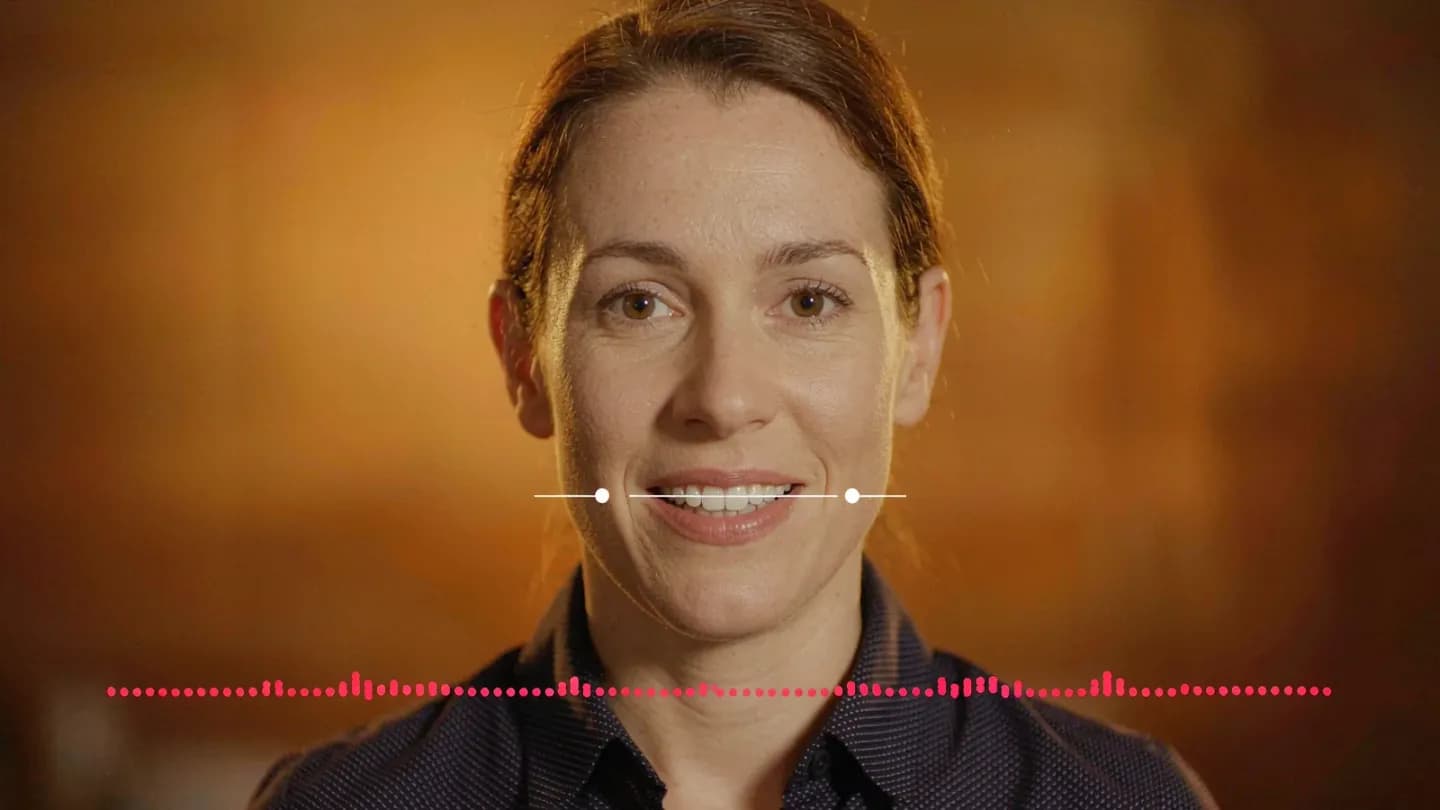
The single biggest workflow change this year is native audio, where dialogue and effects are generated with the picture instead of dubbed in later ({{link}}). Sora 2, Veo 3.1, Kling 3.0, and Seedance 2.5 all generate synchronized speech, ambient sound, and music in the same pass, with Kling 3.0 supporting multiple languages and accents per character.
For short-form ads this collapses a whole post-production stage. A 15-second product spot that once needed a voice actor, a sound library, and a mix can now ship from a single prompt — provided the lip-sync holds. Runway takes a different path, generating video first and applying a separate lip-sync pass, which keeps more control but adds a step.
Native audio also raises the bar on disclosure. Any synthetic spokesperson speaking on behalf of a brand should carry provenance and, where required, a visible AI label — a point we return to below, because it is now a distribution requirement rather than a nice-to-have.
The single biggest workflow change this year is native audio, where dialogue and effects are generated with the picture instead of dubbed in later (native audio in AI video).
Open weights versus closed APIs, and how to choose
The build-or-buy fork comes down to whether you self-host open weights or call a hosted API, and the trade-offs are larger than price alone ({{link}}). Wan 2.7 is released under Apache 2.0, which means you can run it inside your own infrastructure, fine-tune it on brand assets, and avoid sending confidential briefs to a third party — at the cost of GPU engineering. The other five are closed APIs with per-second pricing and opaque update cycles.
A practical model-selection framework scores each engine on the job it actually does best rather than its headline demo ({{link}}). Match the work: use Veo 3.1 or Sora 2 for hero fidelity and character-led narrative, Kling 3.0 or Seedance 2.5 for multi-shot e-commerce and ad cuts, Wan 2.7 when data residency or cost at volume dictates self-hosting, and Runway Gen-4.5 when you need an end-to-end editing workflow rather than one perfect clip.
Whatever you choose, treat the model version as a pinned dependency. Vendors ship silently, and a prompt tuned to one version can break on the next — which is exactly why a model-drift gate belongs in any serious pipeline. And before anything ships to a paid placement, attach C2PA Content Credentials so the asset carries tamper-evident provenance recording its origin, modifications, and AI use, satisfying the disclosure expectations buyers and platforms now enforce.
The build-or-buy fork comes down to whether you self-host open weights or call a hosted API, and the trade-offs are larger than price alone (self-hosted versus API video models).
A practical model-selection framework scores each engine on the job it actually does best rather than its headline demo (AI video model selection guide).
Put the framework into production
These related pages connect the article’s planning advice to a specific commercial scope.
References
- 2026 IAB Digital Video Ad Spend & Strategy Report: Part OneIAB
U.S. digital video ad spend is projected to surpass USD 81.9 billion in 2026 (+11% YoY), exceed 60% of total TV/video ad spend, with CPG the largest category at USD 16.9 billion and two-thirds of buyers using or planning agentic AI.
- C2PA and Content Credentials ExplainerC2PA
Content Credentials cryptographically record an asset's origin, modifications, and AI use (via digitalSourceType), giving commercial AI-generated video tamper-evident provenance that platforms and buyers now expect.
- Introducing Veo 3.1 and advanced capabilities in FlowGoogle
Veo 3.1 adds native audio across Ingredients-to-Video, Frames-to-Video and Extend, with Ingredients-to-Video holding characters, objects and style for stronger consistency; available via Flow, Gemini API and Vertex AI.
- Text-to-video Model MarketPW Consulting (pmarketresearch)
The text-to-video model market reached USD 420 million in 2025 and is projected to reach USD 3.43 billion by 2032 at a 35.06% CAGR, with media and entertainment the largest end-user segment at 45.5%.