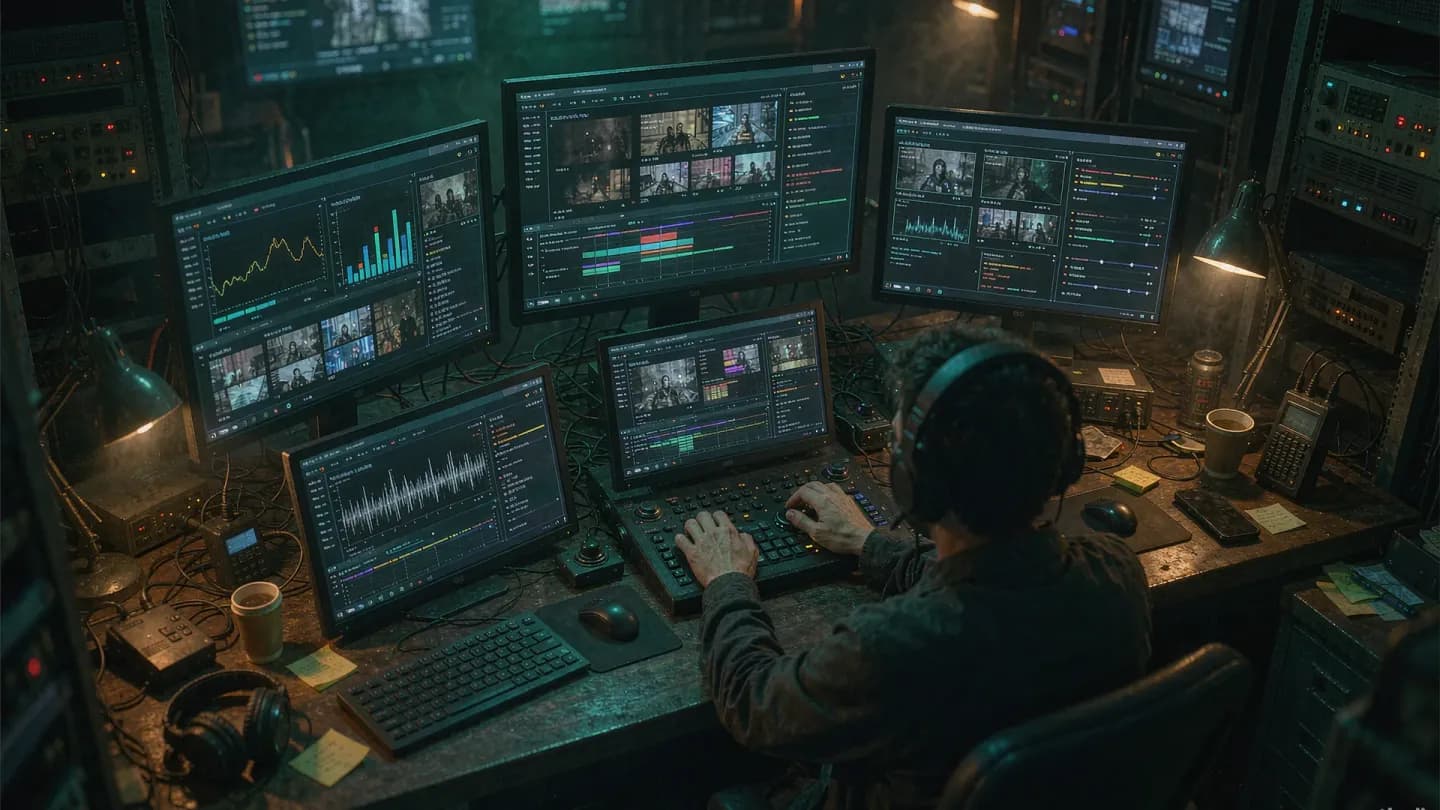
The 2026 model landscape is wider than ever
In 2026 the smart move is a best-of-breed AI video stack: send each commercial job to the model that does it best instead of forcing every shot through one engine. No single generator leads on duration, audio, camera adherence, and character consistency at once, so routing by task is now the operating model for production teams.
Twelve months ago the field was a race to the longest coherent clip. In 2026 it is a portfolio. ByteDance's Seedance 2.5 ships 30-second single-pass generation with up to 50 reference images; Alibaba's Wan 3.0 conditions on text, image, audio, and video at once; Google's Veo 3.1 leads on camera-direction adherence; Kling 3.0 and Runway Gen-4.5 hold the cinematic and character-consistency lanes; PixVerse V6 adds native audio and a developer CLI for agentic pipelines. A side-by-side {{link}} makes the trade-offs explicit, because each engine now leads on a different axis.
The reason this matters to a production team is that 'best' is no longer a single number. One model wins on clip length, another on lip-sync, another on how literally it follows a camera move, and another on holding a face across a six-shot sequence. Picking the leader on the axis your deliverable actually needs is the difference between a usable clip and three regeneration cycles. An agency serving both a luxury label and a performance brand cannot point both at the same default engine and expect either to look right, which is the quiet reason portfolios spread from research teams to production floors.
This is not fragmentation for its own sake. Commercial demand is large enough to justify it: U.S. digital video ad spend reaches $81.9 billion in 2026, up 11% year over year and growing roughly 20% faster than the total ad market. The text-to-video model market behind that spend is projected to balloon from $420 million in 2025 to $3.43 billion by 2032, a 35% compound rate, with Runway closing a $315 million Series E at a $5.3 billion valuation in early 2026. When the budget and the tooling both expand this fast, standardizing on one vendor stops being the safe default.
A side-by-side text-to-video model comparison makes the trade-offs explicit, because each engine now leads on a different axis.
Route by job, not by brand
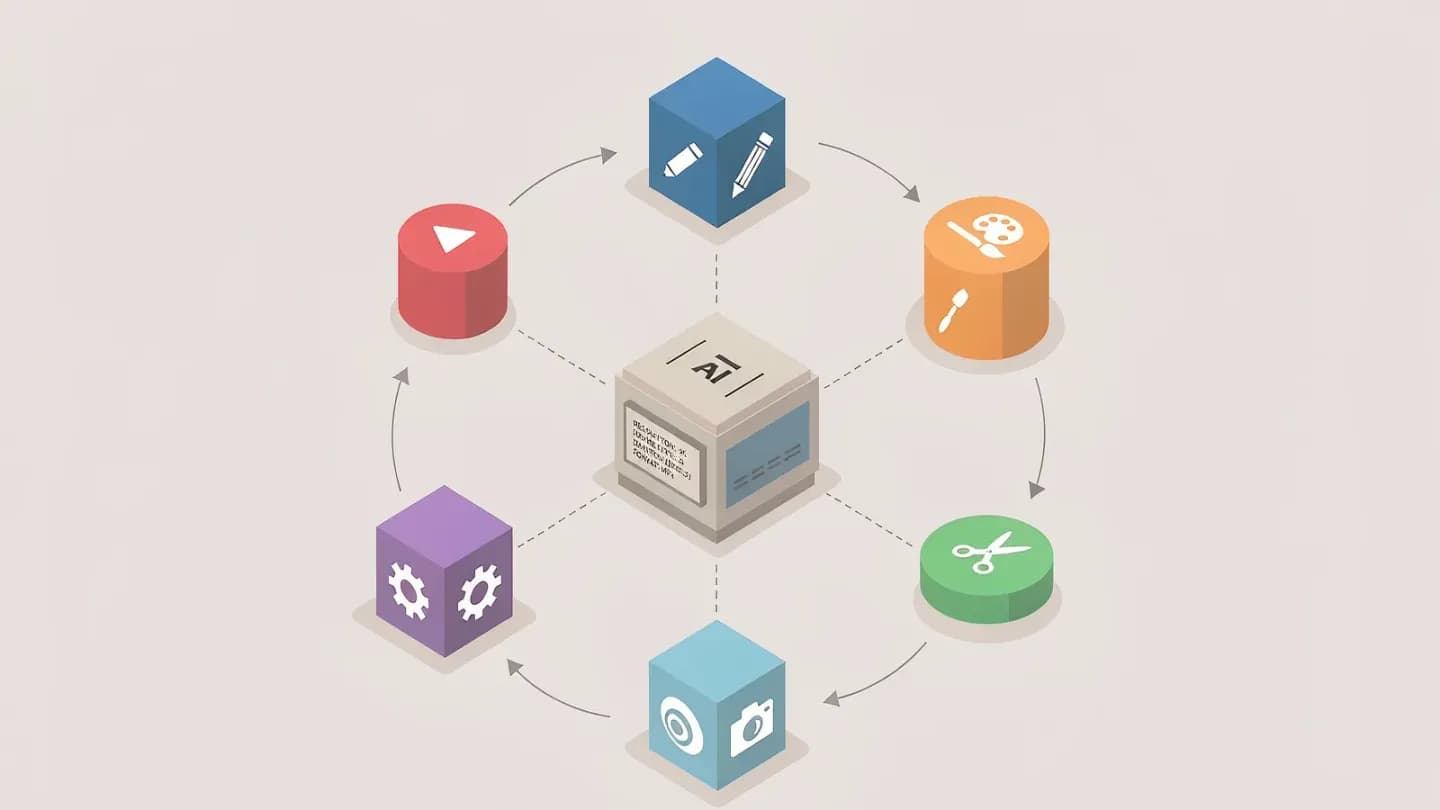
The discipline is to map the job to the strength. Need a 30-second seamless hero with multiple reference images? Seedance 2.5. Need strict camera-direction adherence and synchronized audio? Veo 3.1. Need a consistent recurring character across a campaign? Runway Gen-4.5 or a reference-locked workflow. The same logic applies to audio: an engine with native synchronized sound removes a dubbing pass, while one without forces a separate post step the routing note should flag up front. The post-Sora 2 {{link}} still leave room for specialists underneath, which is exactly why a routing layer earns its keep.
The evidence that no single model wins everything is measurable. In August 2026 benchmarks across 500 diverse prompts, prompt-adherence scores ran from 76 for Sora 2 to 88 for Digen AI Agent, with Seedance 2.5 at 82 and Veo 3.1 at 79. Every engine is strongest on the axis it was tuned for and average everywhere else, so the portfolio is a hedge, not a luxury.
Operationally this looks like a lookup, not a debate. A 10-second product bumper lives or dies on motion consistency, so it goes to the engine that scores highest there. A 30-second brand film needs length and reference control, so it goes elsewhere. The mistake teams make is letting the most recent model they adopted become the default for everything, which quietly caps quality on the jobs it is worst at. A 360-degree product spin and a talking-head testimonial are both 'AI video,' but they pull on opposite strengths, and a routing note that names the axis per deliverable removes the ambiguity before anyone generates.
The post-Sora 2 production tiers that consolidated still leave room for specialists underneath, which is exactly why a routing layer earns its keep.

The cost and rights math that forces a portfolio
Billing has moved to per-second, usage-based pricing, so the cheapest path is the one that finishes in the fewest generations. The real unit of value remains {{link}}, and that figure moves depending on which engine you hand the job to.
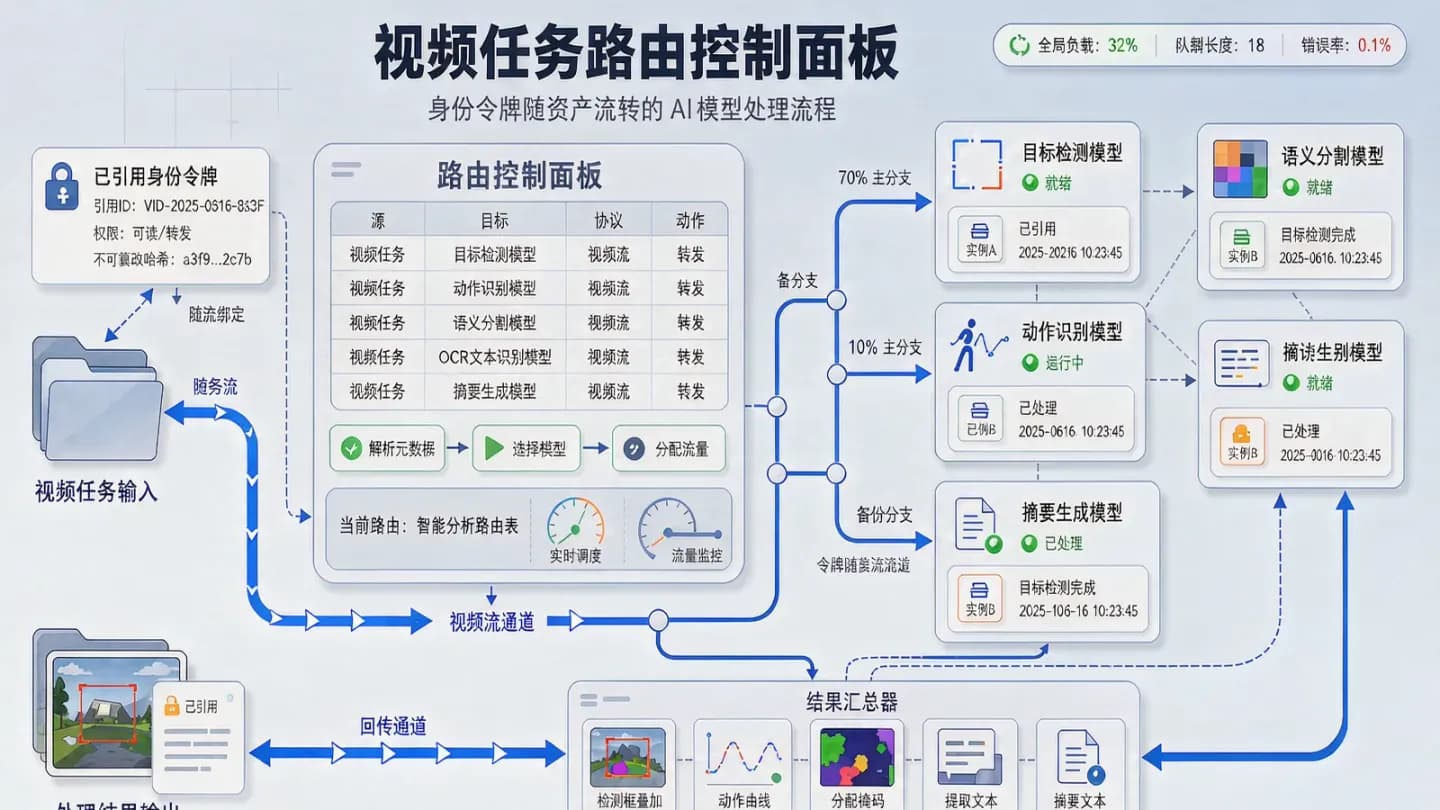
Rights add a second constraint. Most commercial teams now treat provenance as a supply-chain requirement, not a compliance afterthought. C2PA hard binding is invalidated by any re-encoding or rendition, so a clip that passes through a different model's pipeline loses its original signature and must be re-established. For a team running six engines, that means six points where a clip can arrive unlabeled, which is why the routing record, not the render, becomes the source of truth for disclosure. A stack that mixes engines therefore has to track provenance at every hop, which is another reason the routing decision belongs in tooling, not in someone's head.
The rights exposure is not even across the catalog. A synthetic background for a social clip is low stakes; a generated actor fronting a regulated product is not. When a clip changes hands between engines, each handoff is a point where disclosure and consent records can fall out of sync, so the routing layer has to carry the provenance metadata with the asset instead of trusting a separate tracker. A per-second render that fails twice on the wrong engine can cost more than the saving the portfolio was meant to deliver, so the routing decision is also a budget control, not just a quality one.
The real unit of value remains cost per usable clip, and that figure moves depending on which engine you hand the job to.
Build the routing layer before you scale
At low volume you can route by memory. Past a few dozen clips a week the decision has to be encoded, because the person who knew why job A went to engine X is on leave and job B is due Friday.
{{link}} is what keeps a character or product identical as it moves between engines, so identity survives the hop.
Pair that with a per-job evaluation sheet: which axes matter for this deliverable, which model scored best on them last time, and what the re-generation cost would be if it fails. The teams that scale a best-of-breed AI video stack are the ones that turned routing into a checklist, not the ones that bought the most seats. The sheet is the artifact that survives staff turnover and keeps the portfolio from collapsing back into random choice. The cheapest version is a shared spreadsheet with one row per job and a column for the winning engine; the mature version is a small internal portal that logs every generation and feeds the next decision.
Reference-driven control is what keeps a character or product identical as it moves between engines, so identity survives the hop.
Where the best-of-breed AI video stack breaks down
Routing is not free. Every extra model is another prompt dialect to learn, another API to monitor, and another provenance edge to police. There is a real counter-trend toward consolidation, where platforms bundle generation, editing, and asset management into one suite to remove exactly that overhead. The balance point is volume: below a certain throughput the single-suite path wins on simplicity, and above it the portfolio wins on output quality and cost. The governance tax is real: every model adds a credential to rotate, a prompt style to document, and a provenance edge to verify, and those costs scale with the number of engines, not with volume.
The practical answer is a thin routing layer over a small number of best-in-class engines, with a hard rule that any job touching a regulated industry or a real person's likeness gets one vetted model and one provenance path. Everything else is eligible for the wider stack. That keeps the best-of-breed AI video stack an advantage instead of an audit problem.
Put the framework into production
These related pages connect the article’s planning advice to a specific commercial scope.
References
- 2026 IAB Digital Video Ad Spend & Strategy Report (Part One)Interactive Advertising Bureau
U.S. digital video ad spend reaches $81.9 billion in 2026, an 11% increase year over year, growing roughly 20% faster than the total ad market.
- Text-to-Video Model Market Size and ForecastPMarketResearch
The text-to-video model market is projected to grow from $420 million in 2025 to $3.43 billion by 2032, a 35% CAGR, with Runway raising $315 million in a Series E at a $5.3 billion valuation in early 2026.
- Why AI Video Prompt Adherence Fails and How to Fix It (2026)Digen AI
In August 2026 benchmarks across 500 diverse prompts, prompt-adherence scores ranged from 76 (Sora 2) to 88 (Digen AI Agent), with no single model leading on every axis.
- C2PA Specification 2.1 — Hard and Soft BindingCoalition for Content Provenance and Authenticity
C2PA hard binding is invalidated by any re-encoding or rendition, so a clip that passes through a different model's pipeline loses its original provenance signature and must be re-established.