Why the regeneration loop was the real cost of AI video
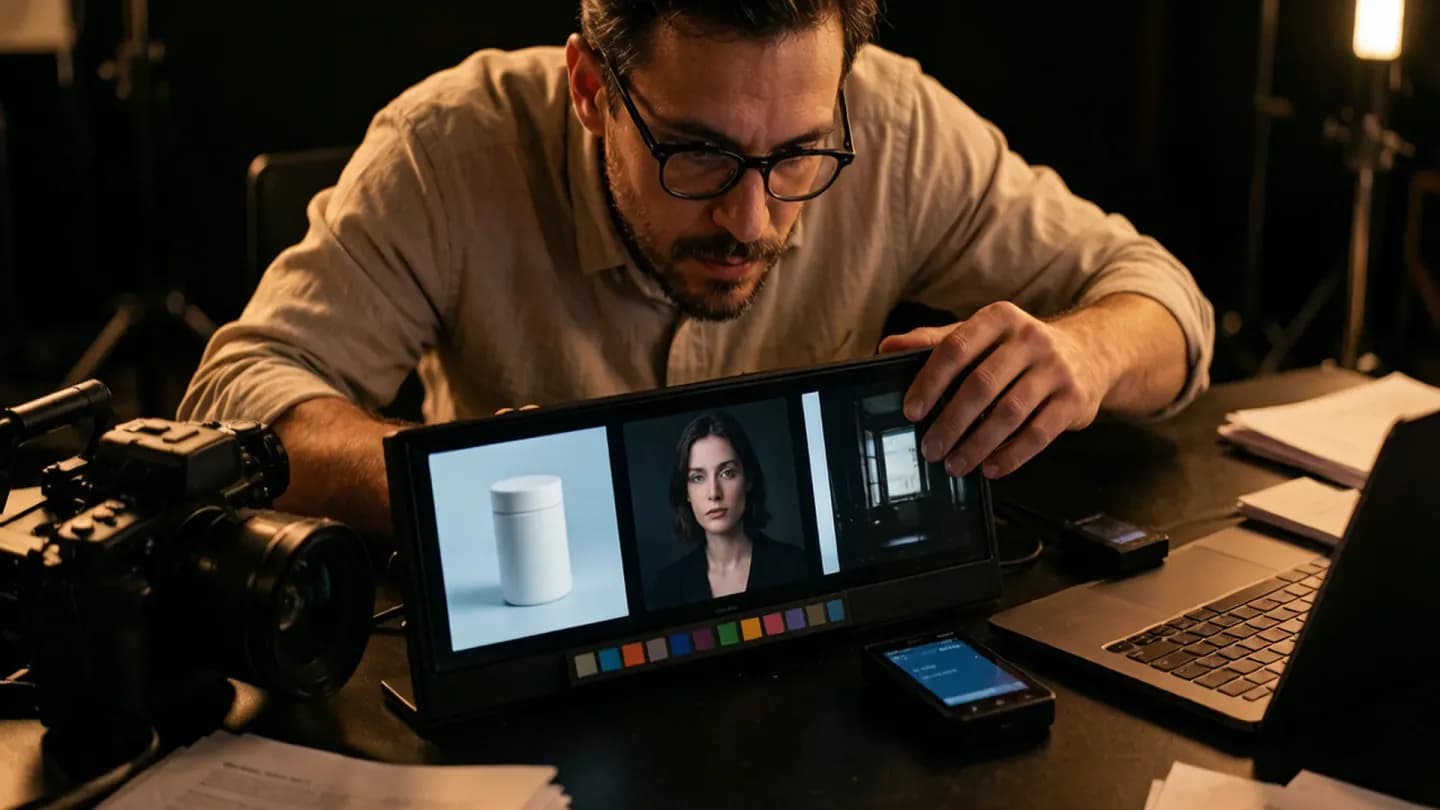
Reference-driven AI video generation is the 2026 shift that finally attacks the cycle everyone quietly budgets around: generate, review, reject, regenerate. New models from Alibaba, ByteDance, and MiniMax let teams lock characters, products, and scenes before generation and edit precisely after it - so the expensive part stops being the render and starts being the decision.
For the first three years of generative video, the bottleneck was rarely the first generation. It was the second, third, and tenth. A character drifted between shots, a product changed color, a location lost its lighting, and each miss meant another full generation, another billing event, another wait in the queue. The iteration loop, not the model itself, set the real production cost. A 30-variant social campaign that needs four generations per usable clip is not a two-hundred-dollar experiment; it is a logistics problem with a GPU bill attached.
That loop is exactly what the 2026 model wave targets. Recent analysis shows {{link}} - approval and versioning, not rendering, now gate how fast output ships. But the generation and edit stage still ate most of the hours, and the new models attack that stage directly by moving control upstream: you constrain the model before it generates, then fix precisely what you do not like without throwing the take away.
Recent analysis shows the AI video production bottleneck moved downstream - approval and versioning, not rendering, now gate how fast output ships.
Reference-driven AI video: lock the character, product, and voice first
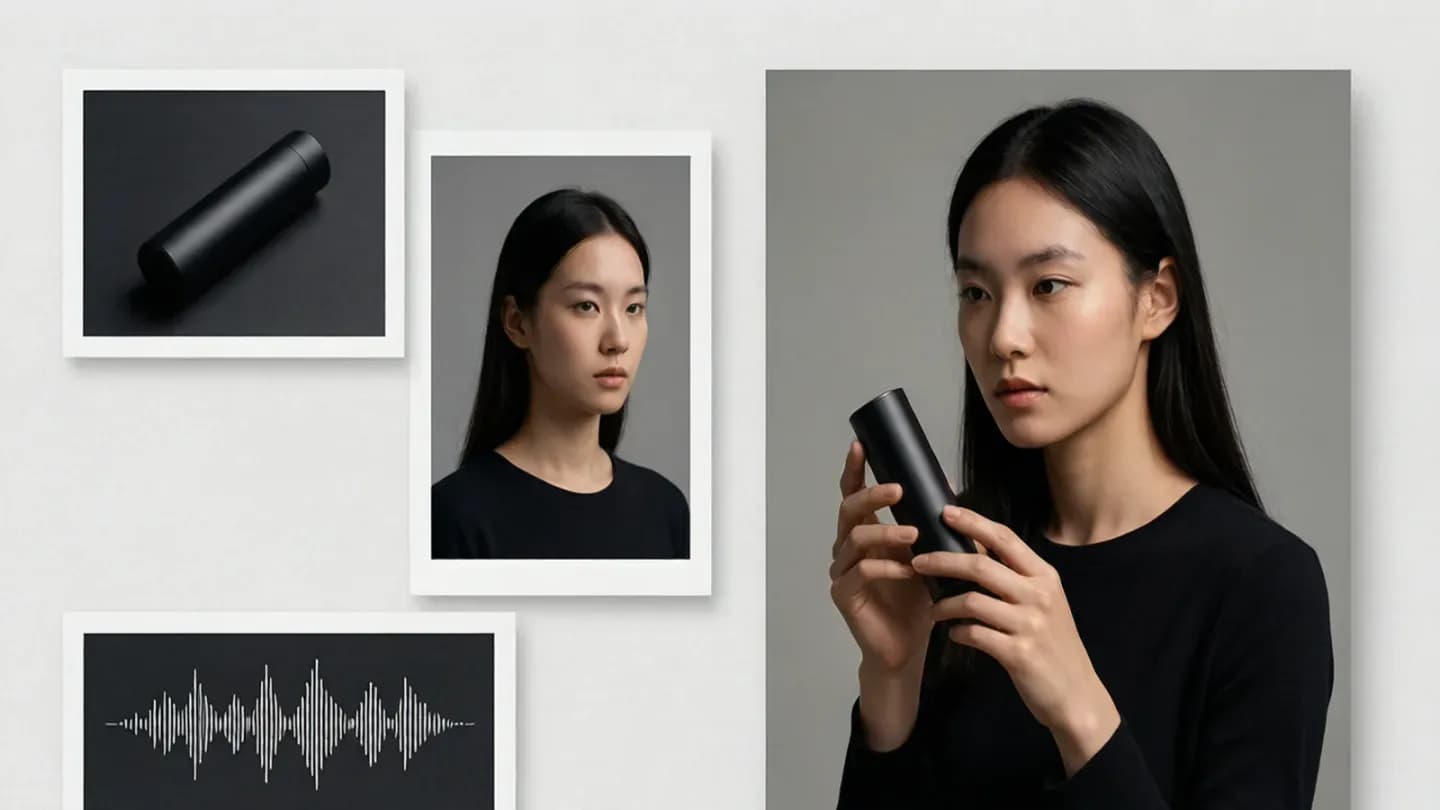
Alibaba's Wan 2.7, released under Apache 2.0 between April 1 and 6, 2026, ships a Reference-to-Video model (R2V) built for exactly this. R2V accepts up to five references at once - any mix of images, video clips, and audio files - and treats them as simultaneous conditioning signals rather than sequential instructions. You label each one, then write a prompt like 'the character from image1 performing the action in video1, speaking in the voice from audio1.' Because the references are simultaneous rather than sequential, the model does not forget the voice when it focuses on the face, which is the failure mode that produced most early AI video inconsistencies.
The payoff is identity that survives the generation. A product, a spokesperson, and a brand voice can be defined once and reused across every clip, with the model holding them coherent across scenes instead of re-inventing them each time. Deciding which model owns which shot is the same discipline behind {{link}} - you are matching a capability to a job, not picking a single hero model for everything.
Voice cloning is the part that changes client work. R2V generates the character's motion and speech synchronized to the reference audio from the first frame, rather than dubbing a silent clip afterward. For localized campaigns that means one performance, many languages, without a reshoot or a separate recording session.
Deciding which model owns which shot is the same discipline behind a repeatable model selection workflow - you are matching a capability to a job, not picking a single hero model for everything.
First-and-last-frame control and multi-reference locking
Wan's Image-to-Video model adds first-and-last-frame control: you supply the opening frame and the closing frame, and the model generates the motion between them. For product videos that must land on a specific hero shot, or character sequences that must connect to the next scene, this removes the trial-and-error loop that makes AI video expensive at scale.
ByteDance's Seedance 2.5 pushes the same idea further upstream. It extends single-shot generation to 30 seconds and supports up to 30 images, 10 video clips, and 10 audio clips as references in one generation, including untextured 3D 'white model' references that lock spatial structure, camera positions, and lighting. The explicit goal is to push pre-production constraints into the model so teams reduce reshoots and keep continuity when scaling to longer sequences. The capability matters because continuity across a 30-second output is exactly where earlier models broke down; pushing references in is cheaper than generating, rejecting, and regenerating until continuity happens by luck.
Together these capabilities change what 'briefing the model' means. Instead of writing a hoping-for-the-best prompt, you assemble a reference set - cast, product, location, sound - and let the model honor it. The skill shifts from prompt poetry to asset preparation, which is a skill most production teams already have. It also makes output reviewable earlier: a stakeholder can approve the reference board before any compute is spent, catching a wrong product color at the asset stage instead of after the render.
Non-destructive editing: revise without regenerating
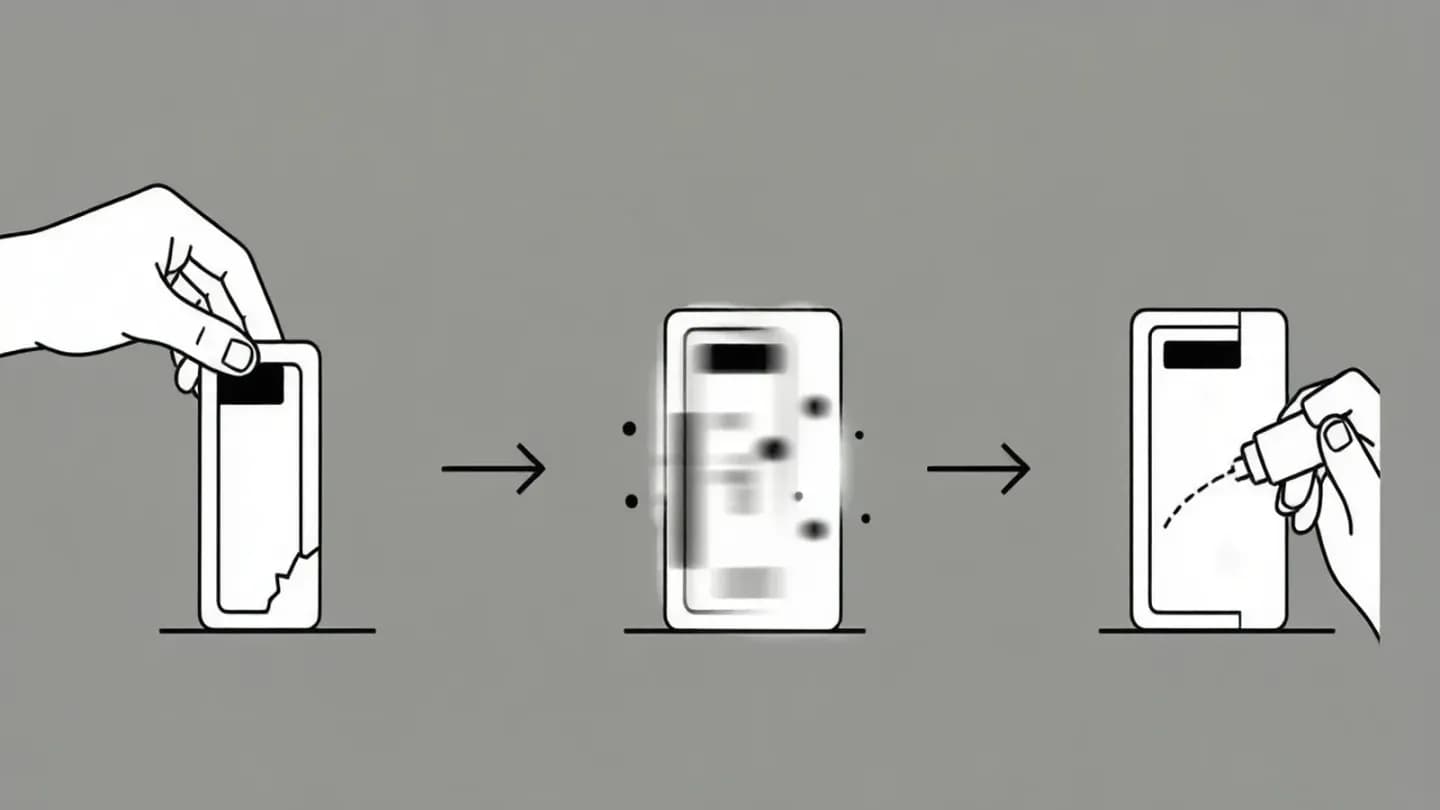
MiniMax H3, released as open-source in late July 2026, approaches the loop from the other end: post-generation editing. In hands-on testing it preserved a performer's pose, lighting, and camera motion while changing only the background - moving a concert-hall scene to a grassland or seaside - and handled single-object swaps like exchanging a violin for an erhu while keeping the original motion skeleton and camera movement.
That matters because first drafts are rarely the hard part; revisions are. A client note like 'change the lead actor' or 'move the setting outdoors' used to mean regenerating the entire scene. Precision edits let you satisfy that feedback by changing one subject while transforming another in the same frame, without burning a full generation on a take you mostly liked. The practical payoff is one teams chasing tighter revision cycles already understand: you can {{link}} and still protect the shots that already worked.
On Artificial Analysis's video-editing leaderboard, MiniMax H3 ranked first upon release, ahead of prior editing models such as Google's Gemini Omni. The differentiator was not raw fidelity but editability - the ability to treat a generated clip as a first cut you can shape, not a finished asset you either accept or discard. For agencies, that turns a generated clip into something a junior editor can finish, which is where most AI video volume is actually produced.
The practical payoff is one teams chasing tighter revision cycles already understand: you can edit AI video without a full regeneration and still protect the shots that already worked.

What this changes for production economics
Step back and the pattern is economic. Every full regeneration is a billing event plus a wait; every precise edit is a fraction of both. When control moves upstream - references locked before generation - and downstream - edits applied after - the number of full generations a project needs collapses. This is the same argument made about {{link}} - the danger migrated from the shoot to the iteration loop, and the loop is now shrinking.
The market pull is real. The 2026 IAB Digital Video Ad Spend and Strategy Report projects U.S. digital video ad spend to surpass $80 billion in 2026, growing 11% year over year and exceeding 60% of total TV/video spend for the first time, with social video outpacing CTV and two in three buyers adopting or planning agentic AI for digital video. Brands are moving budget into AI-shaped production exactly as the tooling gets controllable enough to spend it well.
None of this removes the need for human direction. References and edits still encode somebody's taste. But it changes where the expensive human hours go - from repeating generation to setting constraints and judging results - which is the work producers are actually trained to do. The teams that benefit most are the ones already running a tight revision process, because reference locking and precise editing reward discipline rather than replace it.
This is the same argument made about where the real budget risk sits - the danger migrated from the shoot to the iteration loop, and the loop is now shrinking.
A practical adoption checklist for 2026
If you are standing up or upgrading an AI video pipeline this year, the model wave suggests four moves. First, build a reference library: capture product, character, and location assets once, in the formats these models accept, so every generation starts from locked inputs rather than fresh guesses. A reference that takes an hour to capture can save a dozen generations across a campaign's life.
Second, match models to jobs. Use reference-heavy models for hero and variant work, editing-focused models for revision-heavy client jobs, and reserve the most expensive tier for finishes rather than drafts. Before committing spend, apply the same lens you would use when {{link}} - score the tool against the work, not the demo reel.
Third, treat the first frame and last frame as deliverables. Locking them turns a vague generation into a controlled one and prevents the drift that triggers yet another regeneration. Fourth, instrument your regeneration rate. The teams that win with these models are the ones measuring how many full generations a project actually needs - and watching that number fall.
Before committing spend, apply the same lens you would use when evaluating AI video tools for team adoption - score the tool against the work, not the demo reel.
Put the framework into production
These related pages connect the article’s planning advice to a specific commercial scope.
References
- Wan 2.7 Video Suite Is Here: Alibaba Just Shipped the Most Complete Open-Source Video Production StackCliprise
Alibaba released the full Wan 2.7 suite (T2V, I2V, R2V, VideoEdit) under Apache 2.0 between April 1 and 6, 2026, commercially usable without a subscription at $0.10 per second via Together AI; R2V accepts up to five simultaneous references with explicit character binding and voice cloning.
- ByteDance, MiniMax Unveil New Video Models as China Pushes AI Into ProductionChina Biz Insider
Seedance 2.5 raises single-shot length to 30 seconds and supports up to 30 images, 10 video clips, and 10 audio clips as references per generation; MiniMax H3 ranked first on Artificial Analysis's video-editing leaderboard and performs precision edits that preserve pose, lighting, and camera motion while swapping background or subject.
- U.S. Digital Video Ad Spend to Surpass $80B in 2026IAB
The 2026 IAB Digital Video Ad Spend and Strategy Report projects U.S. digital video ad spend to surpass $80 billion in 2026 (plus 11% year over year), exceed 60% of total TV/video spend for the first time, with social video outpacing CTV and two in three buyers adopting or planning agentic AI for digital video.