What AI video personalization actually means in 2026
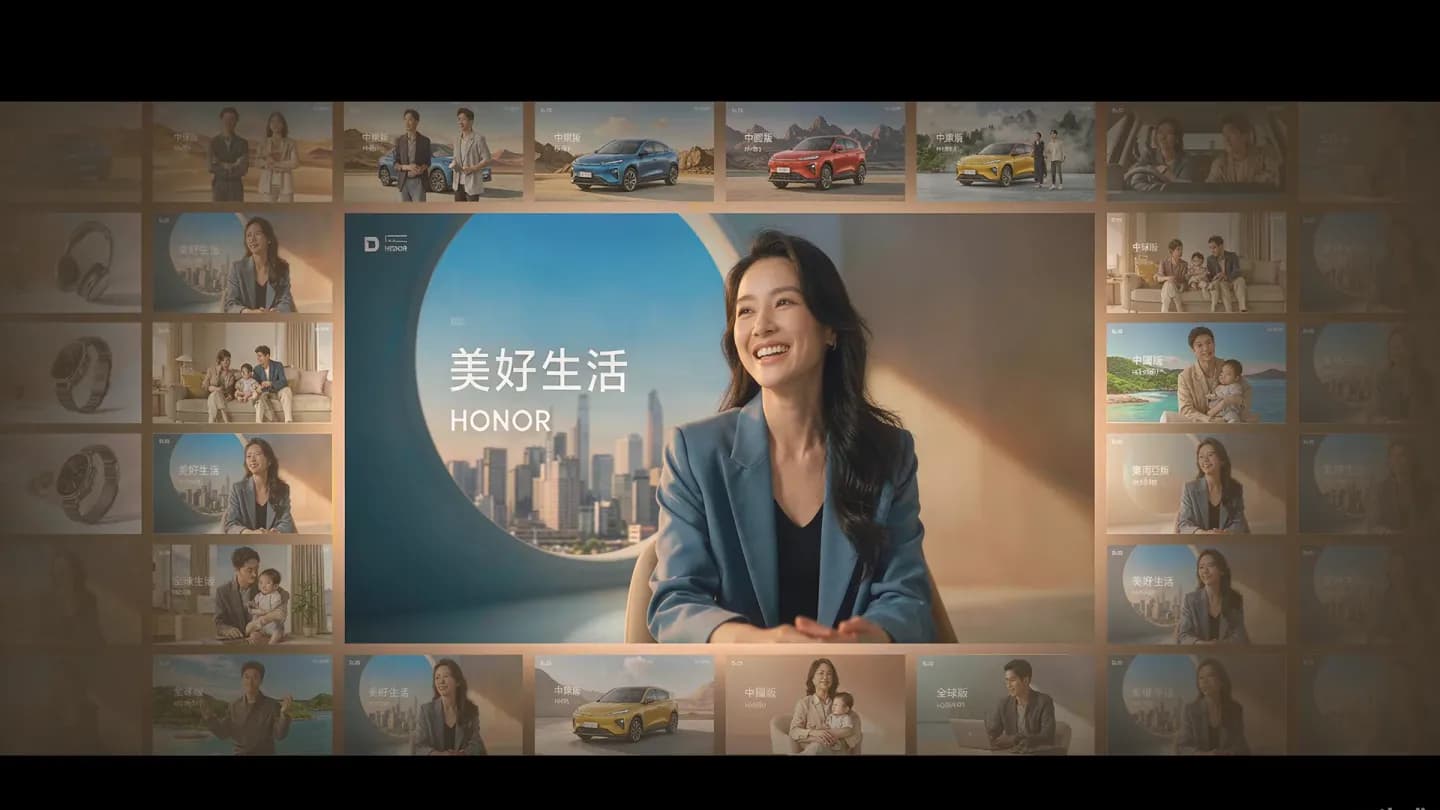
AI video personalization is the practice of generating many targeted ad variants from a single master asset, each one tuned to a specific audience segment, locale, or behavior. It is not the same as simple translation or localization, where you re-voice one cut into several languages and ship it. Personalization reaches deeper: it changes the product shown, the setting, the on-screen text, and the call to action based on what a given viewer is most likely to respond to. A sportswear brand can render 8,000 regional versions of one film, each showing local athletes in culturally relevant settings, without ever reshooting anything.
The economic unlock is marginal cost. Once the master and the brand rules exist, the next variant costs almost nothing to produce, so the constraint shifts from production budget to data quality and creative judgment. That is why AI video personalization is discussed alongside agentic AI and dynamic creative optimization rather than as a one-off production trick. The teams getting value treat variant generation as a continuous system, not a quarterly project.
For practitioners, the practical definition matters because it sets the bar for measurement. If you are only swapping audio tracks, you are localizing. If you are reshaping the message, the hero product, and the visual context per segment, you are personalizing, and you should expect the performance lift that comes with relevance rather than mere translation.
The performance case: why personalized video beats static
The numbers behind personalized AI video are no longer theoretical. Across 1,700 campaigns analyzed in March 2026, personalized AI video ads delivered 47% higher click-through rates than static creative, with engagement up 23.5% overall. In one documented case, a sportswear brand used Runway's Style Lock to generate 8,000 regional variants, lifting conversions by 27%. A separate Tech Times analysis found 72% of marketers reported higher conversion rates with AI-personalized video versus traditional ads.
The pattern is consistent: when the creative matches the viewer's context, response rates climb and acquisition costs fall. The same effect shows up in UGC-style work, where the {{link}} shows how the same test-and-scale discipline works for creator-style creative. The risk is not whether personalization can lift performance, but whether the craft behind each variant is good enough to earn the click once the novelty wears off.
Volume alone is not the win. Personalization works because it raises the odds that a given impression meets a real need, not because it floods the feed with more cuts. The brands reporting the largest gains pair variant generation with disciplined testing, so the system compounds what already converts instead of randomizing the message.
The same effect shows up in UGC-style work, where the UGC performance playbook shows how the same test-and-scale discipline works for creator-style creative.
How the variant engine works: a five-stage pipeline
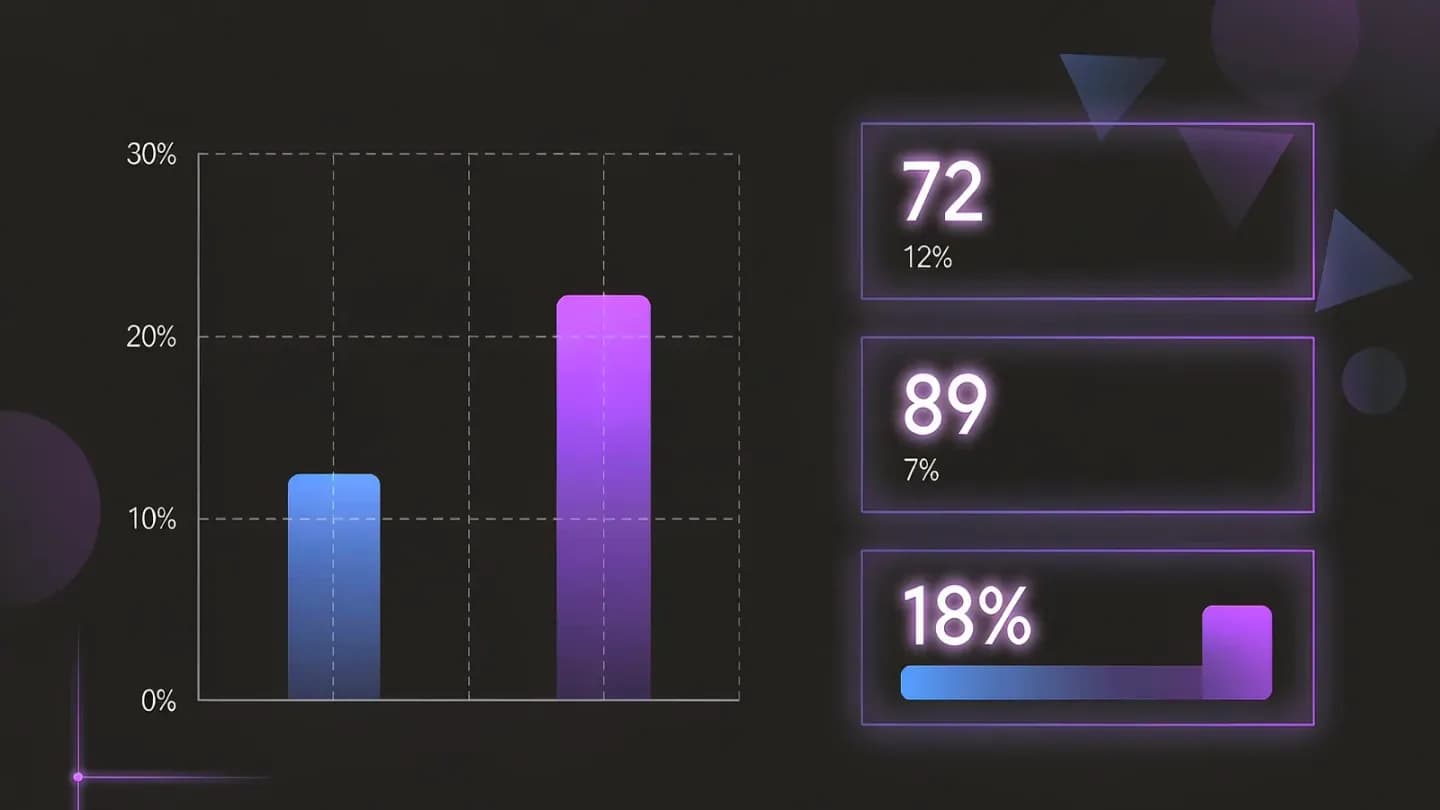
Most production-scale personalization follows a recognizable pipeline rather than one-off prompts. It starts with data ingestion, where CRM data, browsing history, and past engagement feed the system; one platform reports processing 2.3 million data points per campaign. Dynamic scripting then uses natural language generation to produce 12 to 15 message variants per audience segment while holding brand voice. The point is not endless novelty but controlled variation around a proven message.
Contextual generation applies computer vision to keep settings and attire culturally appropriate, and multi-track rendering separates voice, visuals, and text so last-minute changes don't trigger a full re-render. Finally, performance tuning predicts the optimal length per platform, adjusting pacing for TikTok versus YouTube. The time collapse is the headline: this workflow now runs in 3 to 7 hours where traditional production took three weeks, with some platforms reaching 82 minutes for simple campaigns.
The pipeline framing matters because it keeps personalization auditable. Each stage has an input and an owner, so a brand can gate quality at scripting, catch cultural misses at contextual generation, and review key frames before rendering. That structure is what separates a scalable variant engine from a prompt folder that produces inconsistent output nobody wants to ship.

The market has already shifted to AI-led video
The budget has followed the capability. According to the IAB's 2026 Digital Video Ad Spend Report, U.S. digital video ad spending will surpass $80 billion in 2026, growing 11% year over year and nearly 20% faster than the total ad market. For the first time, social video is outpacing CTV, and the IAB explicitly attributes that lead to innovations in AI-powered personalization plus creator-economy investment. Targeting also overtook content quality as the top criterion for TV and video buys, a sign that relevance now beats polish.
Two in three buyers are already live, testing, or planning agentic AI for digital video campaigns in 2026, and 86% of video buyers use or plan to use generative AI for video ad creation. Much of that spend is moving into {{link}} instead of fixed brand films. The strategic question is no longer whether to personalize, but how fast a team can build the variant engine before competitors saturate the same audiences with similar cuts.
Smaller and mid-size spenders are driving the shift, leaning into AI for creative testing, pre-planning, and performance analysis, while larger advertisers focus on inventory discovery and evaluation. Both paths point the same direction: AI is now part of every stage of the video value chain, and personalization is the most visible place it changes the output a consumer actually sees.
Much of that spend is moving into generative video performance media instead of fixed brand films.
Personalization only pays if the craft holds
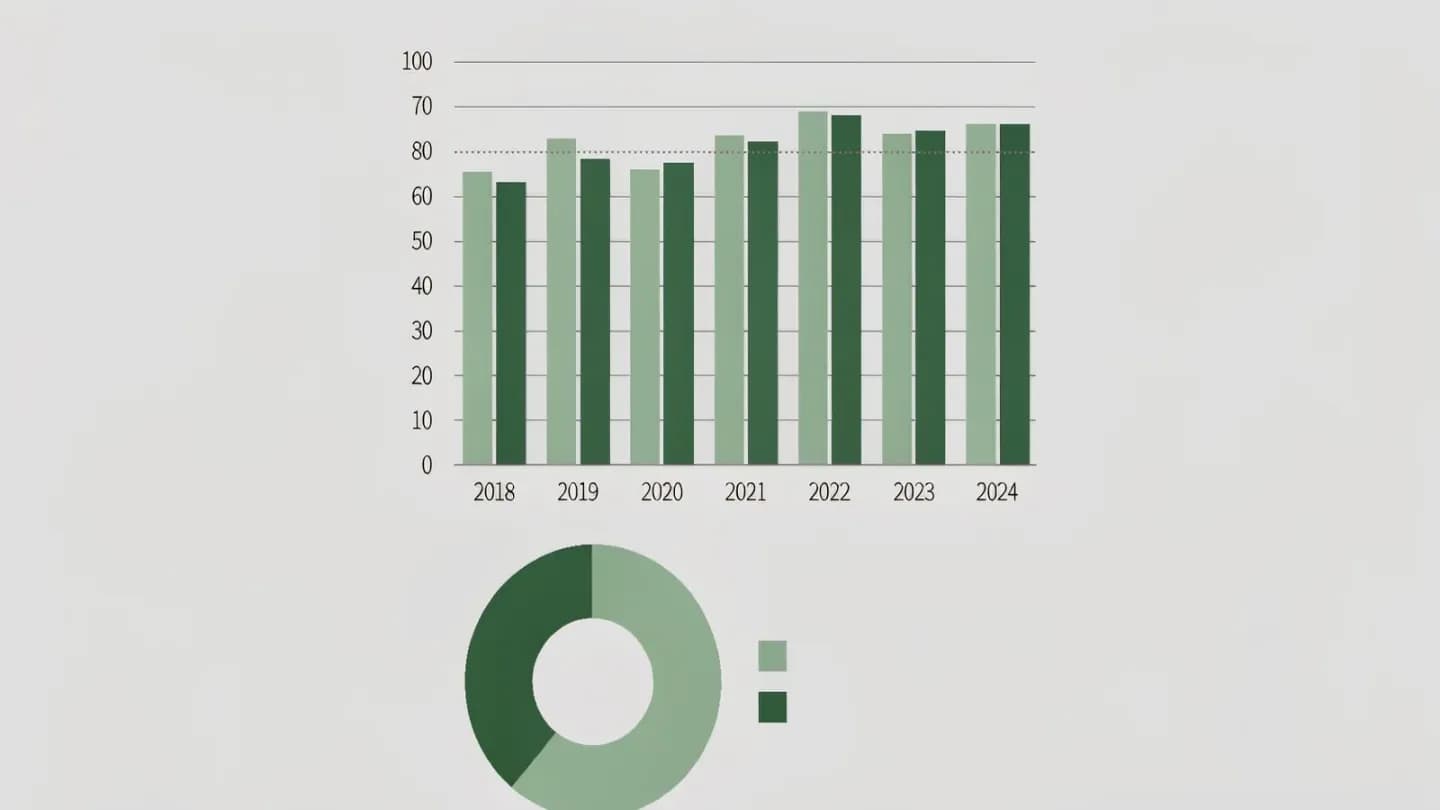
Performance data sits next to a colder consumer-sentiment signal. In 2026, 73% of consumers said they would be less likely to trust an ad they suspected was made with AI, and 63% said they would be less likely to purchase from a brand using AI-generated ads. Over-personalization backfires too: one analysis found using seven or more data points to tailor a video reduced performance by 31%, while two or three highly relevant traits worked best. The lesson is restraint, not maximum data.
The fix is restraint plus transparency. Under the EU AI Act, providers must ensure AI-generated content carries machine-readable and declared labeling, and personalized material above a threshold triggers the same obligation. Treat variant volume as fuel for the {{link}} instead of a one-shot gamble. Keep a human review step on key frames so quality does not drift as volume scales. Audiences notice when a cut feels synthetic or invasive, and that perception erodes the very click-through lift personalization promised.
Disclosure is not a tax on performance. The same research shows most consumers accept AI use when it is declared, so the safest play is to build the label into the variant template from day one. Teams that treat transparency as a creative constraint, not a legal afterthought, protect both their click-through rates and their brand standing as personalized volume grows.
Treat variant volume as fuel for the creative winner-rate testing instead of a one-shot gamble.
Where to start: a pragmatic rollout
Teams new to scaled personalization should start narrow rather than boil the ocean. Pick one high-traffic campaign and define two or three audience traits you can actually act on, such as location plus recent purchase intent. Build a governed master asset with locked brand blocks, then generate a modest first batch of 20 to 50 variants and route the winners into ongoing testing rather than a single big drop.
Tie every variant test back to {{link}}, not vanity view counts. Watch the disclosure floor as you expand into regulated markets. The teams winning in 2026 are not the ones with the most variants, but the ones with the tightest loop between generation, measurement, and human judgment. Personalization is a system, and like any system it is only as strong as the feedback that improves it.
A reasonable first milestone is one master asset, three audience segments, and a monthly cadence where the worst performers retire and the best variants spawn the next batch. That keeps the engine honest: it earns its budget by lifting the metrics that matter, not by producing impressive volumes of creative nobody remembers.
Tie every variant test back to metrics that predict revenue, not vanity view counts.
Put the framework into production
These related pages connect the article’s planning advice to a specific commercial scope.
References
- U.S. Digital Video Ad Spend to Surpass $80B in 2026IAB
U.S. digital video ad spend will surpass $80B in 2026, +11% YoY and ~20% faster than the total ad market; social video outpaces CTV for the first time driven by AI-powered personalization; two-thirds of buyers are live/testing/planning agentic AI; 86% of video buyers use or plan generative AI for video ad creation.
- AI Advertising Statistics 2026: The Numbers That Matter8frame
86% of video buyers use or plan to use generative AI for video ad creation (IAB, 2026); 73% of consumers would be less likely to trust an ad they suspected was made with AI and 63% less likely to purchase from a brand using AI-generated ads (Harris Poll / 4A's / Infillion, 2026).
- AI Video Generator for Personalized Ads: 2026 Trends & ToolsDigen AI
Personalized AI video ads achieve 47% higher CTR than static content; Runway Style Lock generated 8,000 regional variants for one sportswear brand, boosting conversions 27%; the five-stage pipeline runs in 3-7 hours versus three-week traditional production.
- Regulation (EU) 2024/1689 Article 50 - Transparency of AI-generated contentEU AI Act
Providers must ensure AI-generated content is marked in a machine-readable way and disclosed as artificially generated, establishing the disclosure floor that personalized AI video must meet.