
Generation got fast. The queue did not.
The AI video production bottleneck is no longer the generator. Teams can spin up drafts in minutes, yet campaigns still ship late because approvals, versioning, and tool handoffs now absorb the saved time. This article explains where the delay moved and how creative ops teams fix it.
For three years the pitch for generative video has been deceptively simple: produce more, cheaper, and faster. In 2026 that promise has largely been kept at exactly the level it was aimed at. A storyboard that once took a week of freelancers now renders in an afternoon, and a first cut that needed a render farm can be iterated before lunch. Text-to-video models, image generators, and AI voice tools have removed the slowest, most expensive step from the front of the pipeline.
The problem is that the constraint did not disappear. It moved. Once the draft appears in minutes, the work that actually decides whether a video ships on time, approvals, versioning, and handoffs between tools and people, becomes the visible bottleneck. Teams that expected AI to erase the late-launch problem have discovered it merely relocated the delay to a part of the process the tools were never built to touch.
This is not a fringe complaint. Across 2026, multiple independent surveys of marketing and creative teams converged on the same uncomfortable finding: adoption is nearly universal, yet campaigns still ship late and most AI output still needs real human editing before it is fit to publish.
What the 2026 surveys actually show
Knak's July 2026 survey of 333 enterprise marketing decision-makers found that 85 percent of teams missed at least one planned campaign launch in the previous twelve months, and one in ten missed launches more than five times a year. This is at companies that have already deployed AI in production, with 70 percent saying they use it operationally. The drafts are faster. The launches are not.
The same survey is blunt about where the time goes. Eighty-eight percent of respondents said AI output still requires moderate to substantial human editing before it can ship. When asked what actually causes missed launches, teams named approvals and sign-off as the single biggest factor at 47 percent, ahead of design and creative production at 38 percent and cross-team coordination at 36 percent. A separate June 2026 study from XR and MX8 Labs, covering more than 400 marketers, landed on nearly identical ground: 98 percent said they launch campaigns late, and asset versioning was the number one complaint among brand-side marketers.
AI Refine's 2026 benchmark reinforces the pattern from a different angle. Ninety-two percent of marketing teams now use generative AI in some form, yet only 23 percent consistently receive publish-ready first drafts, and 77 percent need substantial editing. The report's headline conclusion is the one that should worry ops leaders: quality outcomes correlate with workflow maturity, not with which model or tool a team bought.
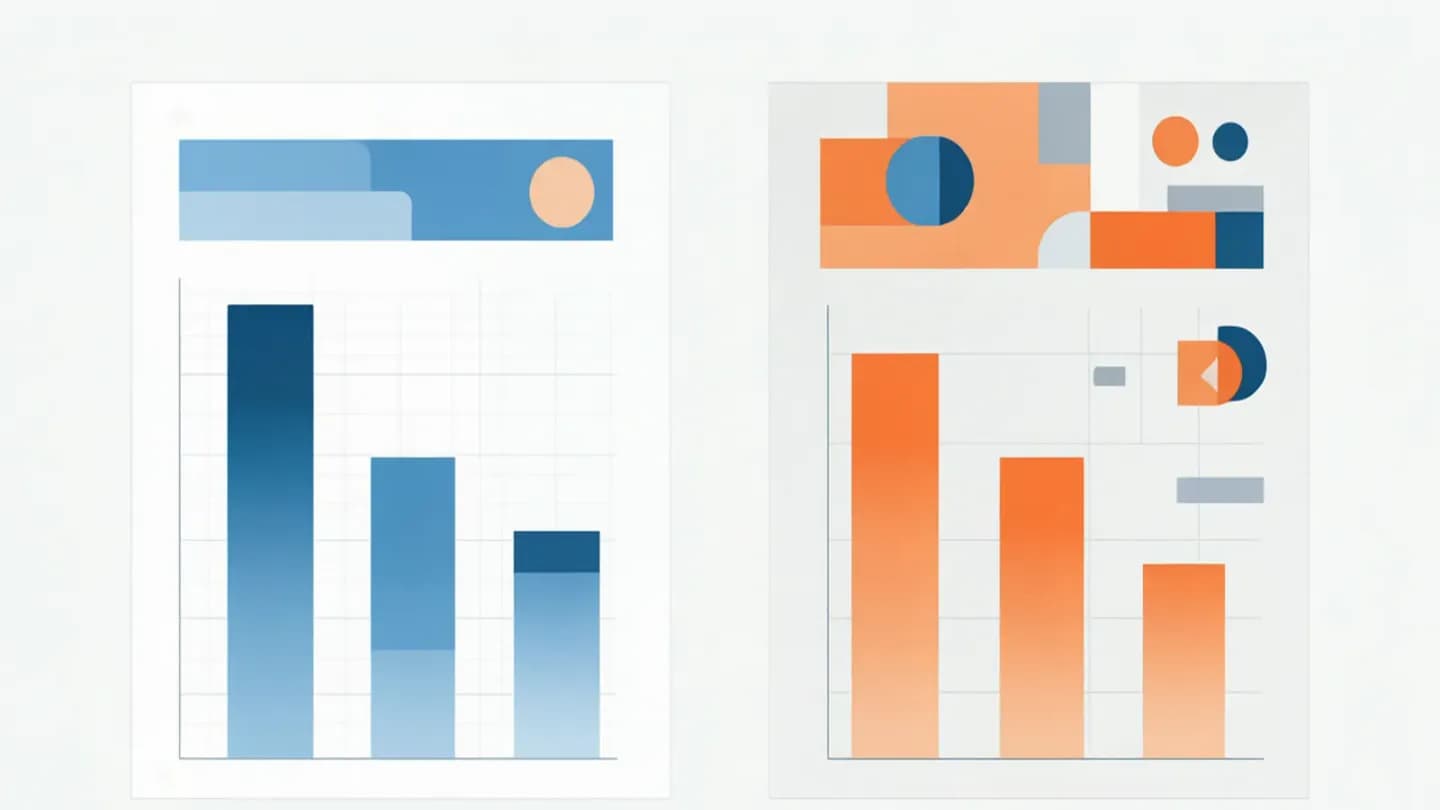
Why the AI video production bottleneck hits video hardest
Video exaggerates every part of this problem. A static ad has one surface to approve. A video passes through script, storyboard, generation, edit, color, sound, legal review, brand check, and platform-spec conformance before it is live. Each of those is a handoff, and each handoff is a place a clip can sit untouched for a day while someone finds the right approver.
Versioning is where video specifically bleeds time. A single stakeholder note, change the ending, brighten the middle, can force a regeneration that silently alters camera angle, wardrobe, and background because the model re-renders the whole frame. Most teams still regenerate the whole clip for a small change, but a mature revision workflow {{link}} keeps that cost near zero. Treating the clip as a layered composite, the way visual effects teams always have, is what prevents one comment from undoing an hour of approved work.
That is also why the promised speed of generative video so rarely reaches the calendar. The model can produce ten variants before lunch, but if each one then waits in three separate approval inboxes, the net effect is a fuller queue, not a faster launch. The gain shows up in the render log, not in the launch date.
Most teams still regenerate the whole clip for a small change, but a mature revision workflow AI video revisions without re-rendering keeps that cost near zero

The fix is workflow, not another generator
The instinct when launches slip is to buy another generation tool, but the data points the other way. The constraint is now coordination, so the lever is process. The teams that scale cleanly run a producer-led operating model {{link}} where one owner owns the handoffs end to end, rather than letting the asset drift between departments with no single accountable point.
Provenance and auditability do real work here. A documented creative audit trail {{link}} lets every approver see what changed and who approved it without replaying the whole thread, which collapses the status-meeting tax that eats the savings AI just created. When a regulator or a platform asks how a synthetic asset was made, that record is also the difference between a five-minute answer and a week of reconstruction.
None of this requires abandoning the generators. It requires putting them inside a defined pipeline with clear entry and exit criteria, so a fast draft moves into a fast review instead of a silent wait. The tool that matters most in 2026 is the one routing the asset, not the one creating it. Generators are commodities now; orchestration is the moat.
The teams that scale cleanly run a producer-led operating model producer-led AI video workflow where one owner owns the handoffs end to end
A documented creative audit trail AI video creative audit trail lets every approver see what changed and who approved it without replaying the whole thread
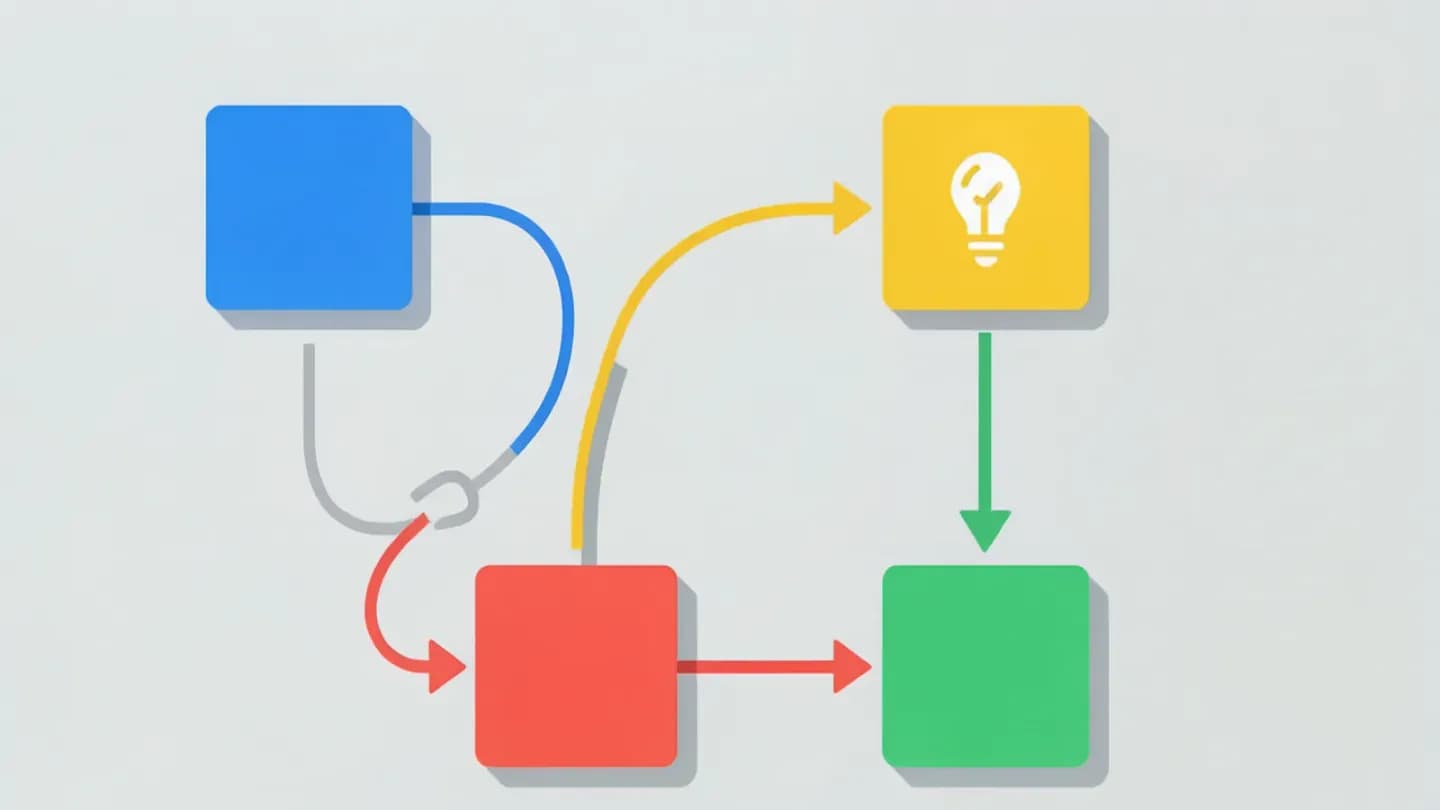
A measurement loop closes it
There is a second half to the story that the throughput numbers hide. When a team can produce three times as many cuts, the hard question stops being can we make enough and becomes which of these actually work. Volume without a measurement loop just fills the approval queue faster with variants nobody has judged.
AppLovin's in-house SparkLabs team is the clearest proof point. By weaving generative AI into a defined creative workflow with a strict human-in-the-loop rule, the team roughly tripled its output and saved close to 1,600 hours in under a year. The lesson they consistently draw is not about the models, it is that production speed only pays off when you can tell winners from losers quickly. The payoff only shows up when the pipeline {{link}} feeds performance data back into the next brief, so each scaled winner sharpens the next round of generation.
That loop is what converts the bottleneck-shift from a problem into an advantage. Generation is cheap; judgment about which generation to scale is the scarce resource, and it has to be wired into the workflow rather than bolted on after launch. Speed you cannot measure is speed you cannot compound.
The payoff only shows up when the pipeline AI-native creative pipeline feeds performance data back into the next brief
A pre-ship checklist for creative ops
The practical move for a video team is to treat the downstream stages as a designed system, not a residue of the creative act. Start by naming one owner for each handoff so a clip is never orphaned between tools. Then collapse approvals into a single visible state rather than scattered email threads.
Build a lightweight gate before anything goes live. A shared QC checklist {{link}} turns the final approval from a judgment call into a repeatable gate, with the same spec, legal, and brand checks applied to the fiftieth cut as the first. Pair it with a versioning rule that edits layers instead of regenerating whole frames, and the late-launch tax shrinks without slowing the generators down.
AI has done its part. It made the draft free. The teams that win 2026 are the ones who finally engineer the part after the draft, where the real AI video production bottleneck now lives. Fix the queue, and the speed the models promised finally reaches the calendar.
A shared QC checklist AI video QC checklist turns the final approval from a judgment call into a repeatable gate
Put the framework into production
These related pages connect the article’s planning advice to a specific commercial scope.
References
- Marketers Adopted AI to Move Faster. They're Still Late.The Brand Hopper (covering Knak 'Marketing Production in the Age of AI')
Knak's July 2026 survey of 333 enterprise marketing decision-makers found 85% missed at least one planned launch in 12 months and 88% say AI output still needs moderate-to-substantial human editing; approvals/sign-off was the #1 cause of late launches at 47%, and a separate XR/MX8 Labs June 2026 study of 400+ marketers found 98% launch campaigns late with asset versioning the top brand-side complaint.
- AI adoption benchmark 2026: how does your marketing team compare?AI Refine
AI Refine's 2026 benchmark found 92% of marketing teams use generative AI, but only 23% get publish-ready first drafts and 77% need substantial editing; the report concludes quality outcomes correlate with workflow maturity rather than tool or model selection.
- How AppLovin SparkLabs Used Generative AI to Triple Creative OutputSegwise
AppLovin's in-house SparkLabs team tripled creative output and saved roughly 1,600 hours in under a year by weaving generative AI into a defined workflow with a human-in-the-loop rule; one AI-assisted Wordle! CTV ad lifted installs 6.3% over the prior top performer at equal ROAS.