What AI Video In-Housing Actually Means
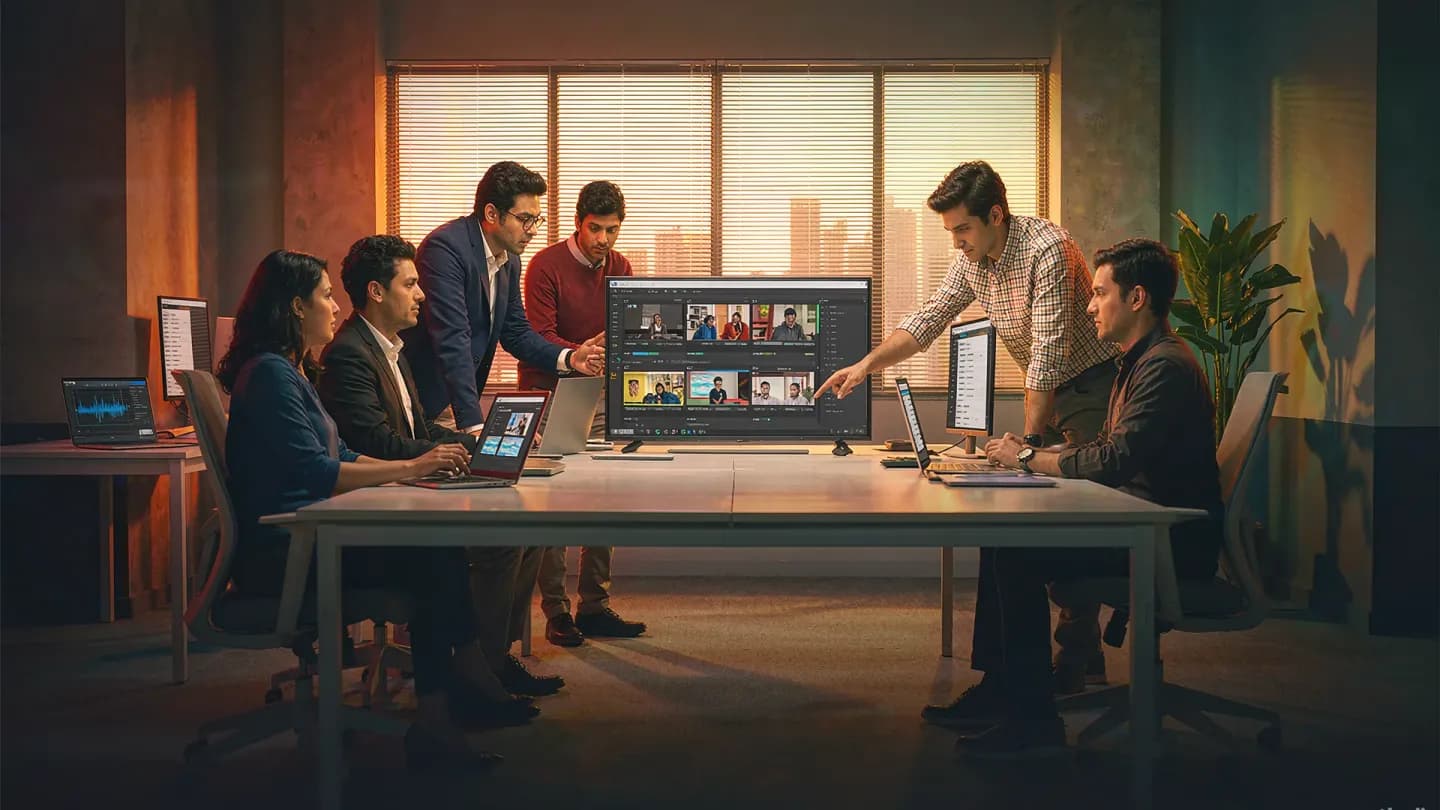
AI video in-housing is no longer a fringe experiment. Through 2026, multinational brand teams have moved generative video production out of external studios and into their own operations, usually anchored in global capability centers that already handle localization, media buying, and market-specific creative adaptation. The shift is less about replacing agencies than about relocating the high-volume production work that used to sit on a production company's shoot schedule.
Commercial video teams feel the change first in cycle time. When a brand controls its own AI pipeline, a product video or campaign cut stops being a logistics project — crew bookings, location permits, inventory shipments — and starts looking like a software workflow with version control. The same pressure is already visible in {{link}} across large holding companies, where creative technology investment is being accelerated to close velocity gaps in competitive pitches.
What makes in-housing durable is that it aligns with how modern marketing actually operates. Brands with high SKU counts, frequent localization needs, or large retail-media programs generate far more asset variants than any fixed agency retainer can absorb efficiently. Bringing that volume in-house turns production from a purchased deliverable into an internal capability the rest of the marketing stack can call on demand.
Global capability centers are the engine behind this shift. Originally built for IT and back-office functions, they now house creative production pods because the work is increasingly a software-and-prompt discipline rather than a craft-and-crew one. The same centers that already handle a brand's data and media operations become the natural home for its AI video pipeline, with the governance and audit tooling already on site.
The same pressure is already visible in AI-native agency restructuring across large holding companies, where creative technology investment is being accelerated to close velocity gaps in competitive pitches.
The 24-Days-to-Two-Hours Benchmark
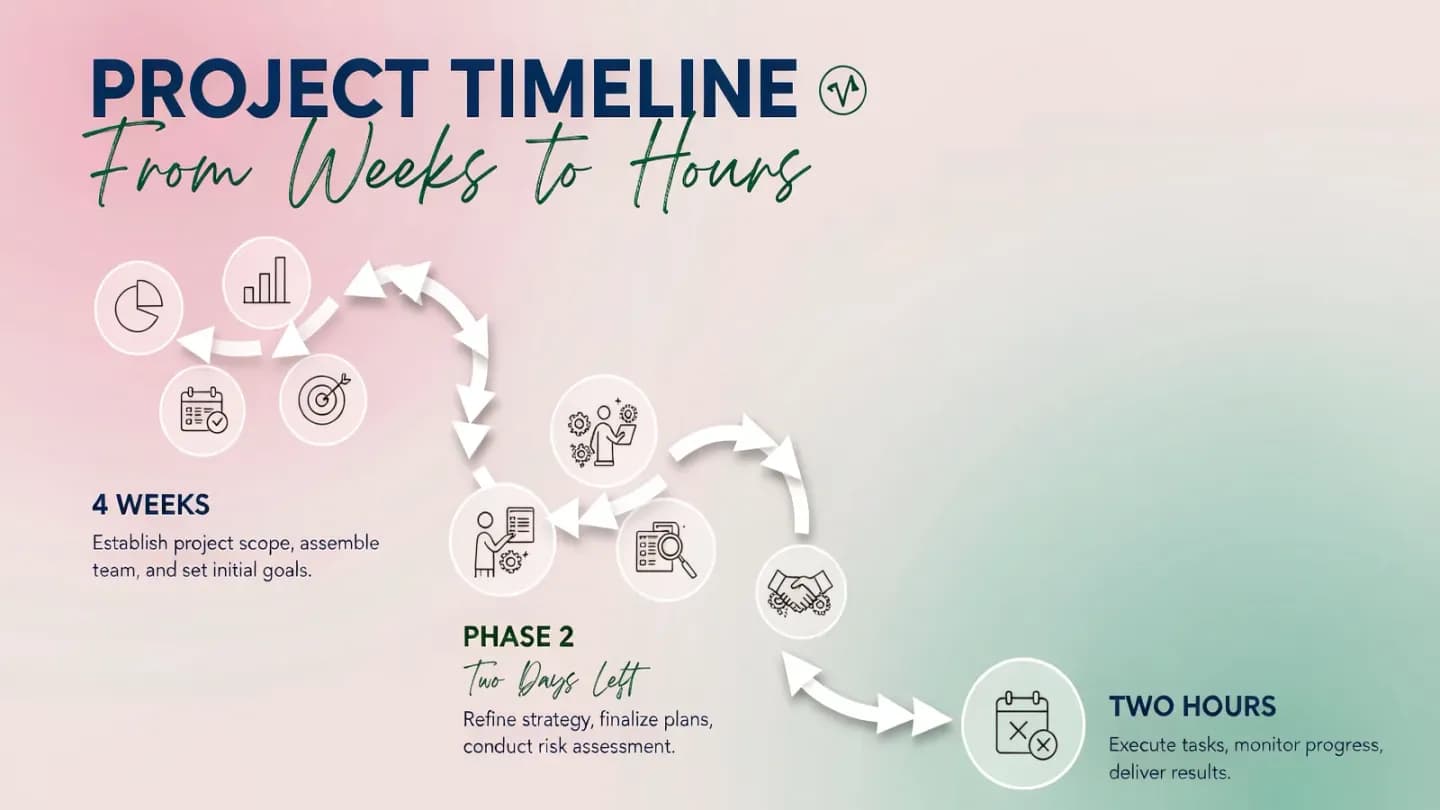
Kimberly-Clark offers the clearest benchmark for what in-housing can deliver. According to Reuters-linked reporting cited by Marketing Tech News, the company cut a content creation cycle from 24 days to two hours using an AI platform built in India. The platform handles product imagery, video workflows, influencer selection, and campaign localization across markets — the exact work that previously required a production partner, a shoot schedule, and a global shipping plan for physical samples.
The number matters because it resets expectations inside procurement. Once a brand sees two-hour turnaround as achievable, the old six-week brief-to-live timeline stops reading as a creative constraint and starts reading as a process failure. Agencies are not disappearing in this model; they are being re-scoped toward strategy, senior craft, and specialist production, while the repetitive high-volume versioning migrates to the internal team.
The World Federation of Advertisers and The Observatory International put a maturity figure on the trend: 66 percent of major multinational brands already operate an in-house agency, and 21 percent were considering establishing one. At two-thirds penetration, the practical question is no longer whether to in-house but what 'in-house' should mean for a given enterprise — a small creative pod, a full production function, or a hybrid anchored in a global capability center.
The two-hour benchmark also changes how brands write agency contracts. When high-volume versioning can be produced internally for near-zero marginal cost, paying a production partner by the deliverable starts to look like buying compute by the hour. Procurement teams increasingly scope agencies around strategy and specialist craft, then prove the relationship with throughput and reuse rather than a pile of one-off assets.
Why the Bottleneck Moved to Governance
The speed creates a new problem that in-housing does not automatically solve. When generation takes hours instead of weeks, the constraint is no longer making the clip — it is reviewing it. Creative operations teams now cycle through 30 to 50 active creatives per campaign where they once ran five to eight, and no strategist can watch, tag, and rank that volume by hand before the auction moves on. The bottleneck moved from production to evaluation.
That is why approvals become the real production line. Brands that pull production in-house inherit the governance work agencies used to absorb: brand controls, rights management, claims review, and the audit trail that proves how a given asset was made and localized. The old render queue is no longer the binding constraint — the review queue is. This is the same dynamic behind the long-standing {{link}} in campaign-scale production, except the congestion has shifted one stage downstream.
Governance is also where in-housing exposes risk. Near-zero marginal cost tempts teams to flood every channel with variants, and without a review cadence the result is generic, undifferentiated creative that erodes brand distinctiveness. The control plane — model usage policy, rights management, and a claims audit trail — has to exist before scale, not after a backlash.
This is the same dynamic behind the long-standing AI video render queue bottleneck in campaign-scale production, except the congestion has shifted one stage downstream.

The Expanded Testing Surface Changes the Math
In-housing also reshapes the economics of creative testing. Procter & Gamble's North America digital team disclosed in a June 2026 trade presentation that it was running an average of 340 creative variants per major campaign, up from 18 two years earlier. The productivity gain came not from hiring more creatives but from AI generation pipelines wired directly into the campaign management stack — exactly the wiring an in-house team can now own end to end.
The cost curve makes the case concrete. The per-finished-video-asset price has fallen from a traditional average near $80,000 to under $200 for AI-generated equivalents in standardized formats. When marginal versions approach zero cost, the binding metric stops being per-asset price and becomes {{link}} — total compute divided by the clips a team can actually ship. That is the number in-housing forces finance and procurement to track instead of a per-deliverable rate card.
The implication for commercial teams is that in-housing pays off only when the testing surface is actually used. A pipeline that generates 340 variants but reviews ten of them wastes the advantage. The discipline that matters is the feedback loop: losing variants inform the next brief, and the review cadence keeps pace with generation instead of lagging it by weeks.
Near-zero marginal cost also changes the procurement unit itself. The durable unit of value stops being a single finished video and becomes the system that generates, reviews, and retires variants at pace. Brands that track only production spend miss the real cost center, which is the review and governance capacity needed to keep a high-velocity pipeline safe, consistent, and on-brand.
the binding metric stops being per-asset price and becomes cost per usable clip — total compute divided by the clips a team can actually ship.

What Commercial Video Teams Should Do Next
The practical move is to treat in-housing as a governance project, not a tooling one. Set two explicit service-level agreements — cycle time and review time — and pressure-test your own intake workflow against the two-hour benchmark. Confirm the control plane, including brand guardrails, rights management for training data and outputs, and a claims audit trail for localization changes, before scaling beyond pilots.
The teams pulling ahead are the ones that automated what happens to a variant after it is generated: allocate more budget, pause, remix, or retire. That decision layer — not the generator itself — is the durable capability. It is also the part most in-housing plans under-scope, because generation is the visible, exciting problem and review is the quiet, unglamorous one.
Most brands still sit on the wrong side of the {{link}}. They adopted AI tools widely but never redesigned the workflow around them, so production speed outruns the review and measurement discipline that makes it safe. Closing that gap — not buying another model — is what turns in-housing from a cost-cutting story into a structural advantage that competitors cannot easily copy.
Start with a single high-velocity use case rather than a blanket mandate. A seasonal retail push or a product-line refresh gives the team a bounded surface to build the control plane, prove the two-hour cycle, and learn exactly where review breaks down. Once the review cadence holds under that load, expansion is a matter of adding capacity, not re-architecting the workflow from scratch.
Most brands still sit on the wrong side of the adoption versus execution gap.
Put the framework into production
These related pages connect the article’s planning advice to a specific commercial scope.
References
- AI is pulling ad production in-houseMarketScale
Kimberly-Clark cut a content creation cycle from 24 days to two hours using an AI platform built in India; WFA and The Observatory International found 66% of major multinationals operate an in-house agency.
- Creative at the Speed of AIcas.ai
The creative bottleneck moved from production to evaluation; ad accounts now cycle 30-50 active creatives per campaign, exceeding what human reviewers can tag and rank.
- Synthetic Creative Is Eating the Ad Agency Model From InsideAdTimes
P&G's North America digital team ran an average of 340 creative variants per major campaign in 2026 vs 18 two years prior; per-finished-video-asset cost fell from ~$80,000 to under $200.