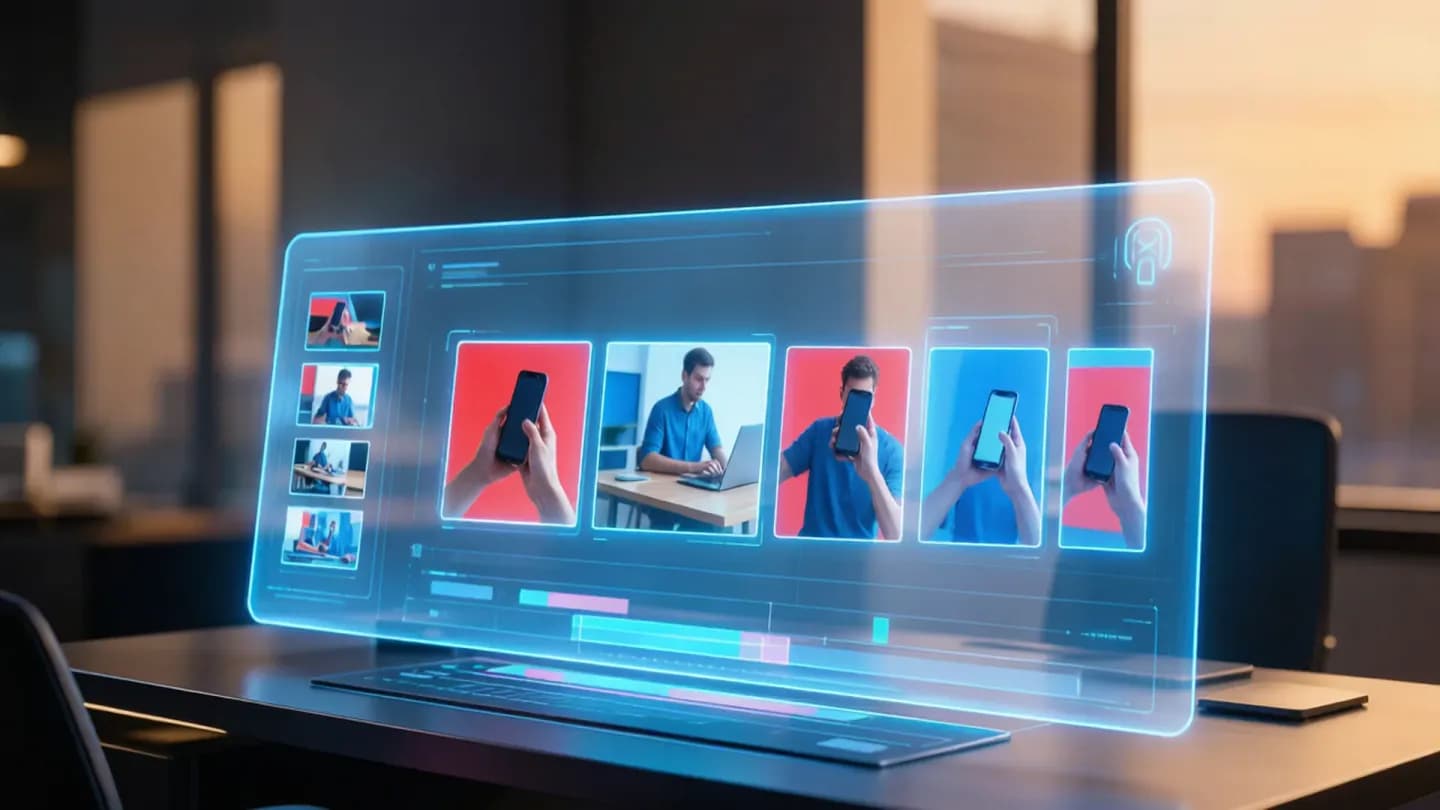
Why AI video tools for brand campaigns became 2026's focus
AI video tools for brand campaigns arrived in force in 2026, as vendors shipped production-grade products built specifically for advertising and marketing teams rather than general creators. The 2026 wave centers on Vidu's Q3 and Q2 Pro, Wondershare's Filmora.AI and Virbo AI, and the platform-native generation now landing inside Google and Meta consoles.
For three years, AI video tools chased everyday creators with one-off generators that produced a striking clip and little else. In 2026 the pitch changed decisively: vendors now sell outcomes to marketing teams — storyboards, brand-consistent cuts, and commerce-ready variants — instead of novelty footage. That shift tracks the budget flowing into digital video and the relentless pressure on brands to ship more creative for every production dollar they spend. The result is a buyer's market for capability but a seller's market for judgment, because the system a team picks now shapes a full year of output.
The practical difference is workflow depth. A brand campaign needs script, storyboard, on-brand visuals, versioning, and delivery wrapped inside one system. The tools that launched this year are explicitly built around that full loop, which is why they read less like experimental toys and more like production infrastructure a studio can depend on. Teams that treated AI video as a novelty in 2024 are now specifying it in procurement documents, and that change is exactly why vendor roadmaps suddenly look like production roadmaps.
Vidu's production-grade leap: Q3 and Q2 Pro
Vidu's 2026 releases show exactly where the category is heading. In January the platform added Q2 Pro with Reference-to-Video, letting teams use people, scenes, and actions as editable references instead of regenerating entire clips from scratch. By February and April it shipped Q3, Q3 Pro, and Q3 Turbo with native audio-video output, so sound and picture are generated together in a single pass rather than dubbed in during post-production. Native audio matters more than it sounds, because lip-sync and voice are precisely where cheap generation usually breaks a viewer's trust.
The significance for brand work is consistency under revision. Reference-driven editing means a product shot or a spokesperson can be changed without re-rolling the whole sequence, which is precisely the iteration loop commercial teams live inside. Vidu's public changelog documents these capabilities landing across the first four months of 2026, a release cadence that signals production readiness rather than research demos that never leave the lab. For brand work the metric is not peak quality on one hero frame but repeatable quality across dozens of assets, and steady shipping implies exactly that.
For agencies, the real takeaway is that 'generate a clip' is no longer the product. The product is controllable, reference-locked generation that survives client notes — the same discipline behind the reference-first workflows that have become standard in serious production pipelines. The teams winning pitches are the ones that can show a client three on-brand variants by end of day, not one pretty render by end of week.
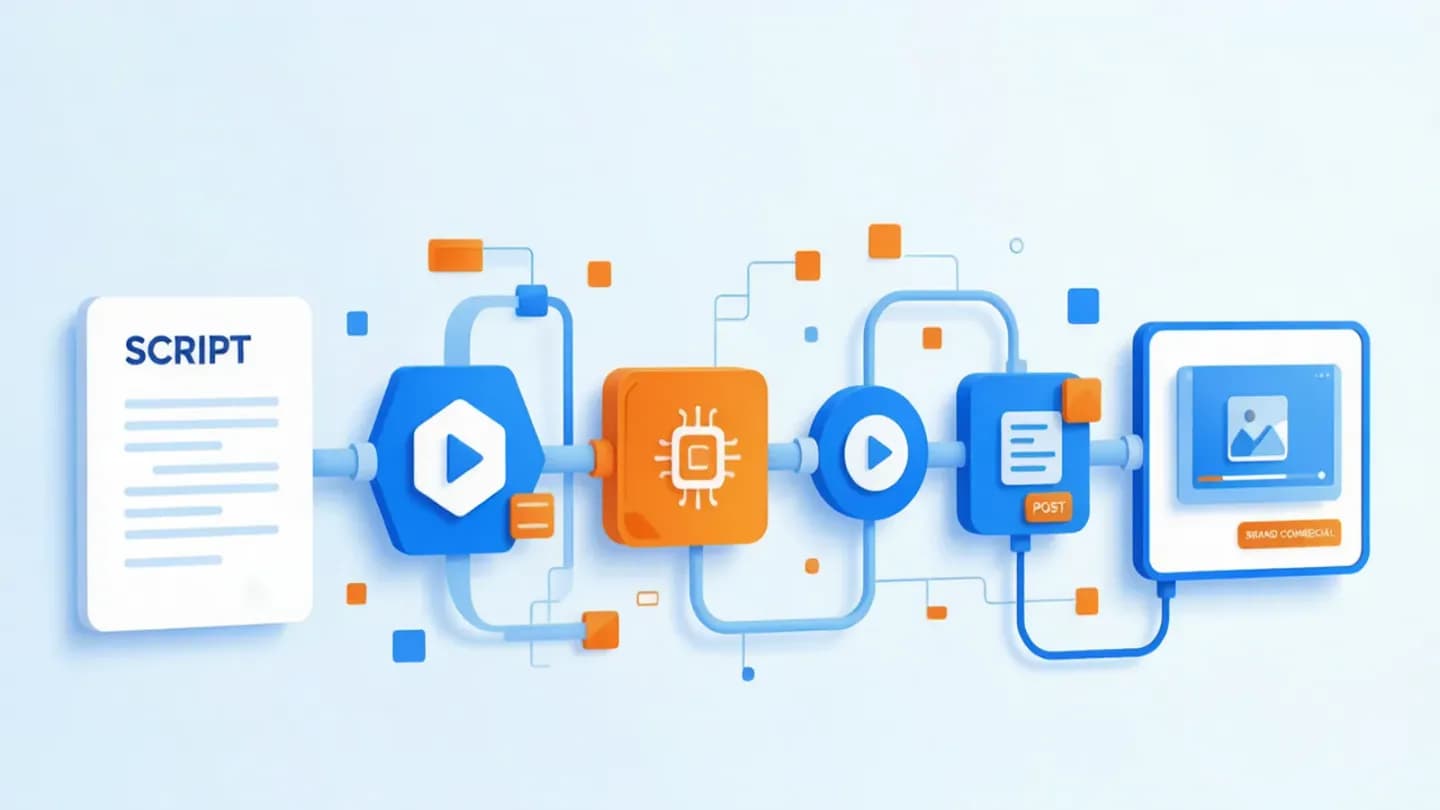
Wondershare's Filmora.AI and Virbo AI hit WAIC
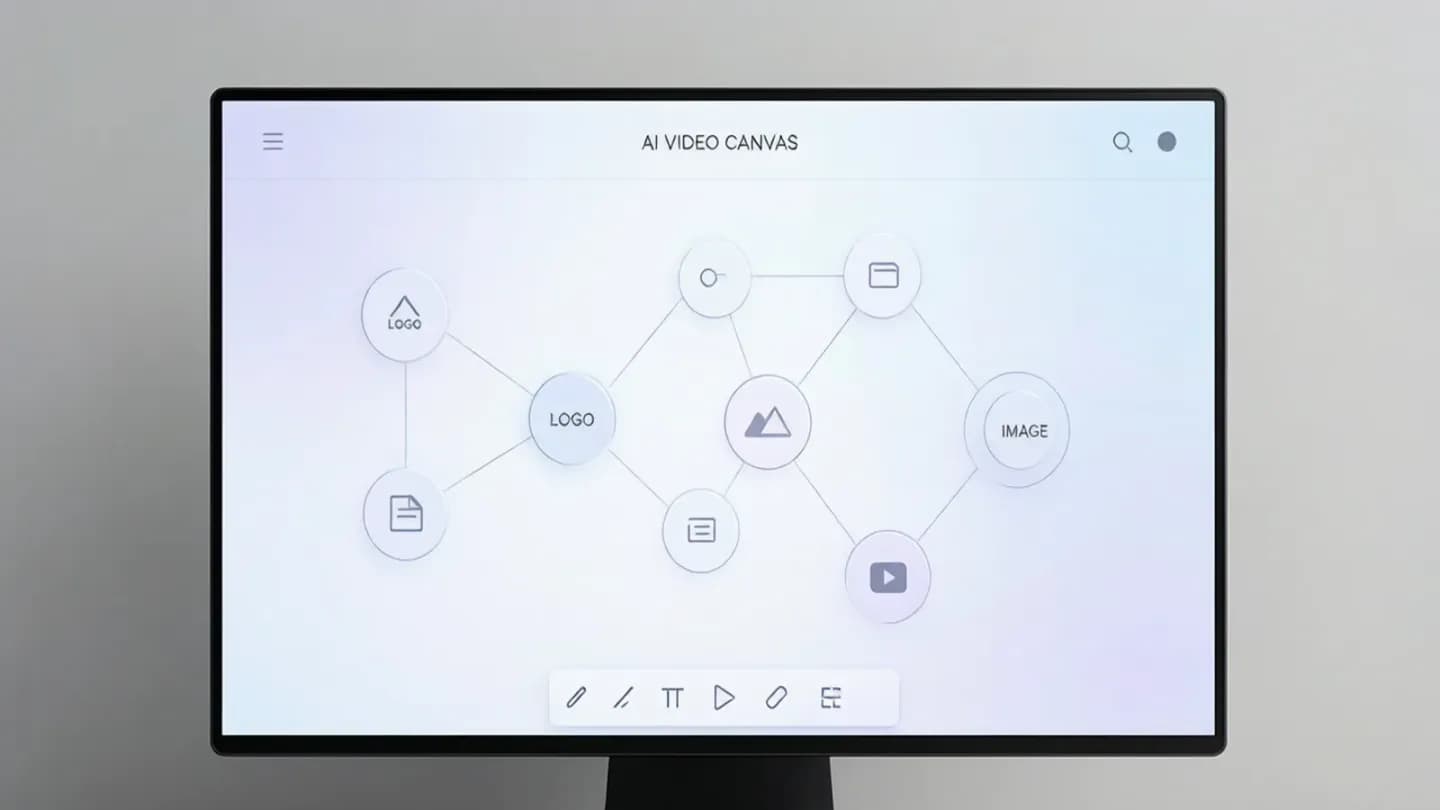
Wondershare used WAIC 2026 to debut Filmora.AI, an AI-native video canvas aimed at TVC and brand-advertising teams, and Virbo AI, a commerce video tool built for social selling. Filmora.AI wraps script planning, storyboard design, asset generation, and rough editing into one workspace, then hands the project off to Wondershare's Filmora for professional finishing and color. The TVC framing is deliberate: Wondershare is aiming at the high-end commercial spot rather than the social clip, which raises the bar for control and finish.
Virbo AI takes a different lane: it blends generated and real footage so a single product image plus one line of copy can become a localized sell clip. Wondershare positions both products as ways to compress production time and cost on commercial work, the kind of efficiency claim brand teams scrutinize closely but rarely get from point generators that only make one-off scenes. Commerce teams in particular benefit, because a product page or a paid-social cut can now be spun from a single asset without booking a shoot.
The pattern repeats across vendors this year: stop selling isolated features, start selling the finished cut. That is the clear throughline of the entire 2026 launch wave from every major AI video supplier, and it tells you what to evaluate when the next launch lands in your inbox.
Platform-native generation pulls tools into the console
The biggest structural move is generation leaving standalone apps entirely. Google and Meta moving generation inside their consoles is the clearest sign that {{link}} are becoming the default, because the creative is now made where the media is bought. Brand teams no longer export a clip just to upload it; they generate the asset directly inside the campaign workflow. It also shortens the loop from idea to auction, which is exactly where paid-social performance is won or lost.
This collapse of the toolchain raises the bar on governance at the same time. When generation lives in the ad console, every variant is also a media object the platform can buy, which is why provenance tagging and brand-safety controls matter far more at the point of creation than they did when video lived in a separate editor. Brands that ignore this shift will keep paying for exports and uploads that their competitors no longer pay for.
Google and Meta moving generation inside their consoles is the clearest sign that platform-native AI video ads are becoming the default, because the creative is now made where the media is bought.
How to evaluate a brand-campaign AI video tool
With so many launches arriving at once, buying well matters more than buying early. The difference between a clip generator and end-to-end {{link}} is now the deciding factor for most buyers, because brand work dies in the handoffs between disconnected tools. A platform that brands, localizes, and tags a publish-ready cut removes the integration tax that silently eats schedules. The cheapest tool is rarely the cheapest outcome once revision cycles and handoffs are priced in.
Before committing workflow, a disciplined {{link}} process separates tools that demo well from those that actually ship every day. Score each candidate on output control, revision cost, brand consistency, and export fidelity — the four things that genuinely break a campaign after the first pretty frame. A short proof-of-concept run on your own assets beats any vendor benchmark slide. Export fidelity in particular breaks campaigns, because a cut that will not drop into the ad console cleanly costs more than it saves.
Treat any new tool as a production dependency, not a novelty. The teams pulling ahead in 2026 are the ones that pilot quickly, gate each tool on real briefs, and retire anything that cannot survive a real client revision cycle without melting down. Document the decision so the next hire inherits a rationale, not a mystery about why a tool is in the stack.
The difference between a clip generator and end-to-end AI video delivery platforms is now the deciding factor for most buyers, because brand work dies in the handoffs between disconnected tools.
Before committing workflow, a disciplined AI video model selection process separates tools that demo well from those that actually ship every day.
What the spending shift means for adoption
None of this adoption happens without budget behind it. IAB projects U.S. digital video ad spend to reach 81.9 billion dollars in 2026, growing 11 percent year over year, with social video outpacing connected TV for the first time. Two-thirds of buyers are already live, testing, or planning agentic AI for video — the infrastructure question is settled even as the execution question stays open. That budget is increasingly performance-led, which rewards teams that can test creative fast rather than perfect it slowly.
The 2025-2026 case data shows {{link}} when humans stayed in the loop, which is why adoption is accelerating but not automatic. Brands are funding substantially more creative, and the 2026 tool wave exists to spend that budget without multiplying headcount across the studio. Human oversight remains the differentiator, not the bottleneck, which is the opposite of how 2024 framed the fear.
Expect the next wave to be less about brand-new models and more about who can wire generation into the campaign, the console, and the creative review inside one governed, auditable flow. The winners will be the teams that treat these tools as infrastructure and govern them like any other production system they already trust.
The 2025-2026 case data shows what AI-generated brand campaigns delivered when humans stayed in the loop, which is why adoption is accelerating but not automatic.
Put the framework into production
These related pages connect the article’s planning advice to a specific commercial scope.
References
- Vidu API Update Notice (2026 model releases)Vidu (ShengShu Technology)
Vidu added viduq3, viduq3-pro, viduq2-pro (Reference-to-Video) and native audio-video output across January to April 2026, positioning Q3 as a long-form model with synchronized sound and Q2 Pro as a reference-driven editing system.
- U.S. Digital Video Ad Spend to Surpass $80B in 2026IAB
IAB projects U.S. digital video ad spend to reach $81.9B in 2026 (+11% YoY), with social video outpacing CTV for the first time and two-thirds of buyers on a live, testing, or planned agentic-AI path for video.
- Wondershare Showcases Infinite Canvas, Filmora.AI, and Virbo AI at WAIC 2026China AI News
At WAIC 2026 Wondershare debuted Filmora.AI, an AI-native commercial video canvas for brand advertising, and Virbo AI, a commerce video tool, positioning both to compress production time and cost on commercial work.