
Why In-Game Video Advertising Became a Buyable Line in 2026
In-game video advertising became a real line item in 2026 because the buy side finally got the plumbing it had been missing: standard measurement, programmatic access and audience scale. IAB's fifth annual PlayFronts, held in New York on 17 September, marked the shift. The agenda moved off audience size and onto outcomes, with panels on built-for-platform creative and a closing session titled Gaming is the New Premium Video.
For five years the argument was whether gaming deserved a place in the media plan at all. IAB's senior vice president Cintia Gabilan told the conference that question is now settled, and that the harder one is what happens after a brand appears inside a game. Fandom matters, she said, but fandom by itself does not demonstrate business impact, and attention has to be shown to change behaviour rather than merely exist. That reframing moves the pressure downstream, onto the assets themselves.
The commercial case is unusually easy to state. Zynga used PlayFronts to launch Zynga Ads+, opening a combined audience of more than 100 million players to brand campaigns, and cited a DoubleVerify average Attention Index of 204 for its mobile inventory against DoubleVerify's very high performer benchmark of 133. Mobile publishers spent a decade optimising rewarded video for app installs; the same inventory is now sold to brands as premium reach.
What changed structurally is that gaming stopped being a bespoke buy. WPP Media's 2026 trends report describes the wild west period as over, pointing to the IAB Gaming Measurement Framework, verification partnerships and DSP listings that give gaming inventory metrics comparable to YouTube and TikTok. Its conclusion is blunt: those changes could shift gaming from an innovation bucket onto the media plan.
What the Placement Actually Asks of Your Video
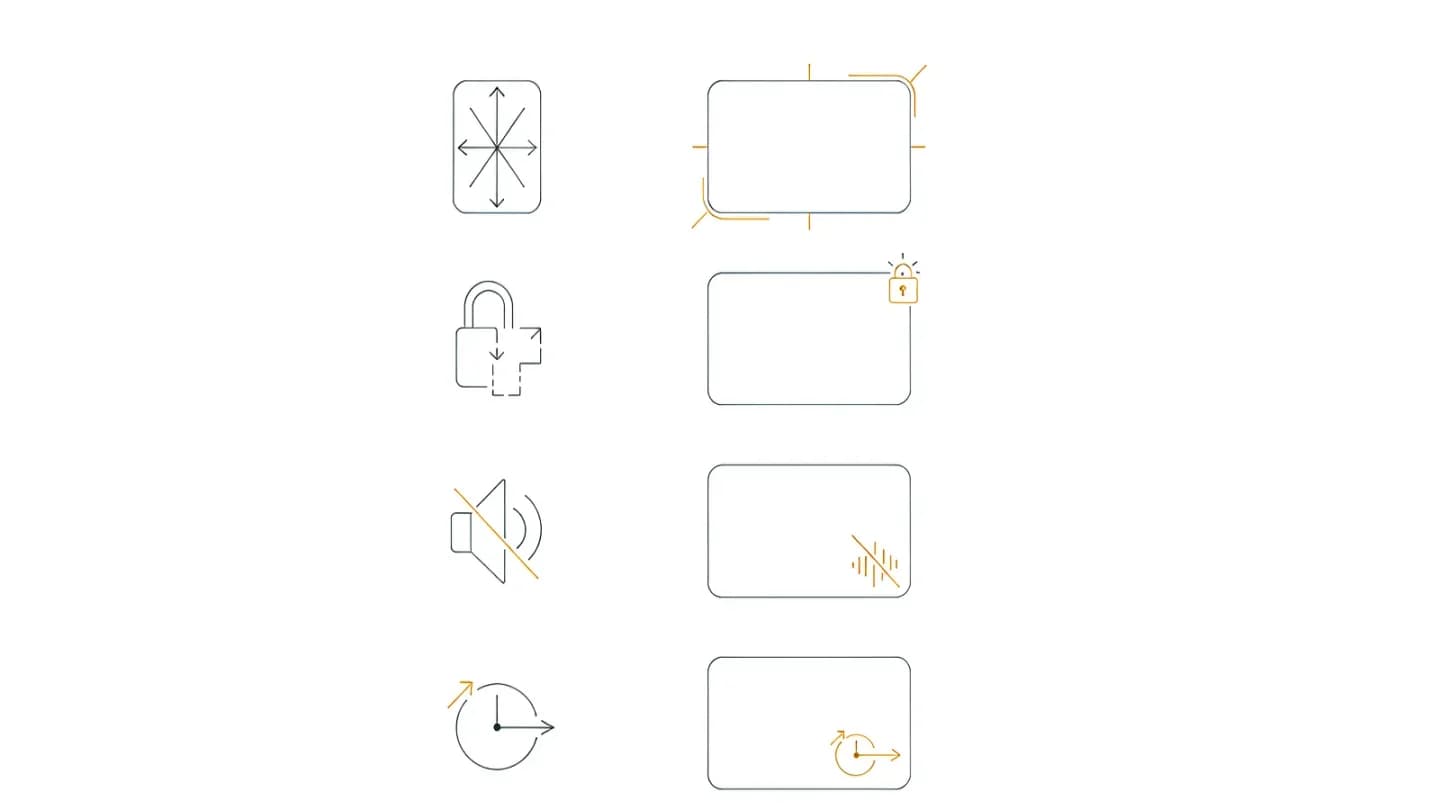
Inside a game the format contract is almost the inverse of a social feed. The unit is full-screen rather than a card in a scroll column, it is usually non-skip, it plays where sound is off by default, and it can run considerably longer than six seconds. Players arrive with the app already open and a purchase habit already formed, which is why the buy side calls this premium inventory rather than leftover reach.
That description covers three different products, and confusing them is the first mistake. Rewarded video is an explicit trade: the player chooses to watch and receives something in return, which caps attention but also caps patience for anything that feels like a bait and switch. Intrinsic placements put the ad inside the fiction, on a billboard or a screen the player passes in the world. Immersive formats build a branded space rather than a slot, and are closer to a partnership than a media buy.
The placement is also assembled late. Serving decisions are made at impression level from a base asset, and the crop, the duration and often the offer line are resolved at that moment. That is the same shift that turned {{link}} into a runtime decision rather than a campaign prep step, and it means the master you approve is no longer the thing most viewers will actually see.
That is the same shift that turned programmatic creative into a runtime decision rather than a campaign prep step, and it means the master you approve is no longer the thing most viewers will actually see.
Why Social Creative Fails Inside a Game
Most brand video is now made for a single environment: a vertical feed where a viewer's thumb decides in under two seconds. That contract produces a recognisable asset, with a fast first frame, burned-in text, no dependency on audio and a hard stop at fifteen seconds. None of those choices is wrong. They are answers to a question the game placement never asks.
A pipeline trained on {{link}} optimises the first two seconds and then assumes the viewer leaves, which is exactly the wrong contract for a non-skip in-world unit.
Audio is the second failure point. A silent-first feed teaches teams to treat music, room tone and voice as optional garnish, so the social master arrives with a flat, dialogue-led mix and no sonic hook. Where a non-skip unit runs sound-off by default, the mix is doing structural work rather than decoration, and an unresolved audio problem shows the moment a player turns the volume up.
The third mismatch is density. Because a feed punishes a slow opening, teams compress every idea into the first seconds and then repeat the offer until the clip ends. A longer full-screen slot rewards the opposite: one idea, stated once, with room for the picture to make an argument the voiceover cannot.
A pipeline trained on short-form hook design optimises the first two seconds and then assumes the viewer leaves, which is exactly the wrong contract for a non-skip in-world unit.
The Spec Sheet for Built-for-Platform In-Game Video
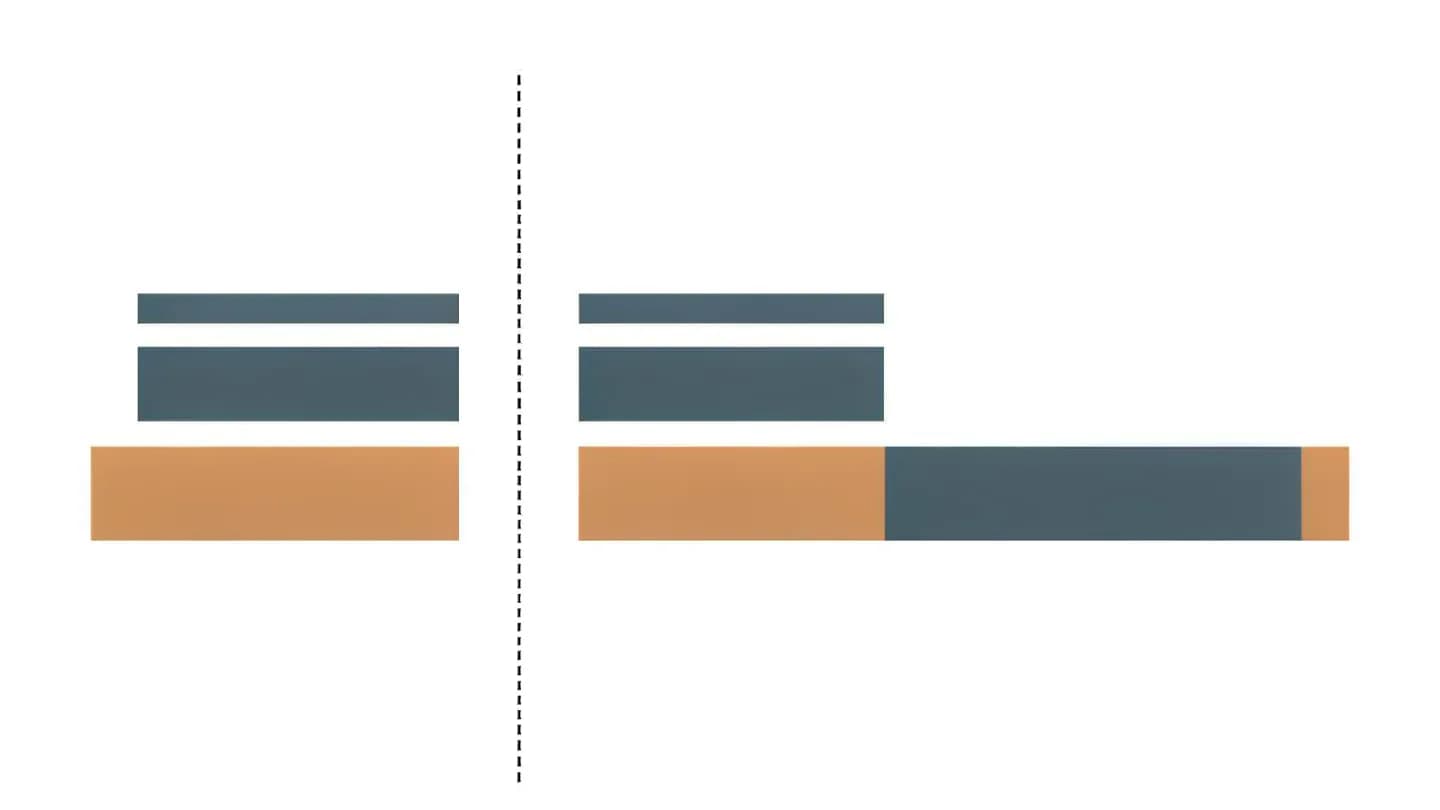
Built-for-platform is not a phrase about tooling. It is a brief that names the surface before it names the story, and for in-game video the working spec has four lines. Duration: treat a six-second reward unit and a thirty-second in-world spot as separate products rather than one master and a cutdown. Sound: design the picture to complete a thought with the audio muted, then let the mix add pressure rather than information. Framing: keep a readable centre of interest, because intrinsic units sit in perspective and can appear at an angle. Text: keep supers short, high-contrast and inside a conservative safe area, because non-skip means a viewer cannot scrub past a line they failed to read.
Anzu's in-game lead designer frames the same problem from the sell side. What separates a placement that belongs in a world from one that is bolted on is craft: scale, framing, material, lighting, camera angle and timing. The most common failure is not designing for the screen experience, so a unit sits in the right place and is never read properly.
Crop-and-resize automation, the logic behind {{link}}, does not get you there, because the problem here is duration and sound rather than aspect ratio.
The quality gate matters more here than in a feed. A feed forgives a drifting product silhouette because the frame is gone in two seconds; an in-world unit persists for the length of a scene, and a logo that renders as plausible nonsense is readable to a player standing still in front of it. Generous-looking text is the most common defect, and the fix is procedural: generate the scene without trusting the model to render words, then set type in an editor.
Variant volume is where an AI-assisted pipeline finally earns its keep. Mobile inventory is bought in volume against a median player who sees several distinct ads before purchase, and the format's longer narrative arc gives each variant room to say something different.
Crop-and-resize automation, the logic behind AI video reframing, does not get you there, because the problem here is duration and sound rather than aspect ratio.
Attention Is a Guardrail, Not a Goal
The measurement story is the genuinely useful part of the 2026 shift, because it tells a team what to optimise once the asset exists. Zynga's launch data matters less for its headline number than for how it was framed: DoubleVerify graded the publisher's mobile inventory at an average Attention Index of 204, against a very high performer benchmark of 133. Read as a band to clear rather than a leaderboard to climb, that figure is a diagnostic. A cut landing far below it usually has a legibility or pacing problem rather than a media problem.
Gaming is the first channel where the {{link}} runs the other way: the format hands you length and a full screen instead of stripping both.
Attention is also not a single score. Eye-tracking panels, predictive models and survey-based constructs disagree with one another, so a threshold derived from in-game measurement is only comparable to other in-game measurement. Treating a vendor benchmark as a universal standard is how teams end up optimising a number instead of a viewer.
Keep attention separate from incrementality. Attribution tells you which touchpoint got credit; incrementality asks whether the result would have happened without the ad. Where the real proof sits in offline purchase data, closing that loop is a quarterly exercise, which is why an early gaming program should be judged on the job the placement was bought to do until there is enough data to argue about conversion.
Gaming is the first channel where the video attention split runs the other way: the format hands you length and a full screen instead of stripping both.
What to Change This Quarter
Treat the gaming slot as its own product line rather than a destination for spare assets. That starts with the brief: name the surface, the duration, the sound state and the skip behaviour before the concept is written, so the asset is born at the right length instead of being cut down from a longer master.
Then audit what you already own. Most teams are sitting on a library of vertical social masters that could be rebuilt as sound-off, full-screen cuts at two or three durations, and a generative pipeline can produce those variants from approved reference frames faster than a reshoot schedule allows. Rebuilding beats reshooting, but it only works if the rebuild is treated as a new brief rather than a resize.
Finally, adopt the guardrail and connect it to the plan. Set an attention floor for the placement, check the first batch against it, and report the answer to whoever owns media rather than to whoever owns the reel. The inventory is buyable and measured in 2026; what is still scarce is video that was designed for the room it now plays in.
Put the framework into production
These related pages connect the article’s planning advice to a specific commercial scope.
References
- 2026 IAB PlayFrontsIAB
IAB's fifth annual PlayFronts took place on 17 September 2026 in New York, framed around 'gaming is the new mass culture', with Zynga leading a session on scaling built-for-platform creative in gaming and a closing session titled Gaming is the New Premium Video.
- IAB PlayFronts 2026 shifts focus from gaming's reach to its ROIGamesBeat
Zynga launched Zynga Ads+ at PlayFronts, offering access to a combined audience of over 100 million, and reported a DoubleVerify average Attention Index of 204 for its mobile inventory against DoubleVerify's 'very high performer' benchmark of 133; IAB's Cintia Gabilan said attention must be shown to change behaviour.
- Ads Don't Have To Break Games If You Design Them RightAnzu
Anzu's in-game lead designer argues that in-game monetization should be treated as an infrastructure and design decision rather than a revenue afterthought, that what separates 'bolted on' from 'belongs here' is scale, framing, material, lighting, camera angle and timing, and that the most common implementation mistake is ignoring the actual screen experience so a placement sits in the right location but is never read properly.
- WPP Media UK Trends 2026WPP Media
The report states the wild west period of in-game advertising is over: the IAB Gaming Measurement Framework, measurement partnerships and DSP access to rewarded and immersive units give gaming inventory metrics comparable to YouTube and TikTok, and it argues these changes could shift gaming from an innovation bucket to a standard media-plan line in 2026.