Why the short-form video hook decides everything
A strong short-form video hook is the difference between a clip that gets scrolled past and one that earns the view. The first three seconds of a short-form brand video decide whether the algorithm keeps pushing it and whether a muted, distracted viewer stays. Here is how to engineer that opening on purpose, instead of hoping the edit hides a weak start.
Retention is not a vague worry. Our {{link}} break down the exact second-by-second drop-off across TikTok, Reels and Shorts. The curve is steepest at the very top: most viewers who leave, leave in the first few seconds, and the algorithm reads that early exit as a signal to stop serving the clip. A hook is not decoration, it is the load-bearing wall of the whole piece.
Wistia's 2026 State of Video report makes the same point from the engagement side: the shorter the video, the higher the engagement rate, and nearly every format performs best under five minutes. But a longer video still racks up more total watch time, so the lesson is not be tiny, it is pay off early. The hook has to promise and partially deliver the value before the viewer's thumb moves.
That reframes the job of the opener. It is not a logo sting or a slow establishing shot. It is a contract: in three seconds the viewer should know what they are watching, why it matters to them, and what they get if they keep watching. Everything after that is fulfilment, and fulfilment only happens if the hook earned the right to it.
Our short-form video retention benchmarks break down the exact second-by-second drop-off across TikTok, Reels and Shorts.
Muted autoplay is the environment, not the exception
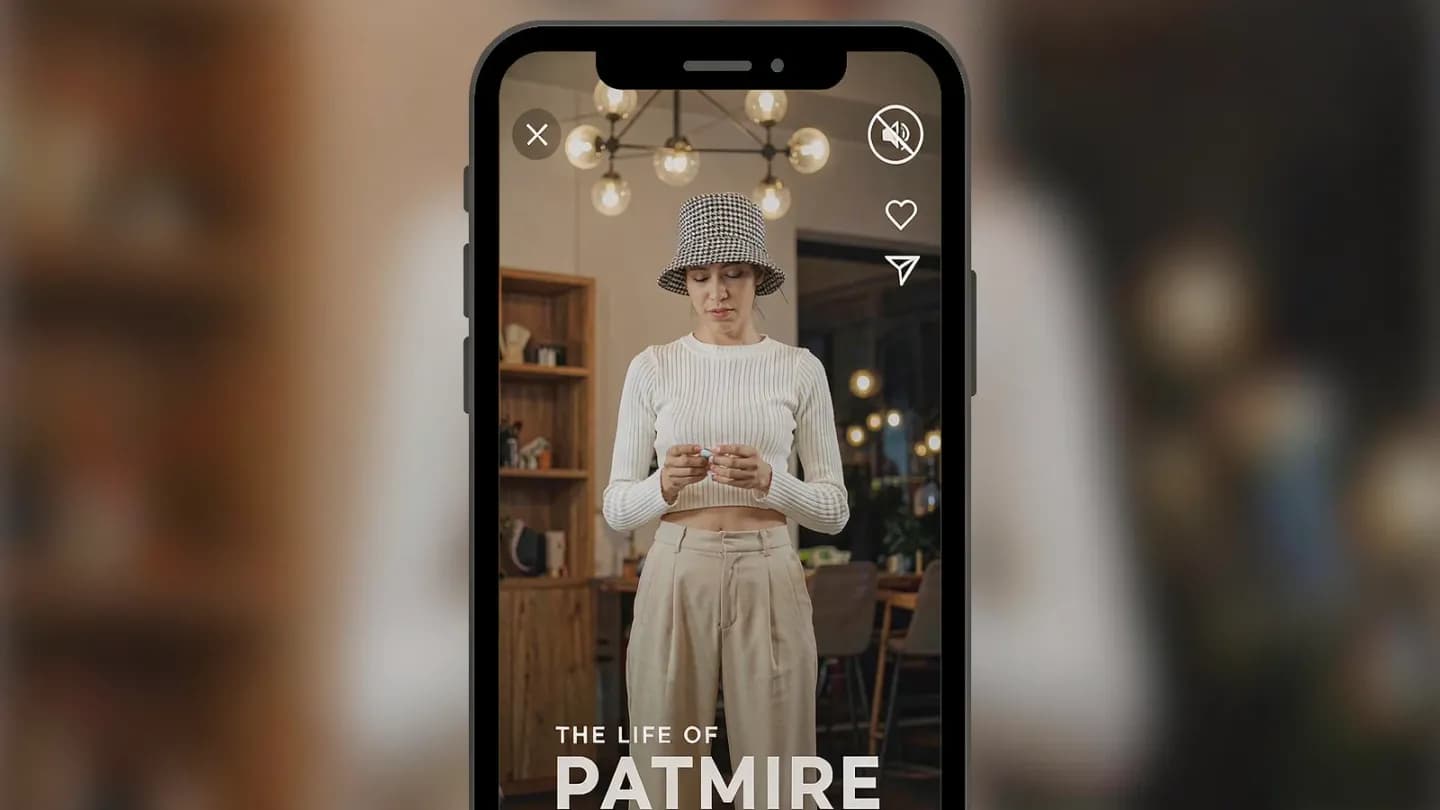
TikTok, Instagram Reels and YouTube Shorts all default to muted autoplay. The first contact a viewer has with your brand video is silent, on a small screen, mid-scroll. If your hook only works with sound, a voiceover setup, a joke that needs the punchline audio, a song that carries the emotion, you have already lost most of the audience before frame two.
Design for the eyes first. The same master has to survive burn-in captions and vertical crops, which is why {{link}} now treat muted playback as the default export target. Build the opening so it reads cold: a clear subject, a visible action, a legible on-screen line. Sound should add, never carry the meaning of the hook.
This is also why a story that needs forty seconds to set up is a liability in-feed. The feed rewards immediate coherence. A viewer should understand the situation and the stakes from the pixels alone, then choose to lean in. If you catch yourself saying but it pays off at the end, the hook is in the wrong place and the video will never reach that end.
The same master has to survive burn-in captions and vertical crops, which is why AI video delivery platforms now treat muted playback as the default export target.
Lead with a visual, never a logo
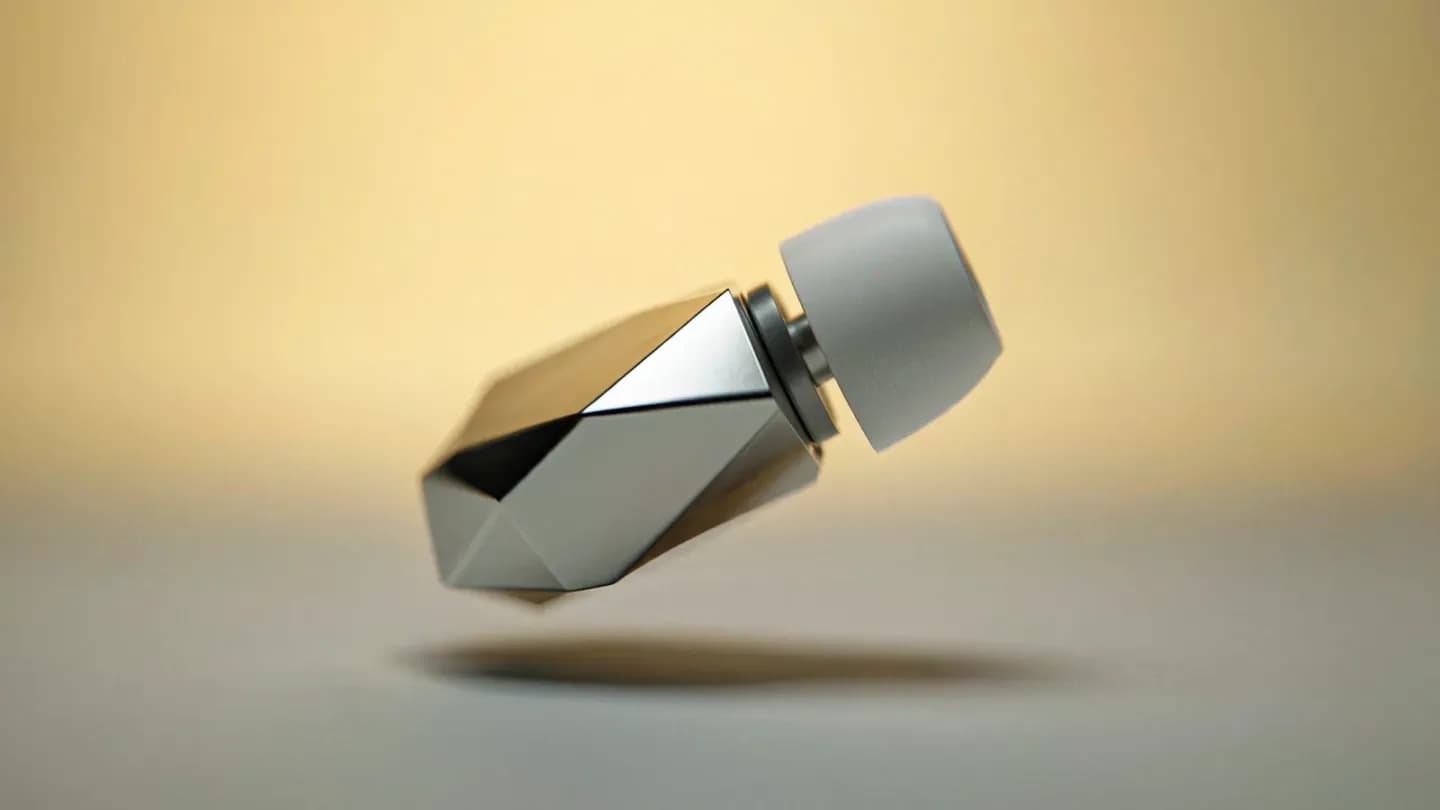
The single most common weak opener is a brand logo animation. It tells the viewer nothing about the video except who made it, and by the time the logo finishes they have scrolled. Logos belong in the last two seconds, not the first. Open on a person, a product in motion, a transformation, or a contradiction the viewer wants resolved.
Pattern interrupt is the mechanism. The brain flags novelty and motion before it processes meaning, so an unexpected composition, a hard cut, or a product doing something impossible to ignore earns a beat of attention you can spend on the message. The interrupt has to point at the value, not just at itself. A weird shot with no payoff trains the viewer to skip you faster the next time.
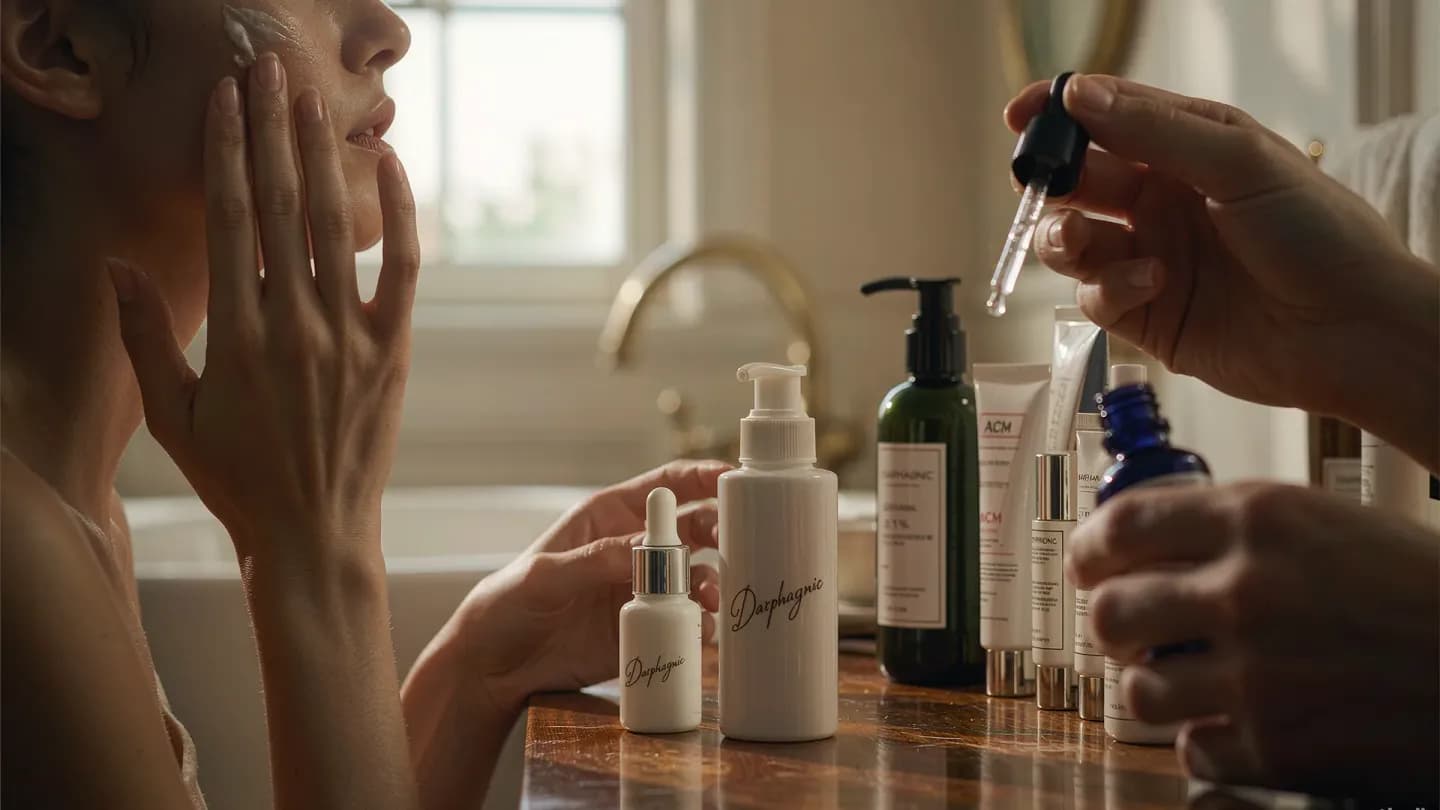
For brand films this often means starting inside the world of the product rather than above it. A skincare clip that opens on a hand mid-application, a software clip that opens on the actual dashboard doing the work, a food clip that opens on the sizzle, these are hooks because they are already the thing the viewer came for. The logo can wait until the viewer has decided to stay.
Put the payoff or the proof in frame one
The strongest hooks either show the outcome or show the evidence. Watch this car turn into a boat works because the payoff is visible. We cut onboarding time by 60 percent works because the proof is stated. Leading with the result respects the viewer's time and gives the algorithm a complete, satisfying unit even if they swipe after three seconds.
When the proof is a number, {{link}} are often the fastest way to land it inside the first second. A bold stat burned into frame one does the job a spoken line cannot, because it survives muted playback and reads at thumbnail size. Keep it to one idea, high contrast, and gone before it competes with the action on screen.
Proof also disarms the skepticism that follows AI-generated creative. A viewer who suspects a clip is synthetic will forgive a lot if the first frame shows something real and useful, a real result, a real customer, a real demonstration. Lead with the substance and the is this AI question becomes irrelevant to whether they keep watching. The hook carries the trust, not the render.
When the proof is a number, on-screen text and supers are often the fastest way to land it inside the first second.
Motion is the cheapest attention you can buy
Within a frozen feed, movement is a signal. A slow push-in, a subject entering frame, a piece of kinetic type, any of these tells the algorithm and the viewer that something is happening here. Static holding shots, no matter how beautiful, get treated as a photo and scrolled past. The first second should contain at least one deliberate movement with a clear purpose.
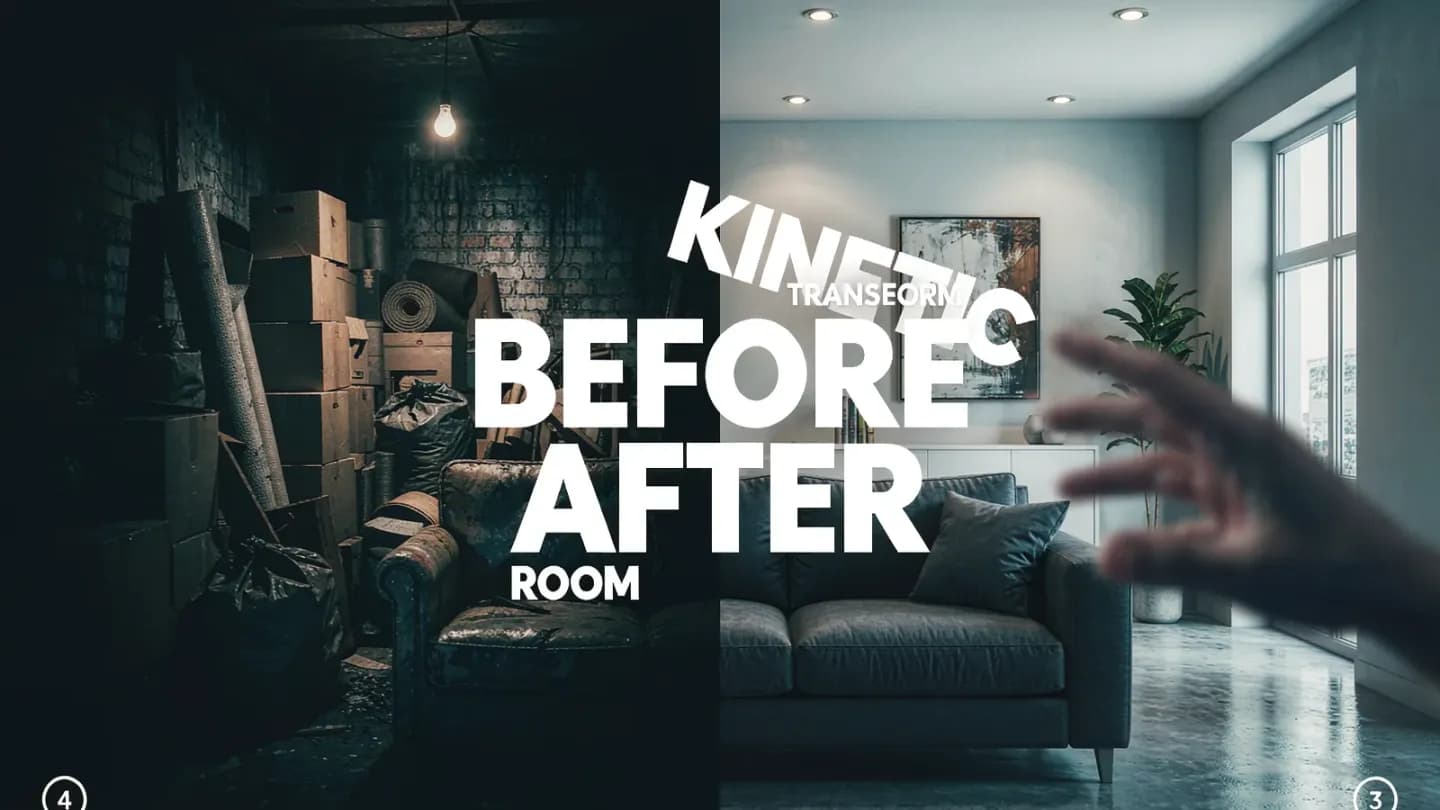
Camera movement should reveal, not wander. A push-in that ends on the product, a pan that uncovers the before-and-after, a zoom that lands on the proof point, these movements earn attention because they direct it. Random drift reads as stock footage and the viewer's thumb moves on. Purposeful motion is what separates a hook from a screensaver looping in the background.
For AI-generated clips this is a generation choice, not just an edit choice. Prompt for a specific camera move and a single clear action per shot, and the model will hold coherence better while the opener feels directed rather than assembled. One subject, one movement, one message per opening is the rule that keeps the first three seconds legible instead of busy.
Catch a soft opening in the edit, not after launch
A hook is cheap to test and expensive to ship blind. Before you cut the whole video, export three or four opening variants, different first frames, different leads, different proof lines, and watch them at 1.5x with the sound off. The variant that reads cold and still makes you want to keep watching is the one to build the rest of the piece around.
The review pass that fixes generated cuts also applies to openings, our {{link}} checklist is where a weak hook gets caught before release. Look for the quiet failures: a logo that lingers, a setup that takes too long, a line that only lands with audio. These are edit fixes, not reshoots, and they are far cheaper to make before the clip is live and averaging a two-second hold.
Treat the hook as a metric, not a feeling. Watch the first-three-second hold rate the way you would watch click-through rate, and iterate the opening the same way you iterate the thumbnail. The teams that win short-form feeds are not the ones with the best scripts, they are the ones who test the first three seconds as seriously as every other part of the campaign.
The review pass that fixes generated cuts also applies to openings, our AI video post-production repair checklist is where a weak hook gets caught before release.
Put the framework into production
These related pages connect the article’s planning advice to a specific commercial scope.
References
- State of Video Report: Video Marketing Statistics for 2026Wistia
The shorter the video, the higher the engagement rate, and nearly every format performs best under five minutes; a 10-minute video still earns more total watch time than a one-minute clip, so the core message has to land before viewers tune out.
- Video Marketing Statistics 2026Wyzowl
91% of businesses use video as a marketing tool in 2026, and 63% of video marketers have used AI video tools to create or edit marketing videos, up from 51% in 2025.
- 2026 IAB Digital Video Ad Spend & Strategy ReportIAB
U.S. digital video ad spend will surpass $80 billion in 2026, and nearly all buyers see a role for agentic AI in video investment.