
What infinite-duration AI video generation changes for brands
Infinite-duration AI video generation is the ability to produce a continuous, coherent video of arbitrary length in one generation pass, instead of stitching together 15- to 30-second clips. Vivago R1, from HiDream.ai, became the first commercial product to ship this on September 8, 2026, but the capability is the headline, not the vendor. For brand teams the shift is structural: the clip ceiling that forced every long video into a post-production拼接 workflow is gone.
The practical meaning is simple. A brand film, a product explainer, or a short drama can now be briefed once and generated as a single running cut with stable characters and one narrative line. That removes the seam where coherence used to break, and it moves the expensive human work from stitching to direction.
The mechanism behind the claim matters for planning. Infinite-duration systems do not simply raise a token limit; they hold narrative state, character identity, and visual style across the whole run and then assemble a continuous cut. That is why the result reads as a film rather than a playlist of shots, and why the human role shifts from editor to showrunner who directs the brief instead of repairing the seams.
Why the 30-second clip ceiling shaped every brand workflow
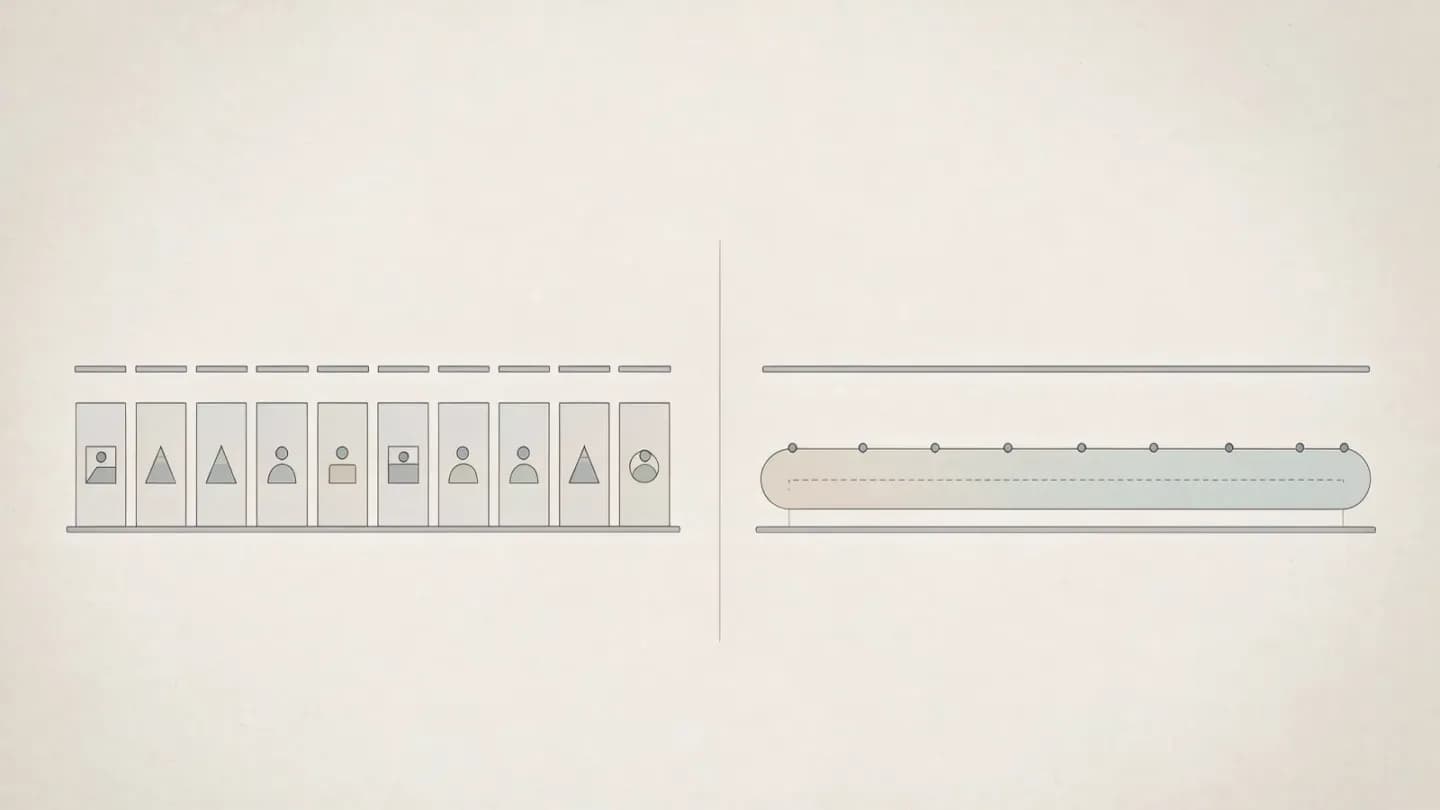
For two years the practical limit of text-to-video was a 15- to 30-second shot. Anything longer had to be generated as separate clips and edited together, which is exactly where coherence broke: character drift, style splits, and narrative gaps crept in at every seam. The market has already consolidated into a few production-grade tiers, which is why {{link}} matters when you pick an engine for long-form work.
The拼接 tax was not only creative. Every added clip multiplied the chance of a mismatch a reviewer had to catch, and it pushed long-form AI video out of the brand-film category entirely. Agencies routed anything over a minute to traditional production because the generated path could not hold a line.
The constraint also shaped the tooling around it. Edit suites, asset managers, and review queues were all built with the clip as the unit of work. A continuous cut asks those systems to reason about one long asset instead of dozens of short ones, which is a smaller operational change than it sounds but a real one for teams that have optimized every step around thirty seconds.
The market has already consolidated into a few production-grade tiers, which is why text-to-video model tiers matters when you pick an engine for long-form work.
The production workflow that infinite duration unlocks
Remove the ceiling and the workflow inverts. Instead of briefing a model for a clip and an editor for the stitch, a team briefs once and gets a minute-plus cut with stable characters and a single narrative line. Teams exploring agentic pipelines should read our breakdown of {{link}} before they hand a brief to an agent.
The unlocked formats are the ones拼接 killed: serialized short dramas for overseas social accounts, multi-scene brand films, and long product stories that hold a viewer past the three-second hook. Generation becomes the assembly line and the human becomes the showrunner, not the splicer.
Practically, the first teams to benefit are the ones already producing high volumes of similar long content: e-commerce brand films, explainer series, and regional campaign variants. They can brief once and localize the cut per market instead of reshooting, which is where the cost math finally favors generation over traditional production for repeatable long-form work.
Teams exploring agentic pipelines should read our breakdown of autonomous long-form generation before they hand a brief to an agent.
Where consistency and QC still decide whether it ships
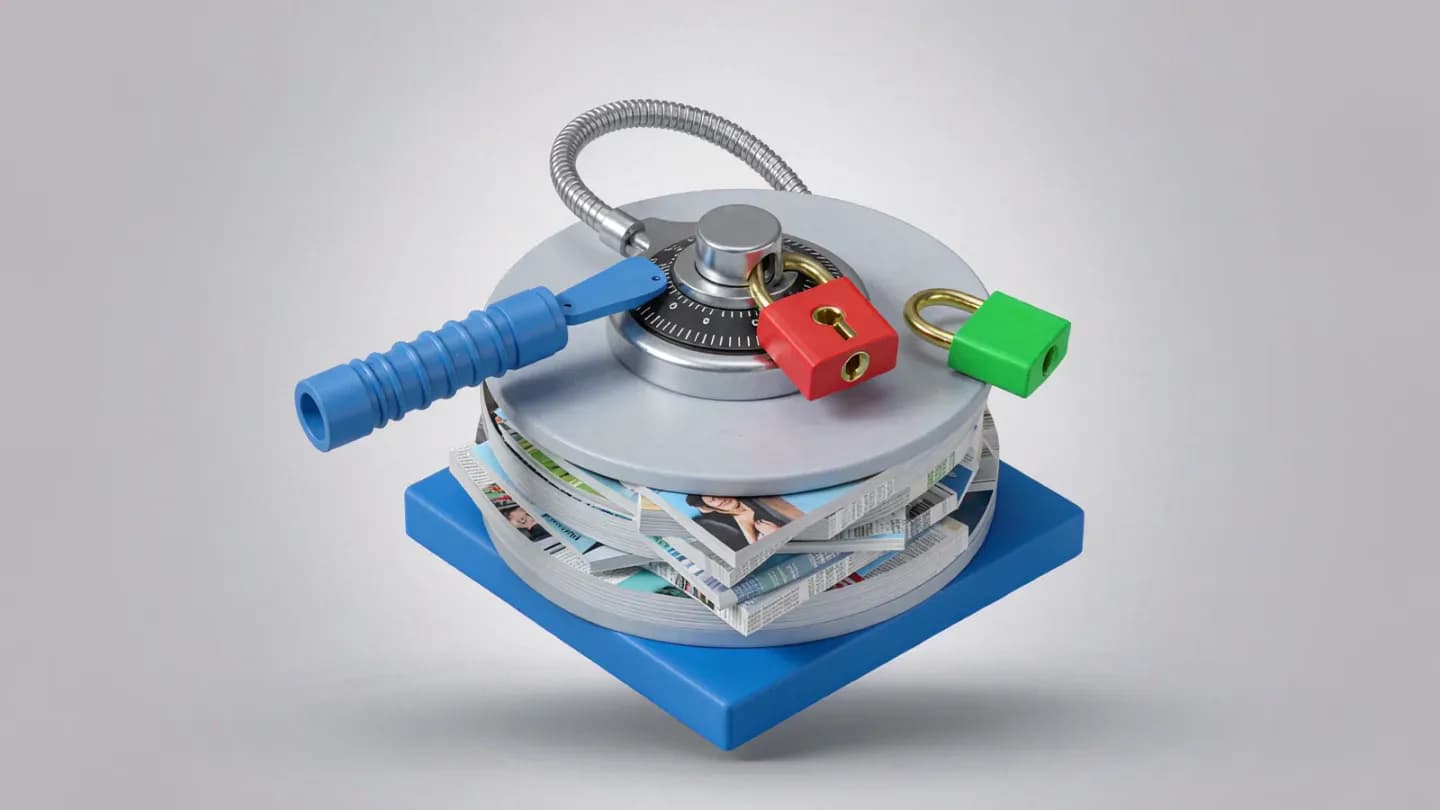
Length does not buy quality. A four-checkpoint {{link}} is still the cheapest way to stop an incoherent long clip from reaching a brand channel. Provenance, aesthetic trust, accessibility, and platform disclosure each need a sign-off before a long generated video goes live, exactly as they do for a 30-second spot.
If anything, the bar rises with duration. A 90-second cut gives a model ninety seconds to drift, and a single off-frame product shot in a brand film is more damaging than in a disposable clip. The QC gate is the same discipline; the surface area is just larger.
Treat the long cut the way a colorist treats a timeline: review it in passes, not as a finished object. The checks that already exist for short generated video, consistency validation, brand-asset checks, and accessibility passes, scale up directly; only the patience required to watch the whole thing changes.
A four-checkpoint AI video trust-QC gate is still the cheapest way to stop an incoherent long clip from reaching a brand channel.
Rights, provenance, and disclosure don't disappear
A longer generated video is still a branded asset with a liability surface. Before you generate at scale, weigh the rights posture of {{link}} you already use, because a minute of synthetic footage inherits every licensing question a short clip has, just multiplied. Attach Content Credentials so the origin and edit history travel with the file.
C2PA publishes an open standard called Content Credentials that records the origin and edit history of digital content, functioning like a nutrition label anyone can inspect. For a long generated brand video, that label is the difference between a defensible asset and an untraceable one when a platform or regulator asks where the footage came from.
Disclosure obligations scale with duration too. A platform that requires a label on synthetic content expects that label on the whole asset, not per clip, and a long video distributed across several channels multiplies the places the disclosure must appear. Build the label into the export step, not the upload step, so it does not get lost in localization.
Before you generate at scale, weigh the rights posture of licensable AI video platforms you already use, because a minute of synthetic footage inherits every licensing question a short clip has, just multiplied.

Adoption reality check: most teams aren't ready to scale
Capability is arriving faster than the foundations underneath it. Epsilon's 2026 benchmark study of 250-plus marketing decision-makers found 100% of surveyed marketers now use AI, but only 9% use it primarily for revenue generation while 71% use it for productivity and efficiency. The same study found 45% cite data quality as their top technical challenge, and 67% of C-level marketers call their organization extremely mature versus just 33% of senior managers.
The IAB 2026 Digital Video Ad Spend and Strategy Report tells the same story from the buy side: nearly all buyers see a role for agentic AI in video, yet the industry lacks consensus on governance, explainability, and human oversight. Infinite-duration generation is a powerful new input to a workflow most teams have not finished instrumenting.
Read together, the two reports describe a capability that has outrun the operating model. Brands have the tools and the intent, but they lack the data foundations and the governance agreements to scale generated long-form video with confidence. Infinite duration makes that gap more expensive to ignore, because the volume it unlocks magnifies every weak control a team already has.
How to pilot infinite-duration generation without shipping slop
Start with one repeatable long format, not the flagship brand film. Brief a single narrative line, lock a reference character and style up front, and generate the full cut before any editing. Run the four-checkpoint QC gate, attach Content Credentials on export, and keep a human showrunner on the brief rather than the splice.
When a long generated cut drifts, a structured {{link}} pass recovers the shots worth keeping rather than regenerating the whole sequence. That recovery loop is where infinite-duration generation earns its cost advantage: you fix the minute, not the method.
Measure the pilot on the metric that matters, not the novelty. Track usable minutes per brief, QC failure rate, and time-to-channel against your current stitched-clip baseline. If infinite-duration generation does not beat that baseline on cost and coherence, keep it as a controlled experiment rather than a default for brand-critical work.
When a long generated cut drifts, a structured AI video post-production repair pass recovers the shots worth keeping rather than regenerating the whole sequence.
Put the framework into production
These related pages connect the article’s planning advice to a specific commercial scope.
References
- 2026 IAB Digital Video Ad Spend & Strategy ReportIAB
Digital video ad spend will surpass $80B in 2026 and outpace the broader ad market; nearly all buyers see a role for agentic AI in video but the industry lacks consensus on governance, explainability, and human oversight; GenAI adoption for video creative keeps accelerating while advertisers want more proof of performance and easier workflow integration.
- 2026 benchmark study: Marketing's AI inflection pointEpsilon
A study of 250-plus marketing decision-makers found 100% of surveyed marketers use AI, 71% primarily for productivity and efficiency versus only 9% for revenue generation, 46% measure AI performance by revenue gains, 45% cite data quality as their top challenge, and 67% of C-level marketers say their organization is extremely mature versus 33% of senior managers.
- C2PA — Verifying Media Content SourcesC2PA
C2PA provides an open technical standard called Content Credentials that establishes the origin and edit history of digital content, functioning like a nutrition label anyone can inspect at any time.
- Generate videos with Veo (Gemini Enterprise Agent Platform)Google Cloud
Google's Veo 3.1 documentation lists text-to-video, image-to-video from a first frame, first-and-last-frame generation, reference-image guidance, and video extension as core capabilities, confirming that frontier generation remains segment- and frame-based rather than arbitrarily long by default.