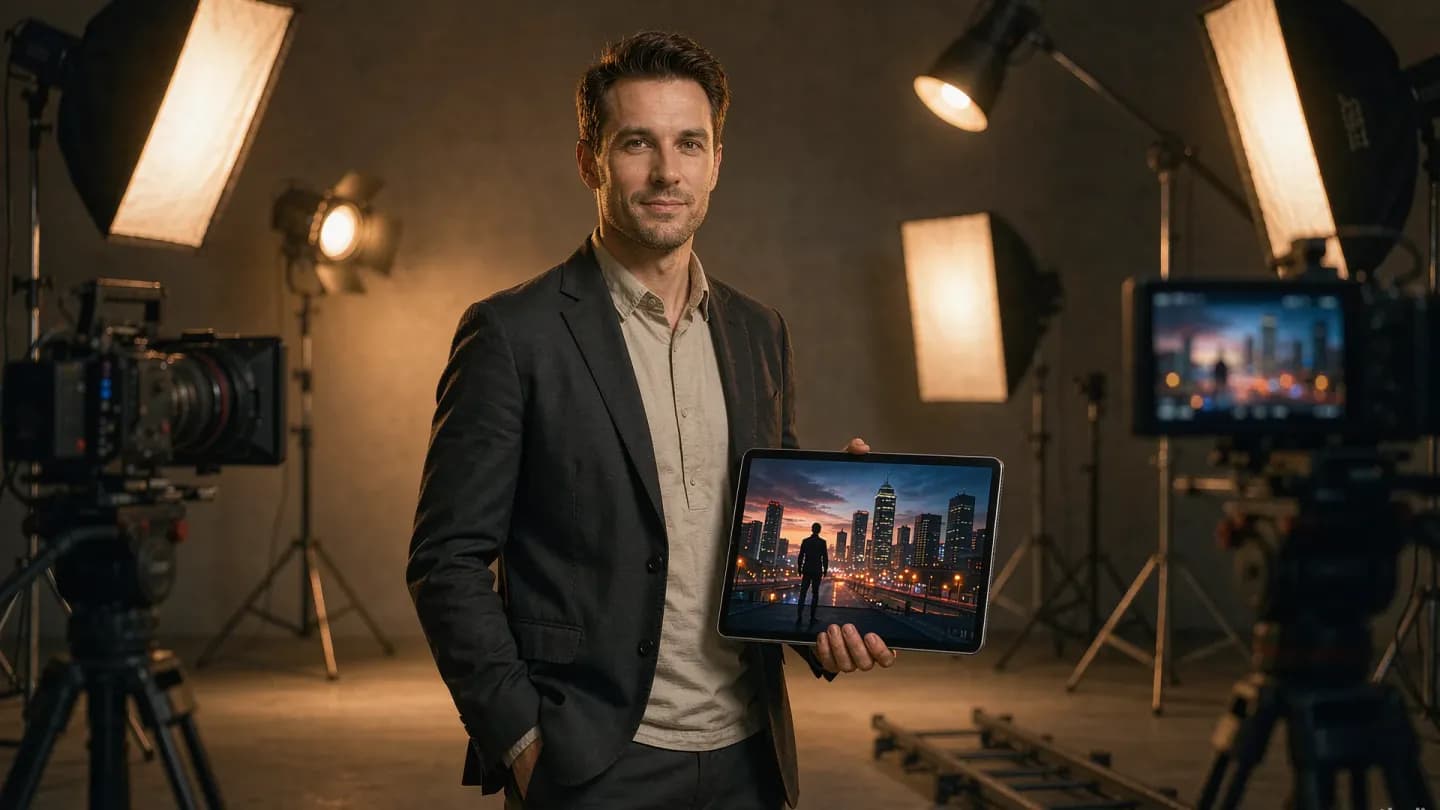
From demo reels to licensable AI video assets
Licensable AI video is the 2026 shift that matters to brand and agency teams: generation is no longer the bottleneck, commercial usability is. In spring 2026 the market moved from impressive one-off demos to platforms priced, licensed, and documented for production. The question stopped being 'can it generate?' and became 'can I clear the rights and ship it?'
The signals were clustered. Shutterstock shipped an AI Video Generator framed as commercial-ready on 15 April 2026, bundling text-to-video and image-to-video into a single licensable catalogue. OpenAI opened the Sora 3 commercial API, pitching batch queues and 4K output for production pipelines. Alibaba released the Wan 2.7 suite under the Apache 2.0 licence, making a complete open-weight video stack usable without a platform subscription. Google's Veo 3.1 Lite and PixVerse V6 both leaned into control and native audio rather than raw spectacle, which is the part of the pipeline budgets actually feel.
What changed is not raw quality. It is packaging. The winners stopped selling 'look what the model can do' and started selling 'here is an asset you can license, clear, and drop into your pipeline.' For procurement-minded teams that distinction is the entire buying decision, because a beautiful clip that cannot be placed is just an expense.
Licensable, in this context, means three concrete things: the platform grants explicit commercial usage rights for paid placement; it exports in formats a normal pipeline can ingest; and it documents the terms well enough that legal can sign off without a call to the vendor. A demo that fails any of those three is a proof of capability, not a product a brand can build a campaign on.
Why rights clarity beat raw model quality
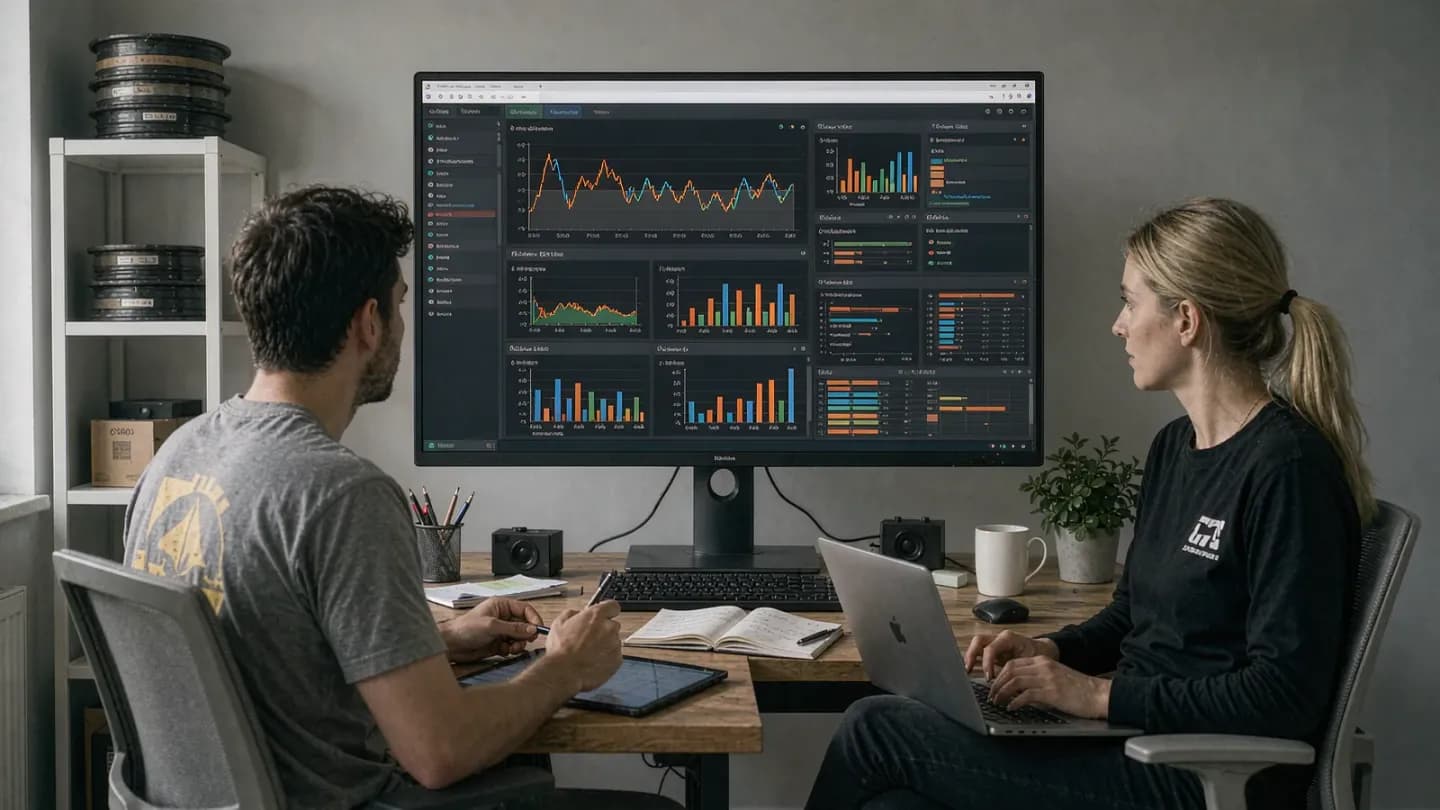
Most brand video still dies in legal review, not in the render. A clip that cannot be licensed for paid placement, or whose synthetic performer lacks consent, is unusable regardless of how good it looks. That is why rights clarity now outranks benchmark scores in adoption conversations. The safest defence against a vendor changing its terms is to build {{link}} that treat any single engine as swappable.
Open-weight releases change the maths. The Apache 2.0 licence grants a perpetual, royalty-free, irrevocable right to use, reproduce, and sublicense the work for any purpose, including commercial use. A model published under that licence removes the subscription lock: a team can self-host or switch vendors without renegotiating usage rights for existing assets. Proprietary APIs invert that burden onto the platform's terms of service, which can change while your campaign is still running.
That fragility is why procurement now asks about the licence before the benchmark. A vendor that reclassifies commercial use, adds a per-seat fee, or retires a model mid-flight can strand assets that were cleared last quarter. The model with the best demo loses to the platform whose terms a general counsel will actually approve, and that ordering is the real story of 2026.
The safest defence against a vendor changing its terms is to build model-portable AI video stacks that treat any single engine as swappable.
Provenance is becoming part of the license
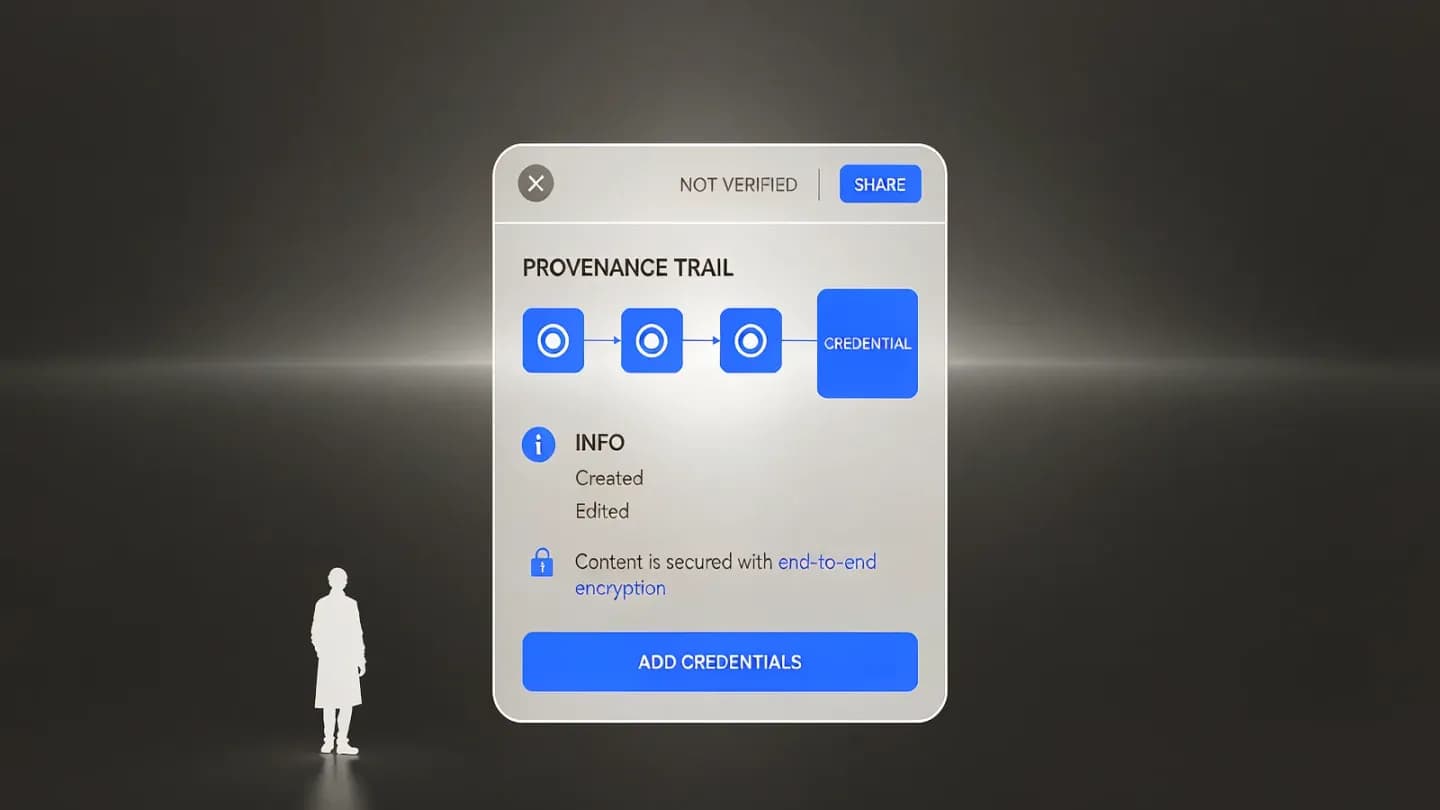
Licensing and provenance are converging. A licence answers 'may I use this?'; provenance answers 'where did this come from and what was done to it?'. Buyers increasingly want both on the same asset. A {{link}} treats disclosure as a production stage rather than a legal afterthought. Increasingly, {{link}}, so a finished clip ships with its own audit trail already attached. C2PA's Content Credentials are an open standard that attaches machine-readable origin and edit history to a file, functioning like a nutrition label for digital content. When that travels with the clip, clearance stops being a manual archaeology project. In the EU, the AI Act now requires providers to mark synthetic video, audio, and text output in a machine-readable, detectable format, so labelling is no longer optional for compliant pipelines.
In practice, provenance changes the clearance workflow. Instead of emailing a vendor for a usage letter after the fact, the team reads the asset's credentials at ingest: who generated it, which model, what was edited, and whether disclosure was applied. Standards bodies and platforms are aligning on this so the same credential is understood across tools, which is what makes it auditable rather than decorative. A licence without provenance now looks incomplete to any buyer who has been burned by an undisclosed synthetic asset.
A Google's AI-generated ad label policy treats disclosure as a production stage rather than a legal afterthought.
Increasingly, AI disclosure metadata moved into the file itself, so a finished clip ships with its own audit trail already attached.
Predictable cost is the real unlock
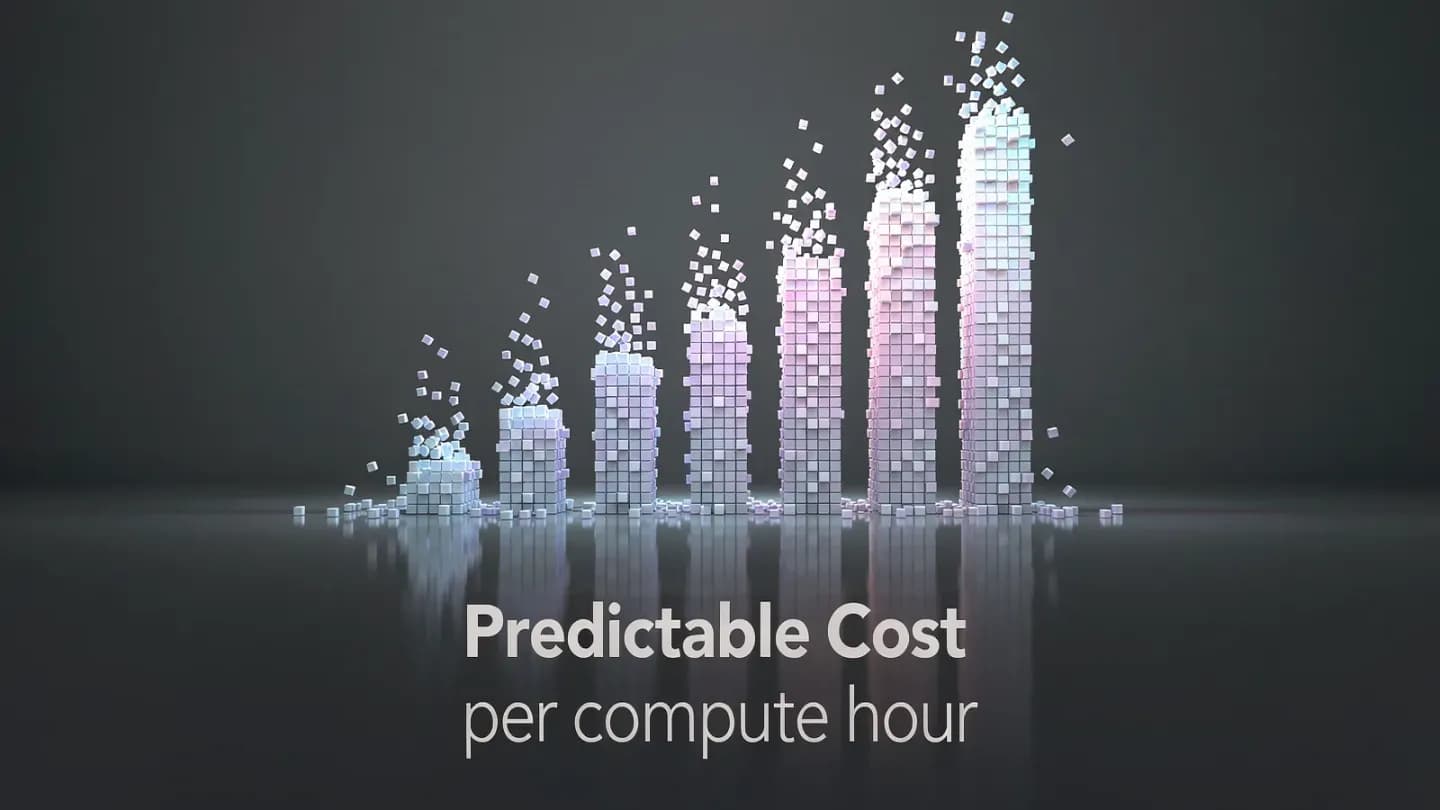
Cheap generation did not arrive with the demo era; it arrived with tiered, production-grade pricing. 'Lite' model tiers and per-second billing exist precisely because enterprises will not scale generation unless the cost per rendered minute is predictable. Native audio matters here too: when a model emits synced sound in the same pass, teams stop paying for separate voiceover, music stitching, and manual alignment, which used to be three line items on every cut.
The honest framing is that AI does not make video cheaper by a fixed percentage. It moves where the money goes. Generation becomes a minor line item; creative direction, brand QC, rights clearance, and versioning become the budget. The teams that win are the ones that measure cost per usable clip, not cost per asset, and that treat variant libraries as the unit of production rather than one-off hero films.
A concrete test makes this tangible: take a real brief and price the full path, not just generation. Include the review loops, the rights check, the variant count, and the re-render when a model updates. The platform that looks cheapest per clip often costs more per shippable asset once those are counted, and the one with transparent per-second pricing usually wins on the metric that actually protects the budget.
What brand teams should require before adopting a platform
Treat platform selection like a vendor qualification, not a tool trial. Require four things in writing before the first brief: explicit commercial usage rights for paid placement; machine-readable provenance or disclosure metadata on export; deterministic output controls so the asset is repeatable; and a portable export path so the work is not held hostage by one engine's roadmap. Teams moving into the {{link}} now expect licensable pipelines before they commit to a hero film.
The last point is the one teams skip. A platform that only emits proprietary project files forces you to re-render from scratch if you leave. One that exports standard formats and a reusable style library lets the asset survive a vendor change. That portability is itself a licensing question, not a convenience, because the asset you cannot move is the asset you do not own.
Red flags to catch early: a licence that only covers internal use, an export that lives inside a proprietary editor, a model that cannot be pinned to a version, or a vendor that will not put commercial rights in writing. Any one of those turns a promising demo into a conditional asset you cannot defend in a review, and the cost of discovering that after launch is never just the render.
Teams moving into the AI brand video deep water zone now expect licensable pipelines before they commit to a hero film.
The adoption decision in practice
Put the criteria in priority order. Rights first, because an uncleared asset is a liability regardless of quality. Provenance second, because disclosure obligations are now written into law. Cost third, because predictable spend is what makes volume testing affordable. Control fourth, because without repeatability the platform cannot feed a variant library. Planning for {{link}} means a licensing review that survives a model version change.
The 2026 buyer is not choosing the model with the best demo. They are choosing the platform they can license, prove, and budget. That is the difference between a clip that impresses in a meeting and an asset that actually ships in a campaign, and it is the difference between a vendor relationship that scales and one that quietly expires when the terms shift.
The scorecard is therefore simple to state and hard to fake: licence clarity first, provenance second, predictable cost third, repeatable control fourth. A platform that scores on all four is one a brand can build a campaign on. One that only scores on the demo reel is a distraction the procurement team should politely decline, however good the showreel looks.
Planning for text-to-video model comparison means a licensing review that survives a model version change.
Put the framework into production
These related pages connect the article’s planning advice to a specific commercial scope.
References
- Apache License, Version 2.0Apache Software Foundation
Apache 2.0 grants a perpetual, worldwide, royalty-free, irrevocable copyright licence to reproduce, prepare derivative works, and sublicense the work for any purpose including commercial use.
- C2PA - Verifying Media Content SourcesCoalition for Content Provenance and Authenticity
C2PA Content Credentials are an open technical standard that attaches machine-readable origin and edit history to digital content, like a nutrition label for media.