The hook wins the scroll, not the memory
Short-form video memory is collapsing even as watch time climbs, because fragmented edits capture attention without encoding the brand. A 2026 neuroscience study shows chopped clips impair recall more than continuous video, so the fix is structure, not just a faster hook.
Commercial teams have spent two years optimizing the opening three seconds because that is the only window platforms reward. Seventy-one percent of TikTok viewers decide to scroll past within three seconds, and YouTube Shorts above 75% retention earn roughly three times the distribution of weaker cuts. The incentive structure is brutally clear: win the hook or vanish.
But a hook is a gate, not a container. A deliberate {{link}} still decides whether the first three seconds earn a view, but it does nothing to move the message into long-term memory. The scroll stops, the eyes lock, and then the next clip arrives before the brain has packaged a single fact.
The mistake is treating the hook as the product. A great opener is necessary because distribution depends on early retention, but necessity is not sufficiency. Once the viewer is inside, the job shifts from grabbing attention to holding meaning, and most short-form creative never makes that shift.
A deliberate short-form video hook design still decides whether the first three seconds earn a view, but it does nothing to move the message into long-term memory.
What 2026 neuroscience reveals about fragmented clips
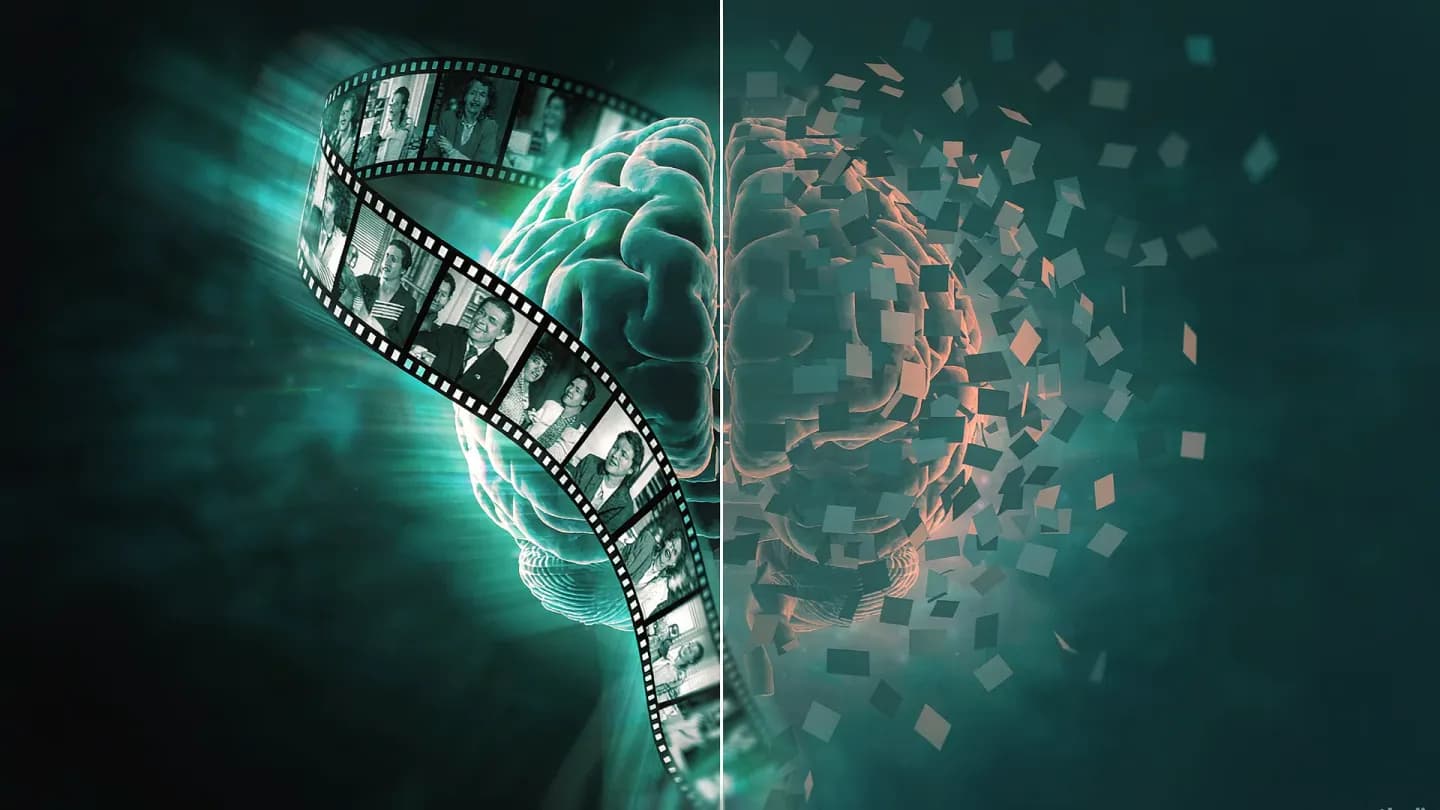
The clearest evidence comes from a 2026 study in Communications Psychology by researchers at Yunnan Normal University. They took one ten-minute documentary, then chopped matched footage into five to seven brief clips interspersed with filler, holding the spoken facts identical across both versions. In the first experiment, 180 students scored lower on an immediate quiz after the fragmented version; in the second, 185 students forgot significantly more overnight.
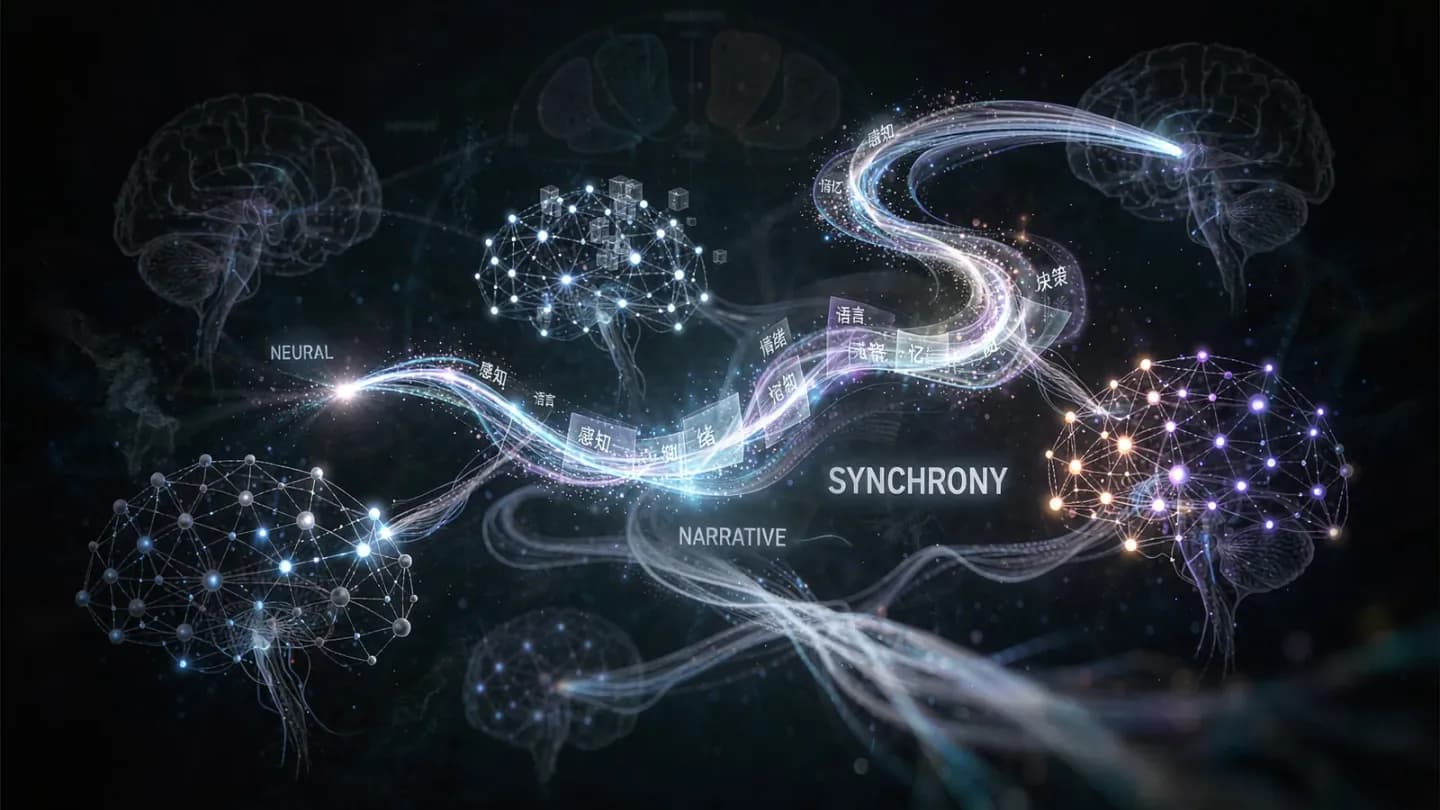
The third experiment is the most telling. While 59 participants watched inside an fMRI scanner, continuous video produced deep, synchronized brain activity across regions that build mental maps of a narrative. Fragmented clips shattered that synchrony: viewers' brains lit up only for sudden sensory shifts, trapped in bottom-up tracking with no bandwidth left to extract meaning. Rapid cuts did not fail to inform; they actively prevented the brain from storing.
For brand video this is the uncomfortable part. The same editing rhythm that maximizes watch time, the quick cut every one to two seconds, is the rhythm most likely to leave the audience entertained and empty. A campaign can post strong retention and still fail to be remembered.
The researchers were explicit that the cost grew with effort. Even when students in the second study were told to focus because they would be graded, the fragmented group still forgot more overnight. Trying harder did not overcome the format. For marketers, that is the warning: you cannot edit your way out of a structure that the brain treats as noise.
Why this should worry commercial teams specifically: brand video is bought to change later behavior, not to entertain in the moment. If the format that maximizes watch time is the format that minimizes recall, then optimizing purely for platform signals is actively working against the campaign's business goal. The study does not argue against short-form; it argues against fragmentation as a default.
Why retention charts hide the memory gap
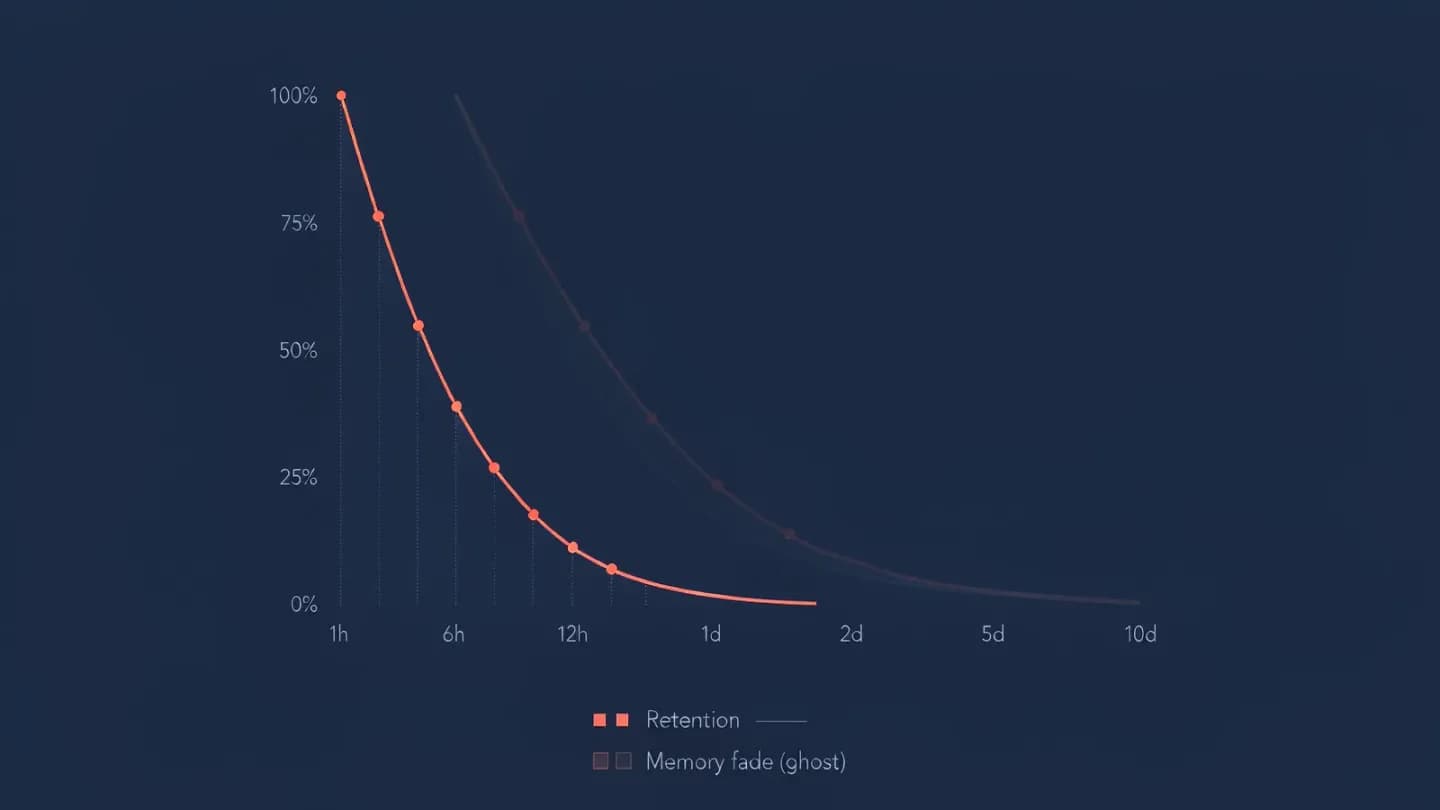
Retention graphs measure who stayed, not who learned. Published {{link}} show YouTube keeping just 50% of viewers past three seconds, yet those curves say nothing about whether the audience can recall the brand tomorrow. A line that falls from 100% to 23% describes attention, not memory, and the two diverge precisely where short-form lives.
This is why a video can look healthy in the dashboard and dead in the market. Completion rates flatter fragmented formats because a thirty-second cut is easy to finish; recall rates do not, because finishing is not remembering. Teams that judge creative only by watch time optimize for the metric that matters least to revenue.
The trap is self-reinforcing. Algorithms promote what holds attention, creators chop harder to hold attention, and the resulting feed trains viewers to expect fragmentation, which further weakens their ability to follow a sustained story. The platform wins engagement; the brand loses recall.
Consider the numbers side by side. Worldmetrics' 2026 compilation puts TikTok retention at 60% by fifteen seconds and reports that 65% of viewers finish a video when the first five seconds land. Those are attention metrics. None of them predict whether the viewer could name the brand the next morning, which is the only number that protects shelf share.
Published short-form video retention benchmarks show YouTube keeping just 50% of viewers past three seconds, yet those curves say nothing about whether the audience can recall the brand tomorrow.
Designing short-form video memory, not just for hooks
The answer is not to abandon short-form. It is to structure each cut so the brain can build a continuous map. Lead with a single clear narrative thread instead of a stack of unrelated gags, and let one idea carry across cuts rather than resetting every second. Continuity, not novelty, is what the memory system rewards.
Practical moves: open with the payoff or the question, not a cold logo. Hold a consistent visual world, location, and on-screen talent across the whole piece so the parietal regions that organize events stay engaged. Use motion and sound to reinforce one message per beat, and resist the urge to swap contexts every two seconds just because the format allows it.
Treat the first three seconds as the entrance to a room, not the whole room. If the hook promises a story, the next twenty seconds must deliver that story with rising specificity. A viewer who follows a thread remembers the brand attached to it; a viewer who was merely stimulated remembers nothing but the stimulation.
Length is a tool, not the enemy. The same study's continuous version was ten minutes and won on memory; Meta's own 2026 reel analysis found Instagram engagement peaking around eight to sixteen seconds of average watch in a thirty-second video. The lesson is not 'make it long' but 'make each second belong to the same idea.' A tight thirty seconds with one thread beats a frantic thirty seconds with ten.
A useful test before render: write the one sentence the viewer should remember, then check that every cut advances it. If a beat could be deleted without changing what the brand stands for, it is decoration competing with the message. Memory is built by repetition of a single idea across variation, not by a parade of unrelated highlights.

Measure memory, not just views
Reporting has to change before production will. The {{link}} matter far more than raw watch time, because a view that leaves no memory cannot assist a later purchase decision. Brand-search lift, aided recall in post-campaign surveys, and repeat-view rate on the same asset are closer to the truth than completion percentage.
Run a simple memory test on your own cuts: show the video to five people, then ask what the brand stood for an hour later. If the answer is the joke but not the product, the edit you won is the wrong edit. Use that signal to brief editors toward continuity instead of constant novelty.
Short-form is not going away, and neither is the pressure to hook fast. But the teams that win 2026 will be the ones who treat the hook as the start of a memory, not a substitute for one. Build for the brain that has to store the message, and the algorithm that rewards attention will follow.
This also resets how creative teams talk to media buyers. A cut that lifts brand search by three points is worth more than one that lifts views by thirty, because search is the behavioral proof that a memory formed. When measurement rewards recall, briefing follows, and the feed slowly fills with video that actually stays with people.
The video metrics that predict revenue matter far more than raw watch time, because a view that leaves no memory cannot assist a later purchase decision.
Put the framework into production
These related pages connect the article’s planning advice to a specific commercial scope.
References
- Neuroscientists shed light on the illusion of learning from short videosPsyPost
2026 Communications Psychology study (Yunnan Normal University, DOI 10.1038/s44271-026-00476-x): fragmented short clips impaired immediate and delayed memory versus a continuous documentary across 180/185 students, and fMRI (n=59) showed fragmented clips destroyed higher-level brain synchrony needed for encoding.
- Video Content Marketing Statistics 2026Worldmetrics
2026 compilation: YouTube retains 50% of viewers after 3 seconds, TikTok 60% at 15 seconds, 65% finish if the first 5 seconds land, and 40% stop after 10 seconds, all tagged verified against primary sources.
- Attention Span Statistics 2026AutoFaceless
2026 attention data: 71% of TikTok viewers decide to scroll within 3 seconds, 52% skip videos longer than 60 seconds even when interested, YouTube Shorts above 75% retention get 3x distribution, and Gloria Mark measured 47-second average screen focus.
- What Is a Good Video Watch Time in 2026? Benchmarks for Instagram & Facebook ReelsThat Random Agency
2026 Meta reel analysis (40 Facebook, 101 Instagram videos): shorter videos earn higher reach via faster completion, and Instagram engagement peaked at 8-16 seconds of average watch time within 30-40 second reels.