One Prompt, Fully On-Brand
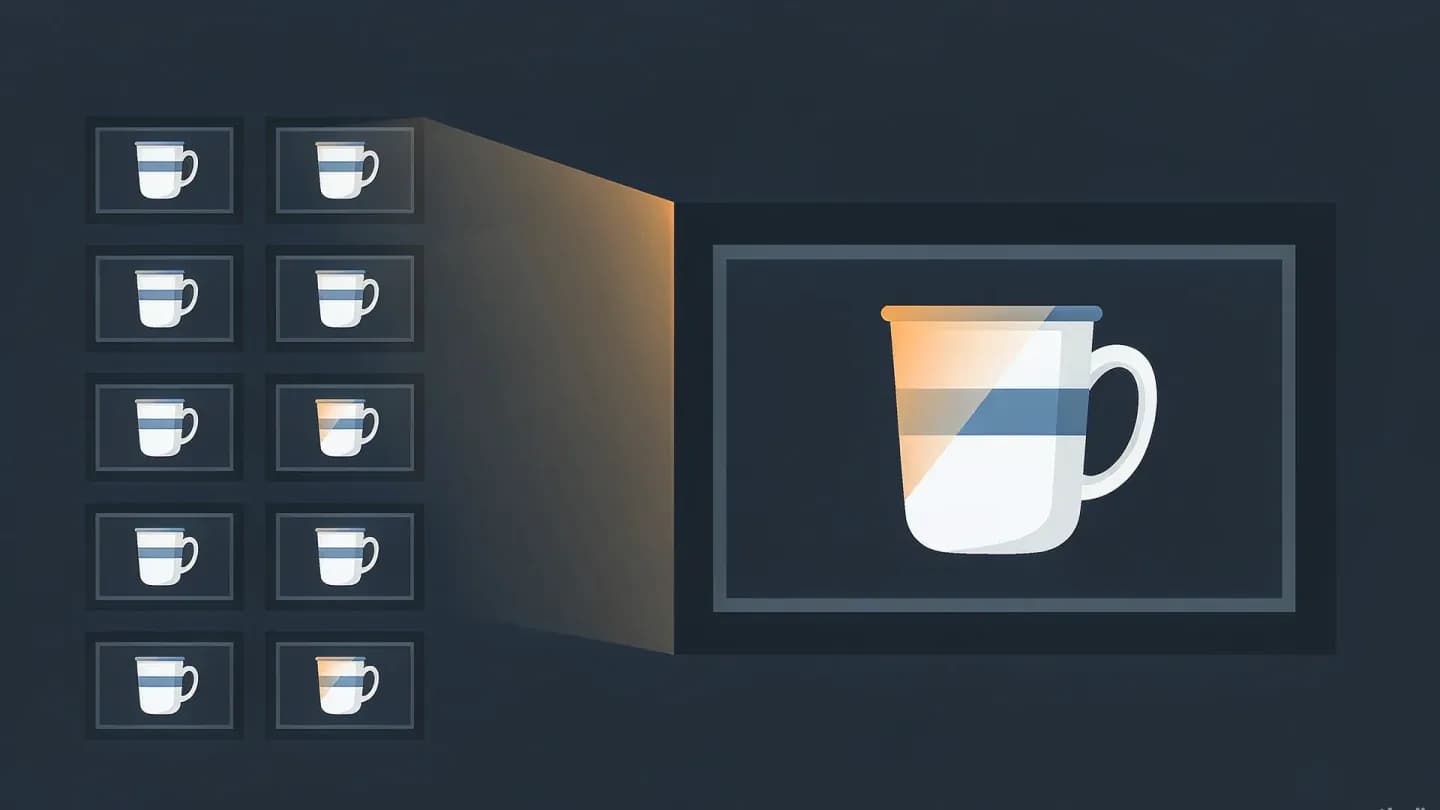
On-brand AI video used to be something you checked at the end. Synthesia's Syren, launched in beta on October 9, 2026, makes it something you feed at the start: upload your existing videos as Brand Context, and the tool learns motion, pace, tone, colors and fonts. The brand library is now a production input, and its quality is the ceiling on everything you generate.
The pitch arrived with a number attached. Synthesia CEO Victor Riparbelli's launch post on X promised “$20K agency videos for $5 in 5 mins” and “one prompt → fully on-brand video,” and it traveled: the post drew roughly 1.5 million views. The engagement pattern was more interesting than the reach — 384 bookmarks against 354 likes, a ratio that usually means people intend to try a product rather than admire it.
Under the hood, Syren is agent-first. The launch post from CTO Peter Hill describes “a creation experience where the AI agent doesn't assist the editor, it is the editor”: the agent writes the whole video as code, and an in-house rendering engine — the same one that has powered Synthesia's motion graphics since June — plays it back live in the browser. You describe the video, watch it take shape, then refine it in chat: change the script, swap an avatar, restyle a scene, fix the music.
On-Brand AI Video Used to Be a Review Gate
For most teams, brand consistency in AI video has been a process problem wearing a technology costume. Luma's guide to multi-scene AI video puts it bluntly: “Brand guidelines exist as PDFs. Campaigns exist as deadlines. The gap between them is where visual consistency dies.” Every generation starts fresh — the model does not remember your character, your lighting, or your palette — so consistency had to be re-imposed, shot by shot, by people following checklists.
The countermeasures were all procedural. Lock the same reference set across every scene. Build a prompt template with a fixed opening and closing and swap only the middle. Use the last frame of one scene as the first frame of the next. Luma's framing is the useful one: “These aren't generation quality problems. They're context preservation problems. The solution isn't better AI. It's better process.” Our earlier teardown of {{link}} makes the same argument about identity: the canonical portrait is a versioned asset propagated shot to shot, not a line in a prompt.
All of that work assumed the brand lived outside the tool — in documents, in review meetings, in the memory of the people who had been on the account longest. Syren's bet is that the brand can live inside the tool instead, as material the system learns from.
Our earlier teardown of reference-first consistency makes the same argument about identity: the canonical portrait is a versioned asset propagated shot to shot, not a line in a prompt.
The Brand Corpus Becomes the Input
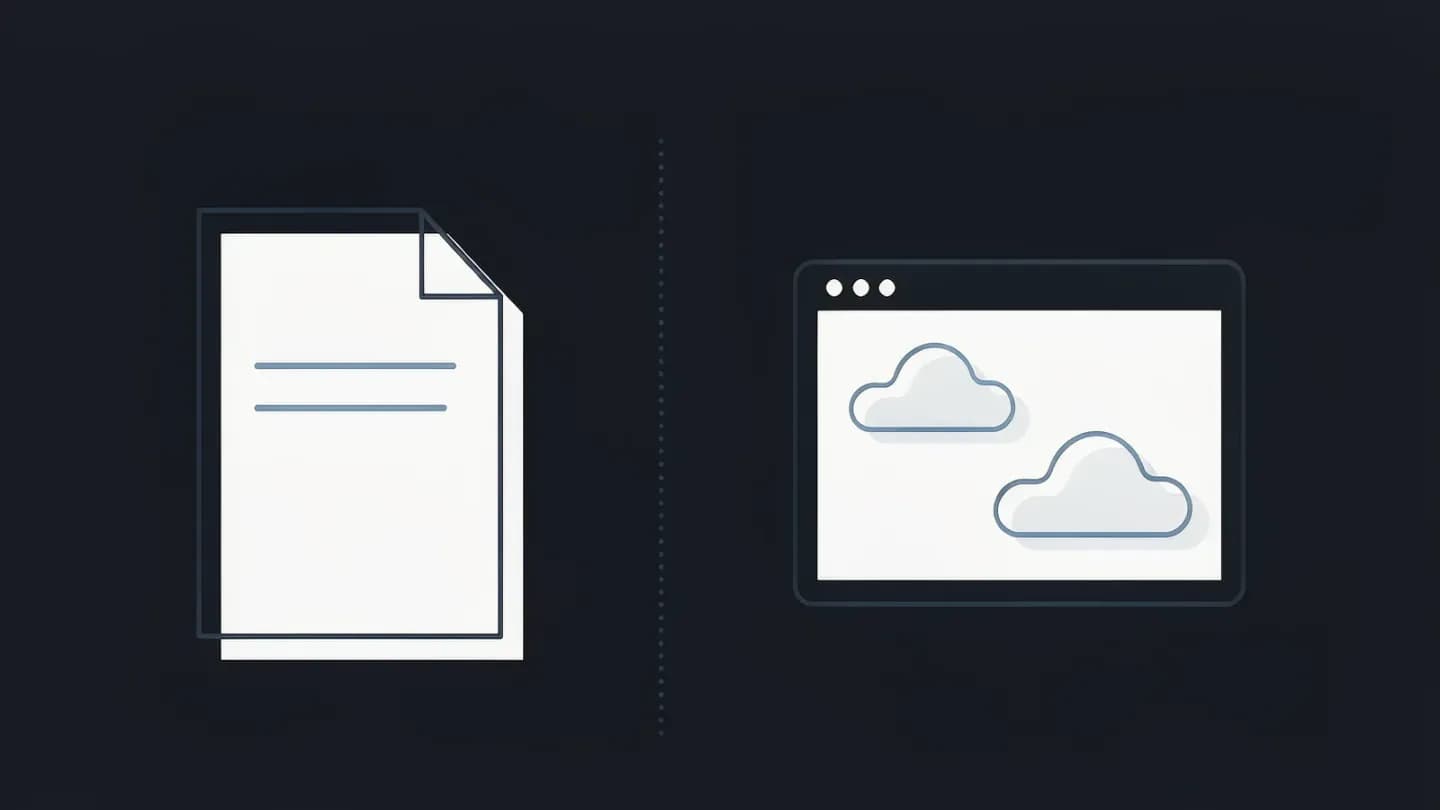
The mechanism is called Brand Context. Today, per the launch post, you steer the look by giving Syren “your brand assets, a video whose style you want it to match, or a description of your brand” — documents, images, videos, PowerPoints and YouTube links all attach to the prompt. The roadmap is the part that matters: “Syren will soon learn a company's brand from its existing videos, capturing graphics and motion style, pacing and the rhythm of its edits, so every video follows it automatically.”
Read that sentence as a production manager. It does not say the tool will read your brand guidelines. It says the tool will learn from your existing videos — the archive. On-brand stops being a property you verify at review and becomes a property you feed at briefing. The control point moves upstream, exactly as it did when platforms started auto-deriving creative from source assets {{link}}.
That shift has a consequence teams underestimate. If the brand is learned from the archive, the archive is now production infrastructure — with a quality floor, a rights status, and a maintenance cost. Nobody audits a PDF guideline for duplicate scenes. Everybody will have to audit a corpus the model learns from.
The control point moves upstream, exactly as it did when platforms started auto-deriving creative from source assets Meta's static-to-video source-asset shift.

What the Corpus Has to Survive
Start with rights, because the help documentation says it out loud: “Use only files, links, logos, and brand assets you have the right to use.” A corpus assembled from whatever was on the shared drive inherits every licensing problem in that drive — talent contracts that covered one campaign, music licenses that expired, stock footage with per-use terms. Feeding the archive to a generator does not launder any of it.
Then curation. A corpus teaches by average, and the average includes the off-brand outlier — the rebrand experiment that never shipped, the regional cut that never got updated, the agency test that went live by accident. The tool cannot tell which asset represents the brand and which one was a mistake; it learns from both. The output ceiling is set by the worst thing in the library, not the best.
This is where the “$5 video” math breaks. The claim prices the generation and ignores the corpus. Somebody still has to inventory the library, deduplicate it, clear the rights, retire the outliers, and keep the approved set current — the same unglamorous work brand governance has always been, now with a model learning from its output. The production cost did not disappear. It moved to the library, and it got less visible.
The Limits Are the Honest Part
The beta's guardrails are worth reading before the roadmap. Syren videos cap at three minutes. Avatar scenes longer than 30 seconds can time out. Exports mix the first 24 audio tracks and drop the rest. Very long prompts can fail to generate. Basic-plan videos carry a watermark, and the 2,000 launch credits Synthesia handed every user on October 9 expire on November 9. Standard pricing runs $29 a month for Starter and $89 for Pro, with ordinary video at roughly 100 credits a minute.
Synthesia is candid about the split: Syren is “built for speed and creative output” — launch videos, explainers, marketing clips — while the existing editor “remains the place for content that has to be exact and repeatable.” That is a smaller revolution than the launch post implies, and a more useful one. The pattern rhymes with what happened when brands started running generative video through platform tools without a production shoot {{link}}.
The honest reading of the beta is a fast first-cut machine with a brand-shaped steering wheel, not a replacement for the edit suite. Three minutes, a watermark on the free tier, and a 30-second avatar ceiling are not footnotes — they are the shape of the jobs this tool actually takes.
The pattern rhymes with what happened when brands started running generative video through platform tools without a production shoot WD-40's generative launch in France.

Sameness Moves Upstream
Here is the strategic problem. When every brand feeds its archive to the same class of tools, the differentiation question moves from the output to the input. Two competitors with similar libraries will get similar on-brand videos — not because the models converged, but because the corpora did. Our earlier analysis of AI video's differentiation crisis {{link}} described sameness as an output problem; the corpus era makes it an input problem too.
The practitioner takeaway is unglamorous and immediate. Before feeding anything to a brand-learning tool, audit the library: inventory what exists, check the rights on every asset you would upload, set a quality floor, and retire the outliers that teach the wrong lesson. The teams that get on-brand output at scale will not be the ones with the best prompts. They will be the ones whose archive was worth learning from in the first place.
Syren's launch post ends with a roadmap line about learning a company's brand from its existing videos. That line is the real announcement. The prompt was always the easy part; the corpus is the product.
Our earlier analysis of AI video's differentiation crisis the sea of sameness described sameness as an output problem; the corpus era makes it an input problem too.
Put the framework into production
These related pages connect the article’s planning advice to a specific commercial scope.
References
- Synthesia Launches Syren: Video and Motion Graphics from a Single PromptSynthesia
Synthesia launched Syren in beta on October 9, 2026. Per CTO Peter Hill's launch post, the agent writes the whole video as code with an in-house rendering engine playing it back live, in a creation experience where the AI agent doesn't assist the editor, it is the editor. Users steer the look with brand assets, a style-match video, or a brand description, and the roadmap states Syren will soon learn a company's brand from its existing videos, capturing graphics and motion style, pacing and the rhythm of its edits.
- How do I create a video with Syren?Synthesia Knowledge Base
Synthesia's help documentation lists Syren's beta limits: videos up to three minutes, avatar scenes longer than 30 seconds that can time out, exports that mix the first 24 audio tracks, very long prompts that can fail to generate, a watermark on Basic-plan videos, and 2,000 launch credits per user expiring November 9, 2026. It also instructs users to use only files, links, logos, and brand assets they have the right to use.
- Multi-Scene AI Video: How to Build a Sequence That Holds TogetherLuma AI
Luma AI's guide to multi-scene AI video frames brand consistency as a context-preservation problem: brand guidelines exist as PDFs, campaigns exist as deadlines, and the gap between them is where visual consistency dies. Its conclusion: these aren't generation quality problems, they're context preservation problems, and the solution isn't better AI, it's better process.
- Synthesia Syren launch, 7 Oct 2026: 1.5M views on XDoomers
Synthesia CEO Victor Riparbelli's October 7, 2026 launch post on X promised $20K agency videos for $5 in 5 mins and one prompt to fully on-brand video, drawing about 1.5 million views with 384 bookmarks against 354 likes - a save-to-like ratio the launch tracker reads as intent to try rather than admire.