What PAI actually assembles
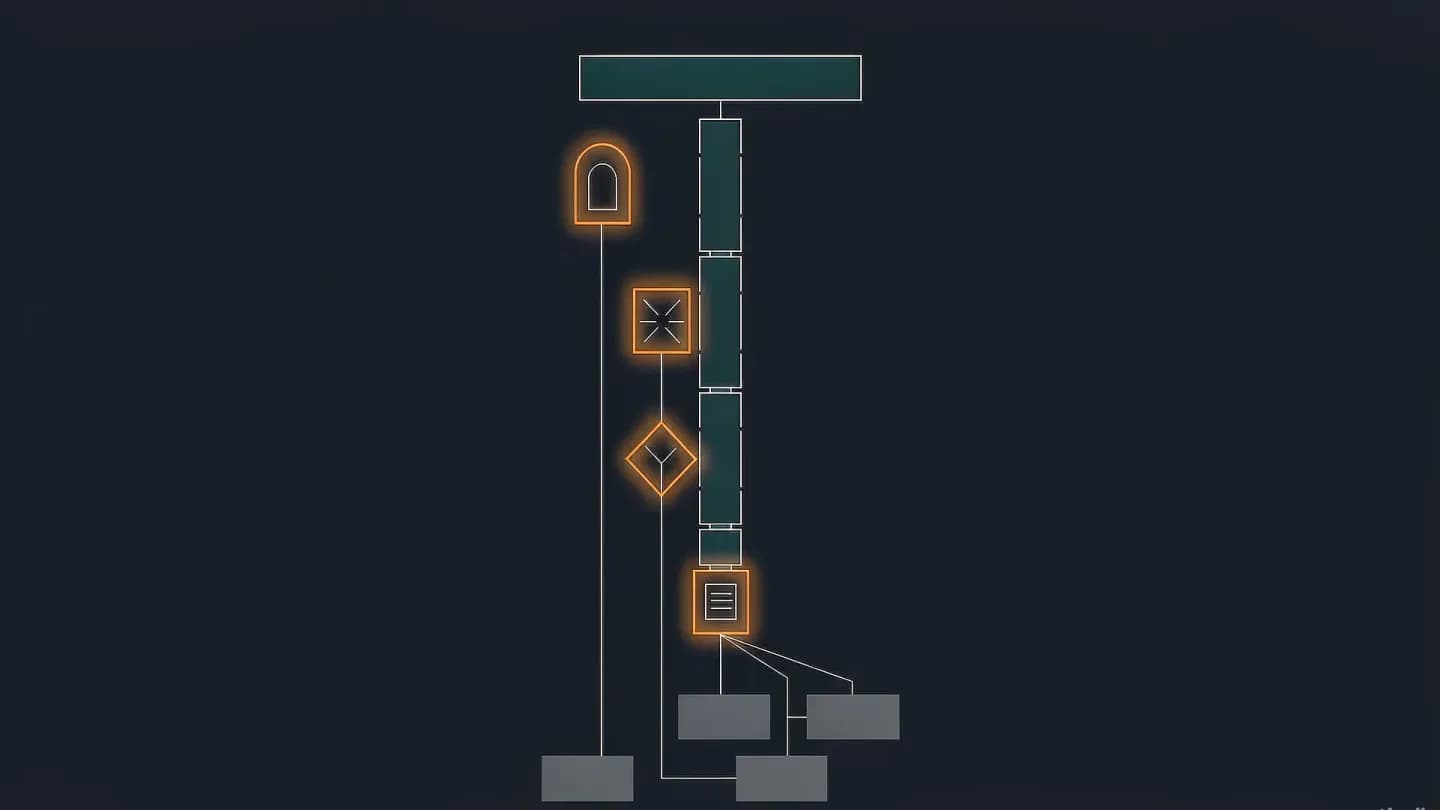
Utopai Studios introduced PAI on September 30 as a production intelligence platform for professional film and television, built around one structure: the production itself. A screenplay loaded into the platform is analyzed and organized into scenes and shots, while characters, locations, objects, visual references and creative decisions stay connected to the project as it evolves. Utopai's Production Assistants - AI agents inside the platform - use that context to help filmmakers plan shots, develop ideas and produce iterations, with the filmmaker deciding what to create, keep or revise.
The generation layer is Utopai X, a text-to-video model the company has placed second globally on Artificial Analysis' text-to-video leaderboard with audio, at an Elo score of 1,150 - nine points behind the top-ranked model and the highest placement for any US-based company. The model's stated strengths are the hard parts of continuity: reflections, caustics, world understanding and high-level spatial consistency, the properties that keep light, objects and cameras coherent as shots grow more complex.
Inside PAI, a filmmaker can develop a shot, generate footage with Utopai X and compare multiple takes in the same production environment, with previous versions kept available as the work develops. Selected footage moves into editing and established post-production workflows, including Adobe Premiere Pro and DaVinci Resolve. The system is already in use on The Most Serious Fart, an upcoming animated feature written and directed by Mike Bender.
The design goal is memory. Each generation round inherits what the project already established - the cast as designed, the locations as built, the takes already approved - so the platform is not starting from a blank prompt every time. That is the difference between generating a clip and developing a production, and it is the claim separating a context platform from a raw model subscription.
Production intelligence is the product; the model is the commodity
Read the launch materials in order and the emphasis is telling. The model's leaderboard position appears as validation, not as the pitch; the pitch is the platform that keeps a production's context connected while models change underneath it. Variety's coverage frames Utopai's advantage the same way: a studio developing technology inside real productions generates proprietary production data and expert feedback, and that loop - not any single model checkpoint - is described as the compounding asset.
That matches where the model market has gone. Leaderboard positions churn within weeks, and nine Elo points is one good release from disappearing. Our piece on the {{link}} argued that iteration cadence, not model access, is what compounds for a team; PAI is that argument compiled into a product. If the model is interchangeable, the durable asset is the record of what a production decided, approved and kept - a ledger no rival can copy by downloading weights.
For buyers, the practical consequence is pricing leverage. When the generation layer is a component, procurement shifts from asking which model to buy toward asking which context system keeps a team's decisions coherent across model changes. It also changes the switching calculus. A team that has structured its context can audition a new model the week it ships; a team whose continuity lives in prompt folklore has to rebuild its look from scratch every time it moves, and that hidden rebuild cost is what made model loyalty look rational for longer than it deserved.
Our piece on the learning speed moat argued that iteration cadence, not model access, is what compounds for a team; PAI is that argument compiled into a product.
From reference stills to a whole-production memory
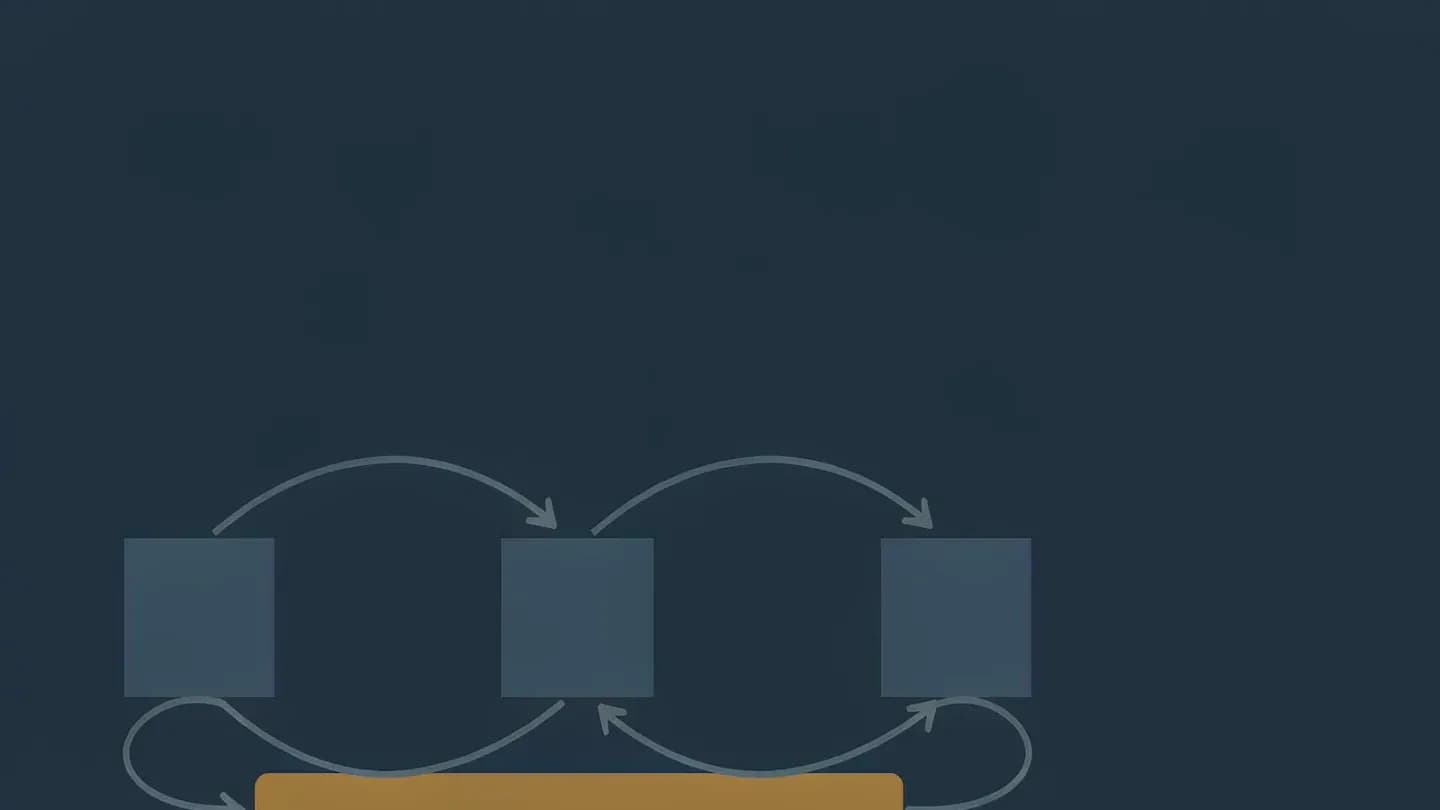
The industry spent 2026 learning this lesson one variable at a time. Our coverage of {{link}} made the case that identity lives in an approved reference image rather than in prompt wording; the same retreat from prose is now visible at project scale. PAI treats a character's established look, a location's design and an approved shot version as connected project state - not as things a team should have to re-describe every time it generates another take.
Camera language followed the same path. The {{link}} debate settled camera craft as a variable that belongs in structured controls rather than adjectives, and spatial consistency claims like Utopai's are the generation-side complement: continuity is becoming a data problem with an architecture, not a prompt problem with better wording. A prompt library was always a weak database. Context platforms are the strong version of the same idea.
Our coverage of character consistency made the case that identity lives in an approved reference image rather than in prompt wording; the same retreat from prose is now visible at project scale.
The shot direction debate settled camera craft as a variable that belongs in structured controls rather than adjectives, and spatial consistency claims like Utopai's are the generation-side complement: continuity is becoming a data problem with an architecture, not a prompt problem with better wording.
The handoff to the edit suite stays open
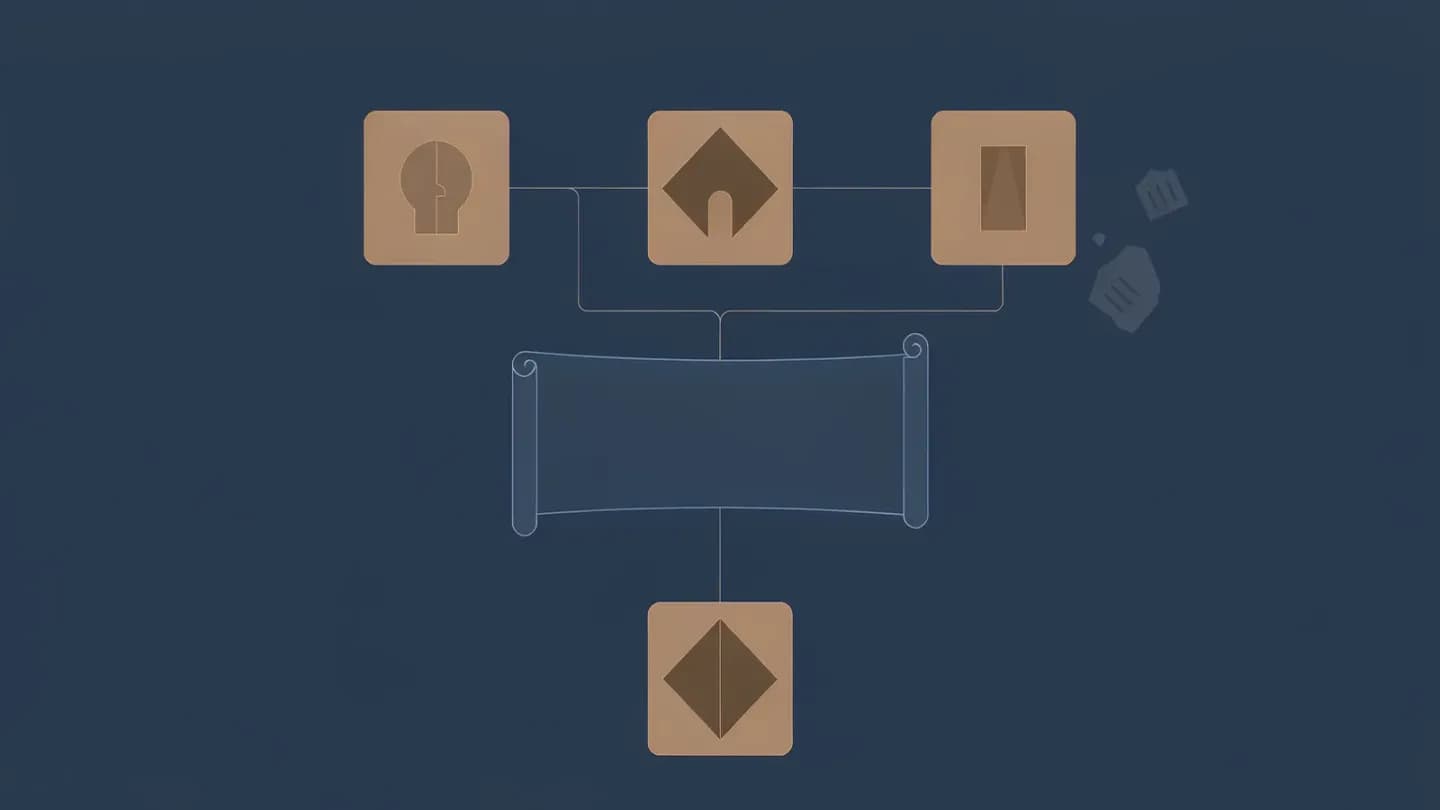
The most quietly important detail in the launch is where the pipeline ends. Selected footage leaves PAI for Adobe Premiere Pro and DaVinci Resolve, which means the platform does not try to own finishing, and the edit suite remains a separate, human-run stage. Our {{link}} coverage traced how the project file became the last human gate in AI-assisted workflows; an AI platform that treats that gate as an interface rather than a threat is aligned with how teams actually work.
Version handling supports the same reading. Previous versions remain available as work develops, which gives teams a lineage to review rather than a single overwritten output. For commercial work, that lineage is not a convenience - it is the audit trail that legal, brand and client review all depend on. A generation record also answers the question every production eventually faces: where did this shot come from, who approved it, and what changed since. Platforms that keep that answer attached to the work spare teams the archaeology.
Our AI video editing handoff coverage traced how the project file became the last human gate in AI-assisted workflows; an AI platform that treats that gate as an interface rather than a threat is aligned with how teams actually work.

What a $1 billion AI-native studio signals for commercial teams
Variety reports that Utopai has grown into the world's largest independent AI-native film and television studio, with a one billion dollar valuation, and that it is already applying PAI and Utopai X to its own slate. The structural point for brands is not that a film studio built software. It is that the software's architecture - connected brand-relevant context, swappable models, human decision gates - is the same architecture a brand-side studio needs for campaign-scale video.
A brand's equivalent of the screenplay is its product truth: approved claims, product imagery, pack shots, the look that legal has already cleared. Those belong in connected context, not in prompts retyped from memory. The {{link}} framework asked whether AI earns its place idea by idea; a context platform gives that test a durable home, because every generation inherits the approved state instead of reinventing it.
The transfer is not automatic. Film continuity is about story coherence; commercial continuity is about claim accuracy and brand consistency, which are stricter and more auditable. Borrow the architecture, not the aesthetics. A mis-rendered castle breaks a scene; a mis-rendered pack shot breaks a promise, and the cost is measured in compliance exposure rather than reshoot days. That asymmetry is exactly why the connected-context pattern - approved state that every generation inherits - fits commercial pipelines even better than it fits narrative ones.
The AI necessity test framework asked whether AI earns its place idea by idea; a context platform gives that test a durable home, because every generation inherits the approved state instead of reinventing it.
An evaluation checklist for context-layer platforms
PAI will not be the last context-layer launch, and most teams will evaluate more than one over the next year, because the pattern generalizes far beyond one studio's tooling. Five questions separate real production intelligence from a branded wrapper around a model API.
First, does the system connect decisions, not just files - approved looks, cleared claims, chosen takes - so context survives personnel changes? Second, does selected footage leave cleanly for your editor, with no platform tax on the way out? Third, does version history persist through iteration, so an approval made in March is still traceable in June? Fourth, is the model layer genuinely swappable, or is the context silently coupled to one vendor's outputs? Fifth, who audits the context itself for drift, because a connected wrong fact propagates faster than an isolated one?
Treat the Utopai launch as a category marker rather than a verdict on one product. When a studio with a billion-dollar valuation ships its second-ranked model as a feature of its context platform, the market has said plainly where it thinks the value sits. Commercial video teams planning 2027 budgets should draw the same conclusion early: the render is cheap, the memory is the moat, and the teams that structure their context now will spend next year compounding it.
Put the framework into production
These related pages connect the article’s planning advice to a specific commercial scope.
References
- Utopai Studios Launches New PAI and Utopai X to Advance Production Intelligence for Film and TVTV Technology
Utopai Studios, an AI-native studio based in Mountain View, introduced PAI, its production intelligence platform for professional film and television, together with Utopai X, its video generation model. Per the report, Utopai X ranks No. 2 globally on Artificial Analysis' Text-to-Video Leaderboard With Audio with an Elo score of 1,150, nine points behind the No. 1 model, and is the highest-ranked model from a US-based company; rankings come from blind human-preference testing. PAI keeps a production's screenplay, characters, locations, assets and creative decisions connected; Production Assistants (AI agents) help plan shots and iterate; previous versions remain available; and selected footage moves into post-production workflows including Adobe Premiere and DaVinci Resolve. The technology is in use on 'The Most Serious Fart', an upcoming animated feature by Mike Bender.
- How Utopai Studios Is Defining Production Intelligence for Film and TelevisionVariety
Variety reports that Utopai Studios has grown into the world's largest independent AI-native film and television studio, with a $1 billion valuation, and describes PAI as a production intelligence system connecting models, production context and filmmaker-led workflows. Zijian He, chief scientific officer, says: 'Technology is most useful when it gives filmmakers more control over their ideas... Our goal is to give artists the ability to explore more possibilities, iterate faster and make creative decisions with the same level of intention they bring to every other part of production.' Variety notes that real productions generate proprietary production data and expert feedback that refine Utopai's models and workflows, which the company describes as a compounding advantage, and that Utopai is applying PAI to its upcoming animated feature 'The Most Serious Fart'.
- Utopai Studios launches new PAI platform and Utopai XAdvanced Television
Advanced Television reports that Utopai Studios unveiled PAI, its production intelligence platform, and Utopai X, its video generation model, as a unified production system for feature films and television series. The platform helps filmmakers plan shots, develop assets, generate footage, review takes and manage revisions while keeping the production's screenplay, characters, locations, assets and creative decisions connected. Utopai X's stated strengths include complex visual behaviors such as reflections and caustics, plus world understanding and high-level spatial consistency. Chief scientific officer Zijian He: 'Technology is most useful when it gives filmmakers more control over their ideas.'
- Utopai Launches AI Filmmaking Platform That Remembers the Whole ProductionSoaplandTV
SoaplandTV's launch analysis reports that PAI (Production Assistive Intelligence) launched on September 30, 2026, that Utopai X entered the September 29 Artificial Analysis Text-to-Video Leaderboard With Audio in second place globally with an Elo of 1,150, and that enterprise workflows keep comments and approvals attached to particular versions, with a record of generations intended to help studios trace where material came from and review potential intellectual-property issues. It also notes PAI supports image, video and audio generation using available models rather than Utopai X alone, and is available via individual subscription and enterprise access.