The wave reached mid-market AI video production
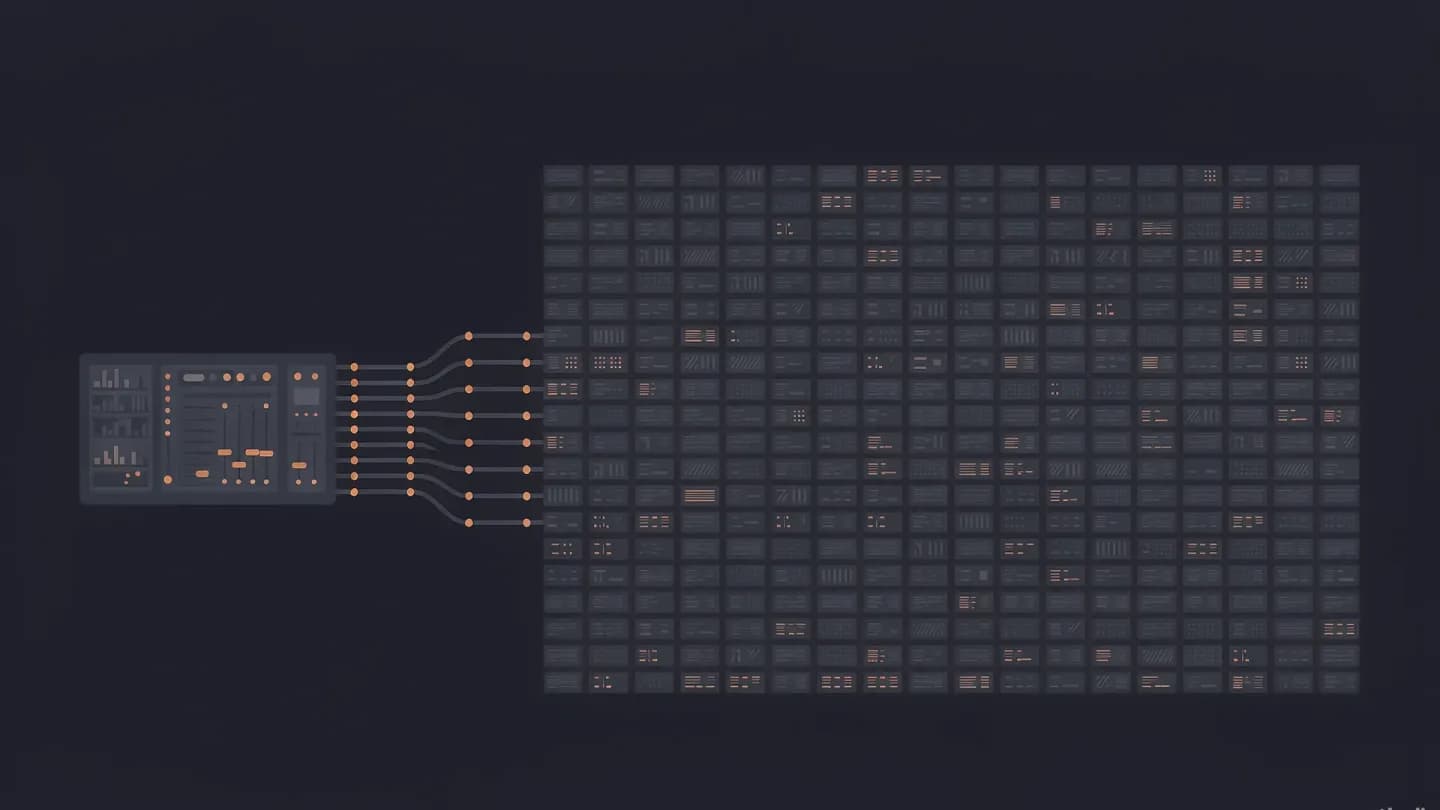
Mid-market AI video production became an operating reality in 2026. Wyndham now generates 15 times more creative with a five-person team, Opella 20 times more with 85 people, and BetMGM fences off anything carrying betting odds. The volume multiples make the headline; the written no-go list behind them is the actual playbook.
Digiday's October 2 report reads like a league table of the upper middle. Wyndham Hotels & Resorts, a $1.43 billion-revenue hotel chain, has worked with AI firm Adora for about a year to generate video and still assets for paid and owned Instagram activity. Opella, the consumer healthcare business spun out of Sanofi in 2025, runs an 85-person team that writes strategy briefs and generates and animates marketing assets, including brand mascots. BetMGM spends around $160 million on media a year and keeps a 120-person in-house creative department, using tools including Arcana AI for imagery and video spots while reserving strictly regulated work for humans.
Adoption is not uniform across the industry: an earlier analysis of {{link}} found task-level tools landing long before workflow maturity did.
What the three brands share is a broad product portfolio and a standing need to spin up large quantities of digital creative assets - the same trigger that pushed Unilever, Coca-Cola and L'Oreal first, now arriving at a fraction of the budget. Brandtech Group's Pencil platform, the backbone of several of these systems, says its fastest-growing client segment is companies with under $1 billion in annual revenue. "They culturally move faster," Pencil CEO Will Hanschell told Digiday. "They've experimented faster... they're looking for something bespoke, but less rigid than a traditional enterprise solution."
Adoption is not uniform across the industry: an earlier analysis of how AI adoption in ad production split across teams found task-level tools landing long before workflow maturity did.
What mid-tier teams actually produce
The output is not net-new concept work. Wyndham's in-house team uses Adora to rapidly edit and create multiple versions of assets based on real images of its hotel estate - the same destination cut for an all-inclusive seeker and an urban city-break audience - then monitors how each asset performs on Instagram by combining media mix modeling data with Meta's platform API. "Over time you'll see performance go up because we're figuring out what are the best performing creatives, and honing in on those," said Adora CEO Marco Matos. Opella's volume is similar in kind: current iterations of allergy treatment Xyzal's mascot, an owl called Nigel, are AI-generated, and most of its 20,000-plus pieces are variants of core assets produced for different languages and markets.
When the input is a real photograph of a hotel, {{link}} decides whether the variant is even eligible to ship.
That makes the variant, not the hero film, the production unit - and it makes the source asset the quality gate. A mid-tier team is not buying a model; it is buying a system that turns owned, already-approved imagery into audience-specific versions at a cadence the media plan can absorb. The craft question moves upstream: which source frames survive contact with the generator, and who signs off on the master before it multiplies.
When the input is a real photograph of a hotel, the QC gate that starts at the source image decides whether the variant is even eligible to ship.
The human perimeter: every team wrote a no-go list
The striking part of the Digiday report is not what these brands generate. It is what they refuse to. BetMGM has held back from using the tools to generate assets carrying information about betting odds. "That's not to say humans aren't capable of making mistakes, but we haven't found that trust in the machine yet to actually do it all," said Victor Gonzalez, the company's senior director of creative. "You can't hold AI accountable."
Opella put firm rules around depicting medical professionals - "No fake doctors," said global head of martech Julien Leterrier - while appending AI disclosures to campaign materials running in markets that require them, such as the European Union. Wyndham is still debating whether it is appropriate to generate images of people within assets showing its hotels and resorts.
Healthcare marketers learned this the hard way: {{link}} turns a synthetic endorsement into a legal exposure, not just a creative choice.
Read together, the three rulebooks cover the same risk map: claims, regulated categories, and human likeness. The no-go list is written before the first prompt, not after the first incident - and it is the artifact a production partner should ask to see on day one.
Healthcare marketers learned this the hard way: the federal liability now attached to AI testimonial videos turns a synthetic endorsement into a legal exposure, not just a creative choice.

Volume without media backing is a cost, not an asset
The volume wave is colliding with a harder measurement reality. Dentsu Creative's 2026 CMO report "Making It Real", based on a survey of 1,950 senior marketing decision-makers across 14 markets conducted in April, found that 76% of CMOs worry their teams are producing more content that delivers less impact, and 74% agree that more assets do not necessarily mean greater impact. Demand is still rising - 81% expect to need far more content - yet 71% say they do not know how to balance the cost of extra assets against what those assets return, and 70% have not yet seen major cost savings from AI.
The media math is tighter still. The report cites WARC and CreativeX research showing creative output has risen by an average of 30% while media spend per asset has fallen 15%, with more than 90% of assets receiving less than $10,000 in media backing. A 20x asset library with a 15% smaller backing per asset is not a production win; it is a distribution problem wearing a production costume. The same report found 77% of CMOs believe agency structures that separate creative, media, data and production stop content from working as hard as it should.
The pattern matches the AI video activation gap: {{link}} - a variant that never ships is a cost, not an asset.
The pattern matches the AI video activation gap: why 2026's bottleneck is shipping, not making - a variant that never ships is a cost, not an asset.
The verdict moved upstream: animatics are the new testing ground
One mid-tier answer to the impact squeeze is to test earlier. Kantar's creative development research reports that in 2025, 15% of all unfinished ads it tested were GenAI-crafted animatic films - with 80% of those emerging in just the last six months. Generative films are doing the job traditional animatics did: visualizing how a script may come to life, assessing narrative flow and product cues, and experimenting with creative territories before production budgets are committed. Kantar calls it a workflow shift, not experimentation.
The gaps are equally specific. GenAI-crafted films generally convey the broad narrative but under-express finer emotional cues; language adaptation remains a key challenge, with scripts that perform well in one language losing nuance in regional adaptations; and audio-video synchronization issues, especially lip sync and timing mismatches, frequently weaken consumer response. Kantar's animatic review checklist puts facial expression and emotional legibility first, followed by voice sync and tone match, narrative flow and scene transitions, the clarity of key narrative moments such as the product reveal, cohesiveness of visual style, and a realism balance that avoids the uncanny valley.
For the agencies these brands kept on retainer, the economics point the other way: {{link}}, which is why the hero brief stays with them.
All three companies still work with creative and media agencies - Wyndham's agency of record is Havas, and BetMGM's recent Jon Hamm-starring above-the-line campaign was built the traditional way. The split is settling into a pattern: humans and agencies hold the idea, the in-house team multiplies the approved master, and the animatic stage decides which ideas deserve production at all.
For the agencies these brands kept on retainer, the economics point the other way: learning speed, not output volume, is the 2026 agency moat, which is why the hero brief stays with them.
The mid-tier checklist before you scale
None of this requires a mega-brand budget. It requires a written operating model, and the 2026 data makes its parts specific.
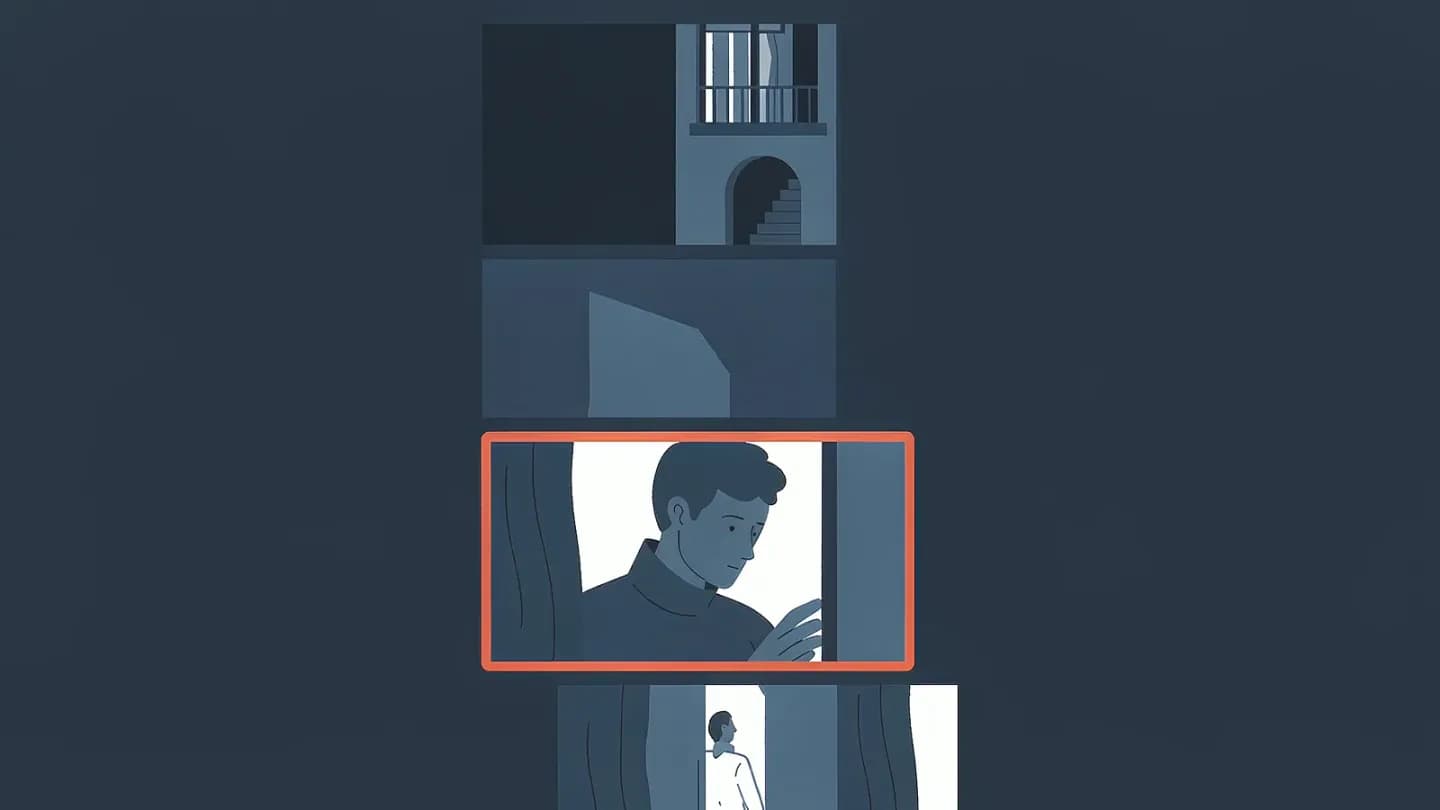
Write the no-go list before the first prompt: regulated claims, medical professionals, betting odds and any human likeness stay on the human side of the line until the tool earns trust. Keep claim-carrying assets in human production entirely, because the liability does not scale down with the budget. Generate variants only from owned, already-approved source assets, since the QC gate starts at the source image. Wire performance data - media mix modeling plus the platform API - into the loop so the library learns instead of just growing. Move the verdict upstream to the animatic stage, where a GenAI cut costs a fraction of a shoot. And budget media backing per asset, not just production cost, because an asset nobody serves is inventory, not advertising.
The mid-market lesson of 2026 is not that AI made video cheap. It is that the brands getting value from mid-market AI video production are the ones that wrote down what it is not allowed to do - and then shipped 15 times more of everything else.
Put the framework into production
These related pages connect the article’s planning advice to a specific commercial scope.
References
- Marketing's upper middle embraces AI creative productionDigiday
Digiday (2 October 2026) reports that Wyndham generates 15x more assets with production and approval time cut 75% and a 6x site-visit-rate improvement; Opella's 85-person team produces 20x more assets (20,000+ pieces) with firm rules against depicting medical professionals and AI disclosures in markets that require them; BetMGM (~$160M annual media spend, 120-person creative department) reserves regulated content for humans and refuses AI-generated assets carrying betting odds; Brandtech's Pencil says its fastest-growing segment is sub-$1B-revenue clients, and the price US businesses pay per million tokens fell 41% from its March 2026 peak.
- The emerging role of Generative AI in Creative development and testingKantar
Kantar reports that in 2025, 15% of all unfinished ads it tested were GenAI-crafted animatic films, with 80% of those emerging in just the last six months - generative films are replacing traditional animatics in pre-testing, while emotional nuance, language adaptation and lip sync remain the execution gaps its review checklist targets.
- CMOs Fear AI Content Boom Is Delivering Less Impact - Dentsu ReportBrandcom
Dentsu Creative's 2026 CMO report 'Making It Real' (1,950 senior marketing decision-makers, 14 markets, surveyed April 2026) finds 76% of CMOs worry they are producing more content for less impact, 74% agree more assets do not necessarily mean more impact, 81% expect to need far more content, 71% cannot balance the cost of extra assets against their return, and 70% have not yet seen major cost savings; it cites WARC/CreativeX data showing creative output up 30% while media spend per asset fell 15%, with over 90% of assets receiving under $10,000 in media backing.