What 'AI short films as ads' actually means
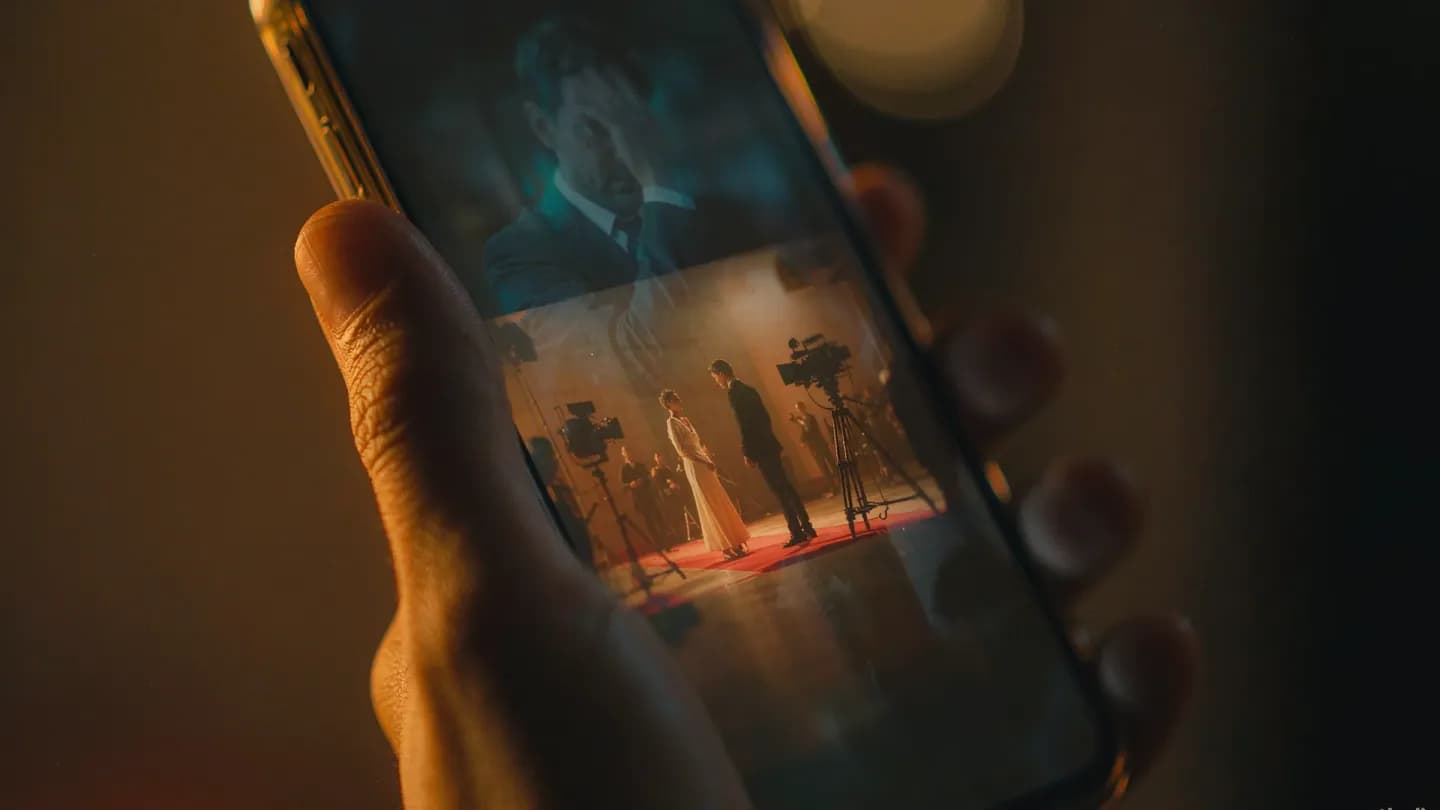
AI short films as ads are miniature narrative videos that brands release as entertainment first and advertising second. In 2026 this format is moving out of novelty experiments and into live campaigns, because generative tools let small teams build cinematic story worlds that once required a traditional shoot to produce.
The distinction matters. These are not product demos with AI visuals bolted on, and they are not founder talking heads. They are short films, a surreal product world, a fictional founder story, or a before-and-after transformation, that happen to carry a commercial message inside the story rather than interrupting it.
The shift mirrors {{link}}, when brands began treating generated video as legitimate brand films rather than experiments.
For brand teams the appeal is speed and range. A traditional brand film commits a budget to one idea and one cut; a generative short film commits a prompt, and a prompt is cheap to rewrite. That changes the economics of testing emotional concepts before a single location is booked.
The shift mirrors the moment AI brand video advertising entered the deep water zone, when brands began treating generated video as legitimate brand films rather than experiments.
Star Istanbul's Sumone film: a 42-second AI brand film
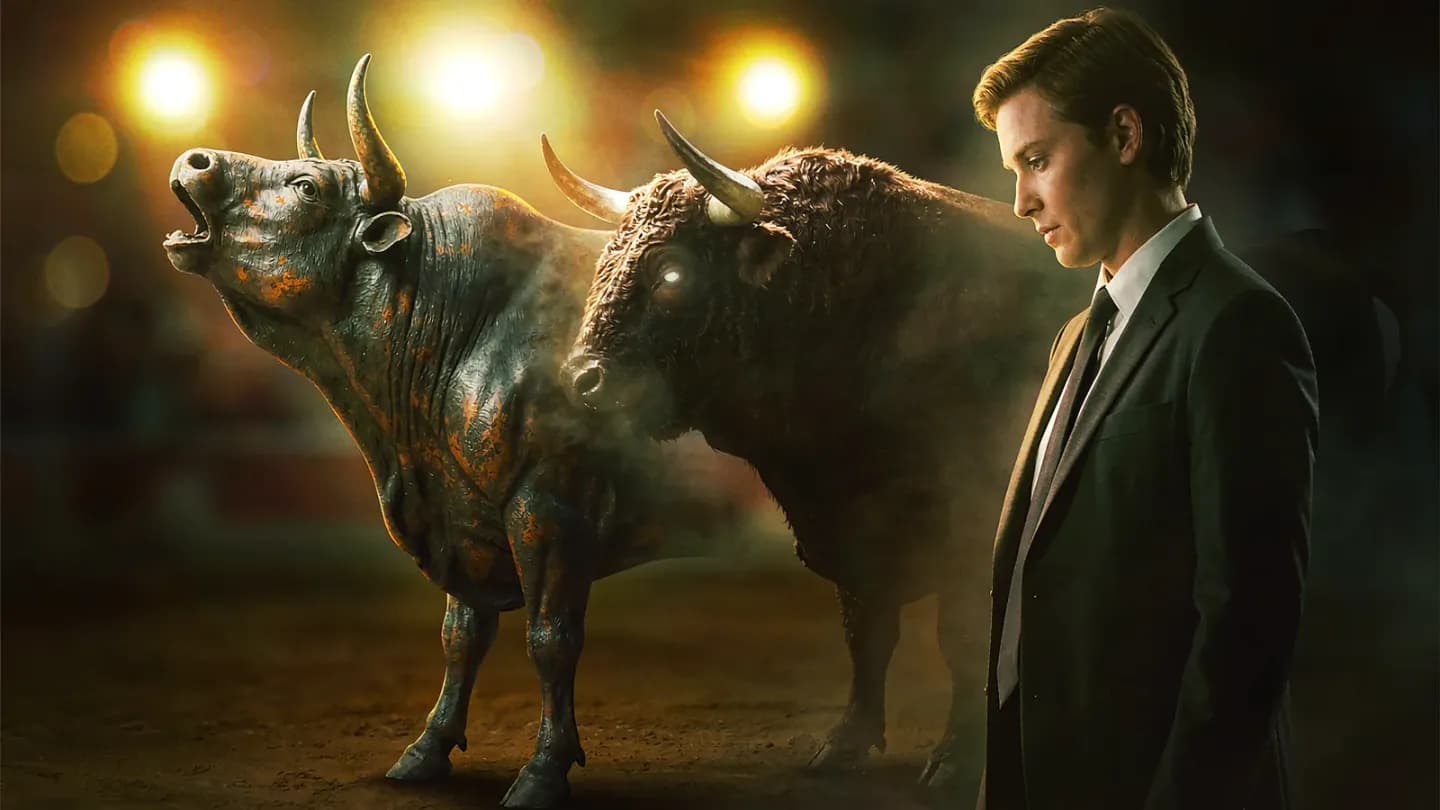
Istanbul studio Star Istanbul produced 'Ride the Day' for Turkish ready-to-wear brand Sumone entirely with generative AI, with no live actors, no physical set, and no stock footage. The 42-second brand film runs at 1920x1080 and tells a three-act story: a commuter passes a bronze bull, the bull becomes a rodeo animal, and a second character learns to ride the day.
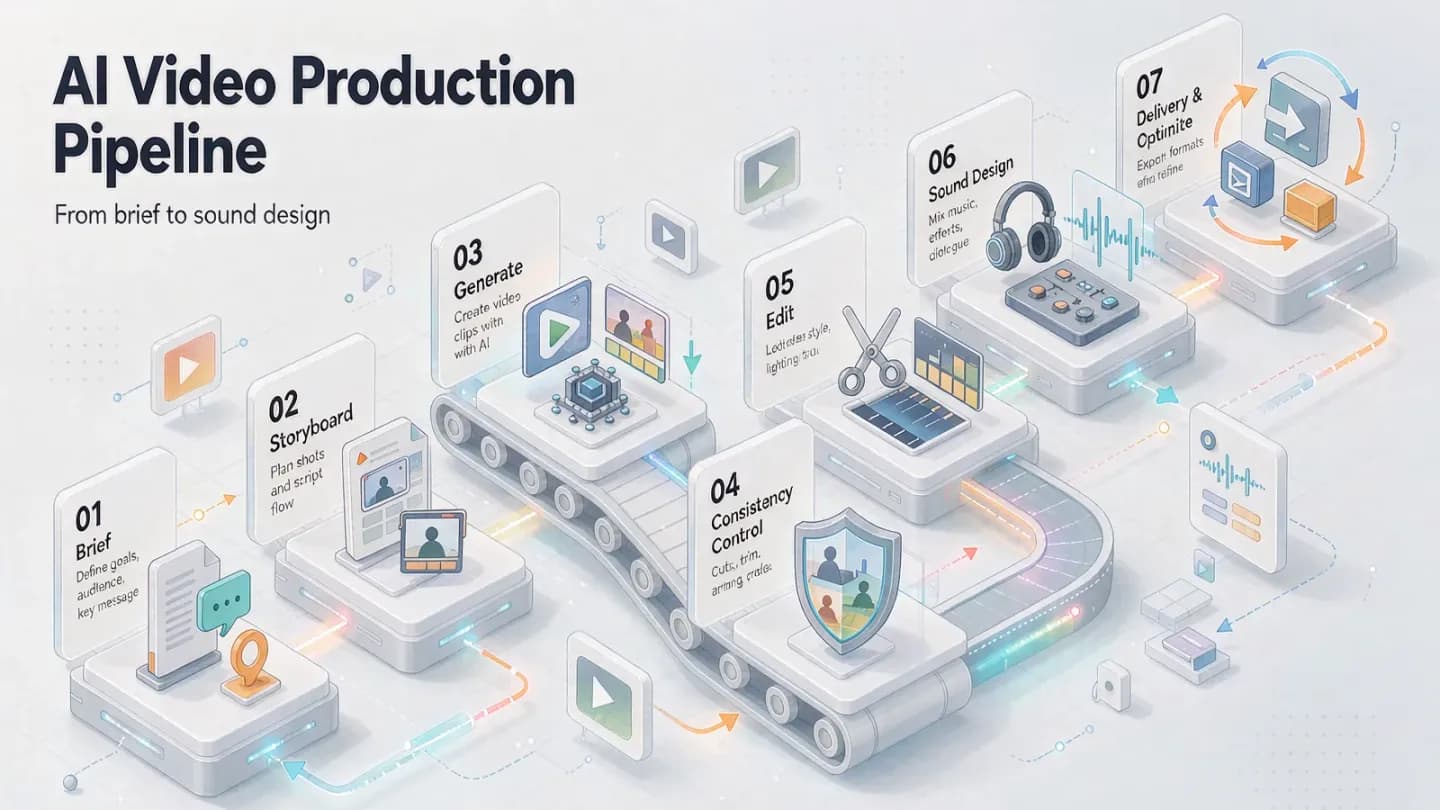
The production ran a seven-stage pipeline: brief analysis, storyboard, prompt engineering, text-to-video generation, character-consistency control, edit and color, then music and sound design. Two main characters appear across five scenes and four camera angles while holding consistent faces, hair, and clothing, the hardest part of AI filmmaking.
Star Istanbul's own comparison is the useful part for planners. The 42-second film took two to four weeks with a crew of three to six, against six to ten weeks and a crew of fifteen to forty for a traditional shoot. Reshoots became prompt revisions instead of set rebuilds, and variant production meant a new prompt rather than a new shoot.
The economics are not only about time. By removing location, cast, and equipment costs, the studio shifted spend toward creative development and technical production, the parts that actually differentiate the film. For a mid-size apparel brand that math is often the difference between running a brand film and skipping it.
Kuaishou and 毓婷: a 12-million-view emotional short
For International Women's Day 2026, Kuaishou partnered with pharmaceutical brand 毓婷 (Yuting) on '毓见春日恰如你' (Spring Meets You, Just Like You), an AI short film built with Kuaishou's Kling AI. The film used metaphor and natural imagery to position the brand around women's autonomy rather than product features.
The de-productized approach worked. Within the Kuaishou platform the film crossed 12 million plays, and an accompanying AI magic-filter challenge pulled more than 250,000 user creations and over 1 billion topic exposures. The brand treated the film as a value statement first and a product message second, the inverse of a hard-sell spot.
The result also illustrates a format advantage. Because the film was built as a metaphorical world rather than a literal product demo, the brand could say something without selling anything, and the audience accepted the message because the story earned it. That is harder to achieve in a thirty-second product spot.

When a short film becomes a performance ad
The format is not only for brand films. One AI-generated fitness ad, a narrative about military-style calisthenics built around a look-strong-versus-be-strong hook and a 28-day transformation arc, spent an estimated 2.5 million dollars on YouTube in 30 days while carrying an entertainment-purposes-only disclaimer.
That performance-ad pattern echoes {{link}}, where a generated brand film was wired directly into a paid acquisition funnel.
Belgian studio AiCandy took the idea further with 'Energym,' a Black Mirror-style satirical short about a future where unemployed humans generate power by exercising. Released as a studio showreel, it became one of early 2026's most-shared AI films and turned a fictional brand world into a credibility demo.
The throughline across these performance examples is narrative. Whether the goal is brand fame or direct response, the short film gives the viewer a reason to keep watching that a logo card never could. The product or offer arrives inside a world the viewer is already inclined to finish.
That performance-ad pattern echoes eToro's Veo 2 brand campaign, where a generated brand film was wired directly into a paid acquisition funnel.
Why the format fits generative video
That same limitation is why {{link}} remains a live risk for longer generative pieces, which is exactly why short films are a safer place to start than feature-length work.
Short ads do not need long continuity. They need a fast hook, a memorable world, and one clear emotional impression. That makes a short film a surprisingly good fit: a surreal product metaphor, a dream sequence, or a tiny cinematic scene can be produced directly, where a traditional shoot would need VFX or a location.
There is also a testing logic. Performance marketers already run many hooks and many edits, and AI short films make it cheap to test many worlds. A single master can spin out a sci-fi version, a nostalgic version, and a localized version without reshooting, which is the real efficiency story behind the format.
None of this requires the model to be perfect. It requires the model to be good enough at a short, controlled scene, which is exactly where 2026 text-to-video models have improved fastest. The format meets the technology where it is strong instead of where it is weak.
That same limitation is why the 2026 AI creative quality gap remains a live risk for longer generative pieces, which is exactly why short films are a safer place to start than feature-length work.
The production playbook for an AI short-film ad
The Star Istanbul pipeline is a workable template. Start with the brief and script before any frame is generated, because a weak concept in 4K is still a weak concept. Then generate more options than you need, keep the strongest two, and finish with voice, sound design, and a human edit.
Character consistency is the discipline that separates a clip from a commercial. Lock reference images, control the same face and wardrobe across scenes, and use hybrid shooting for any real product that generation cannot render accurately. Where the model drifts, a person fixes it; where it is strong, it ships.
Plan for variants from the first prompt. Define the hero canvas, usually 16:9 for a cinematic brand film or 9:16 for mobile-first, and decide up front which cutdowns you will need for Shorts, Reels, TikTok, feed, and LinkedIn. Generating the master is the cheap part; adapting it is where most teams lose the story.
The teams that struggle are the ones that treat generation as the finish line. Generation is the draft; the film is the result of review, consistency control, and platform formatting. Budget for the human steps explicitly, because skipping them is what produces the generic, obviously-synthetic cut viewers scroll past.
What to watch before you ship
Audience trust is the quiet risk, and {{link}} from 2026 show how fast a synthetic misstep backfires with viewers.
Disclosure matters more than it used to. YouTube is rolling out automatic labels for realistic AI video, and a 2026 MediaScience study found that labeling an ad as AI-generated did not hurt measured performance across tested formats, so the label is a safety net rather than a penalty. Add it on purpose instead of waiting for the platform to infer it.
Formatting is the part teams underestimate. Cropping a 16:9 cinematic world into 9:16 can cut off the atmosphere that made it feel premium, and dropping a vertical film into a horizontal player adds black bars. Treat platform-native formatting as part of the creative, not a mechanical export, or the story breaks the moment the viewer notices the crop.
The practical checklist is short: one human owns the final cut, the AI label is added on purpose, the master is formatted natively for each channel, and the hero asset is reviewed before it ships. Get those four right and the short film earns its place next to traditionally produced creative.
Audience trust is the quiet risk, and the documented 2026 AI ad backlash cases from 2026 show how fast a synthetic misstep backfires with viewers.
Put the framework into production
These related pages connect the article’s planning advice to a specific commercial scope.
References
- AI Short Films Are Becoming AdsOmniFit
In 2026 AI-made short films are moving into real advertising as miniature stories that function as ad creative. At Google Marketing Live 2026 Google described new AI video tools for brands as a whole new world for time-poor marketers, and a 2026 MediaScience study found labeling a video ad as AI-generated did not hurt performance across tested formats. YouTube is rolling out automatic labels for realistic AI video.
- Sumone 'Ride the Day': The Production Process of the AI-Generated Short Film by Star IstanbulStar Istanbul
Star Istanbul produced the 42-second Sumone 'Ride the Day' brand film entirely with generative AI: 1920x1080, 12 scenes, two main characters across five scenes and four camera angles, a seven-stage pipeline. The studio compares it to two to four weeks and a crew of three to six versus six to ten weeks and a crew of fifteen to forty for a traditional shoot.
- This AI-generated ad spent 2.5M on YouTube in 30 daysInceptly
An AI-generated fitness ad built around a look-strong-versus-be-strong hook and a 28-day transformation arc spent an estimated 2.5 million dollars on YouTube in 30 days while carrying an entertainment-purposes-only disclaimer, showing narrative AI video can drive performance at scale.
- Viral AI ad masterpiece: future humans are batteries for AIDigitaling
Belgian AI video studio AiCandy produced 'Energym,' a Black Mirror-style satirical short film about a future where unemployed humans generate power by exercising. Released as a studio showreel, it became one of early 2026's most-shared AI films and turned a fictional brand world into a credibility demo.