AI Video Creative Strategy Starts by Refusing to Imitate a Camera
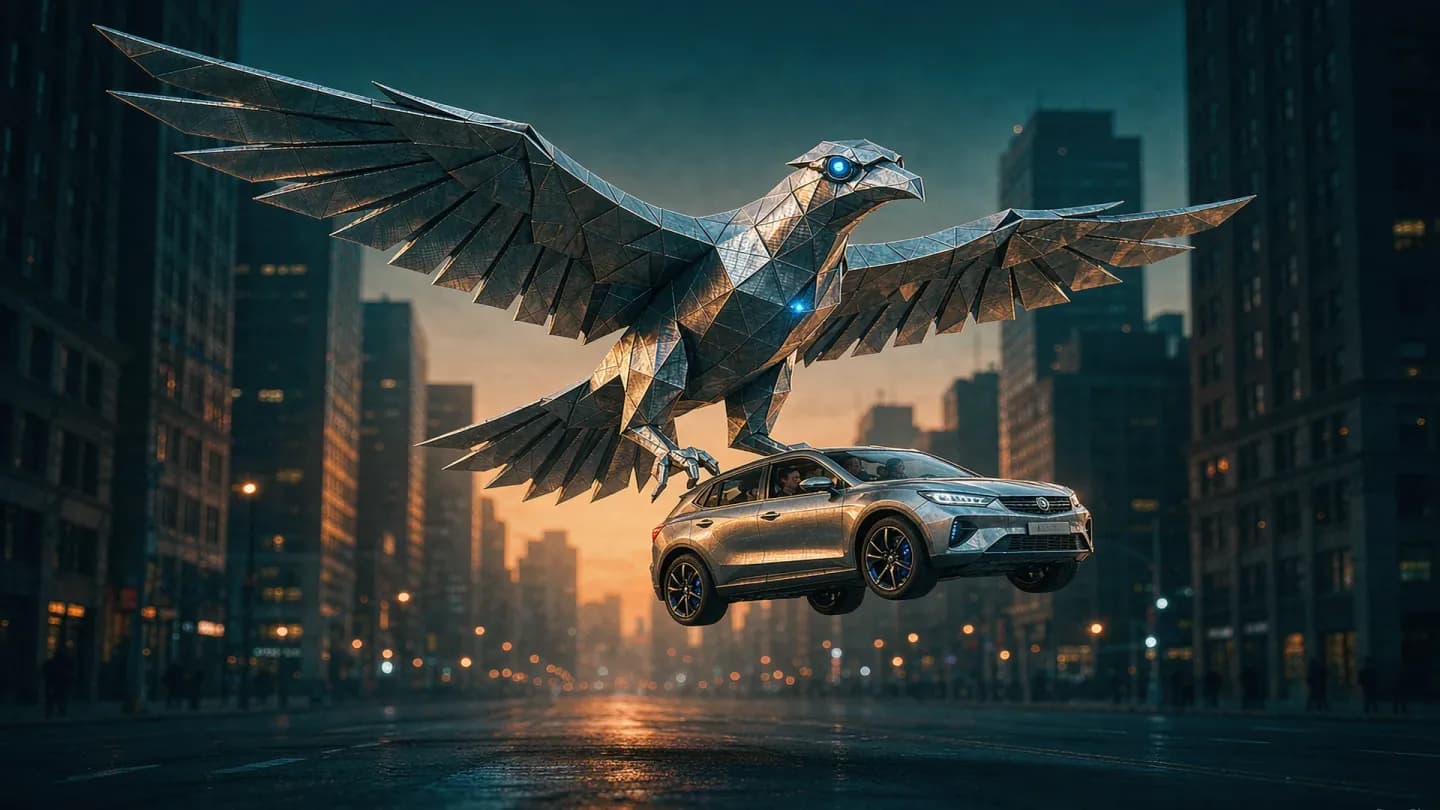
The most useful AI video creative strategy in 2026 is simple: stop using generative video to imitate a camera, and start using it to show what a camera cannot. Photoreal AI invites audiences to hunt for flaws. Deliberately impossible imagery invites them to read a metaphor. The performance data now favours the second approach.
The IAB's latest research with Sonata Insights puts numbers on the mismatch. Eighty-three percent of ad executives say their company has deployed AI in the creative process, up from 60% in the 2024 study. But 82% of those executives believe Gen Z and Millennial consumers feel positive about AI-generated ads, while only 45% of consumers actually do. That perception gap widened from 32 points in 2024 to 37 points in 2026. Among Gen Z alone, 39% report negative sentiment toward AI ads, nearly double the 20% recorded among Millennials.
The reason is visible in what advertisers now optimise for. Cost efficiency became the top cited benefit of AI in 2026 at 64%, up from fifth place two years earlier. When cheapness is the brief, the output looks cheap, and audiences read that as effort withdrawn. IAB's own guidance is blunt about the correction: apply AI to boost creative quality rather than to cheapen it.
Model limits still cap how far raw generation can carry a spot on its own, and {{link}} maps where that ceiling currently sits.
Model limits still cap how far raw generation can carry a spot on its own, and the AI creative quality ceiling maps where that ceiling currently sits.
What Motorola Did Instead of Faking Realism
On 20 August 2026, Motorola India released two films it describes as 100% AI-created. The spot for the edge 70 max is built on the line "Max Every Move" and uses sloths as a visual metaphor for everything that slows people down, cut against a protagonist who refuses to pause. The second film, for the moto g max, runs on "Got It, Flaunt It" and stages a deliberately larger-than-life premise set to the Bollywood track "Baar Baar Dekho".
Neither film pretends to be footage. A city populated by sloths is not a shot a crew could buy at any budget, so the audience never has to decide whether what it is watching is real. That is the whole trick. Motorola India's head of marketing, Ipshita Chowdhury, framed the work as a balance of art and science rather than a production shortcut, which is the tell that the metaphor came before the tool.
Digital lender Fibe ran the same structural move in its "Jiyo Full Size" films, where a wedding horse, an international flight and a family home literally shrink to dramatise financial compromise, then return to full size once credit arrives. In both cases the central image is physically impossible, which makes generative video the cheapest honest route to it rather than a substitute for a shoot.
Surreal Outperforms Realistic in the Feed
Plant-based beverage brand Koia used AI to build larger-than-life animated content for a protein powder launch at Costco and pulled roughly 48,000 organic views, about 6.4 times its normal Instagram Reels performance. Diane DiLorenzo, the brand's VP of marketing, was explicit about why the aesthetic helped: "In those situations, everyone knows it's AI, and I think that's another reason why performance is good. People are engaging with it and not feeling deceived."
The mechanism worth internalising is that obvious artifice functions as disclosure. IAB found that 73% of Gen Z and Millennial consumers said knowing an ad was created with AI would either increase their purchase likelihood or make no difference at all, and that clear disclosure ranked as the third-highest driver of attention, behind only high-quality visuals and humour. The damage comes from the feeling of being deceived, not from the presence of AI.
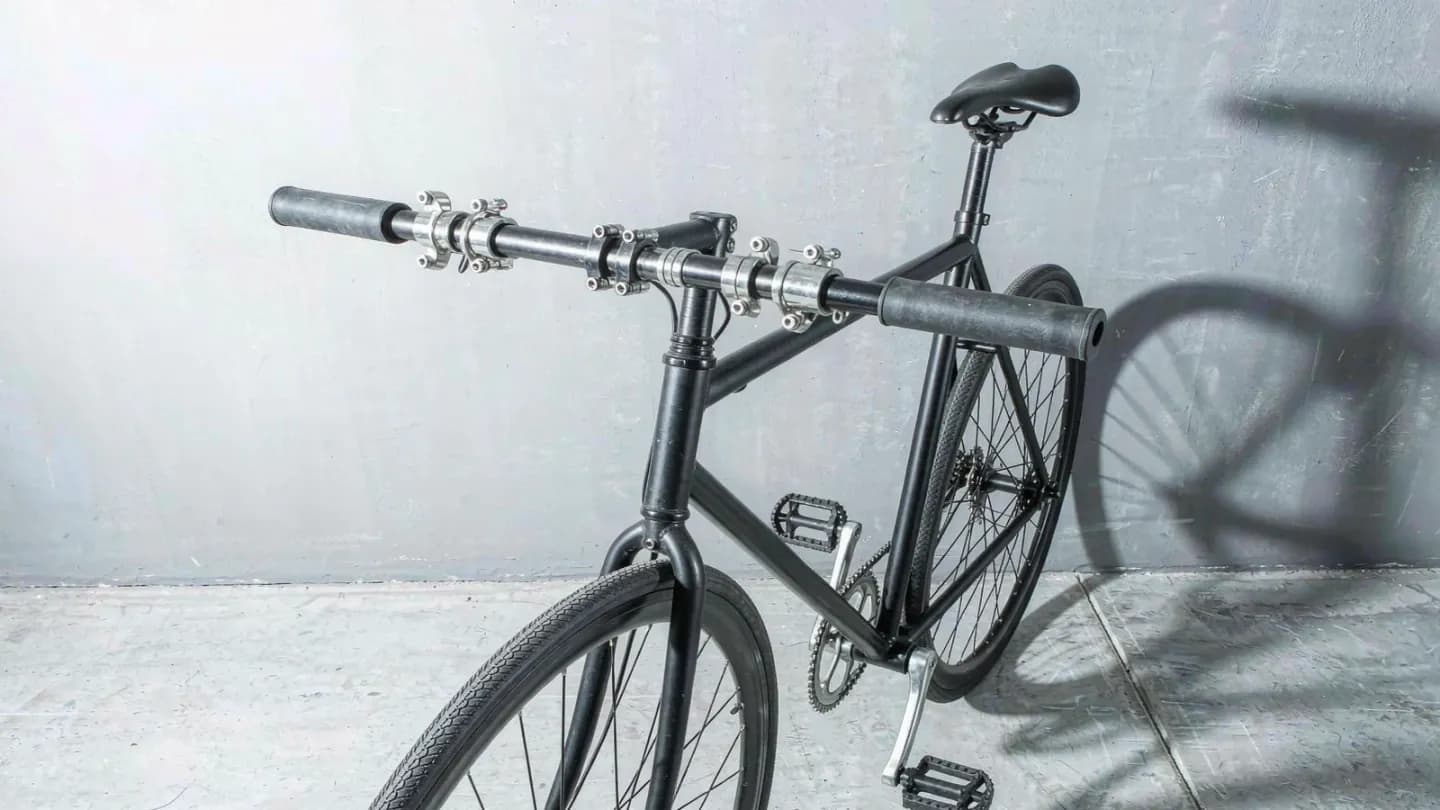
The failure mode is the mirror image. REI drew public criticism for an AI-generated ad showing a woman with a bicycle carrying two sets of handlebars. In a photoreal frame, every artifact reads as a credibility bug that the brand failed to catch. In a stylised frame, the same distortion reads as a style choice. Choosing the register up front decides which of those two things your mistakes become.
The Line Almost Every Brand Draws: No Synthetic People
Unilever's Beauty AI Studio, built with The Brandtech Group on the Pencil Pro platform, is now running across 18 markets for brands including Dove Intensive Repair, TRESemme Lamellar Shine and Vaseline Gluta Hya. The volume shift is large: the company reports roughly 400 creative assets per product where it previously made about 20 assets per campaign. Production runs 30% faster than the old model, and both video completion rate and click-through rate have doubled.
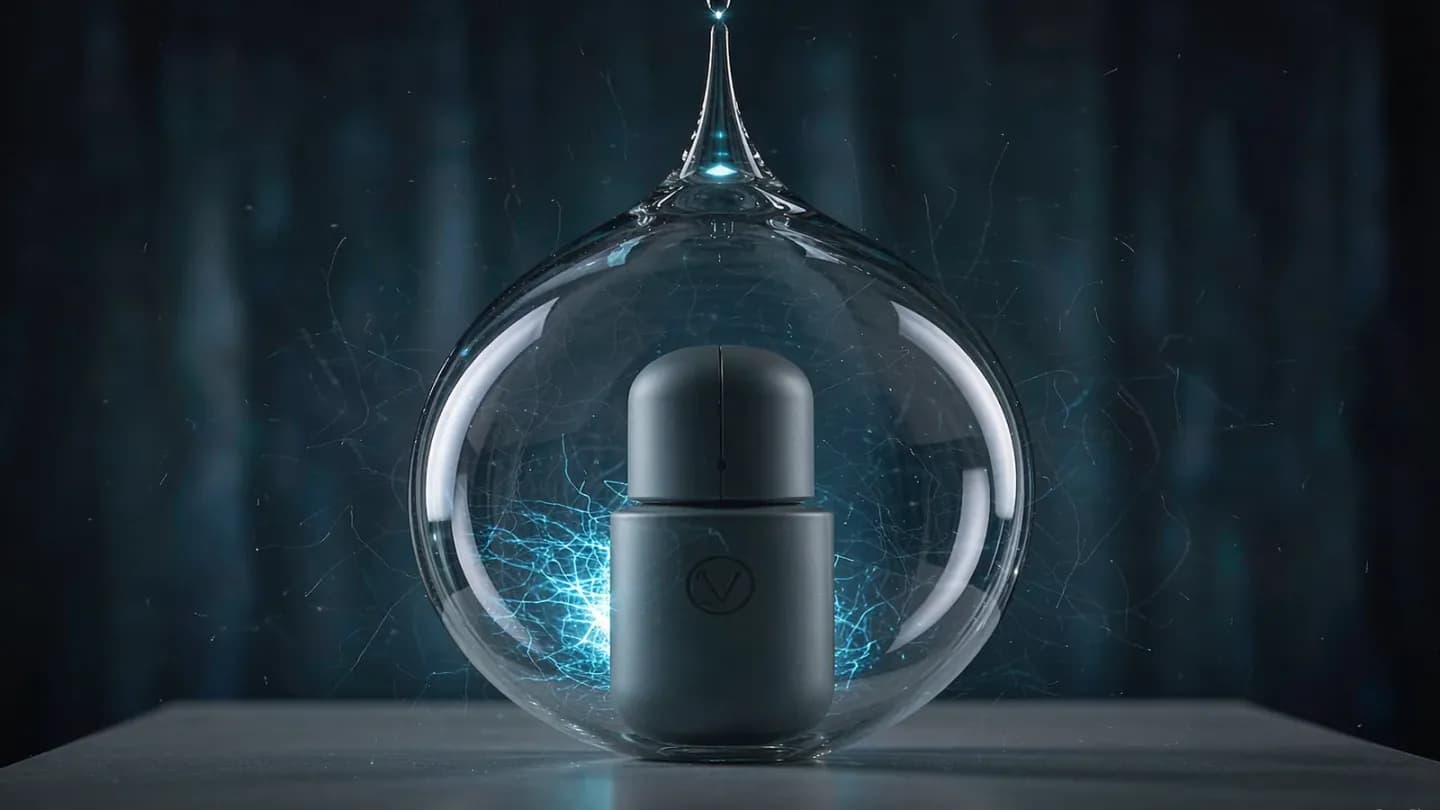
What makes that scale defensible is the constraint attached to it. "We're not currently doing any human AI generation. We're doing it all around the product," global vice president Selina Sykes told Digiday. Assets are generated from 3D renders of each product, a practice the team calls digital twinning, with a per-brand BrandDNAi layer holding guidelines and regulatory limits so the model cannot drift outside approved territory.
Other marketers draw the same boundary for trust reasons rather than technical ones. Personal care brand Goodwipes is comfortable with static AI product imagery but refuses AI actors, on the grounds that an intimate product category cannot afford a synthetic person asking for trust. Pizza oven brand Gozney keeps AI out of consumer-facing content altogether to protect a premium, highly engaged audience.
Making human craft the visible premium is itself a positioning decision, and {{link}} covers how brands are pricing that choice.
Making human craft the visible premium is itself a positioning decision, and pro-human AI video creative covers how brands are pricing that choice.
How to Brief the Impossible Shot
Start from the claim, not the visual. Write the single sentence the product has to prove, then ask what physical impossibility would dramatise it. Motorola's claim was speed, and the impossibility was a world overrun by sloths. Fibe's claim was that credit prevents compromise, and the impossibility was aspiration shrinking on screen.
Make the artifice legible inside the first two seconds. If a viewer has to work out whether the footage is real, attention has already gone to forensics instead of the story. A frankly unreal opening image buys permission for everything after it.
Keep humans real, absent, or clearly stylised. Photoreal synthetic people are where trust breaks fastest, and they are the one element that turns a smart concept into a credibility problem. Product, environment and scale are where generative video is strongest anyway.
Lock the metaphor before you prompt, then hold it across every shot. Holding one visual rule through a full sequence is a prompt discipline more than a model choice, and {{link}} sets out the patterns that survive an entire cut.
Finally, generate wide and cut narrow. Abundance is the real advantage of the format: explore ten directions, keep two, and let the edit carry the judgement that the model cannot.
Lock the metaphor before you prompt, then hold it across every shot. Holding one visual rule through a full sequence is a prompt discipline more than a model choice, and prompt engineering for consistency sets out the patterns that survive an entire cut.

Measure the Metaphor, Not the Realism
Unilever's honest read on its AI pipeline was completion and click, not whether the output passed as camera footage. Copy that instinct. Treat the surreal treatment as a testable creative variable: same claim, one photoreal cut, one deliberately impossible cut, same audience and same budget, then look at completion rate before anything else.
Track the downside with equal discipline. IAB's data shows 30% of Gen Z consumers call brands that use AI for ads inauthentic, against 13% of Millennials, and 26% describe them as disconnected. Disclosure practice still matters even when the aesthetic discloses itself, and fewer than half of advertisers who use generative AI say they always disclose it.
Volume is no longer the constraint, so the honest measure is hit rate, and {{link}} shows what share of AI concepts actually clears the bar.
The 2026 rule is narrow enough to brief tomorrow. If a camera could have captured it, a camera probably should have. If no camera ever could, that is exactly the frame worth generating.
Volume is no longer the constraint, so the honest measure is hit rate, and the AI video creative winner rate shows what share of AI concepts actually clears the bar.
Put the framework into production
These related pages connect the article’s planning advice to a specific commercial scope.
References
- The AI Ad Gap WidensIAB
83% of ad executives say their company has deployed AI in the creative process, up from 60% in 2024; 82% believe Gen Z and Millennial consumers feel positive about AI ads versus 45% who actually do, a gap that widened from 32 to 37 points; cost efficiency is the top cited benefit at 64%; IAB advises using AI to enhance creative quality rather than to cheapen it.
- Motorola Pushes the Boundaries of Creativity with 100% AI-Created FilmsMarksmen Daily
Motorola India released two 100% AI-created films on 20 August 2026, using sloths as a visual metaphor for things that slow people down in the edge 70 max film and a larger-than-life premise for the moto g max film.
- Marketers set guardrails on AI use in customer-facing contentComplete AI Training
Koia's surreal AI content for a Costco protein powder launch generated 48,000 organic views, about 6.4 times its normal Instagram Reels performance, with its VP of marketing attributing performance to viewers knowing it was AI; Goodwipes and Gozney refuse AI-generated people or consumer-facing AI, and REI drew criticism for an AI ad showing a bicycle with two sets of handlebars.
- Inside Unilever's AI beauty marketing assembly lineDigiday
Unilever's Beauty AI Studio runs across 18 markets and produces around 400 creative assets per product versus 20 per campaign previously, 30% faster, with video completion rate and click-through rate doubled; global VP Selina Sykes says the system does no human AI generation and works entirely around the product.