What Amazon Nova Reel 1.1 Changes for Commercial Video
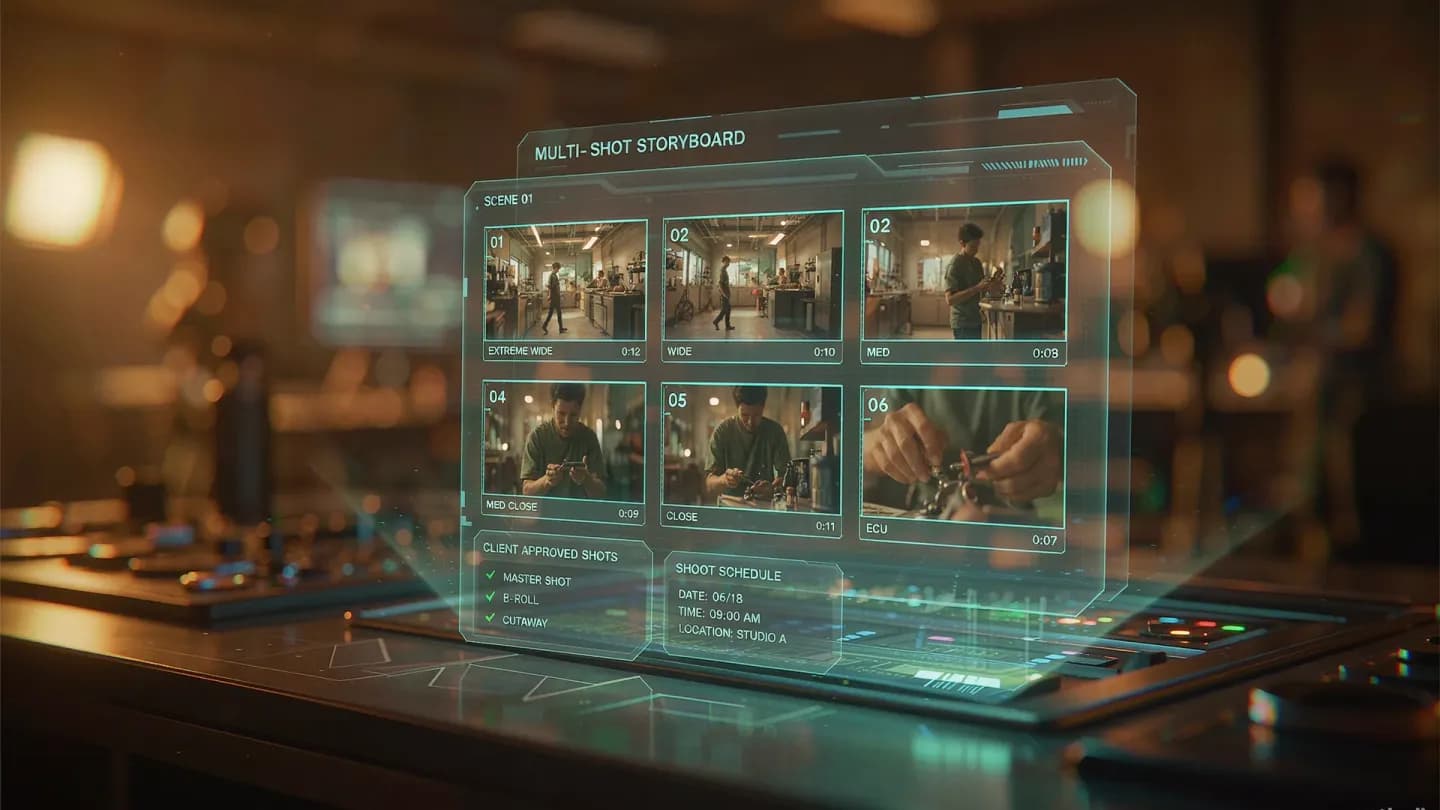
Amazon Nova Reel 1.1 lets commercial teams generate up to two-minute, multi-shot videos with consistent style across shots through Amazon Bedrock. The update replaces disconnected six-second clips with structured sequences, making AI video usable for product demos, training, and social ad campaigns without a reshoot.
The two-minute limit is built from six-second shots, and the duration must be a multiple of six between 12 and 120 seconds. That structure is the whole point: instead of generating one isolated bumper and stitching it by hand, you brief the model once and it returns a connected sequence. Holding subject, setting, and visual language from one shot to the next is the hard problem in generative video, and it is where most earlier tools broke down.
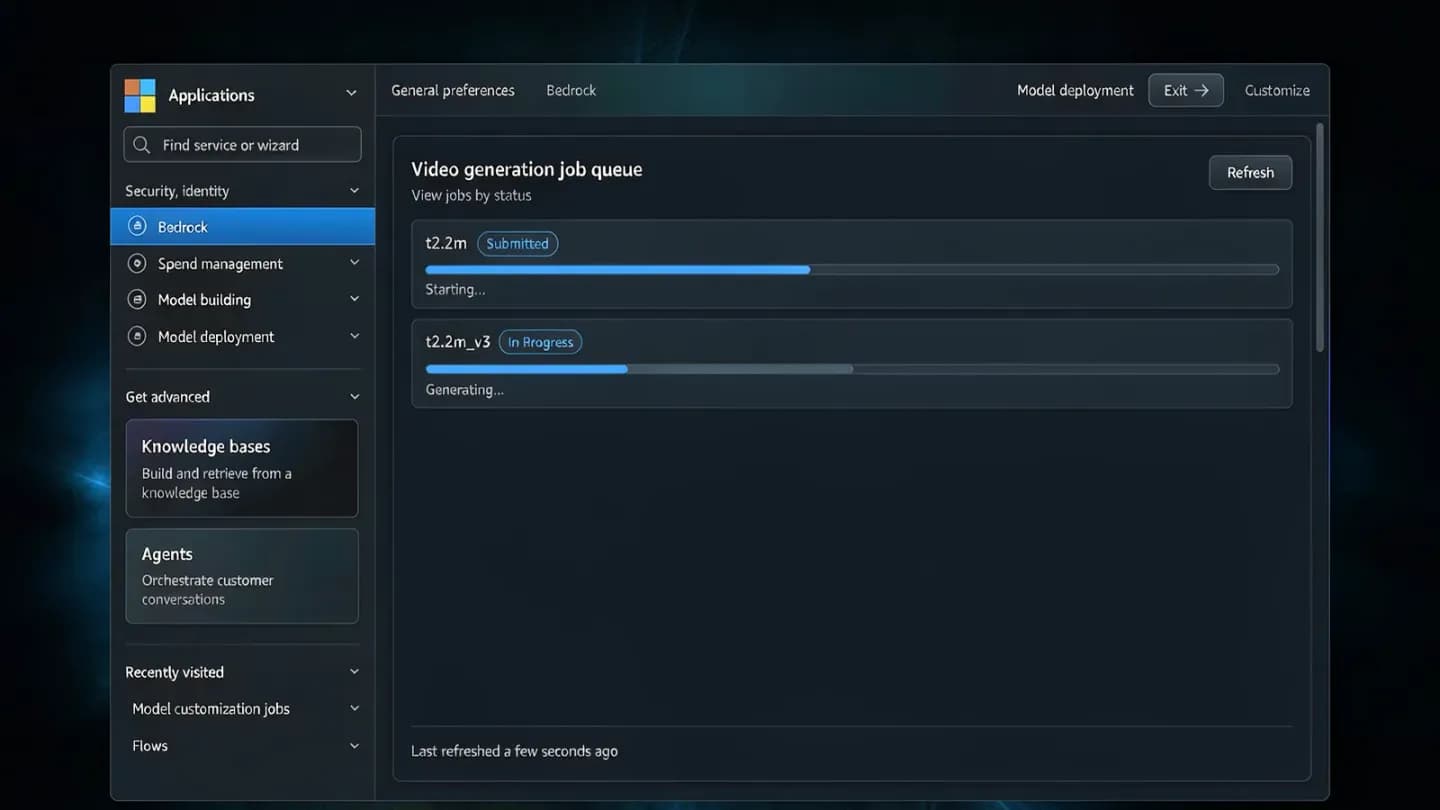
Nova Reel 1.1 is available inside Amazon Bedrock in the US East (N. Virginia) region, reachable from the console, the SDK, or the CLI. For commercial teams this matters because the typical brief is longer than six seconds and needs a narrative arc — a product story, a how-it-works explainer, a campaign cut — not a single looping clip. The capability moves AI video from 'make me a bumper' to 'make me the first version of the spot.'
The practical takeaway is to stop thinking of Nova Reel as a clip generator and start treating it as a rough-cut director. A two-minute, style-consistent sequence is close enough to a real edit that it can be reviewed, cut down, and reshot selectively — which is exactly how production teams should use a model that is fast and cheap but not yet a substitute for craft.
Two Modes: Automated Prompt and Manual Storyboard
There are two ways to drive it. Automated mode takes a single prompt up to 4,000 characters and returns a multi-shot video that reflects that prompt. It is the fastest path for first passes, mood reels, and exploring a concept before anyone commits to a shot list.
Manual storyboard mode is where commercial control lives. You set a unique prompt for each individual shot — up to 20 shots in one video, each prompt up to 512 characters — and you can attach an optional starting image per shot at 1280x720. That is the difference between telling a model 'make me a brand film' and actually directing coverage: an establishing shot, a product close-up, a lifestyle beat, each with its own instruction.
The mode you pick depends on where Nova Reel sits in your stack. A full {{link}} shows Nova Reel 1.1's two-minute ceiling sits between short-clip tools and long-form systems, so it is best treated as a connected-sequence engine rather than a replacement for footage.
A full text-to-video model comparison shows Nova Reel 1.1's two-minute ceiling sits between short-clip tools and long-form systems, so it is best treated as a connected-sequence engine rather than a replacement for footage.
Where the Two-Minute Ceiling Fits Commercial Work
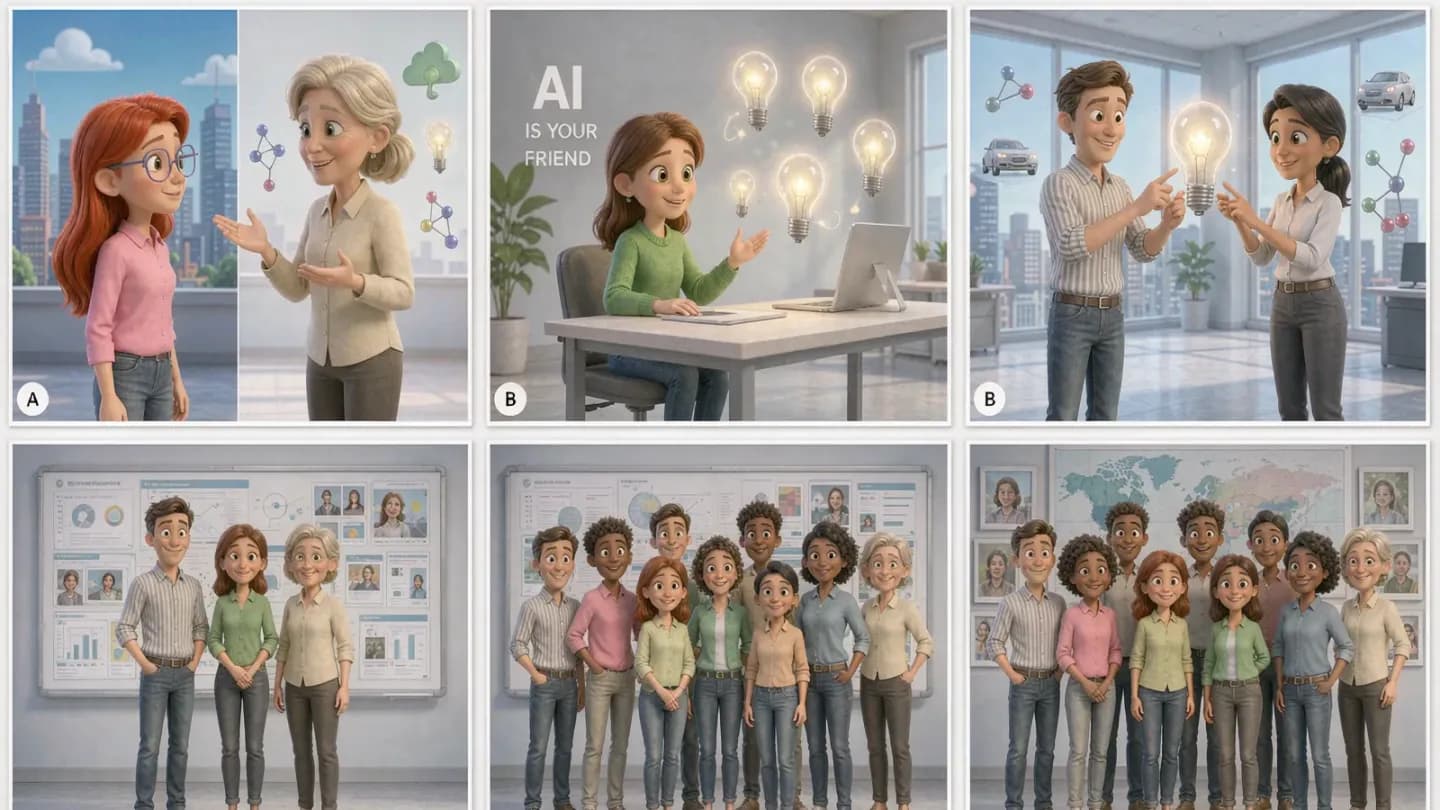
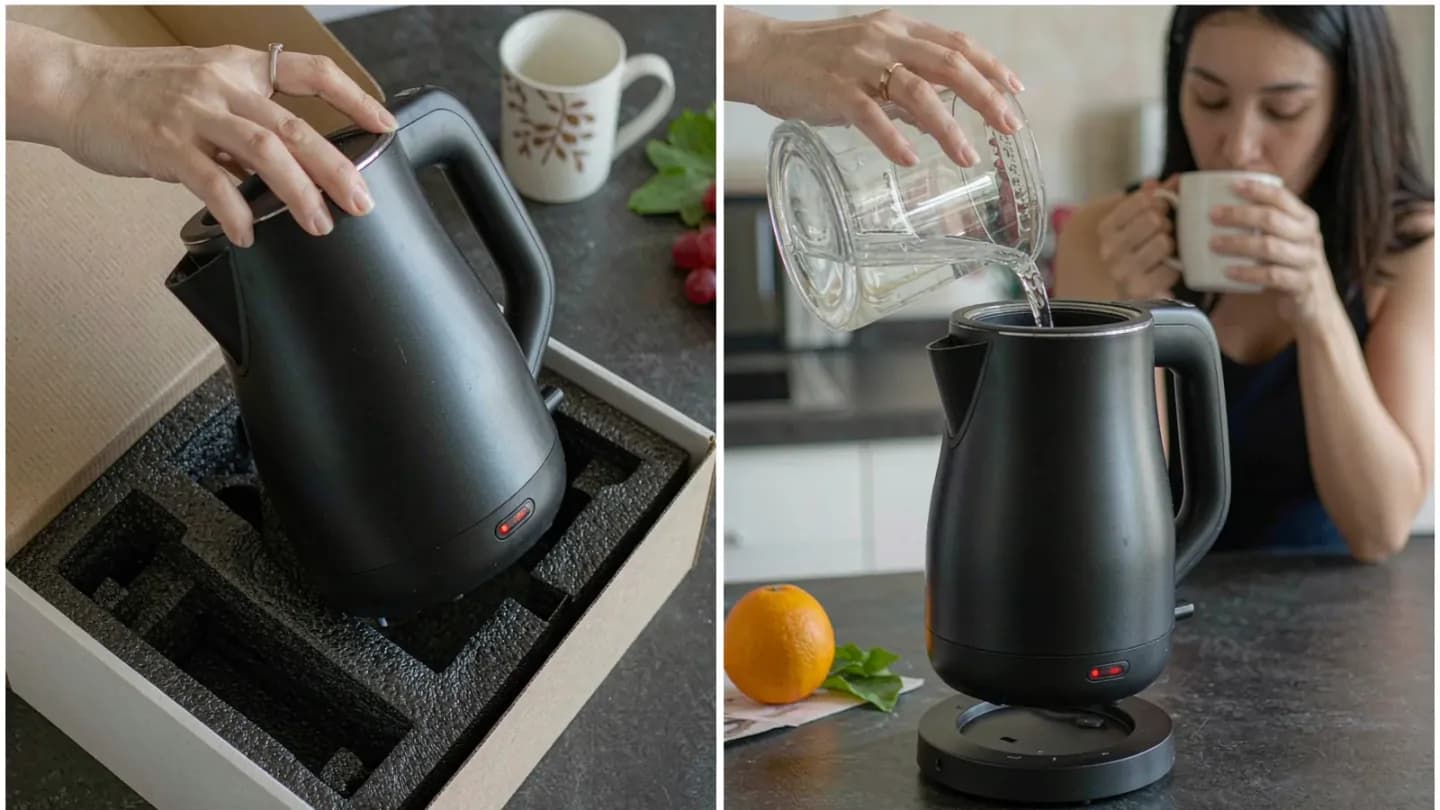
The best-fit use cases are the ones that need a short, connected story rather than a single hero frame. Product demos can walk through unboxing, setup, and real use across connected shots. Training and onboarding clips can stage a workplace scenario or a customer-service example. Social ad campaigns can pull a 15-second hook, a 60-second product spot, and a vertical explainer from one source. Agencies and filmmakers can use it for pre-visualization, testing angles and pacing before a live shoot. Amazon positions it directly for lifestyle and ambient background video in advertising, marketing, media, and entertainment.
It is not a brand film. Principal photography, dialogue, and performance still require real production, and the two-minute, six-second-shot structure caps how much narrative complexity you can carry. The 2026 IAB Digital Video Ad Spend & Strategy Report puts US digital video ad spend above $80 billion this year and notes that GenAI adoption for video creative keeps accelerating, but buyers still want more proof of performance and easier workflow integration — so Nova Reel earns its place as a production step, not the entire pipeline.
Teams still need to track {{link}}, because Bedrock bills per second of generated video, and a polished two-minute piece can quietly rack up cost before it earns a single view.
Teams still need to track cost per usable clip, because Bedrock bills per second of generated video, and a polished two-minute piece can quietly rack up cost before it earns a single view.
Cost, Control, and the Per-Second Billing Model
Bedrock pricing is pay-per-use and billed on the seconds you actually generate. That is a different model from seat-based editing tools, where the bill arrives at export time regardless of how many tries it took. For high-volume creative testing the math is favorable versus shooting five variants on a stage, but only if teams put a cap on iterations. The practical failure mode in an AI-first budget is not the per-asset price — it is undisciplined regeneration, where a team generates forever because each attempt is individually cheap.
Adoption pressure makes the discipline harder, not easier. Epsilon's 2026 benchmark study finds 100% of surveyed marketers now use AI, with 71% primarily chasing productivity and efficiency and only 9% pointing it at revenue generation. When every team is generating, the differentiator is whether the output is measured, not whether it exists. Nova Reel's per-second meter is a feature here: it makes the iteration cost visible instead of hidden.
As budgets tighten, proving a clip performs matters more than generating it, and {{link}} becomes the real gate, so teams should treat Nova Reel output as a candidate to be measured rather than an asset to ship by default.
As budgets tighten, proving a clip performs matters more than generating it, and AI video budget proof becomes the real gate, so teams should treat Nova Reel output as a candidate to be measured rather than an asset to ship by default.
Rights, Licensing, and Where Nova Reel Sits in Your Stack
Nova Reel ships inside the Bedrock enterprise surface, which means it inherits AWS identity, region, and access controls — a real advantage for teams already running on AWS. Input images have to meet the 1280x720 requirement, and generated output lands in an S3 bucket you control. For commercial use the usual questions still apply: who owns the generated clip, what the usage rights actually cover, and whether the brief includes the disclosures synthetic media now requires in several markets.
Governance is where the industry is still thin. The same IAB report finds nearly all buyers see a role for agentic AI in video, yet the industry lacks consensus on governance, explainability, and human oversight, and confidence in inventory quality remains a challenge across buying methods. Nova Reel does not remove those obligations; it concentrates them into a faster generation step that still needs a human owner.
Rights clarity and predictable cost now decide which AI video tools brands adopt, and {{link}} is part of that calculus, so Nova Reel's Bedrock terms should be reviewed alongside any other model you evaluate before it enters the workflow.
Rights clarity and predictable cost now decide which AI video tools brands adopt, and licensable AI video platforms is part of that calculus, so Nova Reel's Bedrock terms should be reviewed alongside any other model you evaluate before it enters the workflow.
A Practical Adoption Playbook
Start where the two-minute, multi-shot format pays off fastest and the cost ceiling is easiest to bound: product demos and pre-visualization. These are bounded, repetitive, and easy to score, which makes them ideal first cuts before you point the tool at brand-level work.
Use manual storyboard mode when brand continuity matters and automated mode for volume exploration. Pair every generation with a human director who owns the final cut, and keep a named decision-maker with a hard iteration cap so the per-second model does not drift into open-ended spend. Treat Nova Reel as a connected-sequence engine inside a larger pipeline — brief, generate, measure, then decide what is worth a real production dollar.
Finally, keep the measurement loop explicit. A generated two-minute sequence is a hypothesis about what will hold attention, not a finished asset. The teams that get value from Nova Reel 1.1 are the ones that route its output into the same testing and creative-fatigue review they already run on shot footage, rather than shipping it the moment it renders.
Put the framework into production
These related pages connect the article’s planning advice to a specific commercial scope.
References
- Amazon Nova Reel 1.1: Featuring up to 2-minutes multi-shot videosAmazon Web Services
Nova Reel 1.1 generates multi-shot videos up to 2 minutes long with consistent style across shots through Amazon Bedrock; automated mode accepts a single prompt up to 4,000 characters, manual storyboard mode supports up to 20 shots with per-shot prompts up to 512 characters and an optional 1280x720 start image.
- 2026 IAB Digital Video Ad Spend & Strategy ReportIAB
Digital video ad spend will surpass $80B in 2026; GenAI adoption for video creative continues to accelerate, though many advertisers want more proof of performance and easier workflow integration; nearly all buyers see a role for agentic AI but the industry lacks consensus on governance and human oversight.
- 2026 benchmark study: Marketing's AI inflection pointEpsilon
100% of surveyed marketers use AI; 71% primarily for productivity and efficiency while only 9% use it for revenue generation; 45% cite data quality as their top technical challenge.