The shot a traditional shoot couldn't cheaply film
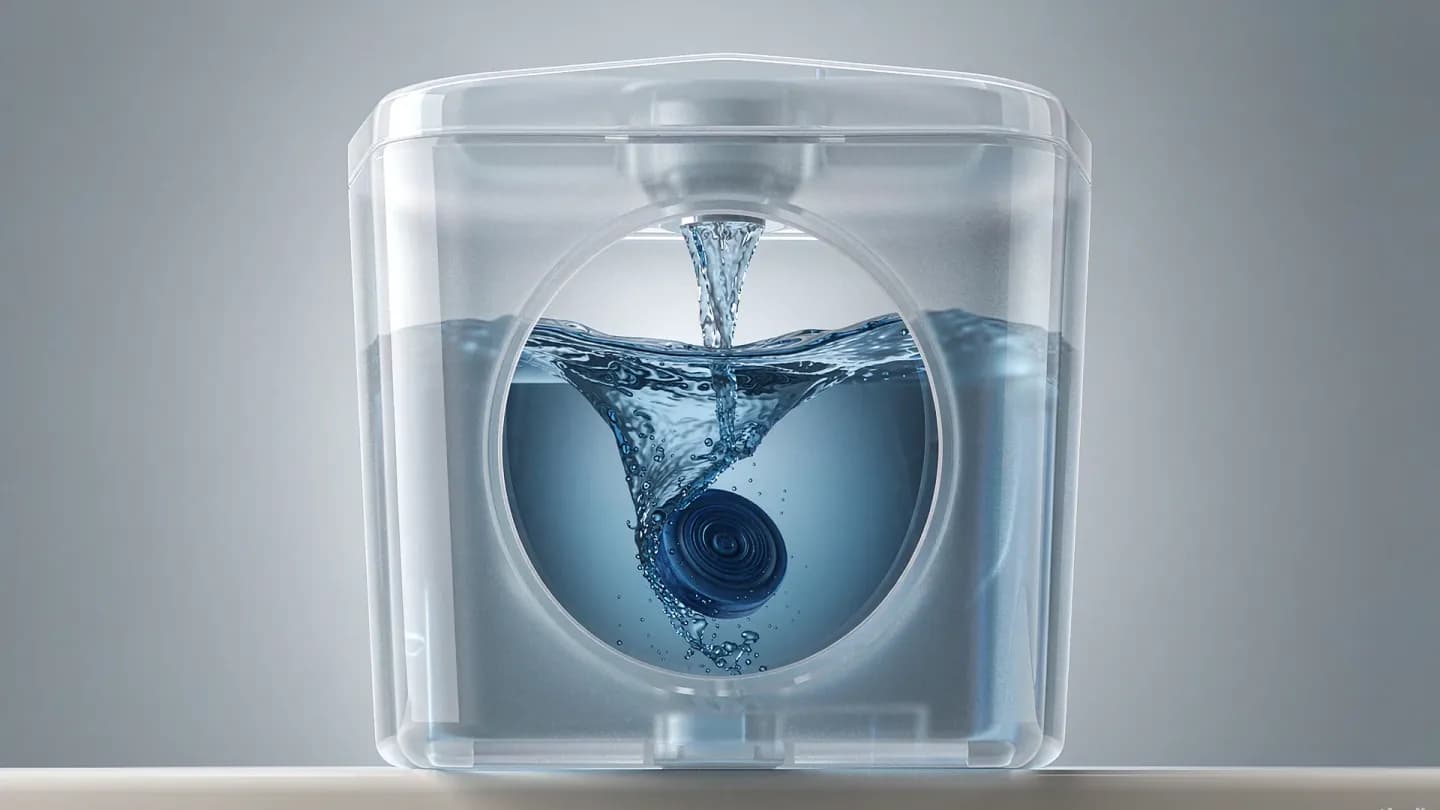
In 2026, Harpic ran an AI product demo video for its Flushmatic toilet-care tablet that did something a conventional shoot still struggles to do economically: it showed the product working inside a transparent flush cistern, water swirling the blue tablet through the bowl mechanics, with no physical set, prop, or crew required. The spot was built by SBN Media, a Mumbai AI production studio, using expert prompting rather than a film crew and a location. For a category where the proof literally lives inside the porcelain, that single capability reframes what a demo video is even for. Most product demos are built to show the outside of a thing; Harpic needed to show the inside of a thing that is normally opaque. The camera went where a real camera and a real rig cannot easily go, and the brand paid for prompts and iterations instead of a shoot day. That shift - renting compute instead of a stage - is the quiet headline of AI video in 2026.
SBN Media's director framed the 15-to-30-second ad as the ideal length for generative video: establish the problem, show the solution, land the brand beat. The transparent cistern was the hero of the spot. A traditional production would have needed a custom-built acrylic prop, a controlled water rig, lighting to read through the plastic, and a maintenance crew between takes to keep the shot clean. Generative video produced the same interior shot from a text and image prompt, and SBN Media reported production cost reductions of up to 60% versus a comparable traditional build. The saving came not from lower quality but from deleting the physical logistics that normally gate the shot. When the expensive part of a demo is the plumbing rather than the idea, removing the plumbing changes which demos a brand can afford to make at all.
What the AI product demo video actually replaced
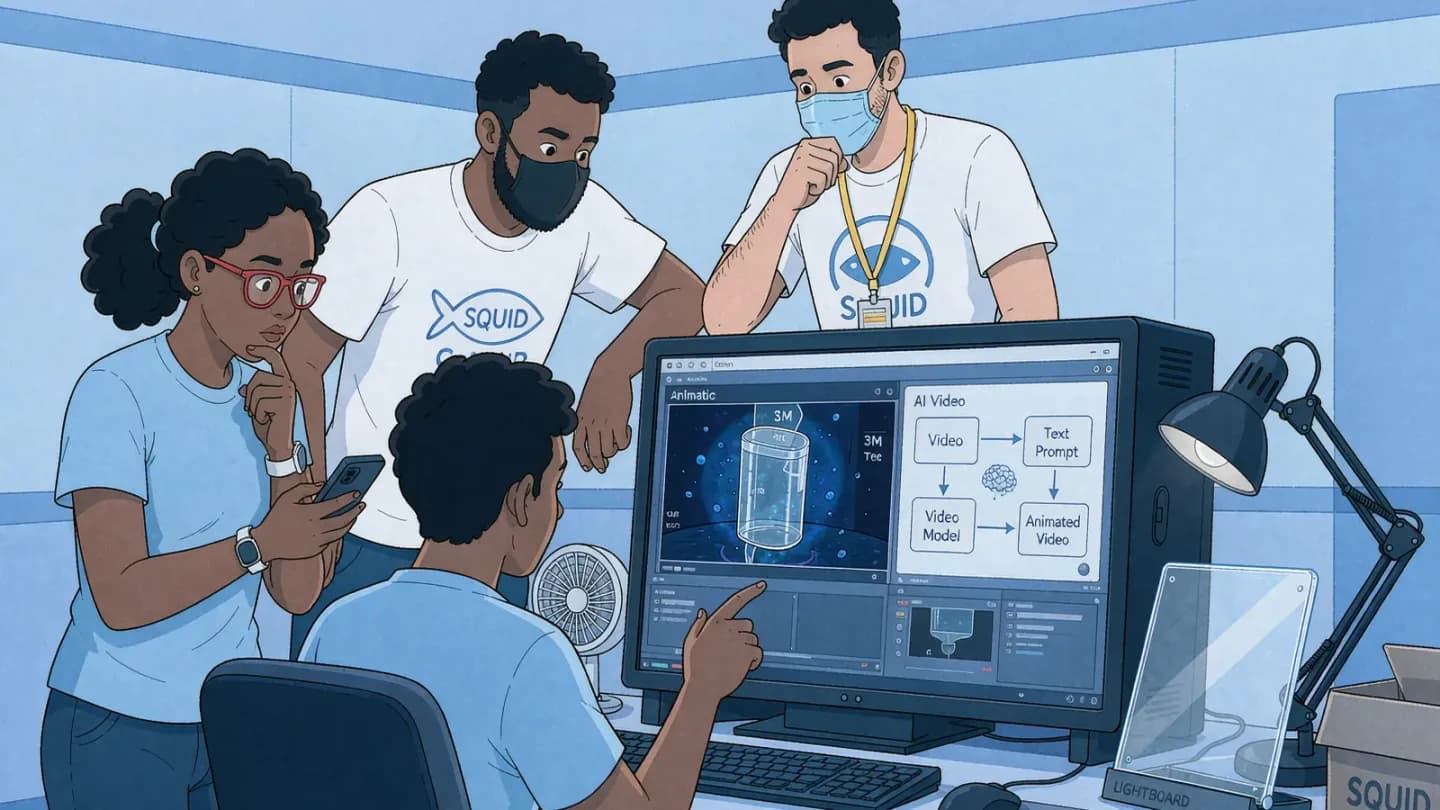
The replaced object was mundane but telling: a see-through cistern. Product demos live or die on showing the viewer something they cannot normally see - the inside of a device, a mechanism in motion, a before-and-after the eye would otherwise miss. When that view requires a physical prop that does not exist at scale, the cost of showing it has historically meant not showing it at all, or faking it with animation that reads as less than real. Brands have accepted that trade for decades because the alternative was a bespoke build for a single eight-second beat. The craft solution - a machined acrylic replica, a slow-motion rig, a water-recirculation loop - was always possible, just rarely worth the budget for a supporting shot. AI collapses that budget question, which is why the impossible interior is suddenly on the table for mainstream CPG.
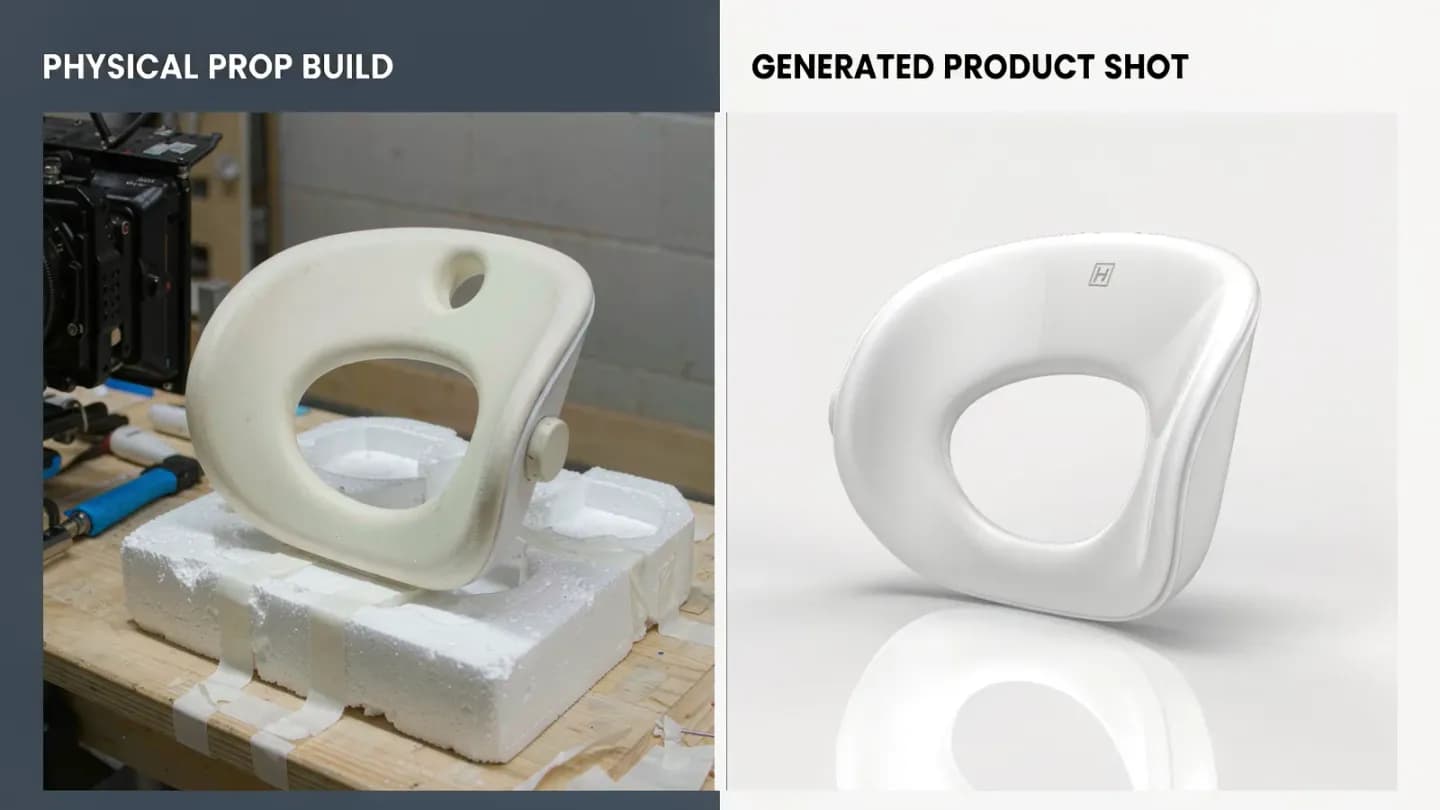
AI changes the economics of the impossible shot. Instead of budgeting for a prototype, a rig, and a shoot day, the team describes the interior and generates it, then regenerates until the water reads right. The output is not a stand-in for the product; it is the product, rendered as the brand wants it seen, with lighting and camera movement a practical shoot would bill extra for. For CPG and hardware brands especially, that closes a gap that used to be resolved by either expensive practical effects or simply leaving the mechanism off-screen. The demo stops being the most expensive ten seconds of the campaign and becomes the cheapest to iterate. A rejected take no longer burns a half-day of crew time; it costs another prompt. That difference compounds across a campaign's worth of variants.
Why an AI product demo video beats a prop build for CPG
The deeper point is not cheaper. It is that the demo can now show the mechanism every time, in every market, in every language, without re-shooting a single frame. Characters and products can be swapped, the camera can move inside the object, and the same master can branch into localized cuts with local packaging and voiceover. That is a different creative freedom than a single expensive hero film buys you, because the asset is no longer frozen the moment it leaves the edit suite. The brand owns a reusable view of its own product that keeps earning. A global launch that once meant five separate shoots can become one generated master and four localized passes, with the cost concentrated in craft rather than logistics.
{{link}} cut production cost 60% and beat watch-time benchmarks across five markets, proving the pattern holds beyond one brand.
Castlery's AI campaign cut production cost 60% and beat watch-time benchmarks across five markets, proving the pattern holds beyond one brand.
The cost math brand teams should run
Generative video does not just lower the studio bill; it changes which math you are allowed to run. When the cost of a tenth interior variant is near zero, the question shifts from whether you can afford to show this at all to which version you should ship, and to whom. Teams that used to ship one safe demo can now ship a small library and let performance decide. The constraint stops being the production budget and becomes the discipline to brief, review, and retire variants with intent. The brands that gain an edge are not those generating the most cuts, but those treating each cut as a hypothesis to be measured, not a deliverable to be filed. Volume without a decision framework is just a fuller archive.
The metric that matters is {{link}}, not the per-asset sticker price or subscription seats.
{{link}} explain why near-zero marginal cost finally makes high-volume creative testing affordable.
But adoption alone doesn't prove value - {{link}} shows reported ROI falling even as usage climbs, so the teams winning here are the ones treating the demo as a testable asset, not a one-time deliverable.
The trap is treating the demo as a finished deliverable. A generated interior shot is most valuable when it feeds a testing loop, not when it sits in a single ad. Brand teams that instrument the asset - measuring which angle, length, and on-screen text actually drive the click - turn a production saving into a learning advantage.
The metric that matters is cost per usable clip, not the per-asset sticker price or subscription seats.
AI video variant economics explain why near-zero marginal cost finally makes high-volume creative testing affordable.
But adoption alone doesn't prove value - AI video ROI reversal shows reported ROI falling even as usage climbs, so the teams winning here are the ones treating the demo as a testable asset, not a one-time deliverable.
Where AI product demo video fits in your stack
Most teams will start inside {{link}} tools that turn a product image into a finished cut.
Used well, the AI product demo video is a complement to, not a replacement for, the rest of your content engine. Start with the shots a camera cannot easily film, prove the cost math on one SKU, and expand only once the asset is earning its place in the mix. Pair the generated cut with real product photography and human-led storytelling where trust matters most, and keep a human in the review loop before anything ships. The brands pulling ahead are not the ones generating the most video - they are the ones generating the right impossible shot, repeatedly, at a cost the old model could never justify. Disclosure still applies: label synthetic creative where the platform or market requires it, and keep the product claims substantiated.
Measurement is what turns the saving into an advantage. A generated interior shot is most valuable when it feeds a testing loop, not when it sits in a single finished ad. Brand teams that instrument the asset - measuring which angle, length, and on-screen text actually drive the click - convert a production efficiency into a learning rate their competitors cannot match. The risk is the opposite failure: generating a flood of cheap variants with no system to judge them, then shipping the one a stakeholder liked. Treat the demo as a testable asset, set the success metric before generation, and let the data retire the losers. That is the discipline that separates a cost cut from a compounding advantage.
Most teams will start inside platform-native AI video ads tools that turn a product image into a finished cut.

Put the framework into production
These related pages connect the article’s planning advice to a specific commercial scope.
References
- Brands are quietly building a production advantage that film and TV are still debatingMagDIGIT
SBN Media produced AI animatics for Harpic Flushmatic showing the product working inside a transparent flush cistern; AI production cut cost up to 60% versus traditional builds.
- Video Marketing Statistics 2026Wyzowl
63% of video marketers used AI video tools in 2026, up from 51% in 2025; 91% of businesses use video; 92% plan to spend the same or more on video in 2026.