What AI Video Model Readiness Means After the 2026 Update Cycle
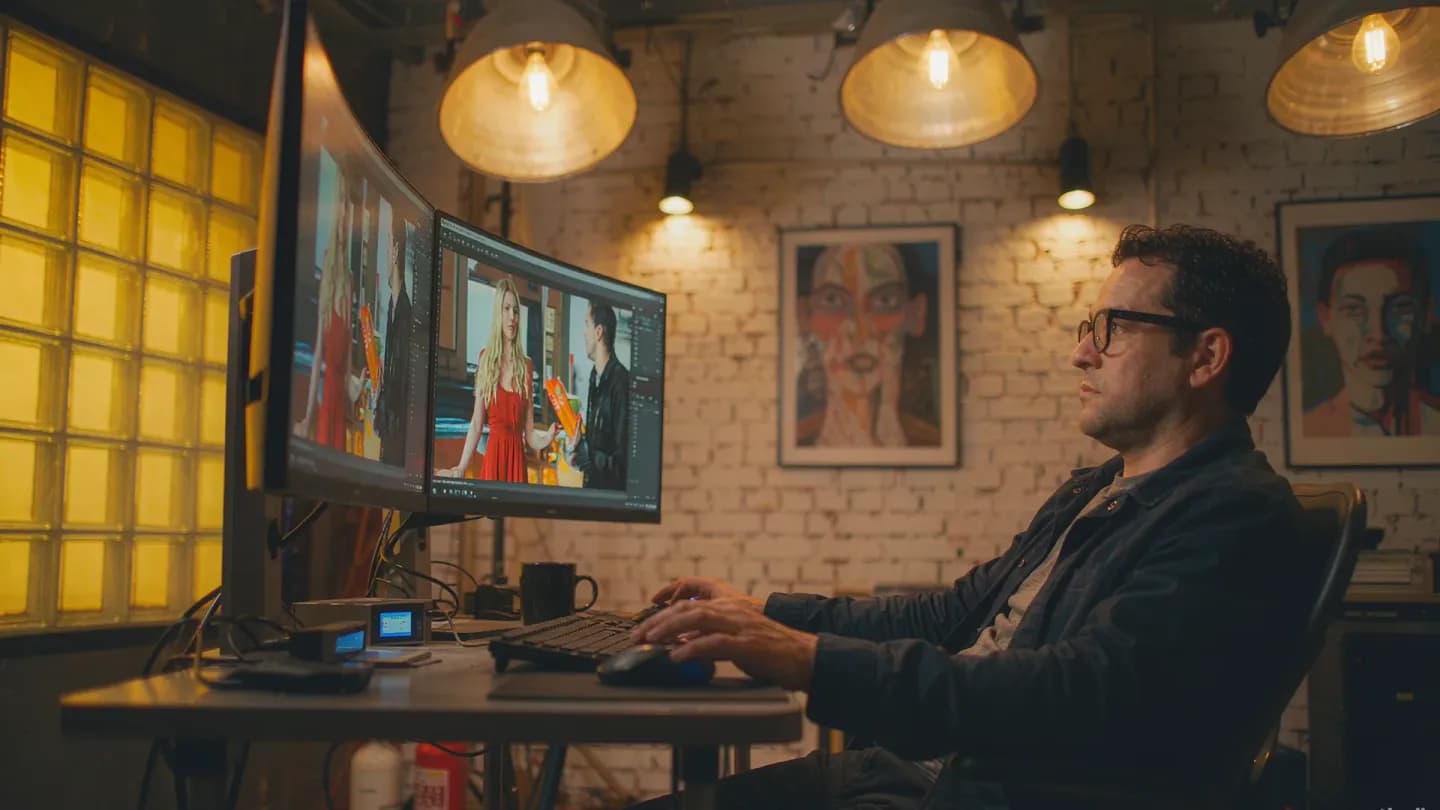
In 2026, AI video model readiness stopped being about which model produces the most impressive single clip. The releases that mattered — Google's Veo 3.1 Lite, PixVerse V6, Shutterstock's licensable platform — all shipped production controls first, not just prettier demos.
This shift is the natural downstream of {{link}} into a small set of production-grade tiers, where buyers now judge a model by whether it fits a workflow rather than by a benchmark score. A model that generates a beautiful but uncontrollable clip is a novelty; a model that generates a controllable, rights-clear, audio-complete asset is an operational tool.
The practical takeaway for commercial teams is that evaluation criteria have to change. Instead of asking 'which model looks best,' the useful question is 'which model can I trust inside a repeatable production pipeline.' The 2026 update cycle answered that question with a clear pattern: the winners competed on controllability, audio, rights, and cost — the four things that actually gate commercial use.
The cost of getting this wrong is not cosmetic. Teams that adopt a model on demo strength alone discover the gaps — no audio, no continuity, unclear rights — only after a campaign is already committed. Readiness scoring front-loads that discovery to the evaluation stage, where it costs an afternoon rather than a launch.
Readiness is also a team-maturity question. The organizations that benefit most are not the ones chasing the newest model card; they are the ones that mapped their production pipeline first and then selected a model to fit the gaps they already knew they had.
This shift is the natural downstream of how the text-to-video market consolidated into a small set of production-grade tiers, where buyers now judge a model by whether it fits a workflow rather than by a benchmark score.
Native Audio Ends the Separate Voiceover Step
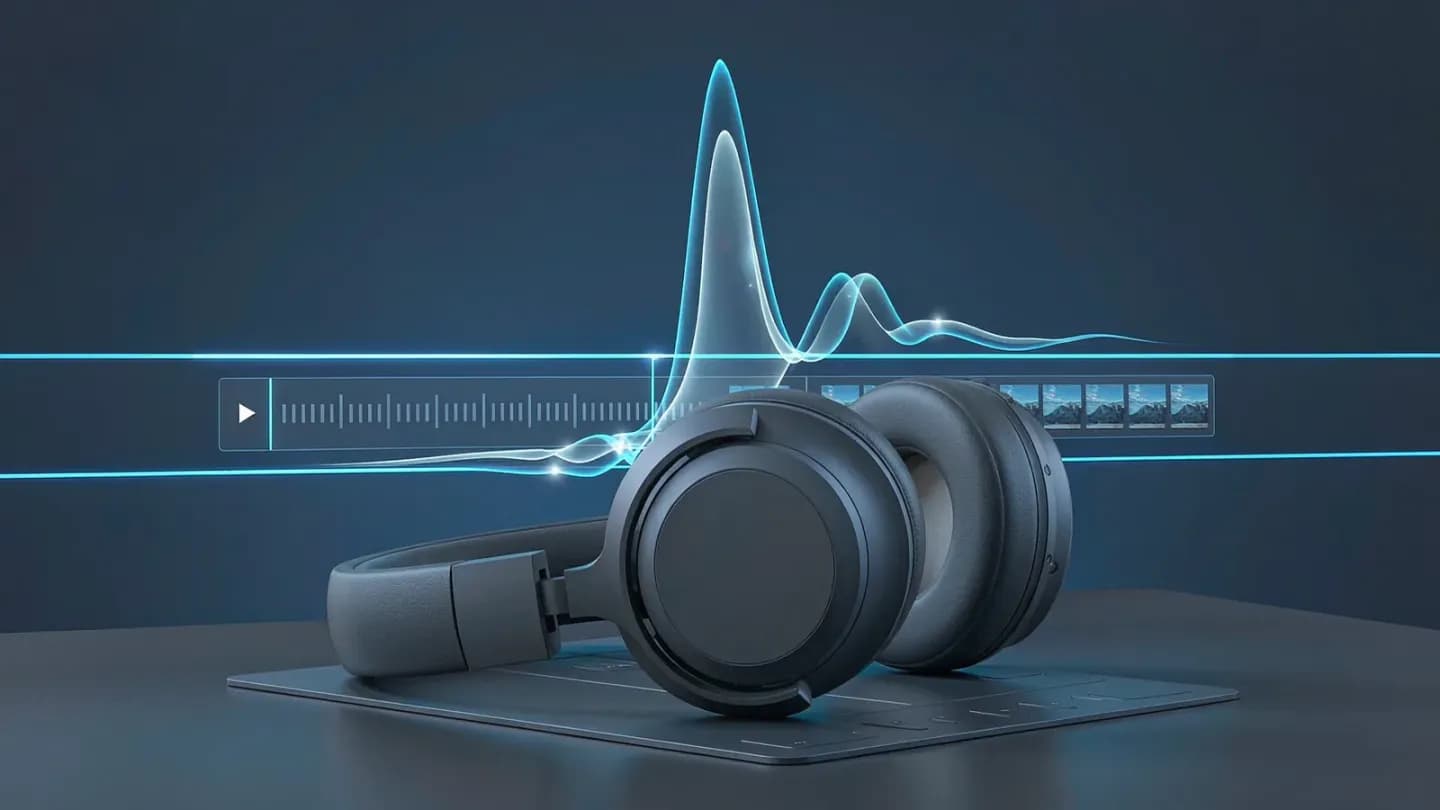
For most of AI video's short history, generated clips were silent. Teams had to run a separate voiceover, music-sync, or sound-design pass before an asset was usable — a hidden tax that added days and cost to every cut. Native audio changes that math.
Google's Veo 3.1 generates sound effects, ambient noise, and even dialogue as part of the clip, and the April 2026 'Lite' tier kept that audio in the cheaper configuration. PixVerse V6 shipped native audio alongside its control upgrades. When audio comes out of the model instead of a downstream step, the tool moves from novelty generator toward a near-finished asset system.
Localization is a separate deliverable, not an auto-dub toggle, so {{link}} needs to be scoped before production starts rather than bolted on after a model hands back a silent master. Multilingual in-frame text — which PixVerse V6 also added — compounds this: on-screen copy has to be correct per market, or the asset gets rejected at QA.
The financial implication is direct. A separate sound pass means a separate vendor, a separate review cycle, and a separate point of failure; native audio collapses those steps into the generation call itself. For high-volume social production, that consolidation is often the difference between a sustainable workflow and a bottleneck.
Localization is a separate deliverable, not an auto-dub toggle, so AI video localization needs to be scoped before production starts rather than bolted on after a model hands back a silent master.
Camera, Character, and Multi-Shot Control Move Into the Model
Single clips were never the hard part. The hard part is a sequence that holds together — consistent faces, stable products, coherent camera moves across shots. That is where 2026 updates concentrated.
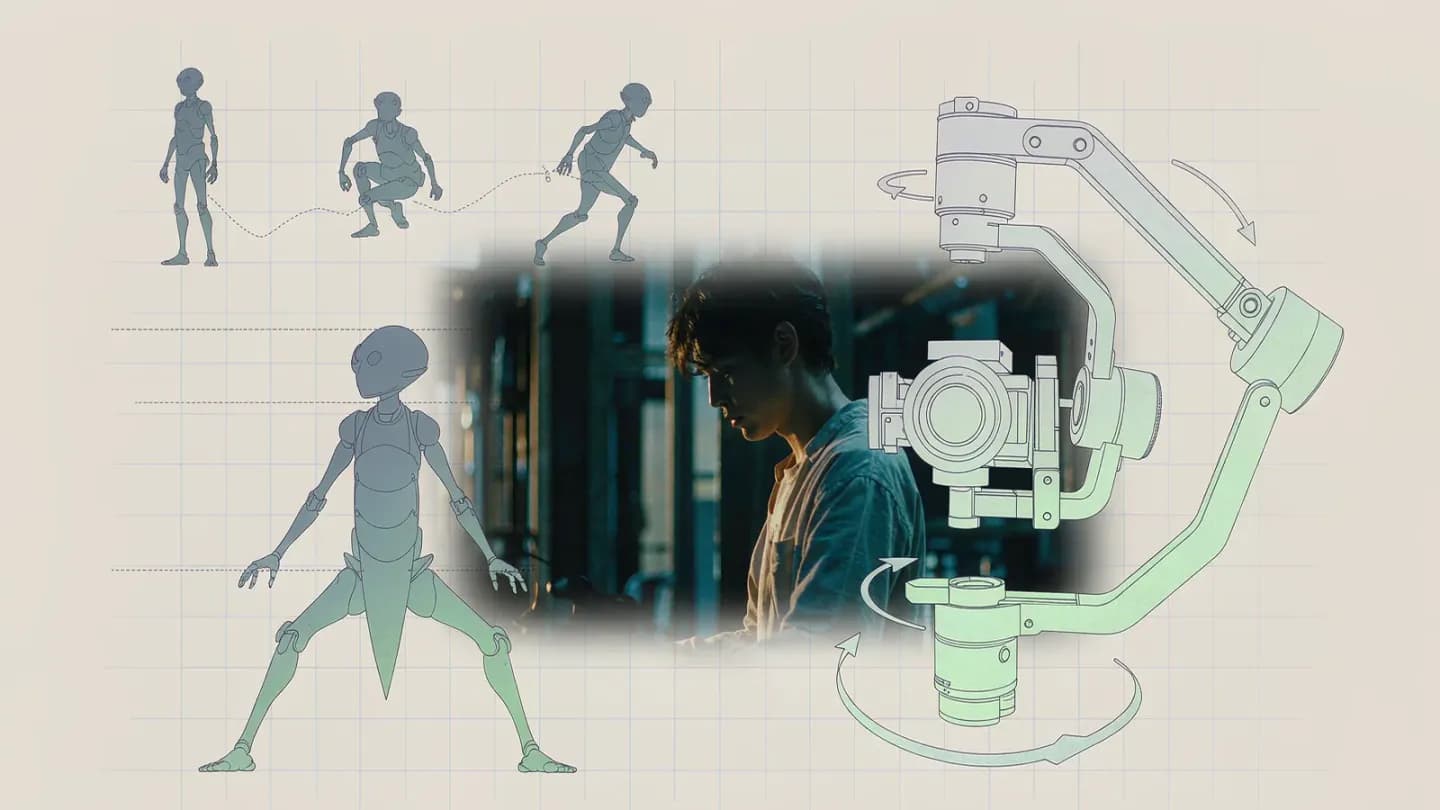
PixVerse V6 brought explicit camera control, character performance, and multi-shot generation into one model, so a scene can be staged rather than glued from three unrelated clips. Google's Veo adds reference-image guidance, character-consistency controls, and precise camera moves. The result is fewer regenerate-and-pray loops, because the model now understands continuity instead of treating each prompt as a fresh roll of the dice.
Teams that treat control as a system, not a lucky prompt, get repeatable results — and {{link}} is where that discipline lives, turning raw model capability into on-brand output that survives a legal and brand review.
Brand teams feel this most on hero assets, where a single inconsistent frame can break a viewer's trust in the whole spot. In-model continuity is what makes AI video viable for brand-grade work rather than only for disposable social cuts, and it is the capability that separates a production tool from a toy.
Teams that treat control as a system, not a lucky prompt, get repeatable results — and AI video prompt engineering for consistency is where that discipline lives, turning raw model capability into on-brand output that survives a legal and brand review.
Cheaper 'Lite' Tiers Change the Iteration Economy
Google's Veo 3.1 Lite, released April 1, 2026, is the clearest signal that the economics of AI video are bending. A lower-cost tier that still produces native audio is an admission that enterprises and freelancers will not scale generation unless the cost per rendered minute drops materially.
The real constraint is no longer the model card but the {{link}} that gates campaign-scale output, so a cheaper tier is not a downgrade — it is the configuration that makes high-volume iteration affordable. Rough cuts, ideation, and draft variants no longer have to run on the most expensive model in the catalog.
The trap is to treat 'cheaper' as 'good enough for everything.' Lite tiers typically trade some fidelity for lower compute, which is fine for exploration and acceptable for many social placements, but not for a hero brand film. The readiness question becomes: which tier maps to which stage of my pipeline, and can I move assets between them without rework?
A useful mental model separates exploration compute from hero compute. Draft variants and pre-visualization belong on the cheaper tier; the final hero cut earns the premium model. Treating every frame as a hero frame is the most common way teams blow their AI video budget without improving the quality of what actually ships.
The real constraint is no longer the model card but the AI video render queue that gates campaign-scale output, so a cheaper tier is not a downgrade — it is the configuration that makes high-volume iteration affordable.
Licensing and Rights Decide What Brands Can Actually Adopt
A clip a model generates is only useful if a brand is allowed to use it. Shutterstock's move to a commercial-ready, 'licensable' AI video platform reframed the whole category: instead of a novelty generator, it shipped rights-handled assets a team could drop into an existing production workflow.
MNTN's QuickFrame AI took a different but related path, letting teams create products, characters, and locations once and reuse them across every video through a central library — 'reusable brand building blocks' that keep brand consistency across scenes and campaigns. Its orchestration layer coordinates multiple models to generate scenes with awareness of pacing, narrative continuity, and spatial context, and the pitch is explicit: go from an idea to a TV-ready ad in minutes.
The legal dimension is not optional for regulated industries. Pharmaceutical, financial, and CPG teams cannot ship an asset whose training provenance or usage rights are undocumented, which is why a licensable platform clears a hurdle a free generator does not. Procurement, legal sign-off, and usage terms belong in the evaluation from day one.
For a commercial team, rights clarity is now a selection criterion on par with visual quality. A model that produces gorgeous footage you cannot license, or cannot prove was sourced compliantly, is a liability rather than an asset.
Reusable asset libraries, the pattern QuickFrame formalizes, also change the economics of brand consistency. Once a product or character is approved once, every subsequent video inherits that approval, turning a recurring legal and brand review into a one-time setup cost that amortizes across the whole campaign calendar.
A Commercial-Readiness Checklist for Brand-Video Teams
Pull the 2026 updates into a single scorecard and the criteria are concrete. Before committing a team workflow to any model, score it on six axes.
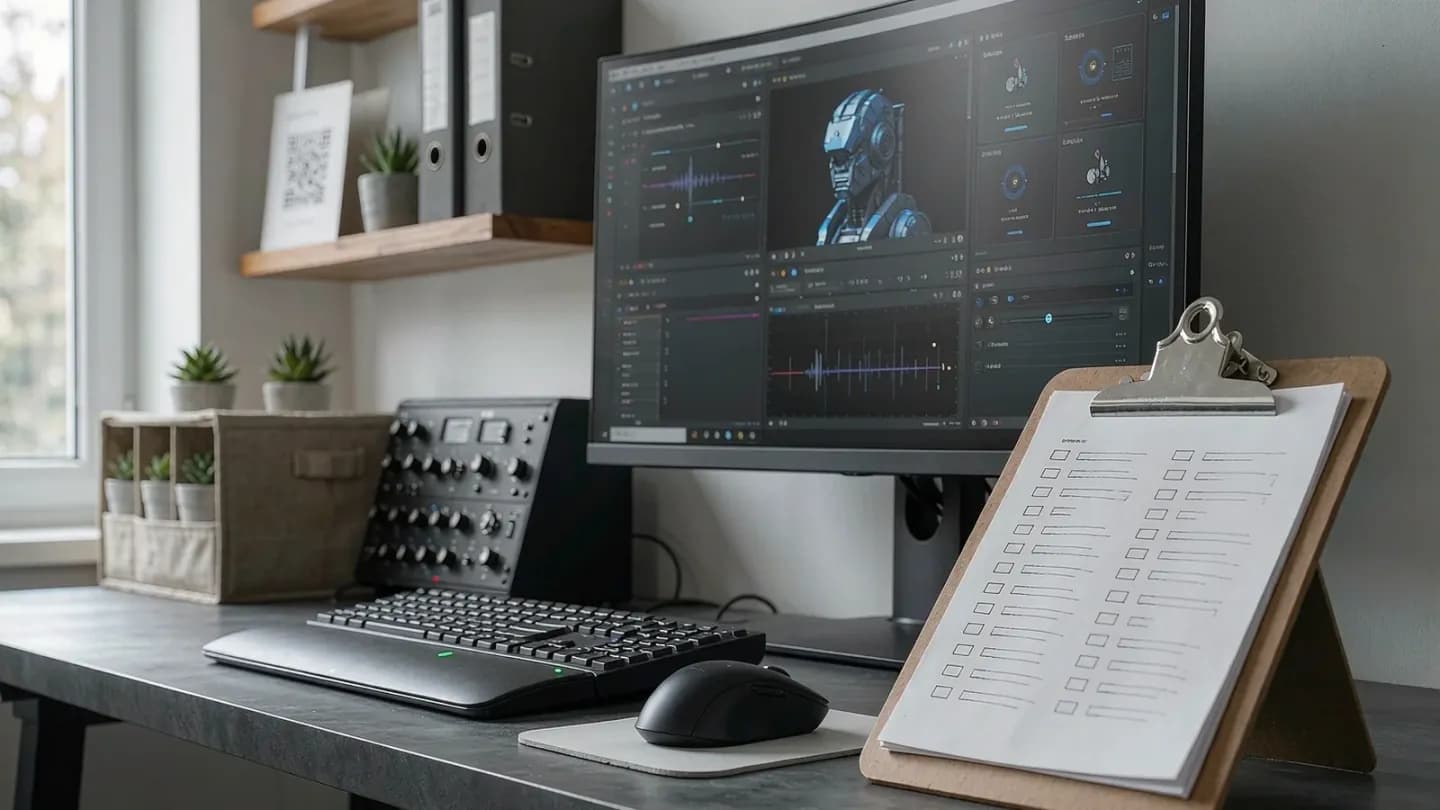
First, audio: does it generate shippable sound, or do you re-add voiceover and music? Second, control: can you direct camera, character, and multi-shot continuity, or only prompt one clip at a time? Third, cost: is there a tier that matches each pipeline stage, and is per-second pricing predictable? Fourth, rights: are the outputs licensed for commercial use with clear usage terms? Fifth, localization: can it place correct per-market text and audio, or only one language? Sixth, integration: does it sit inside your editing and approval workflow, or export a file you then rebuild?
A model that scores well on all six is no longer a demo — it is infrastructure. The 2026 update cycle did not just make AI video prettier; it made a subset of models genuinely ready for commercial production, and gave teams a vocabulary to tell them apart.
Treat the scorecard as a procurement document, not a creative one. The model that wins the demo is rarely the model that survives the contract, so the teams that benefit most are the ones that score before they commit.
Put the framework into production
These related pages connect the article’s planning advice to a specific commercial scope.
References
- QuickFrame AI — Make a Video in MinutesQuickFrame / MNTN
QuickFrame AI lets brand and agency teams generate performance-ready TV and social video in minutes using AI orchestration and real editing control.
- Google DeepMind VeoGoogle DeepMind
Veo 3.1 generates audio natively (sound effects, ambient noise, dialogue) and offers camera controls, character consistency via reference images, and SynthID watermarking for production use.
- PixVerse V6 and Production-Ready WorkflowsPixVerse
PixVerse V6 emphasizes precision control, native multi-sensory sync, consistent characters, and production-ready enterprise workflows with stated cost and speed gains for teams shipping video at scale.