
AI recruiting video is now the trust surface in a broken funnel
AI recruiting video became the trust surface of hiring in 2026, and not by choice. Greenhouse's Hire Standard benchmark, built from more than 640 million applications across 6,000-plus companies, shows applications per job doubling from 116 in 2022 to 244 in 2025 while the average recruiting team shrank from 10.43 to 4.62 people. When the paper signal broke at that scale, video became the surface candidates and employers both still trust.
Robert Half's March 2026 survey of more than 2,000 US hiring managers puts a number on the damage: 67% of HR leaders say reviewing AI-generated applications has slowed hiring, and 65% say AI-enhanced resumes have made candidate skills harder to verify. The document every hiring decision used to rest on now arrives at industrial volume and near-zero marginal cost - which is exactly why the genre that can still prove a real workplace matters.
The platform data says the same thing from the candidate side. LinkedIn's 2026 Talent Trends research, as compiled by recruiting-video practitioners, found posts with native video earn 5.4x the candidate engagement of text-only posts and 2.8x the apply-clicks of single-image posts, while TikTok's career-content vertical has grown 312% year over year. Glassdoor and Indeed now boost employer profiles with video to the top of search results. The distribution surfaces have collectively decided that video is the format candidates want - which leaves production teams with a genre that has the highest authenticity bar in marketing and almost no budget line.
Why recruiting video has the highest authenticity bar in marketing
Marketing video sells a product. Recruitment video sells a daily working experience to a discerning person who will inside the building within weeks and can tell instantly whether the film lied. Candidates can smell a corporate recruiter script from across the feed, and the video has to feel like a real human at the company, in real space, talking about real work. That bar is higher than any brand spot because the claim is checkable: the candidate arrives, walks the floor, and meets the team the video described.
The 2026 hiring data rewards exactly that specificity. Korn Ferry's Talent Acquisition Trends report, a survey of 1,674 global talent leaders plus 230 internal experts, found 73% rank critical thinking as their top priority when evaluating hires while AI-related skills placed fifth - the market is paying for demonstrated judgment over polished artifacts. The same logic lands on the creative: the single highest predictor of recruitment-video performance is whether the video says something a candidate could not have learned from the job description. "We have a four-day workweek" beats "great work-life balance" every time, and no generation model can invent that sentence for you.
This is the same production problem our {{link}} describes for commercial work, except the quality floor here is set by employment law and the first week on the job.
This is the same production problem our commercial quality threshold describes for commercial work, except the quality floor here is set by employment law and the first week on the job.
The four-layer employer-brand video stack
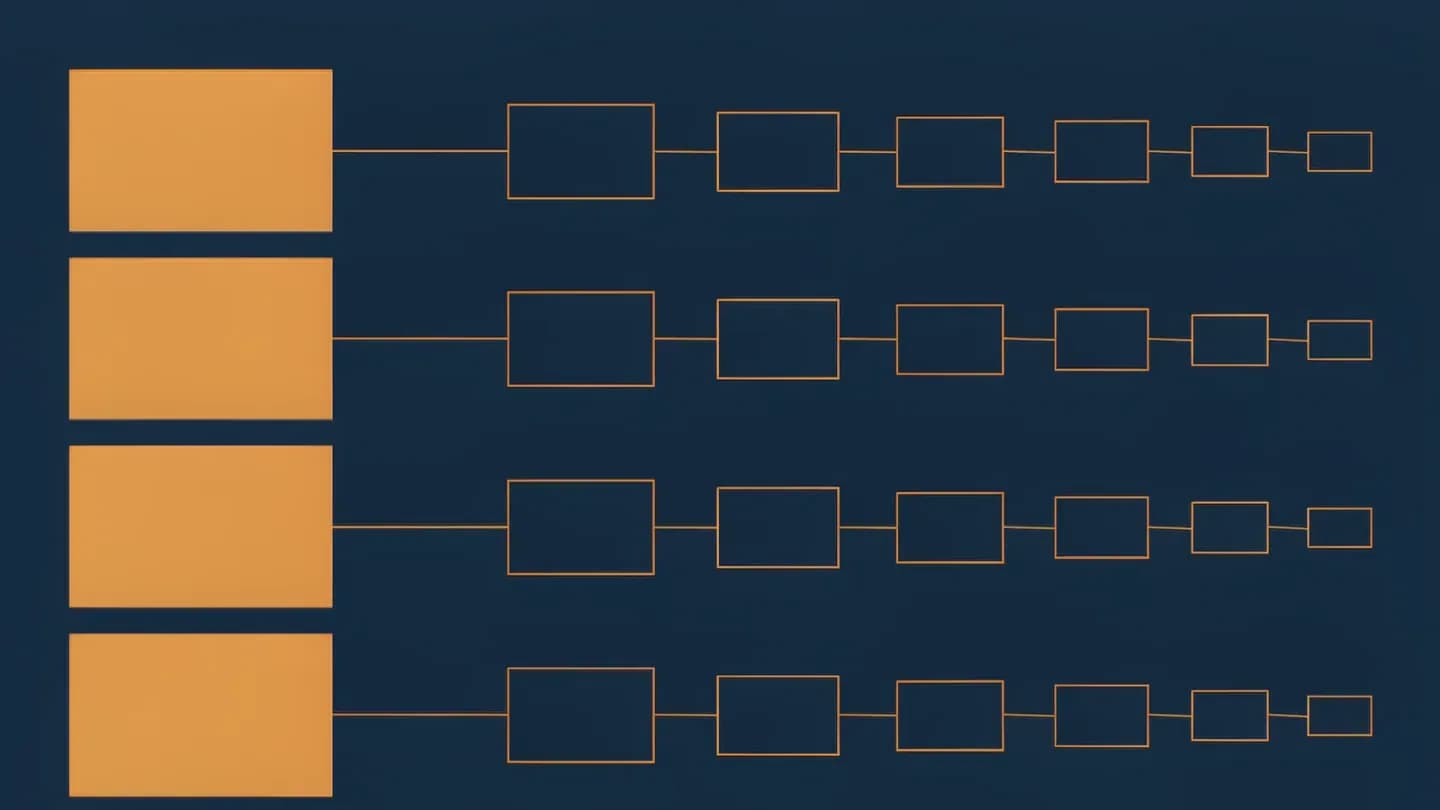
The teams getting pipeline lift in 2026 do not make a recruiting video; they run a four-layer system where each layer feeds the next. Layer one is always-on employer-brand content - day-in-the-life clips, team standup snippets, office b-roll, founder Q&As - posted two or three times a week to keep the brand warm so that when a role opens there is already an audience. Layer two is per-role JD video: a 45-to-90-second clip for each new requisition with a hiring-manager intro, three bullets on what the work actually looks like, and one line on team dynamics, posted alongside the text JD on LinkedIn, the careers page and in recruiter outreach.
Layer three is recruiter personal brand - the layer that actually moves passive candidates: two or three short vertical reels a week per recruiter about a specific open role or function-specific advice, usually generated from an avatar trained on their own footage. Layer four is candidate nurture - a hiring-manager welcome video, a benefits walkthrough, an interview-expectations explainer, an offer-letter celebration - all generated from approved scripts and a small library of trained avatars and voice clones. The economics are the point: one agency shoot day runs $8,000 to $15,000 for two to four finished pieces, while the full quarterly stack for a ten-recruiter team produces 220-plus pieces at credit cost.
Routing matters as much as volume, because the layers have different fidelity needs - human-led shots for day-in-the-life b-roll, environment shots for office scenes, and generated presenters only where a real person approved the script, a decision our {{link}} frames for any AI video stack.
Routing matters as much as volume, because the layers have different fidelity needs - human-led shots for day-in-the-life b-roll, environment shots for office scenes, and generated presenters only where a real person approved the script, a decision our best-of-breed routing frames for any AI video stack.
The guardrails: never a synthetic employee
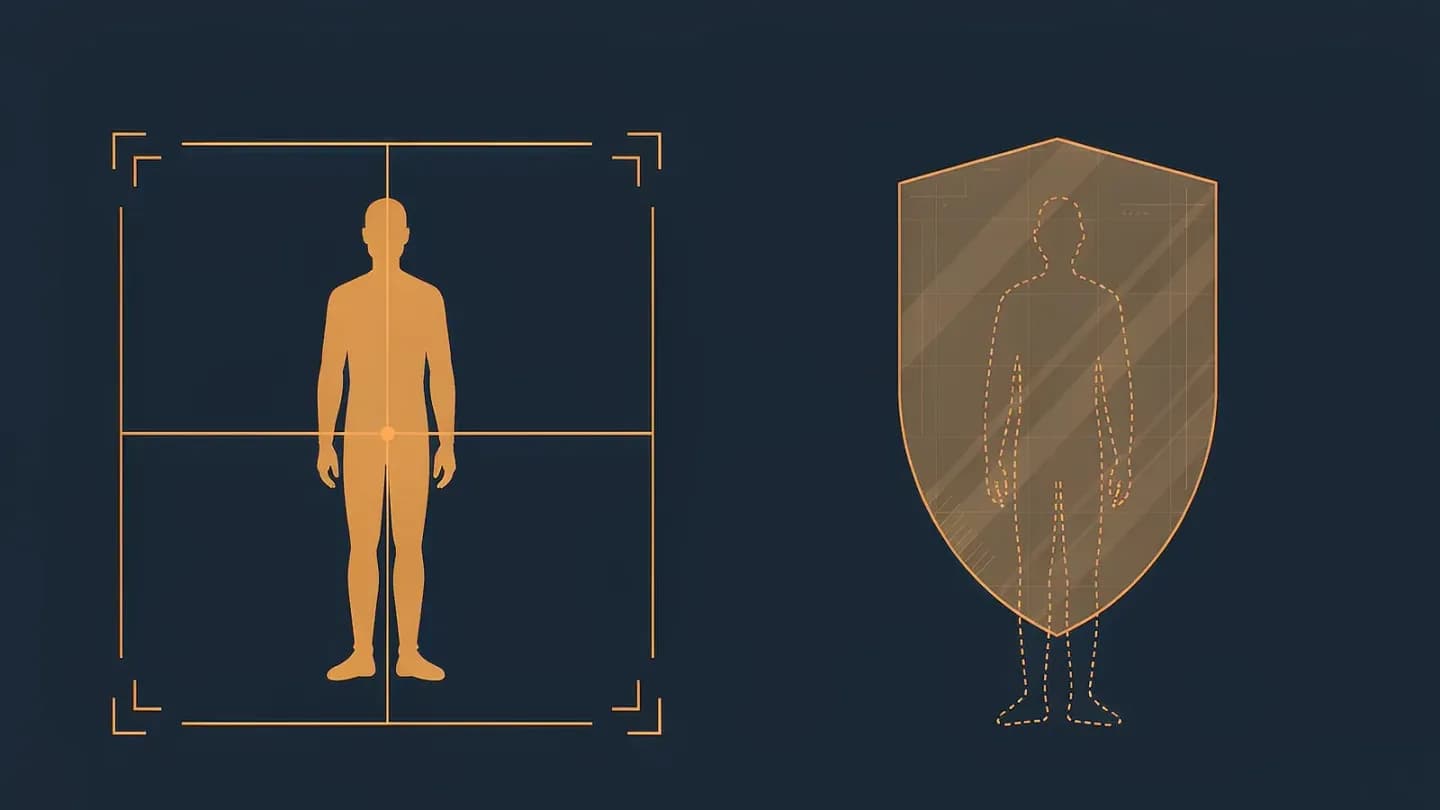
Recruitment video carries employment-law exposure that no other marketing video carries, and generative tooling makes the violation easy to ship by accident. The first rule is absolute: never generate synthetic footage of employees who do not exist and present them as real team members. That crosses into deceptive practice, and in the EU it can collide with the AI Act's transparency provisions. The safer pattern uses AI for environments, b-roll and motion graphics, and keeps real, consenting employees for any human face on camera.
Avatars are allowed, but only of people who said yes in writing. If you build an avatar of a real recruiter, train it from their own footage with documented consent and a clear usage agreement; never let a synthetic presenter stand in as a fictional company spokesperson without disclosure, because candidates are fine with AI-assisted production and not fine with discovering the recruiter in the video was invented. The same discipline covers voice: cloning an employee's voice to say things they never approved is a fast way to lose trust internally and create exposure externally, so every script needs written sign-off, ideally per video.
Two smaller rules separate shipped videos from reported ones. Burned-in captions are non-negotiable, because recruitment video is watched muted in feeds by people who are deaf, hard of hearing, or reading in a second language. And never generate diversity as a checkbox - inclusion is a real signal candidates pick up on, and if the generated content does not reflect the team a candidate would actually join, they lose trust the moment they walk into the building.
Likeness and consent in generated casting are a legal surface, not a creative one, as our {{link}} lays out.
Disclosure duties increasingly ship inside the tools themselves, a shift our {{link}} tracks across the major AI video platforms.
Likeness and consent in generated casting are a legal surface, not a creative one, as our synthetic likeness rules lays out.
Disclosure duties increasingly ship inside the tools themselves, a shift our disclosure safeguards inside the tools tracks across the major AI video platforms.
Measure it like a funnel, not a brand film
The operational unlock is that recruitment video is measurable end to end, and most teams leave the measurement on the table. Tag every video with a unique URL and track click-to-apply, application-to-interview and interview-to-offer per video; teams that do this cut cost-per-hire by 30 to 40% within two quarters, because they learn which video styles actually drive the right applicants rather than the most clicks. Format discipline comes from the same data: on LinkedIn the 2026 sweet spot is 30 to 60 seconds, square or vertical, a strong text hook in the first 1.5 seconds, captions burned in, and a single call to action - videos over 90 seconds see completion drop by about 60%.
The credit-versus-shoot-day math only holds because the finishing premium our {{link}} documents has not migrated to the volume layers.
Measurement also settles the budget argument, because the comparison is never AI video versus a shoot; it is 220 measurable pieces per quarter versus two to four unmeasurable ones. The hybrid model most teams land on keeps AI for the high-volume layers and brings in an agency once or twice a year for flagship films, cutting total spend by 50 to 70% while raising the share of content traceable to a hire.
The credit-versus-shoot-day math only holds because the finishing premium our talent market economics documents has not migrated to the volume layers.

What recruiting video proves about AI video in 2026
The recruiting genre is a stress test the rest of AI video production will eventually face. When the artifact a decision rests on becomes free to fabricate, the surfaces that stay expensive to fake - a real person on camera, a specific claim, a checkable workplace - become the premium product. AI video wins here as a force multiplier around one filmed human: film the recruiter once with consent, train the avatar and voice clone from that footage, then generate all four layers at a cadence no traditional shoot can supply.
The production lesson generalizes. Volume is now the cheap part of every AI video workflow; authenticity is the part that still costs money, and the categories where authenticity is legally load-bearing will pay the most for it. The teams pulling ahead in 2026 are not the ones with the biggest production budgets - they are the ones whose recruiters show up in candidate feeds every week with specific, honestly produced video. Write the script with real information, film one real human, and let the stack do the volume.
Put the framework into production
These related pages connect the article’s planning advice to a specific commercial scope.
References
- Hiring got harder. Recruiters got better. Here's how. (The Hire Standard benchmark report)Greenhouse
Greenhouse's Hire Standard benchmark report analyzed data from over 6,000 companies and more than 640 million applications between 2022 and 2025. It found applications per job rose from 116 to 244 (+111%), average recruiting team size fell from 10.43 to 4.62 (-56%), annual applications per recruiter rose from 1,610 to 4,890, and time-to-fill rose from 43.64 to 59.67 days (+37%).
- Robert Half survey: 67% of HR leaders report AI-generated applications are slowing hiringRobert Half
A Robert Half survey of more than 2,000 US hiring managers, fielded in November 2025 by an independent research firm, found 67% of HR leaders report AI-generated applications have slowed hiring (20% by more than two weeks), 84% report heavier workloads, and 65% say AI-enhanced resumes make candidate skills harder to verify. Operational president Dawn Fay: "AI has made it easier to generate applications, but it hasn't made it easier to identify the right talent."
- Korn Ferry Research Unveils Top Talent Acquisition Trends Shaping 2026Korn Ferry
Korn Ferry's 12th annual Talent Acquisition Trends report, released October 28, 2025 and based on a survey of 1,674 global talent leaders plus 230 Korn Ferry talent experts, found 84% of talent leaders plan to use AI in 2026, more than half (52%) plan to add autonomous AI agents to their teams, and nearly three-quarters (73%) list critical thinking as their No. 1 hiring priority while AI-related skills placed fifth.
- AI employer brand video for recruiting teams (the 2026 talent acquisition video playbook)Versely
Practitioner guidance for talent-acquisition video teams describes a four-layer employer-brand video system (always-on content, per-role JD videos, recruiter personal-brand reels, candidate nurture) built by filming one real human and generating the rest. It reports LinkedIn 2026 Talent Trends data of 5.4x candidate engagement for native video versus text-only posts and 2.8x the apply-clicks versus single-image posts, TikTok career-content growth of 312% year over year, an agency shoot day at $8,000-$15,000 for two to four pieces versus a quarterly credit cost of about 5,120 for 220-plus pieces, a 30-40% cost-per-hire reduction for teams that measure per video, and hard guardrails: never generate synthetic employees, train recruiter avatars only from consented footage, and burn in captions.