
One AI short-drama, thousands of on-brand videos
AI video templates are turning a single AI-generated short-drama into a reusable shell that thousands of merchants can populate with their own products, converting one campaign asset into a merchant co-creation engine. Douyin's 2026 'AI Longtaitou' push proved the model: a Seedance 2.0 film spawned 3,377 merchant videos in 24 hours while the hero short drew 4 million views in 10 hours.
Brands have spent a year testing {{link}}, but most experiments stopped at one polished hero film. The format works because a short narrative hook can carry a brand message without a hard sell, and a 2026 MediaScience study found that labeling a video as AI-generated did not hurt measured ad performance. The harder problem was multiplying that one film across a whole merchant base without blowing up production cost or breaking brand consistency.
The Douyin case reframed the unit of work. Instead of shipping finished videos to merchants, the brand shipped a template and let the merchant base do the final, on-brand mile. That single change is what separates a co-creation engine from a content calendar, and it is why a single campaign can suddenly look like a movement.
A co-creation engine is not a content calendar with more posts. It is an asset that gets more valuable as more people use it, because every merchant contribution adds a new distribution node and a new cultural read the brand could never have written alone. The template is the flywheel; the merchants are the fuel.
Brands have spent a year testing AI short films as ads, but most experiments stopped at one polished hero film.
How AI video templates turn a film into a co-creation shell
A co-creation template has three parts. First, a locked master: the narrative, characters, lighting, and world are generated once and held constant. Second, swap slots: designated moments where a merchant drops in a product image, logo, or offer. Third, a one-click render that stitches the swap into the master and exports platform-ready cuts.
The swap-slot model is the same idea behind {{link}}: a small set of approved, on-brand building blocks that anyone in the organization can recombine without reopening the design system. Merchants get the freedom to localize; the brand keeps control of the parts that actually carry its identity.
Seedance 2.0's contribution was narrative coherence. Earlier models produced pretty frames but no storyline; the Douyin film held a three-act arc across three minutes, so every merchant video inherited a real story rather than a disconnected clip stack. Good templates are story-first, not asset-first, because the story is what survives a thousand re-skins.
The render step mattered as much as the template. Merchants received finished, aspect-ratio-correct videos in hours, not a raw project file they had to finish themselves. Co-creation fails when you hand people a starting point and call it done; it works when you hand them a near-final asset they only personalize.
Governance lives in the slots, not the master. The brand should lock character, world, and any on-screen logo, then expose only the product, offer, and local flavor as editable. The narrower the editable surface, the less likely a merchant can break the brand, and the faster they can ship something on-spec.
The swap-slot model is the same idea behind reusable brand blocks: a small set of approved, on-brand building blocks that anyone in the organization can recombine without reopening the design system.

Why merchants showed up: the economics
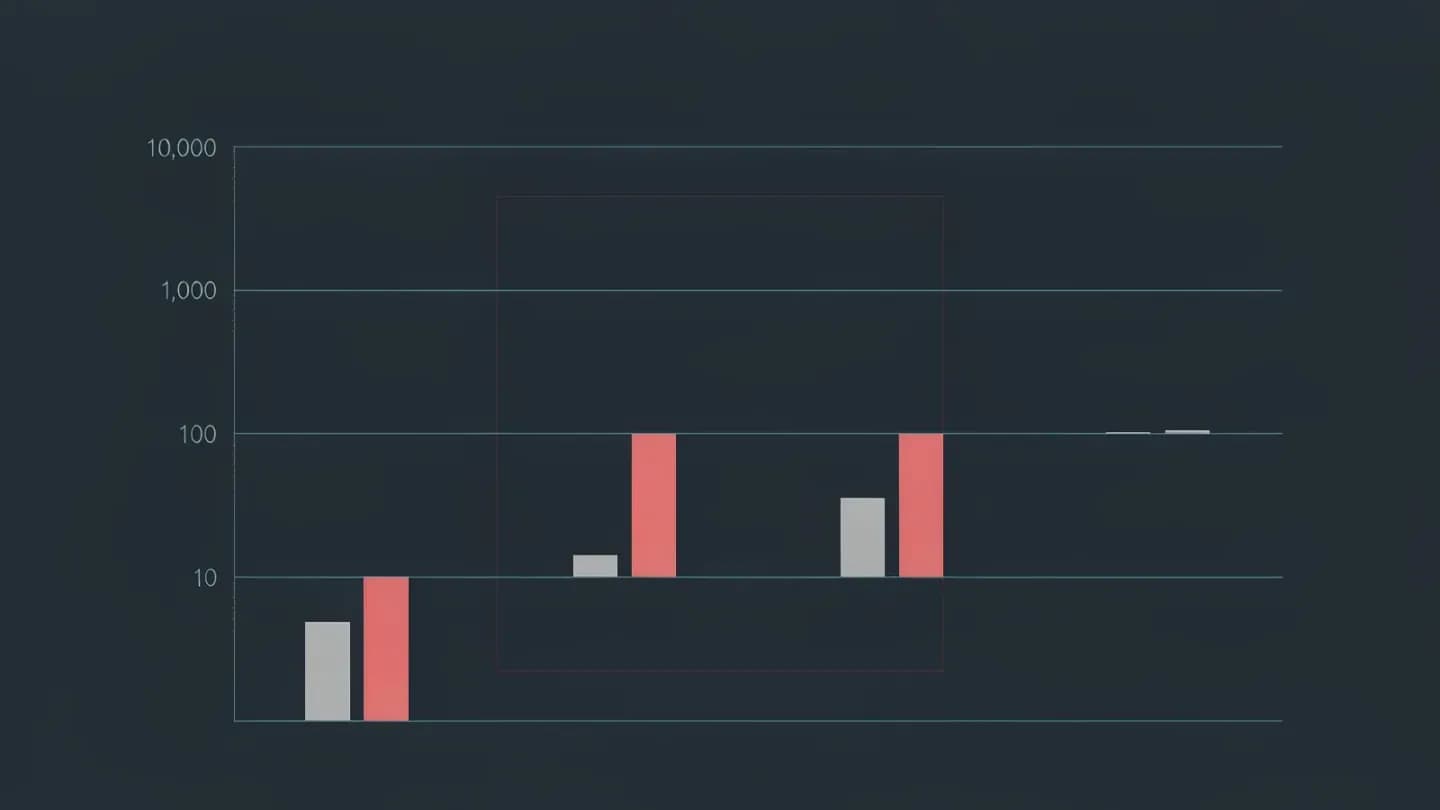
The pull was cost. A DTC brand in Skycrumbs' 2026 benchmark cut its cost per video creative from $4,200 to $180 after moving performance ads to AI, and a regional retailer produced 200 seasonal variants for $18,000 where traditional production would have cost $280,000. For a small merchant, the template removed the one barrier that had always excluded them: budget.
Sprout Social's 2026 data shows the shift is broad, not boutique: 91% of businesses now use video and 63% of video marketers use AI tools to create or edit. When the tooling is this common, the differentiator stops being access to production and becomes the quality of the creative idea a merchant brings to the template.
That inverts the old hierarchy. Big budgets no longer guarantee the best campaign; a merchant with a sharper cultural read can out-produce a national brand inside the same template. Douyin reported merchants completing in hours what previously needed tens of thousands in outsourcing and a full week of production lead time.
For the brand running the program, the ROI is not just lower cost per video but a wider surface area. Hundreds of merchant videos mean hundreds of organic entry points, each tuned to a niche the central team would never target. The template turns a fixed media budget into a variable one that scales with partner enthusiasm.
The creative flywheel: from campaign to ecosystem
A one-off template is a tactic; a repeatable template library is an ecosystem. After the hero film launched, Douyin's '#AI万物皆可龙抬头' effect drew 3,377 merchants and 100-plus brand submissions in 24 hours, and the related topic passed 41 million views. Each merchant video became a new entry point that routed attention back to the campaign.
The mechanics mirror {{link}}: UGC-style creative earns attention because it reads as authentic rather than as a polished brand film, and a template simply makes that authenticity scalable. The brand supplies the world; the merchant supplies the voice, and the result feels native rather than advertised.
Crucially, the audience joined the loop. Users swapped their own photos into the template to make personal 'Longtaitou' stories, and creators amplified the topic with their own spins. The brand moved from sole manufacturer to ecosystem sponsor, and every share compounded the original media spend.
This is where AI short films as ads and co-creation templates converge. A single story world, generated once, becomes the substrate for thousands of variations. The brand owns the world; the crowd populates it. That is a fundamentally different asset model than paying per finished video.
The risk in an ecosystem model is sameness. If every merchant video reuses the identical world, the feed starts to feel like one advertiser wearing costumes. The fix is variety at the edges: rotate the master stories, refresh the swap assets, and let top merchants design approved variants that the rest can remix.
The mechanics mirror UGC ad performance playbook: UGC-style creative earns attention because it reads as authentic rather than as a polished brand film, and a template simply makes that authenticity scalable.

Guardrails brands must set before opening the template
Opening a template to thousands of contributors is not free. The fastest failure mode is brand drift: a merchant swaps in a product that clashes with the world, or a generated frame mutates the logo. Every template needs locked zones that no contributor can alter, and a visible brand rail that survives personalization.
Treat the open template like {{link}}: define a pre-ship checkpoint that checks provenance, disclosure, and visual accuracy before any merchant video goes live. A co-creation engine scales mistakes as fast as it scales wins, so the gate has to move at the same speed as the render, not wait for a weekly review.
Disclosure is the other non-negotiable. Platforms are rolling out automatic AI labels, and while labeling did not hurt performance in the MediaScience test, hiding generation risked far worse than a visible tag. Templates should stamp an AI-disclosure marker by default rather than relying on each merchant to remember.
The takeaway for commercial teams: a co-creation template is a force multiplier, not a shortcut. Design the master carefully, lock the brand-critical zones, gate the output, and the same shell that powered 3,377 merchant videos can become a durable part of how the brand shows up in the feed.
Versioning is the last guardrail. A template that works for a festival may misfire for a product launch, so each iteration should be named, dated, and rolled back cleanly. Treat templates like production code: one source of truth, reviewed before release, and reversible when a merchant report surfaces a visual error.
Treat the open template like a trust-QC gate for AI video: define a pre-ship checkpoint that checks provenance, disclosure, and visual accuracy before any merchant video goes live.
Put the framework into production
These related pages connect the article’s planning advice to a specific commercial scope.
References
- Douyin e-commerce x Seedance 2.0: an AI short-drama as a merchant co-creation engineRFID China / Global Electronic Industry Network
Douyin e-commerce used Seedance 2.0 to produce the first fully AI-generated short drama; the hero film drew 4 million views in 10 hours, the #AI万物皆可龙抬头 template drew 3,377 merchant users and 100+ brand submissions in 24 hours, and the related topic passed 41 million views as merchants swapped their products into the template.
- AI Short Films Are Becoming AdsOmniFit
In 2026 AI short films are entering mainstream ad workflows; a MediaScience 2026 study found that labeling a video ad as AI-generated did not hurt measured ad performance across the conditions it tested.
- 60+ Social Media Video Statistics To Know in 2026Sprout Social
2026 data: 91% of businesses use video in their marketing, 63% of video marketers use AI tools to create or edit video, and short-form video under 60 seconds is the highest-converting format across platforms.
- AI in Video Advertising 2026: How Brands Skip the Film CrewSkycrumbs
2026 benchmark cases: a DTC brand cut cost per video creative from $4,200 to $180 after moving to AI video, and a regional retailer produced 200 seasonal ad variants for $18,000 versus $280,000 for equivalent traditional production.